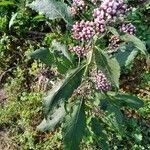
Pluchea camphorata
Plowman's-Wort · Camphor pluchea · Stinkweed
Description
Source: leafsnapPluchea camphorata, known as camphorweed or marsh-fleabane, is a small flowering herbaceous annual plant of the family Asteraceae.
Care Guide
💧 Water Every 7 days
Camphorweed thrives in humid environments and requires consistent moisture without becoming waterlogged. Watering it weekly mimics its natural conditions and promotes healthy growth. Typically grown outdoors, camphorweed is resilient during the growing season, and proper watering can enhance both its foliage and flowering potential.
How should I water my Camphorweed?
To properly care for the Camphorweed, it's important to use filtered water at room temperature. Tap water can be harmful due to certain particles. Additionally, it's crucial to consider the temperature of the water. Since the Camphorweed originates from warm environments, cold water can be a shock to its system. Another aspect to consider is the watering method. Overhead watering should be avoided as it can cause problems with the foliage. Instead, it is recommended to thoroughly water the soil with filtered room temperature water. This allows the roots to absorb the necessary nutrients and encourages their spread throughout the soil. Soaking the soil is especially beneficial for this plant in maintaining moisture.
What do I need to do if I give my Camphorweed too much water or not enough water?
Overwatering is a more common issue for Camphorweed and can cause wilting and yellowing of the stems and leaves. It can also lead to diseases like root rot, mold, and mildew, which can be fatal to the plant. Underwatering is less common but can cause brittle and brown leaves. It is important to notice signs of overwatering quickly, as some diseases may not be fixable if left too long. If you see signs of overwatering, reduce watering and check the soil drainage. If the soil doesn't drain well, replace it with a well-draining mix. For underwatering, simply water the plant more regularly until the signs improve.
How often do I need to water my Camphorweed plant?
If your Camphorweed is in a pot, the most accurate way to check if it needs water is by sticking your finger into the soil. If the top two to three inches of soil feel dry, it's time to water it. The same method applies if you're growing your Camphorweed outdoors in the ground. Once the top few inches of soil have dried out, give it some water. Typically, during the spring and early fall, you'll need to water the plant about once a week. However, in very hot weather, you may need to water it twice a week or more. Despite this, mature and well-established Camphorweed has an impressive ability to tolerate drought.
How much water does my Camphorweed plant need?
When watering your Camphorweed, make sure to give it plenty of water. Wait until the top two to three inches of soil are dry, and then water the plant thoroughly. Add enough water so that it completely soaks the soil, and allow excess water to drain out of the pot's drainage holes. If you don't see excess water draining, you may not have watered enough. However, you should be careful not to let water accumulate inside the soil, as this can harm the plant. If you notice that water isn't draining well, your soil may not have good drainage, which is not good for the plant. If the plant is outside, one inch of rainfall per week is enough.
How should I give water to my Camphorweed plant during different seasons?
The Camphorweed has different water needs depending on the season. In the summer, when it's hottest, you may need to water it more frequently, even more than once a week, as the soil will dry out faster then. On the other hand, during the winter, the plant goes into a dormant phase and requires much less water. In fact, you may not need to water it at all during this time. However, if you do choose to water it in the winter, it's important to only do so once a month. Overwatering during this season can increase the chances of the Camphorweed getting a disease.
☀️ Light Full sun
Camphorweed grows exceptionally well in full sun and can also tolerate partial sun. Originating from habitats with abundant sunlight, too much or too little sun can negatively affect its growth.
What are the sunlight requirements for Camphorweed?
Camphorweed requires full sunlight to thrive, benefiting from more than 6 hours of sunlight per day. It can also tolerate partial sun, with about 3-6 hours of sunlight. It's important to observe your garden's lighting throughout the day to ensure you're planting Camphorweed in a spot that offers the right balance of light and shade.
How does sunlight affect Camphorweed's growth?
Camphorweed flourishes best under full sun conditions, a trait inherited from its native habitat, where it's accustomed to ample sunlight. Both an excess and a lack of sunlight can negatively impact its growth. Therefore, ensuring it receives the right amount of sunlight is crucial for its well-being.
How can artificial lighting support Camphorweed indoors?
Indoor Camphorweed plants require adequate lighting to grow optimally, especially when natural sunlight is insufficient. Artificial lights, such as LED lights that can be customized to provide specific wavelengths, are beneficial. Full sun plants need 30-50W/sq ft, partial sun plants require 20-30W/sq ft, and full shade plants 10-20W/sq ft of artificial light. The lights should be placed 12-36 inches above the plant and kept on for 8-12 hours per day to mimic natural sunlight exposure.
What are the symptoms of inappropriate sunlight exposure in Camphorweed?
Symptoms of inadequate sunlight include smaller new leaves, leggy or sparse growth, faster leaf drop, slower or no new growth, lighter-colored new leaves, and symptoms of excessive sunlight exposure include chlorosis, sunscald, leaf curling, wilting, and leaf scorching. These signs indicate that the plant is not receiving the ideal light conditions for its health and growth.
What solutions can rectify sunlight-related issues for Camphorweed?
For indoor Camphorweed, gradually move the plant to increase its daily sunlight exposure to at least 6 hours, or use artificial lighting for plants that can't be moved. Outdoors, adjust the plant's location gradually to avoid shock and ensure it receives suitable sunlight. Reducing obstructions like pruning trees can help improve sunlight access. Remember, areas affected by lack of sunlight may not recover, but new growth will be healthy with improved lighting conditions.
🌡️ Temperature 5–25°C
Camphorweed originates from temperate habitats where temperatures typically range from 68 to 95°F (20 to 35 ℃). It performs best within that range, so if necessary you should adjust your plant's environment to replicate those conditions as the seasons change.
What is the native climate for Camphorweed?
Camphorweed is native to environments with temperate climates, ideally where temperatures range from 68 to 95°F (20 to 35°C). It thrives best within these temperature ranges. To ensure the health and growth of Camphorweed, it is advisable to adjust the plant's surroundings to mimic these conditions throughout the different seasons as necessary.
Does Camphorweed require frost protection measures during winter?
Camphorweed is highly cold-tolerant and does not require additional frost protection measures during winter. However, to prepare for winter, it is recommended to water the plant generously before the first freeze in autumn. This practice ensures the soil remains moist and enters a frozen state, helping to prevent drought and water scarcity for the plant during winter and early spring.
What should be done if the temperature drops below -30°C for Camphorweed?
While Camphorweed is extremely cold-tolerant, temperatures dropping below -30°C can affect its ability to sprout in spring. In such cases, there may not be any noticeable changes during winter, but there could be a decrease in sprouting or even no sprouting during springtime. If this occurs, it is advisable to remove any parts of the plant that have failed to sprout in spring.
How does Camphorweed react to high temperatures, and what steps should be taken if temperatures exceed 35°C?
Camphorweed is not tolerant to high temperatures exceeding 35°C, which can halt its growth and make it more susceptible to rot. To protect the plant in such conditions, trim away any sunburned and dried parts. It is also beneficial to move the plant to a location that provides shade, especially during the midday and afternoon sun, or use a shade cloth. Additionally, watering the plant in the morning and evening can help keep the soil moist, further supporting the plant in high temperatures.
💨 Humidity
🪴 Soil 6-7
🌱 Fertilizer
One fertilizer application in spring is typically enough for Camphorweed, though multiple feedings can boost growth. Fertilize about once every one to one and a half months. Nutrient application improves leaf appearance and function, maintaining even color and a healthy texture. It also promotes root development and nutrient uptake for the plant's long-term health.
🪴 Pot & Repot
✂️ Pruning
To encourage new growth and maintain the shape of camphorweed, prune it from early to late spring. Trim away spent blooms and dead stems, but be careful not to over-prune, as this can impact the plant's vigor. Regular pruning improves air circulation and helps prevent disease. Always use clean, sharp tools for the best results.
🌿 Propagating
🐛 Diseases & pets
☠️ Toxicity
Characteristics
- Plant Type
- Herb
- Life Cycle
- Perennial, Annual
- Genus
- Pluchea
- Family
- Asteraceae
- Hardiness Zone
- 4-5
- Mature Height
- 91 cm
- Mature Spread
- 30 cm to 61 cm
- Leaf Color
- Green, Dark Green
- Leaf Type
- Evergreen
- Flower Color
- Pink
- Flower Size
- 2.54 cm
- Bloom Time
- Mid summer, Late summer
- Planting Time
- Spring, Summer, Autumn
- Harvest Time
- Mid summer, Late summer, Early fall