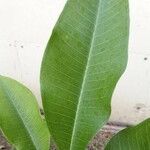
Plumeria rubra
پلومریا · یاسمن قرمز · Frangipani · Plumeria · Kamboja
Description
Source: leafsnapPlumeria rubra is a deciduous plant species belonging to the genus Plumeria. Originally native to Mexico, Central America, Colombia and Venezuela, it has been widely cultivated in subtropical and tropical climates worldwide and is a popular garden and park plant, as well as being used in temples and cemeteries. It grows as a spreading tree to 7–8 m (23–26 ft) high and wide, and is flushed with fragrant flowers of shades of pink, white and yellow over the summer and autumn. Plumeria rubra was one of the many species first described by Carl Linnaeus, and appeared in the 1753 edition of Species Plantarum. Its specific epithet is derived from the Latin ruber "red". The epithets acuminata, acutifolia, and lutea are seen, but these are invalid. Its common names include frangipani, red paucipan, red-jasmine, red frangipani, common frangipani, temple tree, or simply plumeria. Despite its common name, the species is not a "true jasmine" and not of the genus Jasminum.
🌳 Frangipani serves purposes beyond mere ornamentation because of its varied properties. Its flowers are harvested for their rich scent and processed to yield high-quality essential oils used in perfumery. The plant's latex has been employed as an ingredient in waterproofing materials and adhesives. Its wood, which is moderately hard, is used to craft small items such as musical instruments and detailed carvings, underscoring the plant's diverse potential beyond common awareness.
🎭 Dawn of hope, rebirth, new life, beauty, allure, passion
Care Guide
💧 Water Every 1-2 weeks
Red frangipani, native to tropical regions, flourishes in high humidity environments and is both drought-tolerant and able to thrive with moderate moisture. It is best to water the plant every 1-2 weeks. Usually grown outdoors to maximize sunlight exposure, red frangipani benefits from rainwater during its active growing season, which helps to enhance its flowering.
When Should I Water My Red Frangipani?
Watering your red frangipani properly is key to its health and flowering. The best time to water is when the top 1 to 2 inches of soil around the plant are dry. Look out for signs like wilted or fading leaves, which indicate the plant needs water. It's especially important to water during the pre-flowering stage to prevent bud drop. In warm temperatures and high sunlight exposure, increase watering. However, avoid watering when the soil is moist to prevent root rot, and don't wait until the soil has been dry for too long as this could lead to wilting or even plant death.
How Should I Water My Red Frangipani?
Red frangipani thrives with moderate watering and is prone to root rot if overwatered. A beneficial approach is misting the leaves to increase humidity without overwatering the soil, especially in hot weather. Implement a 'soak and dry' method, deeply watering the plant and then allowing the soil to dry completely before the next watering. A watering can with a long spout is ideal for controlling water flow and reaching deep roots. Using a moisture meter can help determine when the soil is dry, ensuring you don't overwater the base and focus on deep root watering.
How Much Water Does Red Frangipani Really Need?
The red frangipani’s water needs depend on various factors. It has a shallow root system, requiring the top 6-8 inches of soil to be thoroughly watered. However, avoid waterlogging. Properly hydrated, its leaves will appear glossy and firm. Underwatering leads to drooping and wilting, while overwatering can cause yellowing leaves or root rot. Be mindful of pot size and humidity levels; a larger pot retains moisture longer, and increased humidity can benefit the plant. Always ensure the soil dries out between waterings.
What Kind of Water is Best for Red Frangipani?
Rainwater is optimal for red frangipani due to its sensitivity to chlorine, fluorides, and heavy metals often found in tap water. If using tap water, let it sit for 24 hours to dechlorinate, or use filtered water. Ensure the water is at room temperature to avoid shocking the plant's roots. Despite its drought tolerance, it's vital to avoid overwatering and allow the soil to dry between waterings, with specific needs varying based on local climate and soil mix.
How Do Red Frangipani's Watering Needs Change with the Seasons?
Red frangipani's watering needs vary through the seasons. In spring, increase watering to support new growth after the risk of frost has passed, using a slow-release fertilizer. Summer demands consistent soil moisture due to higher temperatures and sunlight, requiring deep watering but allowing the topsoil to dry out between sessions. Reduce watering in autumn as the growth slows, and during winter, minimize watering to prevent root rot, watering lightly every few weeks or when the soil is thoroughly dry.
☀️ Light Full sun
Frangipani strongly prefers sites that receive sunlight for most of the day. It can tolerate locations with slight reductions in sun because its native habitat gets abundant sunlight. Too little or too much sun exposure can impede growth or cause problems such as leaf scorch and discoloration.
What are the sunlight requirements for Red Frangipani (Plumeria rubra)?
Red Frangipani requires full sun exposure, which means it should receive more than 6 hours of direct sunlight each day. It can also tolerate partial sun, getting about 3-6 hours of sunlight. It's crucial to observe the movement of sunlight in your garden to find spots that offer a good balance of light and shade, ensuring the plant's well-being. Especially considering its strong affinity for areas with day-long illumination, mimicking its native, sunlight-rich habitat is key for its growth. Inadequate exposure can lead to leaf scorch and discoloration.
How can artificial lighting be used for indoor plants?
When natural sunlight is not sufficient, especially during winter or in less sunny spaces, artificial lighting becomes essential for indoor plant health. LED lights are recommended due to their ability to provide specific wavelengths needed by the plants. Full sun plants require 30-50W per square foot, partial sun plants 20-30W per square foot, and full shade plants 10-20W per square foot of artificial light. The artificial light source should be placed 12-36 inches above the plant, simulating natural sunlight, and kept on for 8-12 hours per day depending on the plant species.
What are the common symptoms of insufficient sunlight in Red Frangipani?
Red Frangipani shows several symptoms when it doesn't get enough sunlight, including faster leaf drop as the plant conserves resources, impact on future flowering and fruiting, development of pale or irregularly colored new leaves indicating a lack of chlorophyll, smaller new leaves compared to mature ones, and symptoms of too much sunlight exposure like chlorosis (leaf yellowing), sunscald (damage from intense sunlight), leaf curling as a defense mechanism against water loss, wilting from increased water loss, and leaf scorching characterized by brown, dry edges on leaves.
How can I improve sunlight exposure for my Red Frangipani?
To enhance sunlight exposure for Red Frangipani, consider gradually moving your plants to a sunnier location each week until they receive the desired amount of direct sunlight daily. For indoor plants that are large or not easily movable, use artificial light sources such as desk or ceiling lamps for at least 8 hours a day, or invest in professional plant grow lights. When moving outdoor plants, avoid sudden changes in light intensity to prevent sunburn. Identifying and minimizing obstructions, such as pruning tree branches, can also increase sunlight access. For smaller plants that are easily relocated, transplanting during their dormant period (late winter or early spring) into a spot with ample sunlight and good drainage is advised.
🌡️ Temperature 20–37.8°C
The frangipani grows best in its native habitat when temperatures range from 77 to 90 ℉ (25 to 32 ℃). It prefers conditions between 68 and 100 ℉ (20 to 38 ℃). In winter, protect it from frost by moving it indoors or covering it to keep temperatures above 45 ℉ (7 ℃).
What are the ideal growing conditions for Red frangipani?
The Red frangipani, or Plumeria rubra, thrives best in temperatures ranging from 77 to 90 ℉ (25 to 32 ℃), preferring a broader range of 68 to 100 ℉ (20 to 38 ℃). It is extremely heat-loving and any cold temperatures below 45 ℉ (7 ℃) can harm the plant. During the winter, it's important to protect the Red frangipani from frost by moving it indoors or covering it, and maintaining a comfortable temperature above 45 ℉ (7 ℃). Indoors, it should be placed near a bright window, at a safe distance from heaters, to ensure it continues to grow healthily.
How does low temperature affect Red frangipani, and what are the solutions?
Red frangipani is not tolerant of low temperatures and shows the best growth above 45 ℉ (7 ℃). Temperatures below this can cause the leaves to lighten in color, and following a frost, they may turn brown or black, with symptoms such as wilting and drooping occurring. To mitigate these effects, trim off the frost-damaged parts and immediately move the plant to a warmer indoor environment. It's beneficial to place it near a south-facing window for ample sunlight while keeping it away from heaters or air conditioning vents to prevent the air from becoming too dry.
How does high temperature affect Red frangipani, and what are the solutions?
During the summer, the Red frangipani should be kept below its maximum tolerable temperature to prevent the leaves from lightening in color and the plant from becoming susceptible to sunburn. If the temperature exceeds its tolerable high, you should trim away sunburned and dried-up parts of the plant. Moving the plant to a shaded area during the peak sun of midday and afternoon, and watering it in the morning and evening, will help keep the soil moist and the plant healthy.
💨 Humidity
🪴 Soil 6-7
🌱 Fertilizer
The best time to fertilize a Frangipani is in early spring as it breaks dormancy. This encourages overall growth and the formation of flowers. Fertilization improves the foliage, stems, and branches, while promoting flowers that are larger, more vibrant, and longer-lasting. It helps transfer nutrients from the roots to the flowers and enhances the plant’s health and resistance to disease.
Why is it important to add fertilizer to my Red frangipani?
Fertilization plays a crucial role in maintaining the overall health and well-being of a Red frangipani plant. By providing adequate energy and nutrients, fertilization promotes the development of lush foliage and sturdy stems and branches. However, the flowers of the Red frangipani are highly valued by gardeners. Fortunately, fertilization also enhances flower production, resulting in larger, more vibrant, and longer-lasting blooms. This is because the right fertilizer facilitates the efficient transfer of nutrients from the roots to the flowers through the stems. Additionally, proper fertilization boosts the plant's overall health, enabling it to better defend against diseases.
When should I put fertilizer on my Red frangipani?
To ensure optimal growth and flower development for your Red frangipani, it is recommended to fertilize during early spring when the plant is coming out of dormancy. This provides the plant with the energy it needs to support its overall growth and open its buds. However, fertilizing in the fall months at the end of the season can also be beneficial, although a smaller amount of fertilizer may be required. Additionally, while some gardeners choose to fertilize when planting their Red frangipani, it is not always necessary.
When is it not a good idea to use fertilizer on my Red frangipani?
During the winter, Red frangipani plants do not require fertilization since they are in a dormant phase and do not need to absorb much energy from the soil for growth. It is not recommended to fertilize them during this period as it can lead to overfertilization and negative consequences. The best times to feed a Red frangipani are in early spring and fall, meaning they do not require fertilizer for most of the spring and summer. Additionally, if the plant is subjected to extremely hot or dry conditions, it is advisable to refrain from fertilizing.
What kind of fertilizer should I use for my Red frangipani?
When fertilizing Red frangipani plants, it is usually fine to use a general-purpose fertilizer with equal amounts of nitrogen, phosphorus, and potassium. However, these plants often perform better with a specific type of fertilizer. Nitrogen and phosphorus are the most important nutrients for Red frangipani, so the fertilizer should have higher levels of these compared to potassium. A fertilizer with an N-P-K ratio of 10-10-8 or similar should be suitable. Additionally, using organic materials like compost for one of the annual feedings can also be beneficial. If using fertilizer, granular fertilizer is the most common choice for Red frangipani.
How do I make my Red frangipani plant grow better?
Applying fertilizer to your Red frangipani is an easy task that any gardener, even those with minimal experience, can do. To feed your Red frangipani with granular fertilizer, simply sprinkle it on the soil after moistening it with water. If you want to improve the soil, you can also add organic material like compost or manure. Just place some of the material on top of the soil and gently work it into the first few inches using a hand rake, being careful not to disturb the roots.
🪴 Pot & Repot 2-3 years
When repotting Frangipani, select a pot 1-2 inches (2.5–5.1 cm) larger with good drainage. Use a well-draining potting mix. Repot in spring or fall, ensuring that the root ball is slightly lower than the rim of the flower pot. Water thoroughly after repotting and place in a warm spot with indirect sunlight.
✂️ Pruning
Pruning red frangipani during winter helps it thrive by removing dead branches and improving air circulation, which promotes healthy growth and flowering. Regular pruning also enhances the plant's resistance to disease and allows better sunlight penetration, both of which are crucial for the overall vigor and bloom quality of red frangipani.
🌿 Propagating
🐛 Diseases & pets
☠️ Toxicity
Characteristics
- Plant Type
- Tree, Shrub
- Life Cycle
- Perennial
- Genus
- Plumeria
- Family
- Apocynaceae
- Hardiness Zone
- 10-12
- Mature Height
- 2.13 m to 7.92 m
- Mature Spread
- 4.57 m to 7.62 m
- Leaf Color
- Green
- Leaf Type
- Evergreen, Deciduous
- Flower Color
- White, Pink, Yellow, Red
- Flower Size
- 5.08 cm to 7.62 cm
- Bloom Time
- Mid spring, Late spring, Summer
- Planting Time
- Spring, Autumn
- Harvest Time
- All year round
- Native Area
- Colombia, Belize, Honduras, Mexico, Guatemala, Venezuela, El Salvador, Nicaragua, Costa Rica, Panama