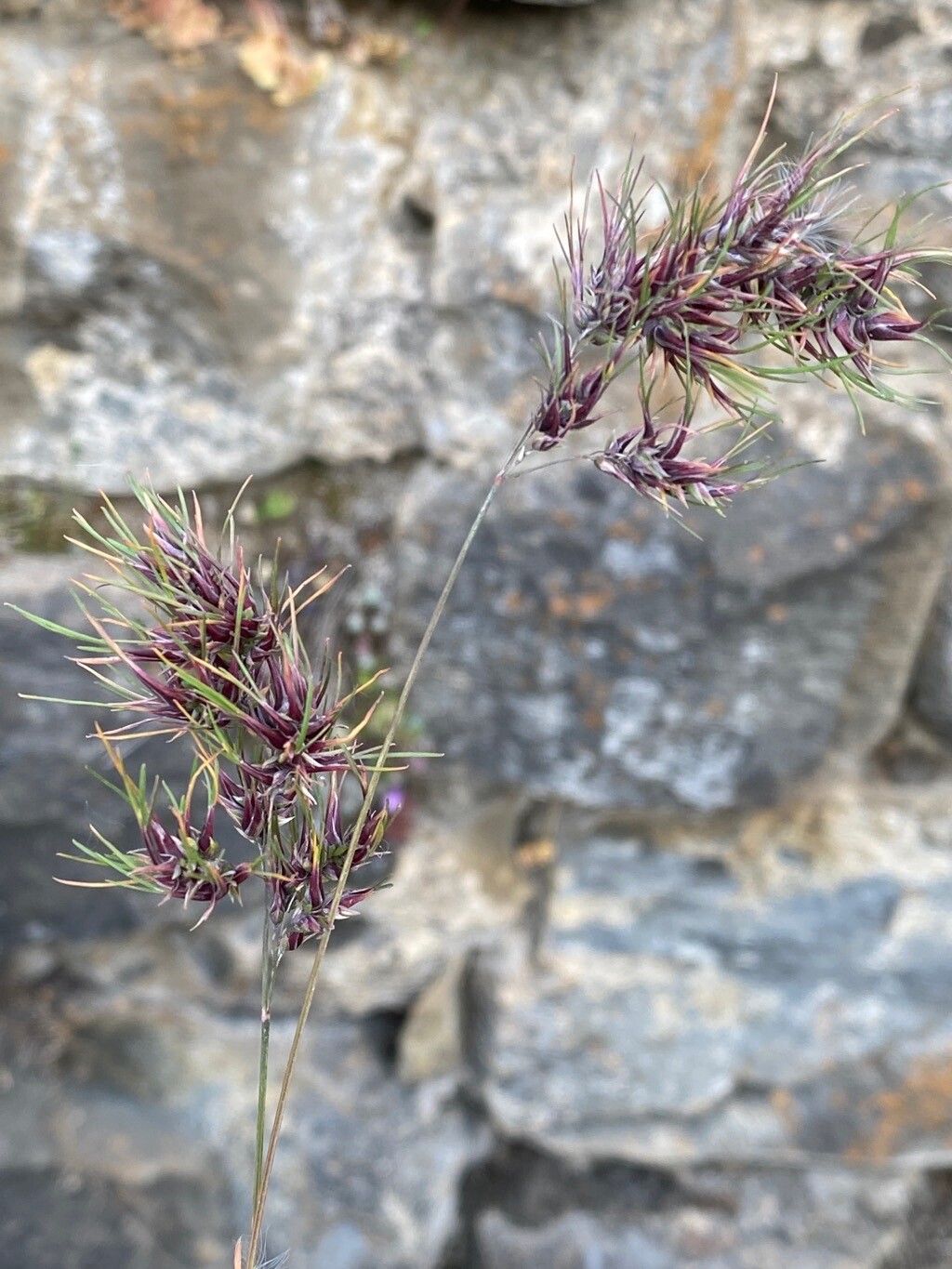
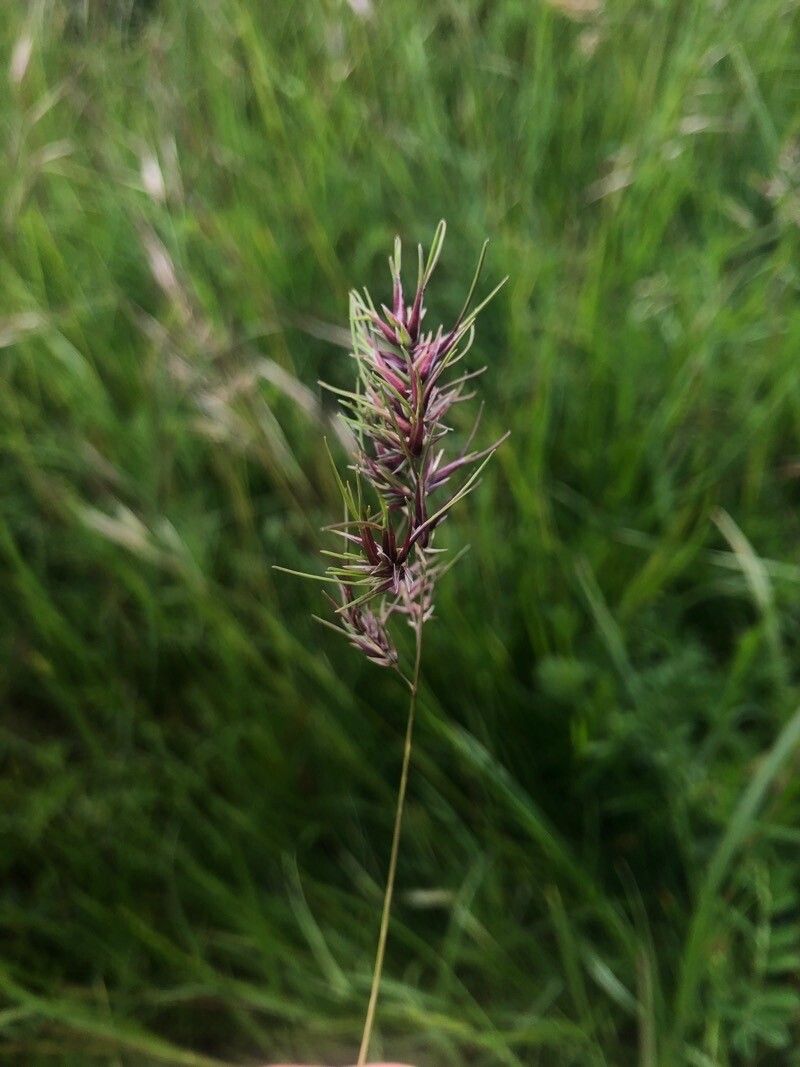
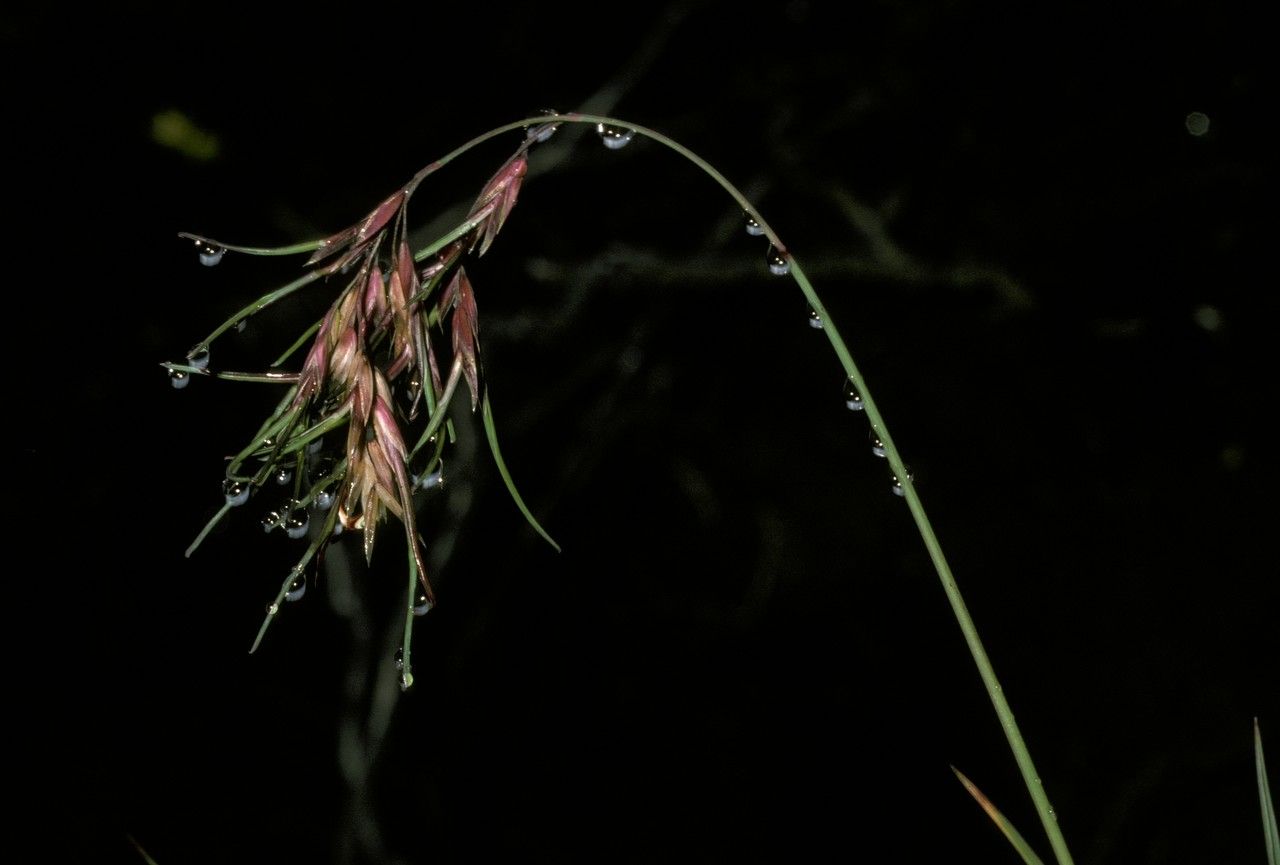
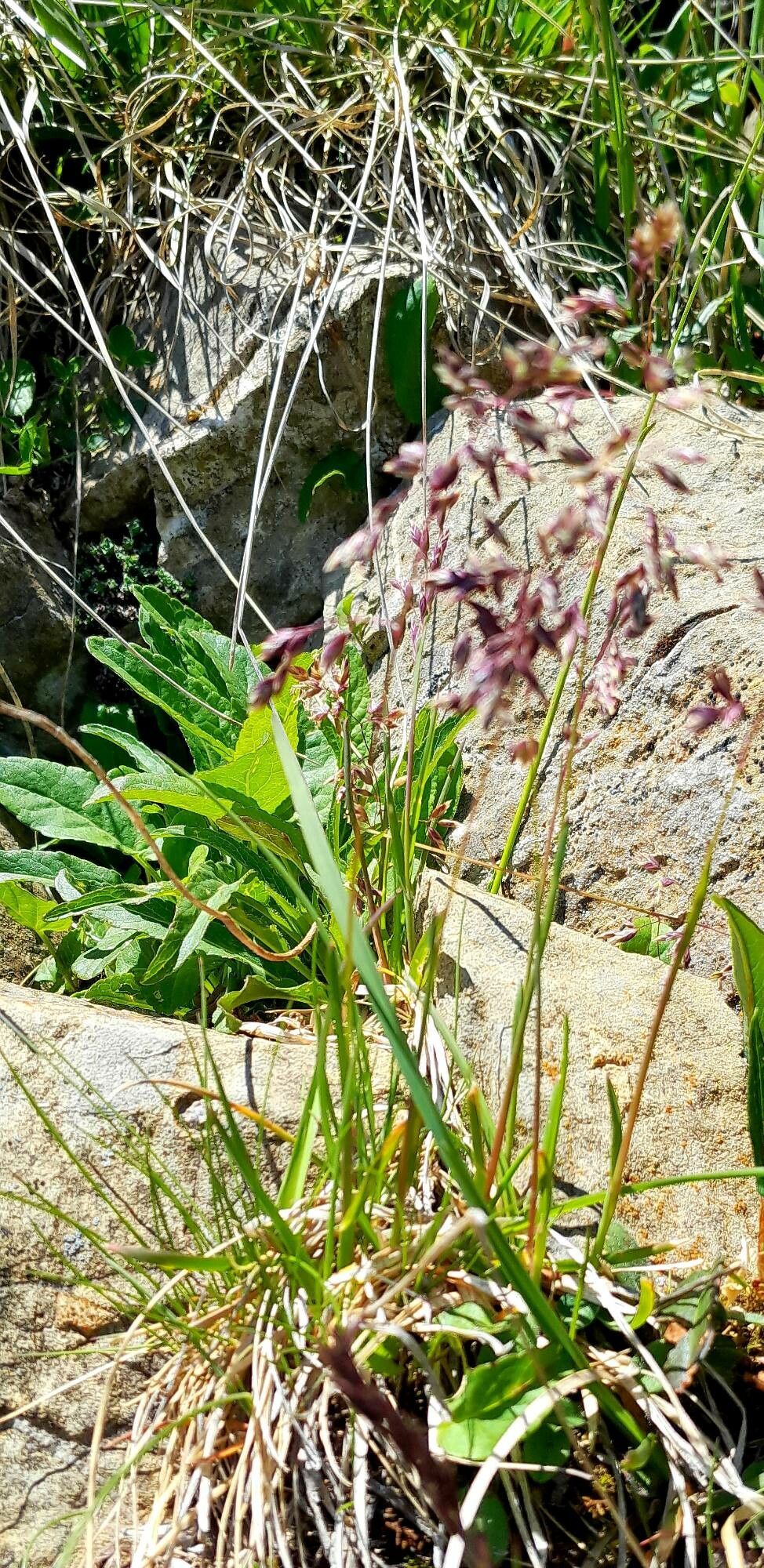
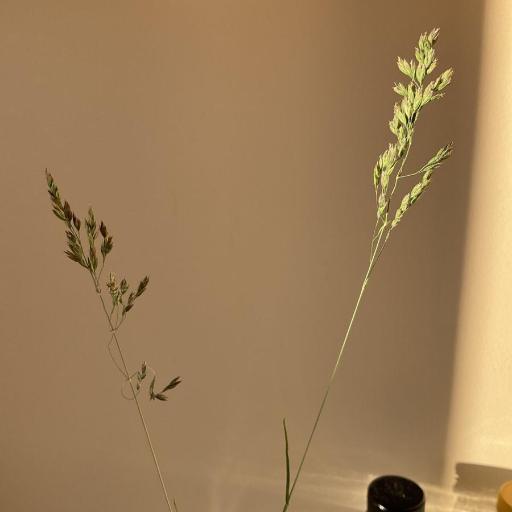
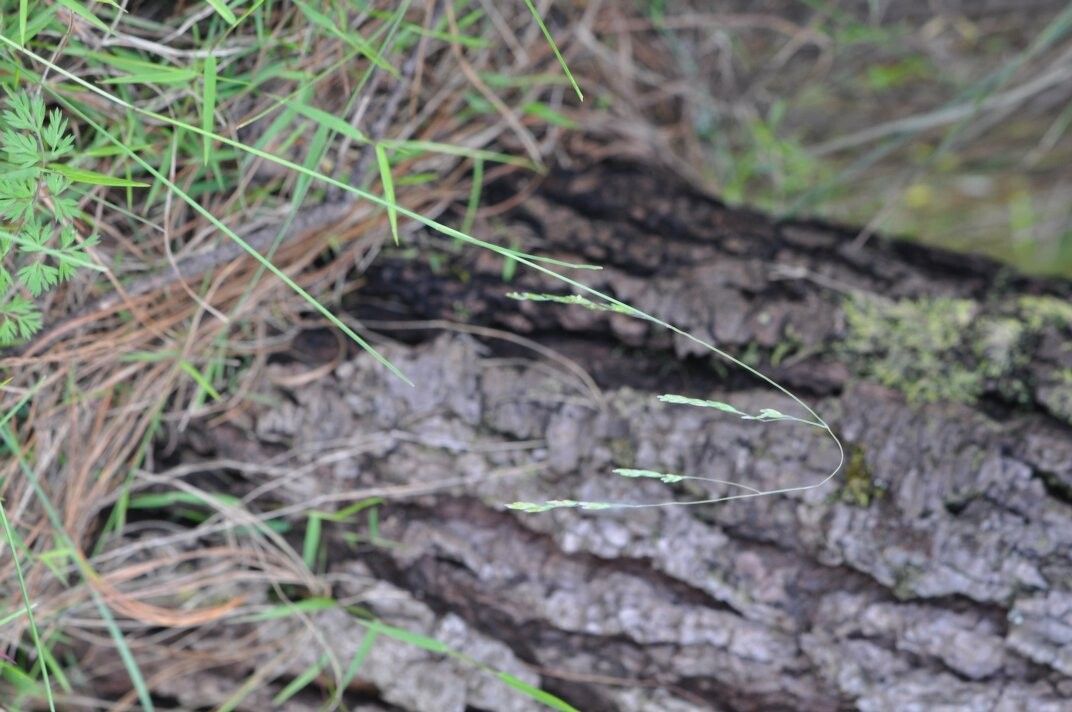
Poa bulbosa, commonly known as bulbous bluegrass or onion grass, is a perennial grass species within the Poaceae family. Native to Europe and Asia, it has been introduced and become naturalized in many regions worldwide, including North America.
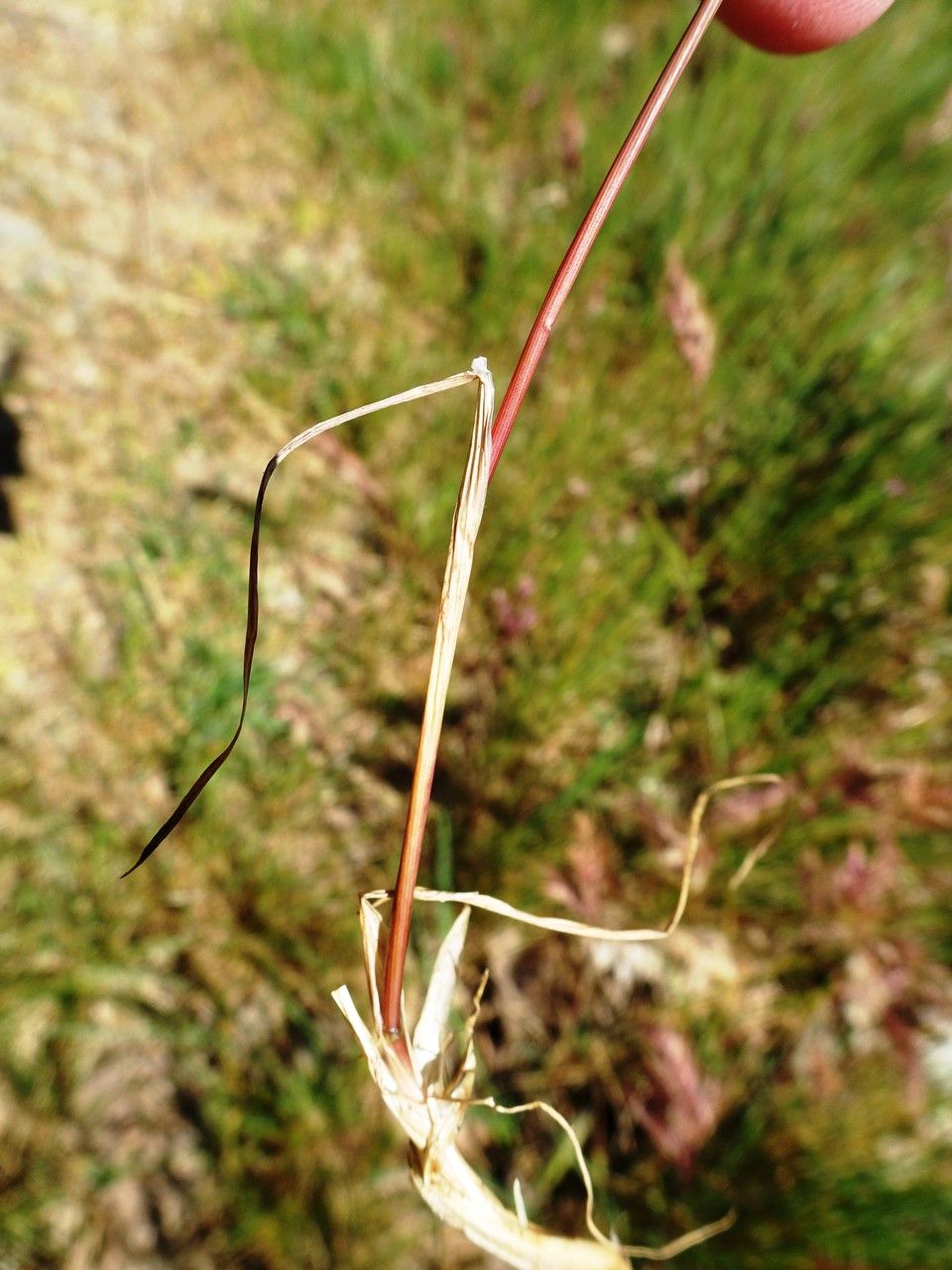
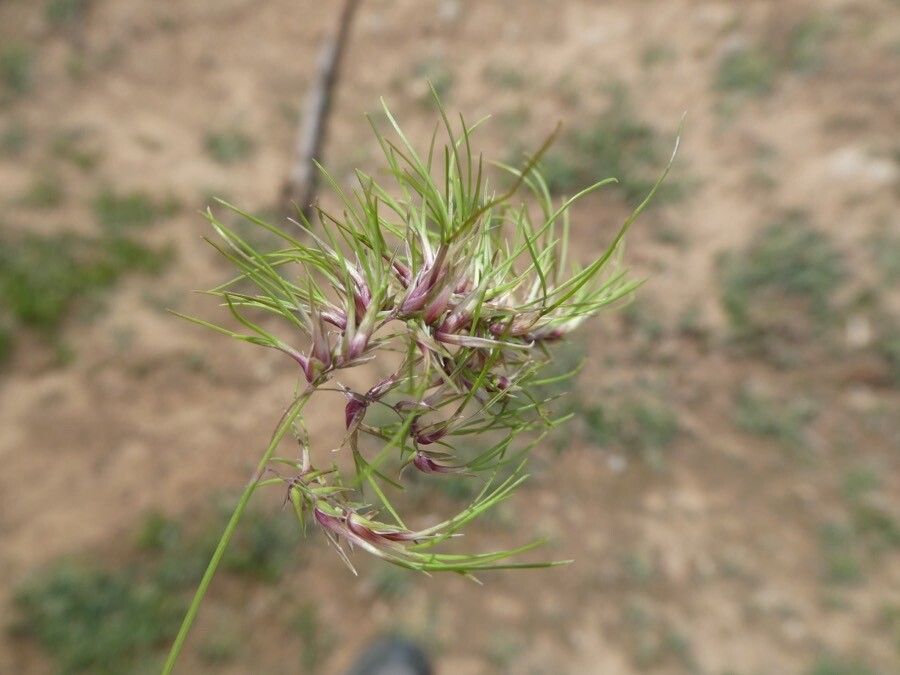
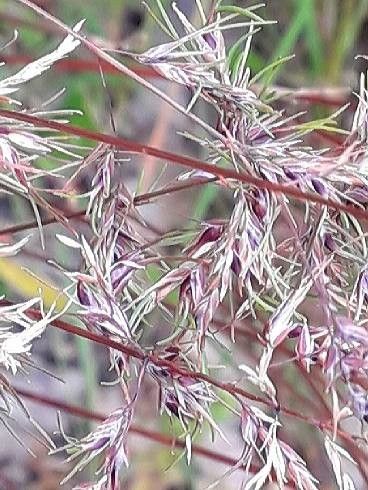
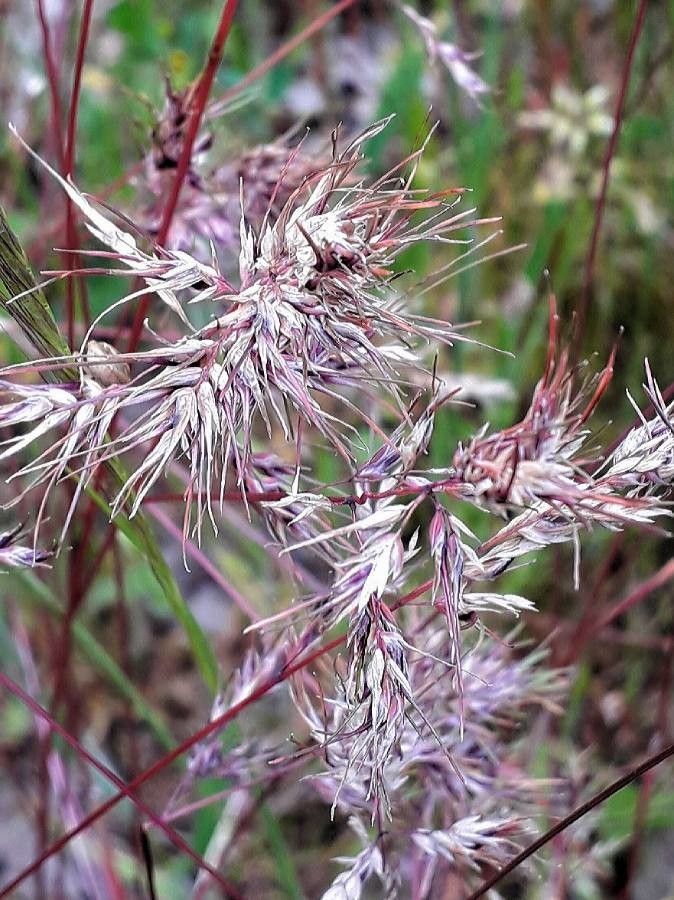
This plant has a distinctive appearance, marked by its onion-like bulbs growing at the base of its stem. The stem can reach up to 60 cm in height and is adorned with narrow, green or bluish-green leaves. Its small, inconspicuous flowers appear in clusters at the top of the stem during late spring or early summer.
Bulbous bluegrass thrives in moist soils but is also able to tolerate dry conditions. It grows well in both full sun and partial shade and is commonly found along roadsides, in meadows, pastures, lawns, gardens, and other disturbed areas.
Although it might be considered an invasive species due to its capability to spread rapidly through underground bulbs (known as corms), it offers some benefits, such as providing forage for livestock in early spring when other plants have not yet begun to grow.
Overall, Poa bulbosa is an intriguing plant with unique characteristics that make it easily recognizable among other grasses.
Bulbous bluegrass has good resistance to disease and is usually not prone to illnesses. Still, it can be affected by pests and diseases present in its environment, although these problems are generally mild. Regarding care, this plant requires a moderate level of maintenance. Regular pruning is necessary to preserve its appearance and encourage healthy growth. Applying fertilizer can also help stimulate flowering. Bulbous bluegrass is appropriate for anyone with an outdoor space, such as a garden or patio, and does not demand extensive plant-care experience. It may need more attention when grown indoors.
How to keep Poa Bulbosa.
Light
Bulbous bluegrass is a sun-loving, perennial herbaceous plant that originates in open habitats and is often found thriving in meadows and grasslands. It prefers full sun but can also tolerate partial sun conditions.
Water
Bulbous bluegrass flourishes in environments with moderate moisture, requiring weekly watering to stay healthy. While it can withstand brief dry periods, it benefits greatly from natural rainfall during its growing season. This supports the development of lush foliage in habitats such as grasslands and open woodlands.
Temperature
Bulbous bluegrass is native to climates where temperatures range from 59 to 89.6 °F (15 to 32 ℃). In its natural environment it prospers in these warmer conditions. When grown outside its native range, seasonal temperature adjustments may be necessary to keep bulbous bluegrass healthy.
Fertilizer
Typically, a single fertilizer application in spring is enough for Bulbous bluegrass, though repeated feedings can enhance growth. Apply fertilizer every one to one and a half months. Fertilization improves leaf appearance and function, helping maintain uniform color and a healthy texture. It also encourages root development and increases nutrient uptake for long-term plant health.
Pruning
For optimal growth, bulbous bluegrass benefits from pruning in early spring. Trim away any dead stems and excess foliage to promote vigorous growth, improve air circulation, and reduce the risk of disease. This results in a healthier and more attractive lawn. For more specific care instructions, refer to trusted horticultural resources.
Botanical profile.
- Plant Type
- Herb
- Life Cycle
- Perennial
- Genus
- Poa
- Family
- Poaceae
- Hardiness Zone
- 7
- Mature Height
- 15 cm to 61 cm
- Mature Spread
- 10 cm to 30 cm
- Leaf Color
- Light Green, Pale Green
- Leaf Type
- Semi-evergreen
- Flower Color
- Yellow, Green, Red
- Flower Size
- 0.25 cm to 0.51 cm
- Bloom Time
- Early spring, Mid spring
- Planting Time
- Spring, Summer, Autumn
- Harvest Time
- Mid spring, Late spring
- Native Area
- Libya, Turkey, Austria, Sweden, Pakistan, Morocco, Uzbekistan, Russia, Iraq, Germany, Oman, Romania, Belgium, Portugal, Nepal, Saudi Arabia, France, Netherlands, Tunisia, Sudan, Cyprus, Bulgaria, Poland, Greece, Ukraine, China, Norway, Afghanistan, Italy, Kazakhstan, Spain, Switzerland, Denmark, Finland, Israel, Iran, Albania, United Kingdom, Hungary, Algeria, Turkmenistan
Other names.
Reader questions.
How should I water my Bulbous bluegrass to make it grow well?
To water the Bulbous bluegrass effectively, follow these guidelines: Choose filtered water at room temperature to avoid harmful particles found in tap water. This plant prefers slightly warmer water due to its origin in a warm environment; cold water can be a shock. Avoid overhead watering to prevent foliage issues. Instead, thoroughly soak the soil with filtered room temperature water. This practice benefits the plant by moisturizing its roots and allowing them to spread through the soil to gather necessary nutrients.
What requirements does bulbous bluegrass have for sunlight?
Bulbous bluegrass, known botanically as Poa bulbosa, is a perennial herbaceous plant that thrives in open habitats like meadows and grasslands. It has a preference for full sun, requiring more than 6 hours of sunlight daily, but can also tolerate partial sun conditions, which entail about 3-6 hours of sunlight. It's important to watch how sunlight moves through your garden, choosing spots that offer a balance of light and shade to ensure the well-being of your plants.
What are the ideal temperature conditions for bulbous bluegrass?
Bulbous bluegrass is naturally suited to warmer climates, thriving in temperatures that range from 59 to 89.6 °F (15 to 32 °C). It possesses strong cold resistance, making it capable of surviving without specialized frost protection in many environments. However, when winter temperatures are forecasted to fall below -15°C, providing cold protection is crucial. This can include covering the plant with soil or straw and ensuring the plant is well-watered before the first freeze, to keep the soil moist throughout winter and early spring.
What should I do if I give my Bulbous bluegrass too much or too little water?
Overwatering poses a greater risk than underwatering to the health of your Bulbous bluegrass. When this species has too much water, its stems and leaves may wilt and turn yellow. Overwatering for a long time can also lead to diseases like root rot, mold, and mildew, which can be fatal for the plant. On the other hand, underwatering is less common since the Bulbous bluegrass can tolerate drought. However, if underwatering does occur, you may notice brittle, brown leaves. To care for your Bulbous bluegrass, it's crucial to detect signs of overwatering early. Diseases like root rot may not be fixable if you wait too long. If you see early signs of overwatering, reduce watering immediately and check the soil quality. If the soil drains poorly, replace it with a loose, well-draining potting mix. Conversely, if you notice signs of underwatering, simply water the plant more regularly until the signs disappear.
How can artificial lighting help bulbous bluegrass grow indoors?
For bulbous bluegrass grown indoors or in areas with insufficient natural sunlight, especially during winter or in less sunny spaces, artificial lighting serves as a crucial solution for optimal growth. LED lights are recommended due to their capability to be tailored to specific plant light wavelength needs. Full sun plants require 30-50W/sq ft, partial sun plants need 20-30W/sq ft, and full shade plants 10-20W/sq ft of artificial light. The light source should be placed 12-36 inches above the plant to mimic natural sunlight, ensuring the plant receives 8-12 hours of light daily.
How should bulbous bluegrass be cared for in low temperatures?
Bulbous bluegrass is capable of withstanding cold temperatures and is most vigorous when kept above 15°C. It's important to keep the plant above -10°C during winter months. If temperatures fall below -15°C, the plant may show no visible signs of distress during winter, but this can lead to a decrease in sprouting or even no sprouting in spring. To care for it during spring, any parts of the plant that have failed to sprout should be removed to encourage new growth.
How many times should I water my Bulbous bluegrass?
If your Bulbous bluegrass is in a pot, the most precise way to determine if it needs water is to check the soil by inserting your finger into it. If the top two to three inches of the soil feel dry, then it is time to water the plant. If you are growing your Bulbous bluegrass outdoors in the ground, you can use a similar method to test the soil. Once again, if the top few inches of soil have become dry, it is time to water. In the spring and early fall, following this method will usually mean watering about once a week. However, during hot weather, you may need to water twice or more per week. Nevertheless, mature and well-established Bulbous bluegrass plants can tolerate drought well.
What are the symptoms of inadequate lighting for bulbous bluegrass?
When bulbous bluegrass is exposed to insufficient lighting, it may exhibit various symptoms indicating stress or poor health. These include smaller new leaves, leggy or sparse growth, accelerated leaf drop, slower or stopped growth, lighter-colored new leaves, chlorosis (leaves turn yellow), sunscald, leaf curling, wilting, and leaf scorching. These signs reflect the plant's struggle to adapt to low light conditions and its efforts to conserve resources.
What should be done if bulbous bluegrass is exposed to high temperatures?
Bulbous bluegrass thrives in conditions below 32°C but may suffer when exposed to temperatures above 35°C. Symptoms of heat stress include leaves becoming lighter in color, curling, susceptibility to sunburn, and in severe cases, the plant wilting and drying out. To mitigate these effects, trim away sunburned and dried-up parts of the plant. It's beneficial to move the plant to a shaded location or use a shade cloth to protect it from direct midday and afternoon sun. Additionally, watering the plant in the morning and evening can help keep the soil adequately moist.
How much water does my Bulbous bluegrass plant need?
When watering your Bulbous bluegrass, don't be afraid to give it plenty of water. Make sure the top two to three inches of soil are dry before watering, and then thoroughly soak the soil until the water drains out of the bottom of the pot. If you don't see excess water draining, you may not have watered enough. However, be careful not to let water build up in the soil, as this can harm the plant. If you're watering the plant outside, about 1 inch of rain per week should be enough. Avoid using poorly draining soils, as this can negatively affect the plant's health.
What solutions are recommended for bulbous bluegrass experiencing inadequate lighting?
To address inadequate lighting for bulbous bluegrass, gradually acclimate plants to brighter conditions by moving them weekly until they receive at least 6 hours of direct sunlight daily. Indoors, using a south-facing window or supplemental artificial light for at least 8 hours a day can significantly improve light exposure. Outdoors, it's crucial to transition plants gently to sunnier spots to prevent sunburn. Additionally, reducing obstructions such as tree branches can enhance sunlight access. For smaller plants, consider transplanting during their dormant period to a location with better sunlight and drainage. Note that parts of the plant affected by insufficient sunlight might not recover, but new growth will be healthy with improved light conditions.
How do I water my Bulbous bluegrass when it's growing at different stages?
The water needs of the Bulbous bluegrass vary throughout its growth stages. In the early years and after transplanting, it requires more water due to the development of new roots. These new roots need extra moisture to support future growth. However, as the plant matures, it needs less water. Additionally, during the bloom period, the Bulbous bluegrass may require additional water to support the development of its flowers.