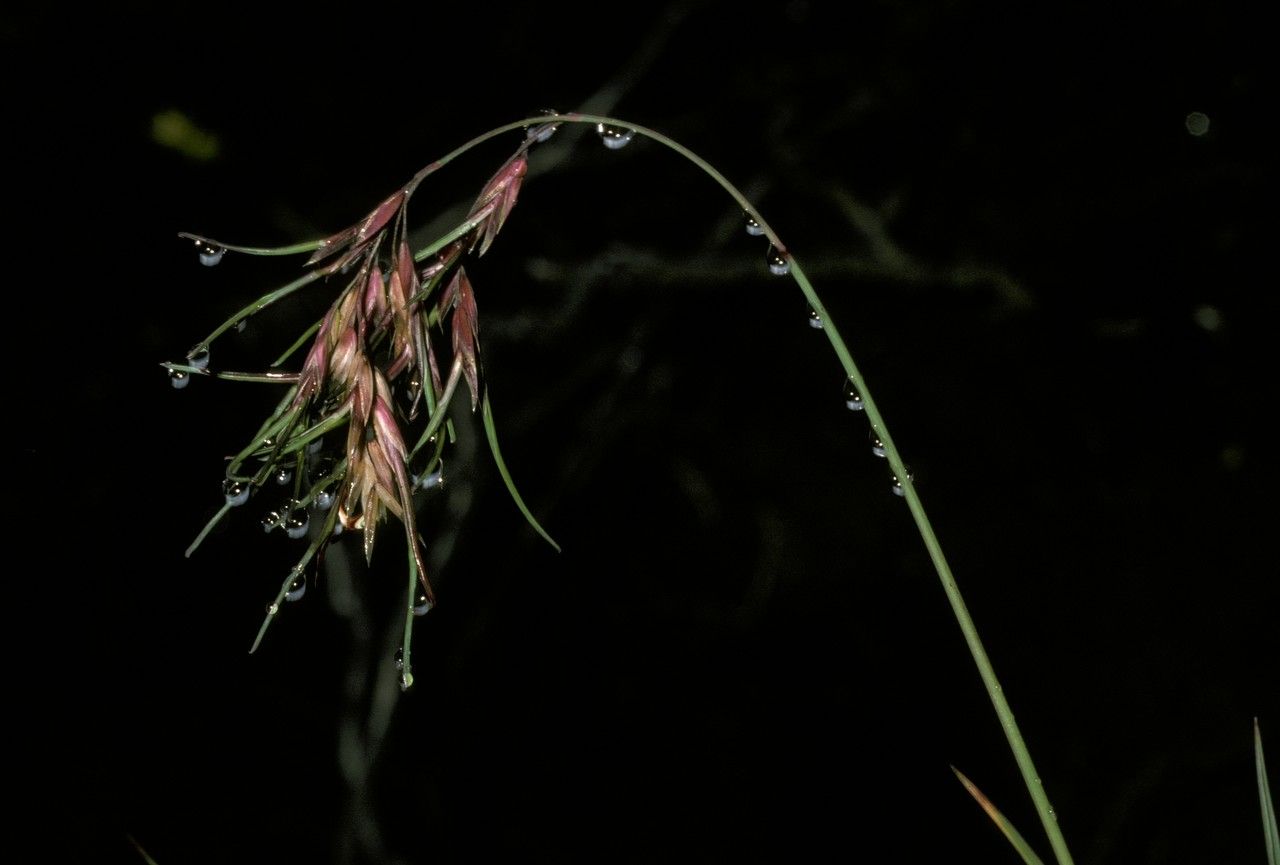
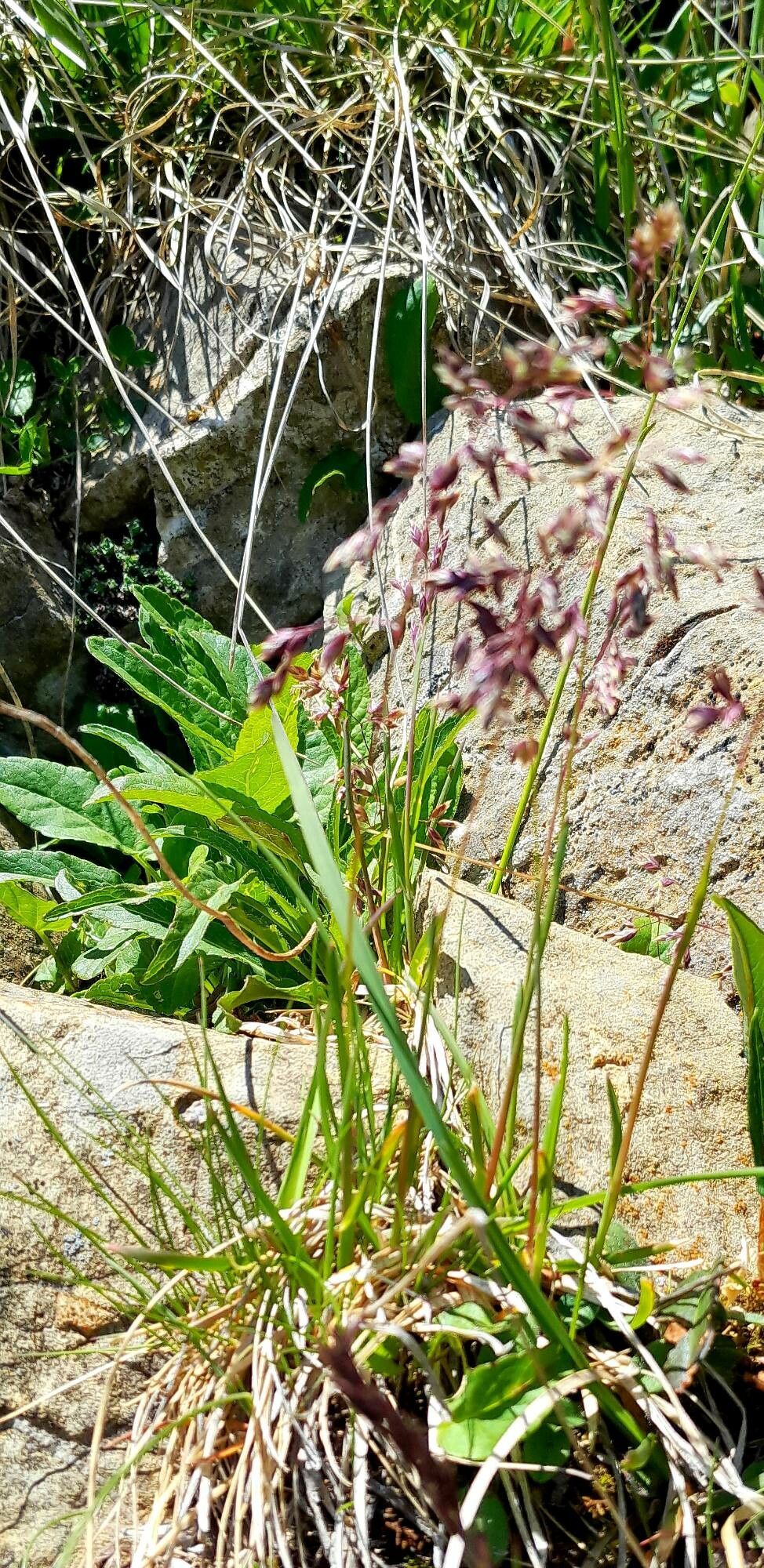
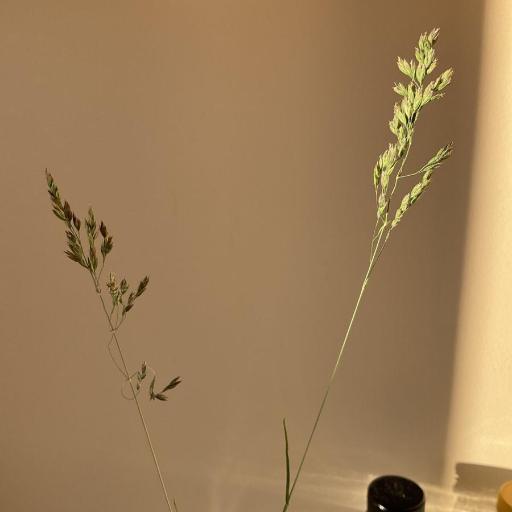
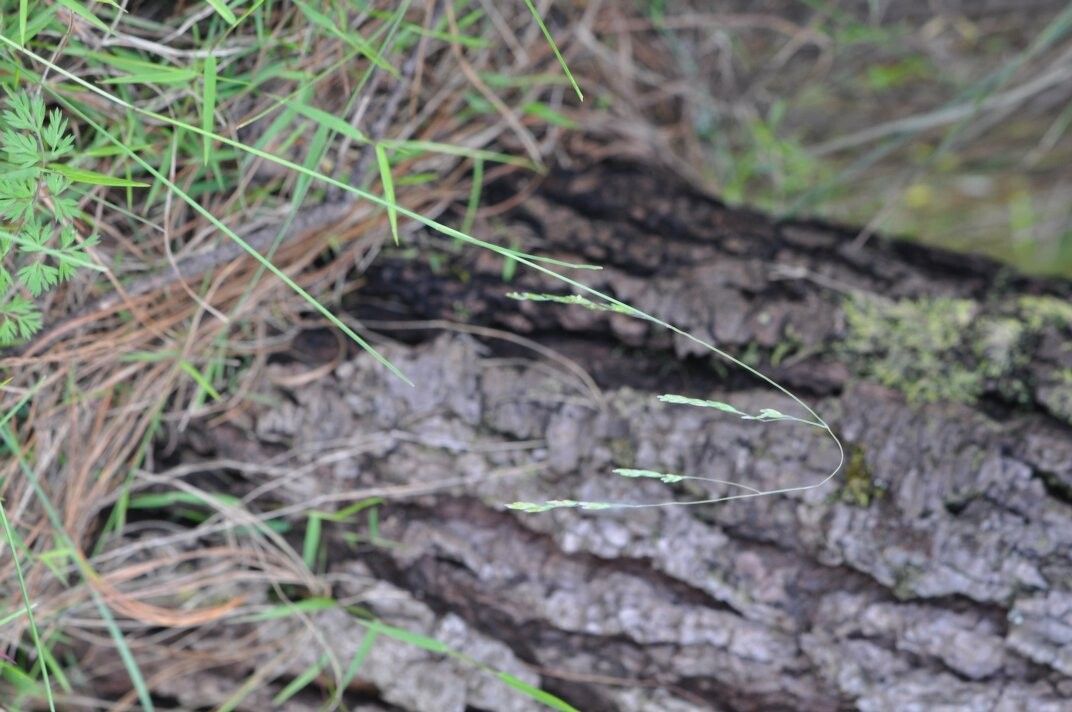
Poa cuspidata, commonly called early bluegrass, is a species of flowering plant in the grass family (Poaceae). It is native to the eastern United States, where its range extends from Appalachian regions into the Coastal Plain, where it is less common. In the Appalachian mountains, it is a common species found in forest openings.Poa cuspidata derives its common name from its early flowering period, which begins in March with the very first spring wildflowers. Within its range, other Poa generally bloom later in the spring season.
Early bluegrass is resistant to disease and typically not susceptible to illnesses. As for care, this plant is fairly low-maintenance. When grown outdoors it needs only minimal watering, and larger plants usually do not require pruning. Smaller plants, however, should be pruned after they finish blooming. Early bluegrass is appropriate for anyone with an outdoor area, such as a garden or a deck, and does not demand much experience in plant care.
How to keep Poa Cuspidata.
Light
Early bluegrass is native to habitats like forest understories and rocky areas, where it grows in natural shade. It prefers partial sun but can tolerate both full sun and full shade, demonstrating its versatility and hardiness.
Fertilizer
Early bluegrass needs extra nutrients to encourage healthy new growth. In spring, placing compost around the plant's base can supply the nourishment it requires. Fertilizing helps promote vigorous growth and improves the plant's resistance to diseases and pests.
Botanical profile.
- Plant Type
- Grass
- Life Cycle
- Perennial
- Genus
- Poa
- Family
- Poaceae
- Hardiness Zone
- 4-8
- Mature Height
- 30 cm to 61 cm
- Mature Spread
- 15 cm to 30 cm
- Leaf Color
- Light Green, Forest Green
- Leaf Type
- Deciduous
- Flower Size
- 0.20 cm to 0.51 cm
- Bloom Time
- Early spring, Mid spring
- Planting Time
- Spring, Autumn
- Harvest Time
- Mid spring, Late spring, Early summer
- Native Area
- Georgia