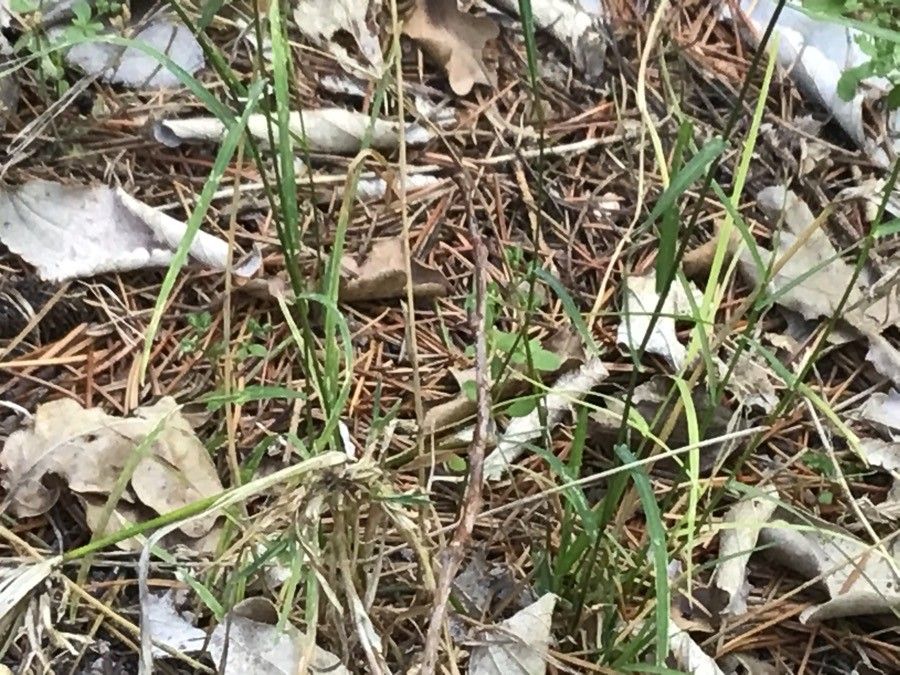
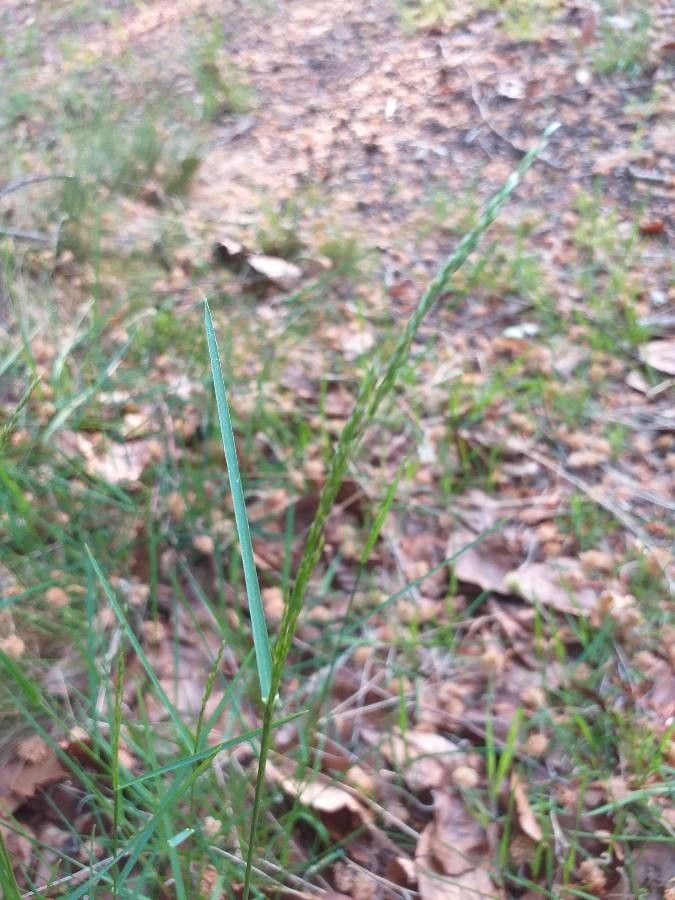
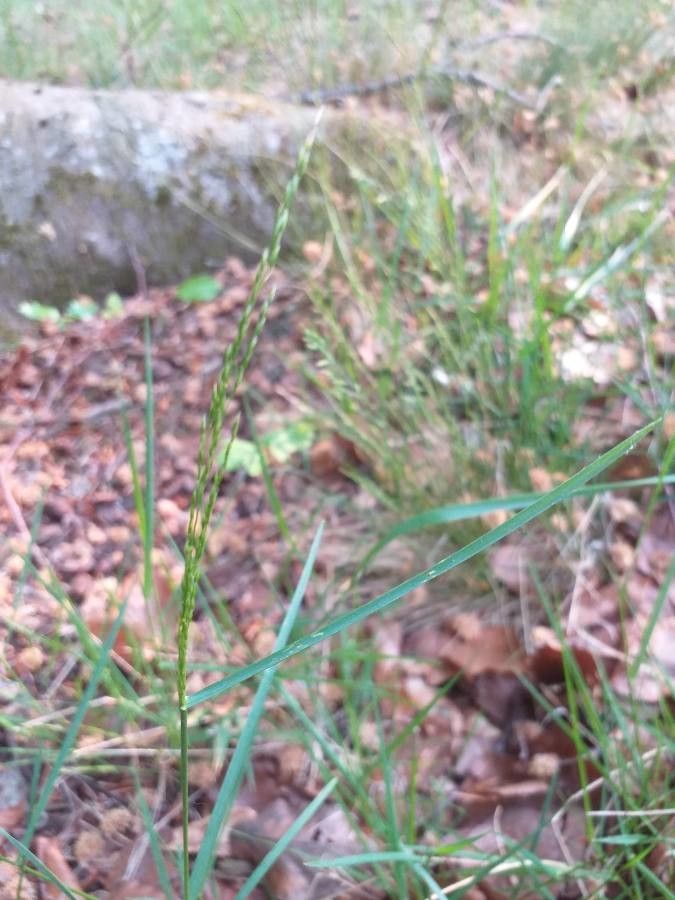
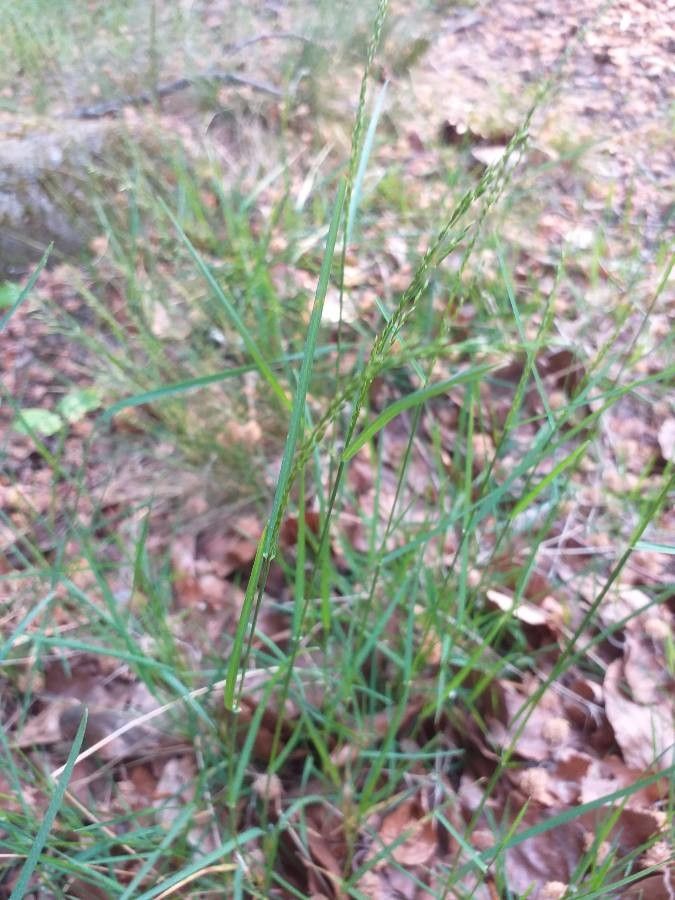
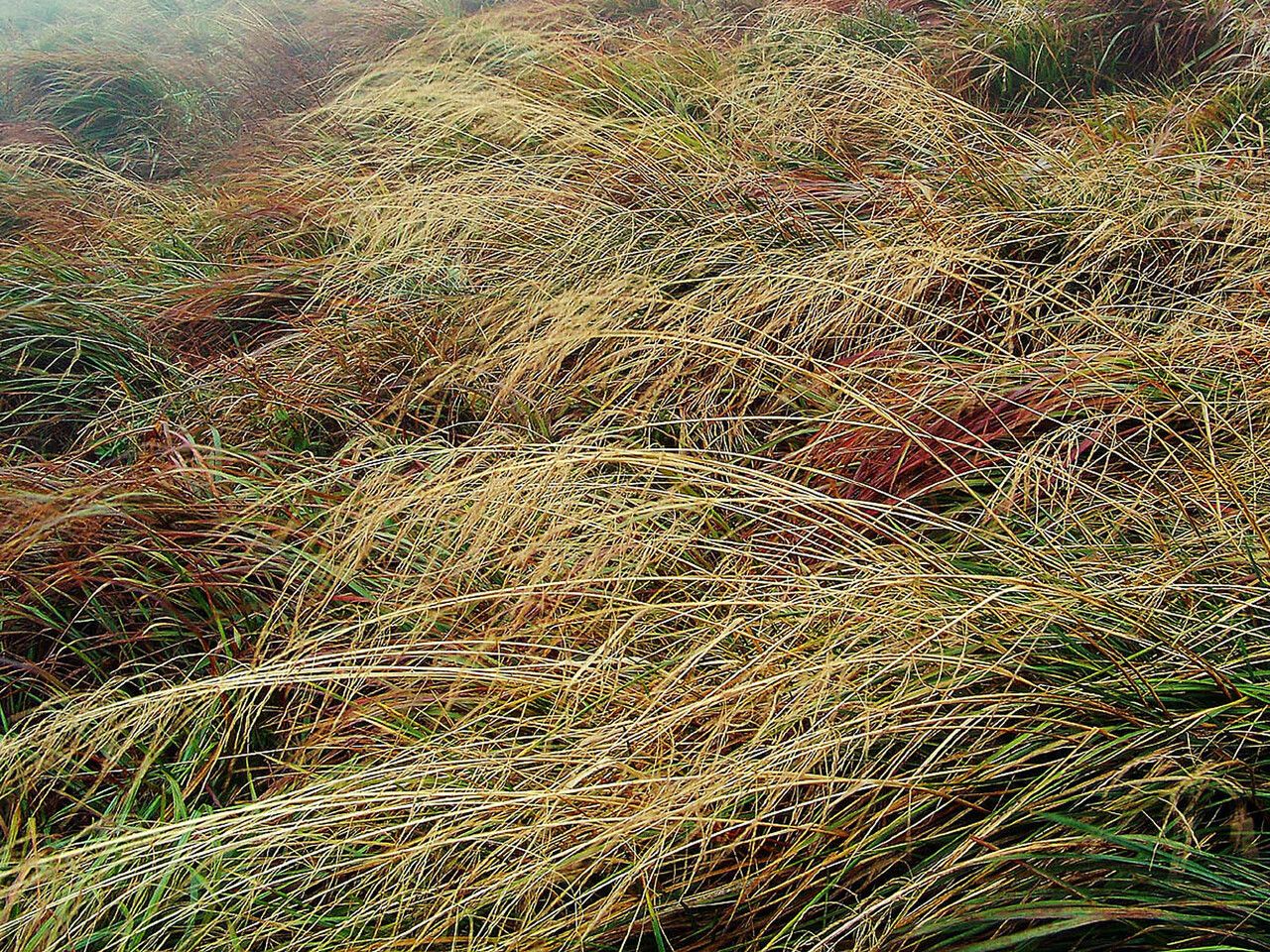
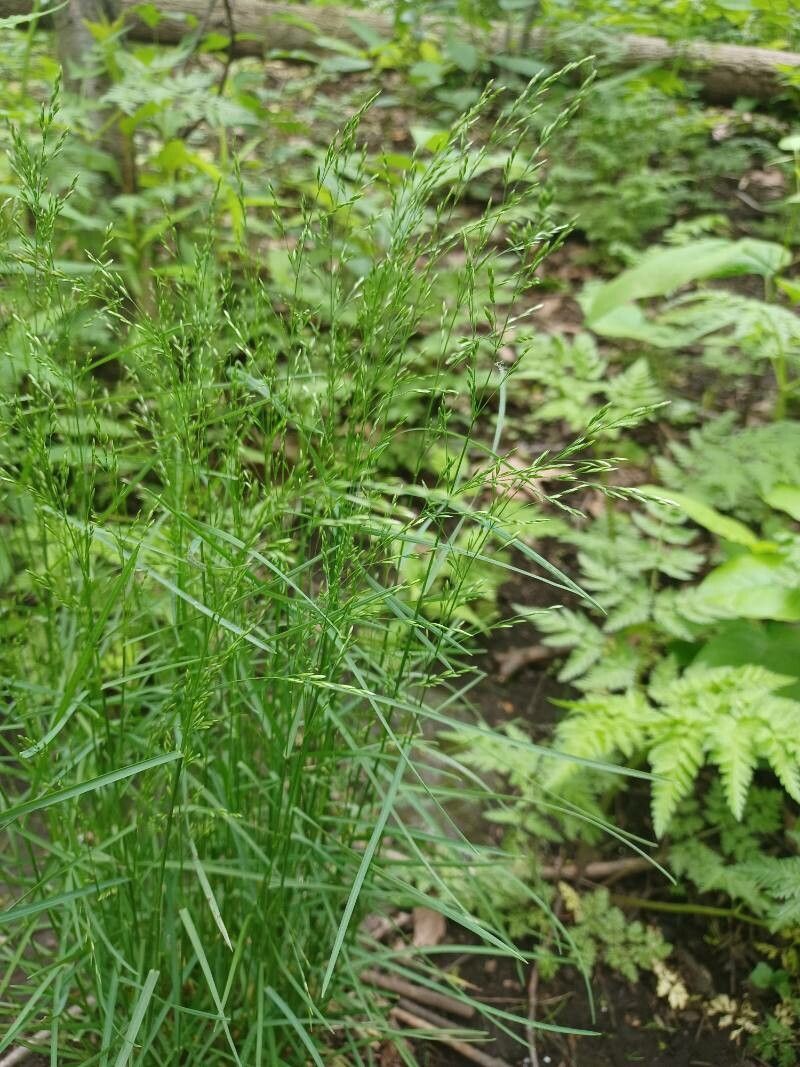
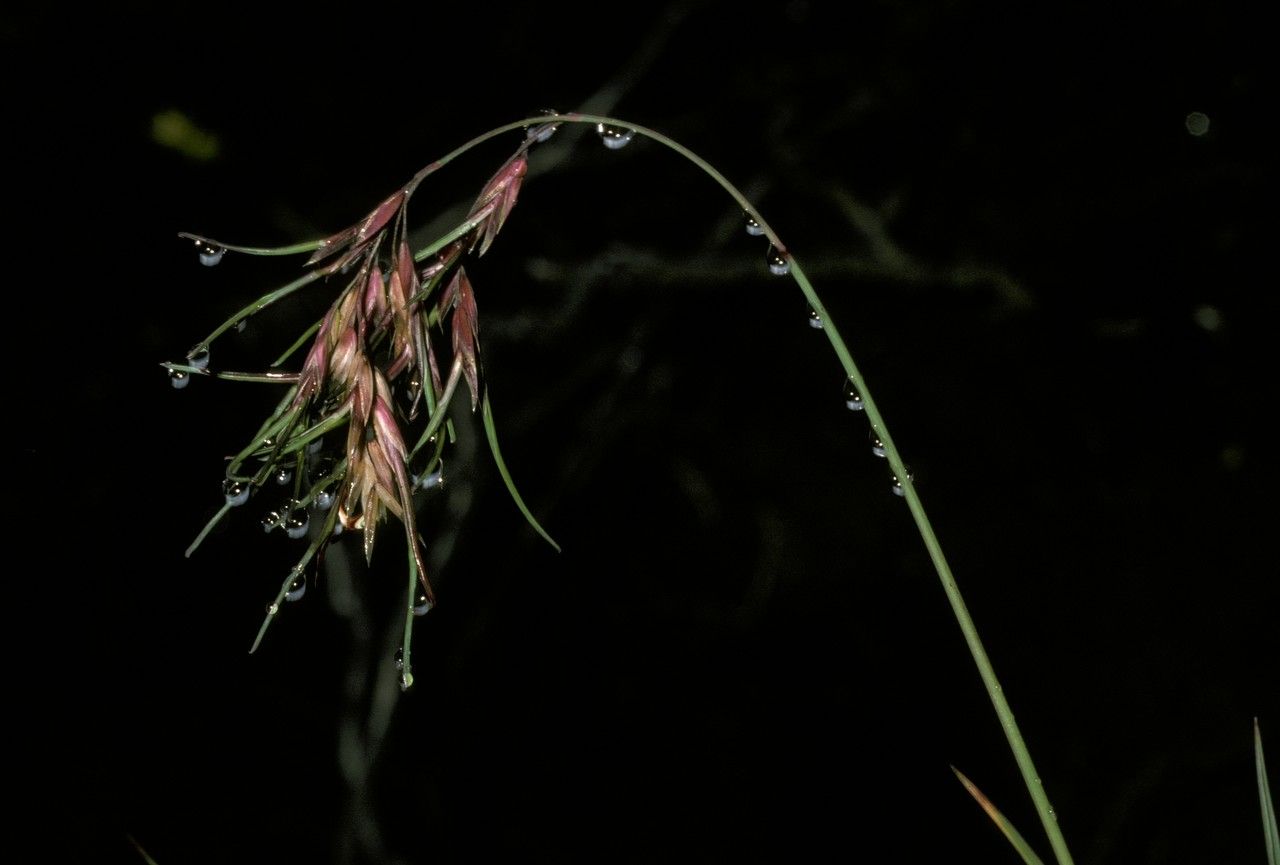
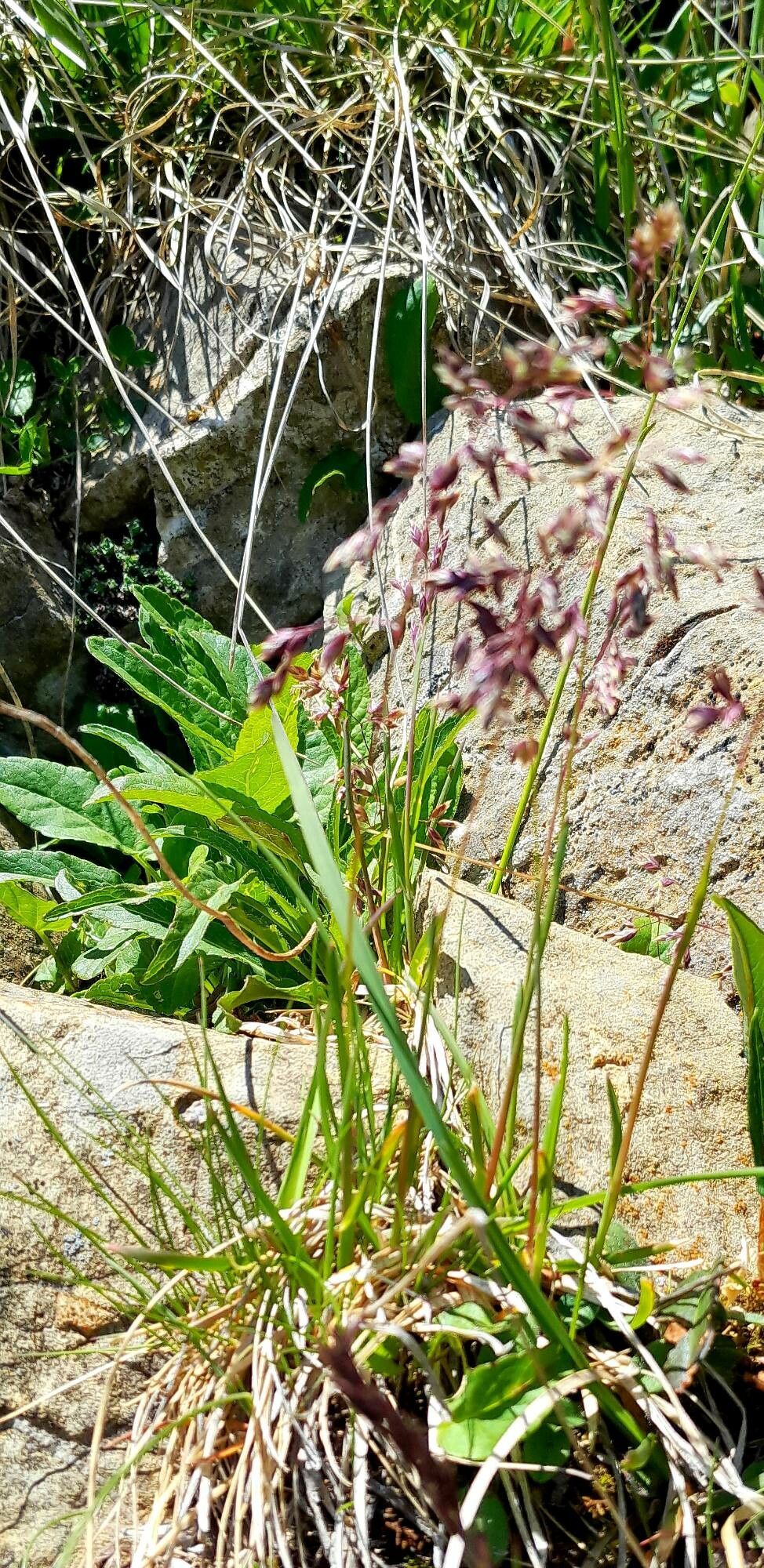
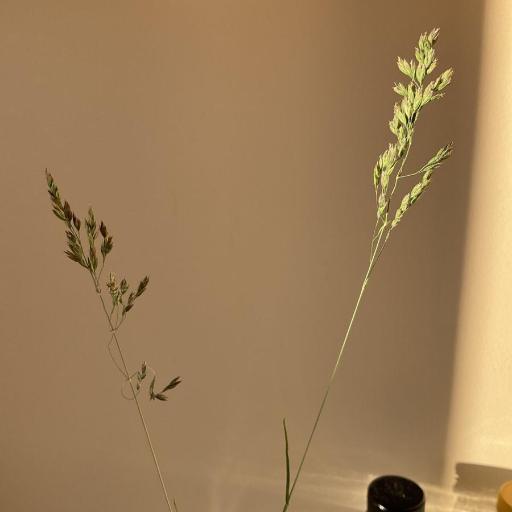
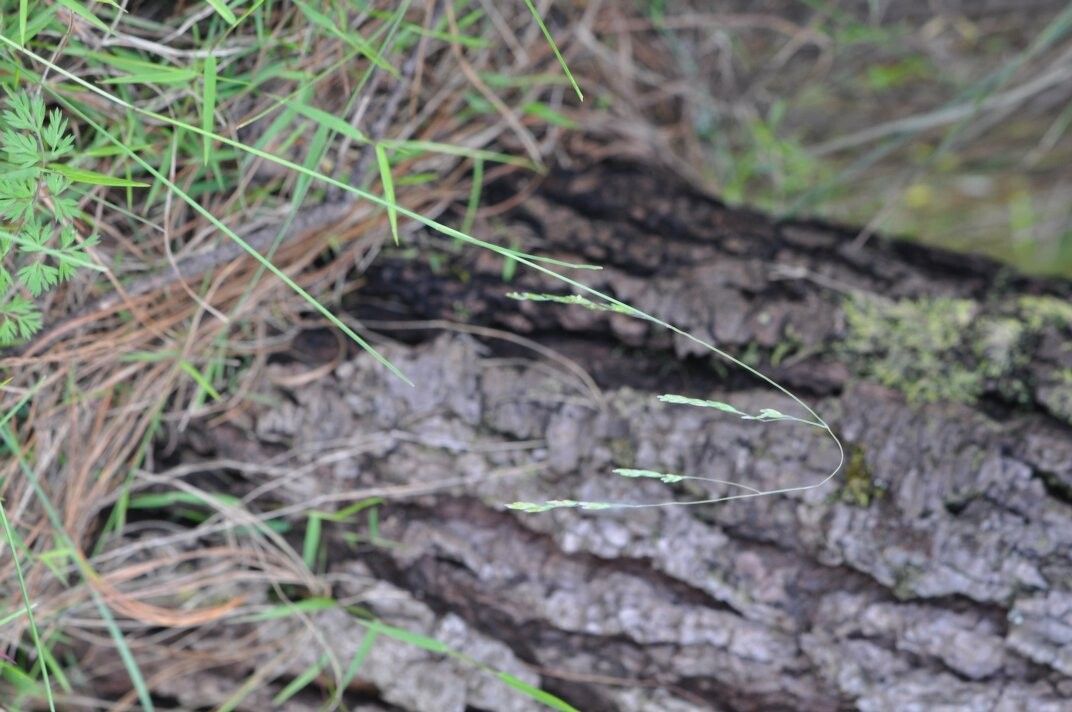
Poa nemoralis, commonly known as woodland bluegrass, is a cool-season perennial grass native to Europe and Asia. This grass features a tufted growth habit and can reach heights of up to 60 cm. The narrow, flat leaves have a bluish-green coloration, which is the origin of its common name.
Woodland bluegrass thrives in moist soils with good drainage and can tolerate partial shade. It is often found in woodlands, meadows, hedgerows, and along roadsides.
This grass species is valued for its high nutritional content, making it an excellent choice for forage production and livestock grazing. Its attractive foliage also makes it popular as an ornamental plant in landscaping.
Poa nemoralis produces small, wind-pollinated flowers during the summer. The seeds are dispersed by wind or animals, such as birds and rodents.
Overall, Poa nemoralis is a versatile and attractive cool-season perennial grass. Its dual utility—offering both ornamental value in landscaping and nutritional benefits for livestock grazing—make it an important species both ecologically and economically.
Wood bluegrass resists disease well and is typically not vulnerable to illnesses. As for maintenance, this plant is fairly low-maintenance. When grown outdoors it needs only light watering, and larger specimens usually do not require pruning. Smaller plants, however, should be trimmed after they finish flowering. Wood bluegrass is suitable for anyone with an outdoor area, such as a garden or deck, and does not call for extensive care experience.
How to keep Poa Nemoralis.
Light
Wood bluegrass performs best with plentiful sunlight. It can still grow in places where the sun is less intense. Too much sun can be damaging, resulting in wilting or browning. Its native habitat also receives a generous amount of sunlight, supporting its healthy growth and vigor.
Water
Wood bluegrass thrives in shaded woodland areas with consistently moist conditions and, once established, can tolerate moderate drought. For optimal growth, it is essential to water it weekly. Although primarily grown outdoors, wood bluegrass benefits from natural rainfall, which makes it a low-maintenance option for temperate climates.
Temperature
Wood bluegrass is indigenous to cooler climates and therefore performs best at temperatures from 32 to 70 °F (0 to 21 °C). During hotter seasons, take care to provide a cooler environment.
Fertilizer
Wood bluegrass is a cool-season grass that primarily grows in spring and fall. It becomes dormant in winter and its growth slows in summer. Applying appropriate fertilizers in spring can supplement nutrients and encourage vigorous, dense growth. Well-fed lawns are greener, resilient, and resistant to pests and weeds.
Pruning
Wood bluegrass is a shade-tolerant grass with delicate foliage. To promote growth and prevent overcrowding, prune it between early and late spring. During its active growth phase, concentrate on cutting the stems down to the base. This will encourage healthy development and reduce the risk of disease.
Botanical profile.
- Plant Type
- Grass
- Life Cycle
- Perennial
- Genus
- Poa
- Family
- Poaceae
- Hardiness Zone
- 1
- Mature Height
- 30 cm to 76 cm
- Mature Spread
- 3.05 m
- Leaf Color
- Green
- Leaf Type
- Evergreen
- Flower Color
- Yellow, Green, Brown
- Flower Size
- 0.51 cm to 0.51 cm
- Bloom Time
- Late spring, Early summer, Mid summer
- Planting Time
- Spring, Summer
- Harvest Time
- Mid summer, Late summer, Early fall
- Native Area
- India, Austria, Turkey, Sweden, Slovakia, Pakistan, Croatia, Slovenia, Morocco, Belarus, Uzbekistan, Russia, Germany, Iceland, Estonia, Romania, Latvia, Belgium, Moldova, Portugal, Nepal, Netherlands, France, Tajikistan, Czech Republic, Bulgaria, Armenia, Poland, Greece, Ukraine, Serbia, Lebanon, Lithuania, Norway, China, Afghanistan, Italy, Kazakhstan, Spain, Switzerland, Denmark, Japan, Mongolia, Israel, Finland, Iran, Albania, Ireland, United Kingdom, Hungary, Algeria, Azerbaijan, Turkmenistan
Other names.
Reader questions.
How should I water my Wood bluegrass?
Wood bluegrass is typically grown as a lawn, so there are specific ways to water it. One option is to use a hose with a spray nozzle attachment, but the best method is setting up a sprinkler system. To ensure the right amount of water at the right time, it's even better to have a sprinkler system with a timer. When watering, use cool or room temperature water and do it in the morning. This allows the water to saturate the soil and any extra moisture can evaporate in the sunlight.
What are the sunlight requirements for Wood bluegrass?
Wood bluegrass (Poa nemoralis) thrives best with full exposure to sunlight, requiring more than 6 hours of sunlight daily. It can still grow under partial sun conditions, which is about 3-6 hours of sunlight. It's essential to understand the movement of sunlight through your garden to select the ideal spots that provide a perfect balance of light and shade, ensuring the plants' well-being. In its natural habitat, Wood bluegrass is accustomed to abundant sunlight, which is crucial for its healthy growth and vitality.
What is the ideal temperature range for Wood bluegrass to thrive?
Wood bluegrass, botanically known as Poa nemoralis, is native to cooler climates and flourishes best within the temperature range of 32 to 70 °F (0 to 21 °C). To ensure the plant thrives during the hotter seasons, it's crucial to maintain a cooler environment conducive to its growth.
What should I do if I give too much or too little water to my Wood bluegrass?
If you've overwatered your Wood bluegrass, don't worry - there are steps you can take to restore its health. One effective way is to aerate your lawn, as this will fix any compacted soil that could be preventing the excess water from draining properly. It's also a good idea to dethatch your Wood bluegrass in such a situation. On the other hand, if you've underwatered your Wood bluegrass, the solution is different. In these cases, allow your lawn to grow a bit longer before mowing it, and make sure to give it a little more water than before.
How does Wood bluegrass react to overexposure or insufficient sunlight?
When exposed to less sunlight than it requires, Wood bluegrass may not show immediate symptoms of light deficiency, but over time, issues such as smaller new leaves, leggy or sparse growth, faster leaf drop, slower or halted growth, lighter-colored new leaves, and chlorosis can occur. On the other hand, excessive sunlight can lead to symptoms like sunscald, leaf curling, wilting, leaf scorching, and chlorosis, indicating damage or stress from too much direct sun exposure.
How does Wood bluegrass handle cold weather and frosts?
Wood bluegrass exhibits high cold tolerance and does not require special frost protection measures during winter. However, to prepare for the first freeze in autumn, it's advisable to water the plant generously. This practice keeps the soil moist and allows it to enter a frozen state, ensuring that the plant is not deprived of water during the winter and early spring months.
How frequently should I water my Wood bluegrass grass?
The frequency of watering for your Wood bluegrass depends on where you live, the climate conditions, and the season. In cooler northern regions, watering once every 1-2 weeks is sufficient, while in southern latitudes, watering once a week is more common. However, if there is regular rainfall, you can adjust your watering schedule accordingly. Keep in mind that relying solely on rainfall may not be enough to keep your lawn alive. During summer, when the grass goes dormant, it may still need some water to prevent drying out, but it doesn't require water for new growth.
Can artificial lighting be used for Wood bluegrass and what are the recommendations?
Artificial lighting is a viable solution for Wood bluegrass when natural sunlight is not enough, especially during winter or in less sunny spaces. Optimal growth can be supported by using LEDs, which can be customized to specific plant needs, ensuring they receive the right wavelengths of light. Recommendations include providing 30-50W/sq ft of light for full sun plants, 20-30W/sq ft for partial sun plants, and 10-20W/sq ft for full shade plants. The light source should be placed 12-36 inches above the plant for 8-12 hours per day to mimic natural sunlight conditions effectively.
What should be done if Wood bluegrass experiences temperatures below its cold tolerance?
Wood bluegrass is extremely cold-tolerant, thriving even when winter temperatures drop. However, it is vital to ensure the temperature does not fall below -45°C, as it could hamper the plant's ability to sprout in spring. If the plant fails to sprout due to excessive cold, it is recommended to remove the non-sprouting parts come spring.
How much water does my Wood bluegrass require?
Understanding how much to water your Wood bluegrass is easy. Regardless of whether you live in the cooler north or the warmer south, you should give your Wood bluegrass about one inch of water each time you water it. However, during the peak of summer when the grass is dormant, it's best to give it light but appropriate waterings to protect it from the hot sun. The volume of water you provide will vary depending on the size of the area covered by your Wood bluegrass. For example, a large area of Wood bluegrass would require more water than a small lawn.
What solutions exist for Wood bluegrass experiencing insufficient sunlight?
To counter insufficient sunlight for Wood bluegrass, gradually acclimate the plant to brighter conditions by shifting it towards sunnier locations weekly until it receives at least 6 hours of direct sunlight. For indoor plants that are large or hard to move, supplementing with artificial light for at least 8 hours daily can be beneficial. Outdoors, ensure the plants are gradually introduced to more sunlight to prevent sunburn. If physical obstructions like trees block the sun, consider pruning them. For smaller plants that are overshadowed, transplanting during their dormant period to a sunnier spot with good drainage can help improve sunlight exposure and encourage healthy new growth.
How do you care for Wood bluegrass in high temperatures?
Wood bluegrass struggles in high temperatures, particularly when the mercury rises above 21°C, leading to halted growth and increased susceptibility to rot. To mitigate these effects, sunburned and dried parts should be trimmed away. Move the plant to a shaded location or use a shade cloth to protect it from the midday and afternoon sun. Additionally, watering the plant in the morning and evening helps keep the soil adequately moist, reducing the stress high temperatures place on the plant.