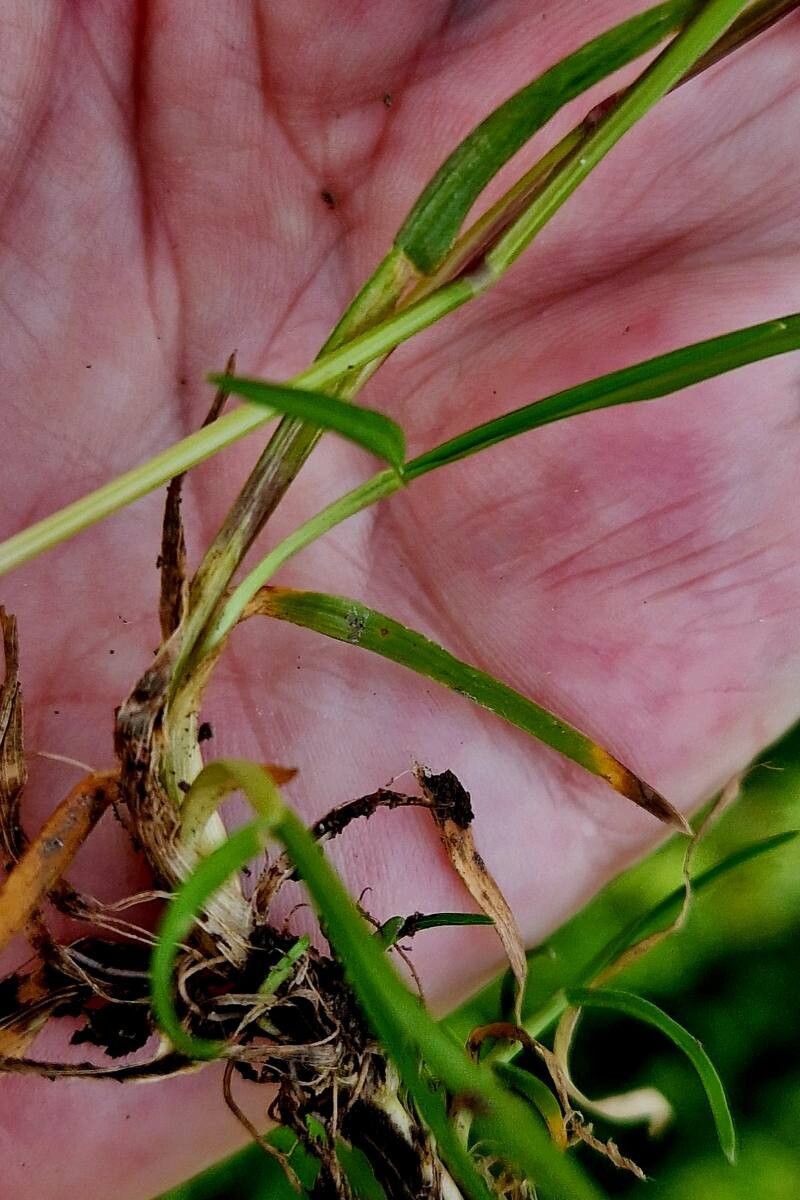
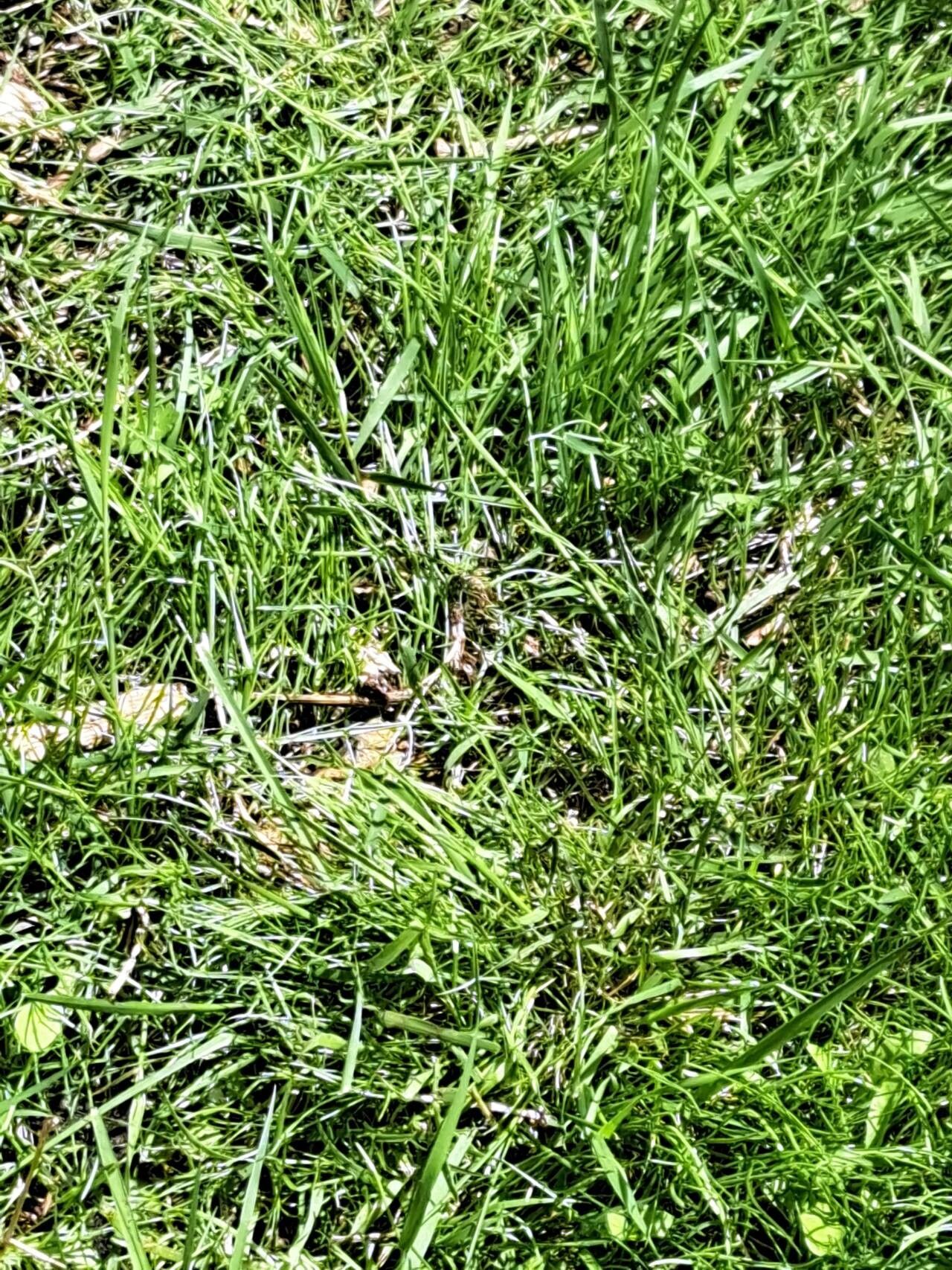
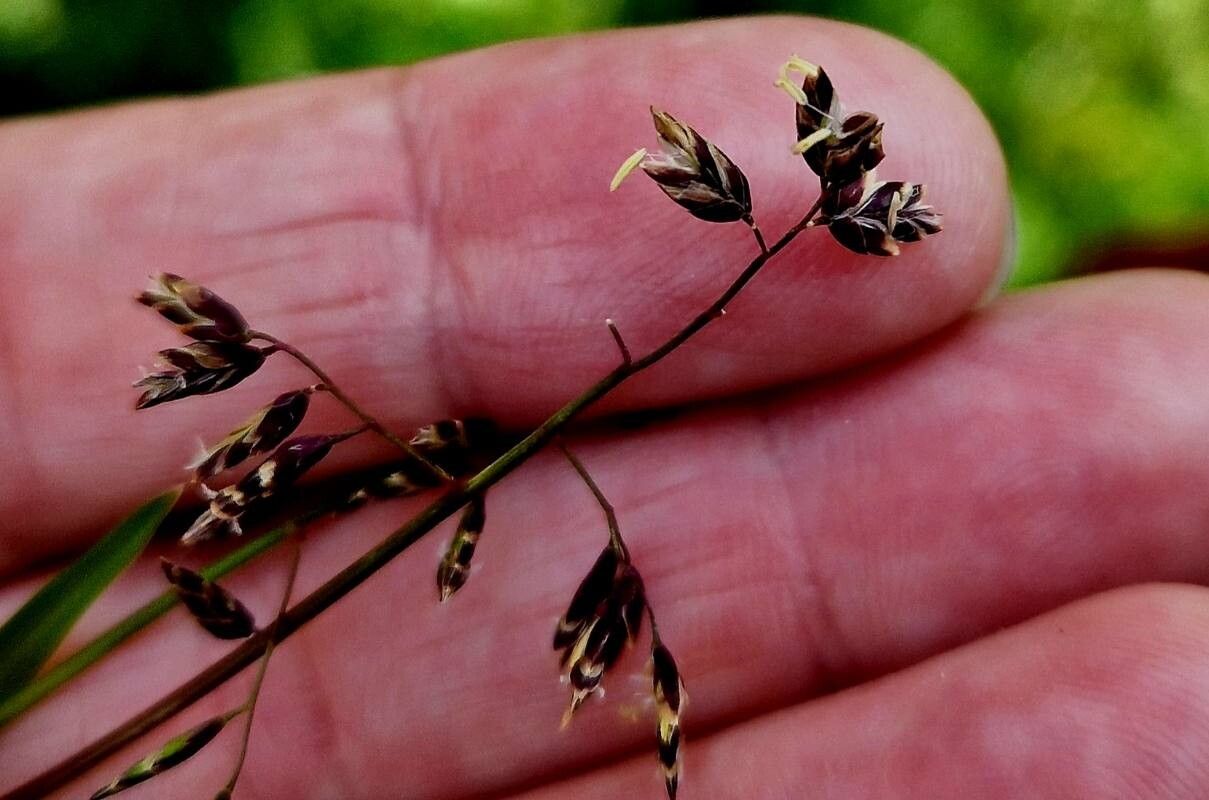
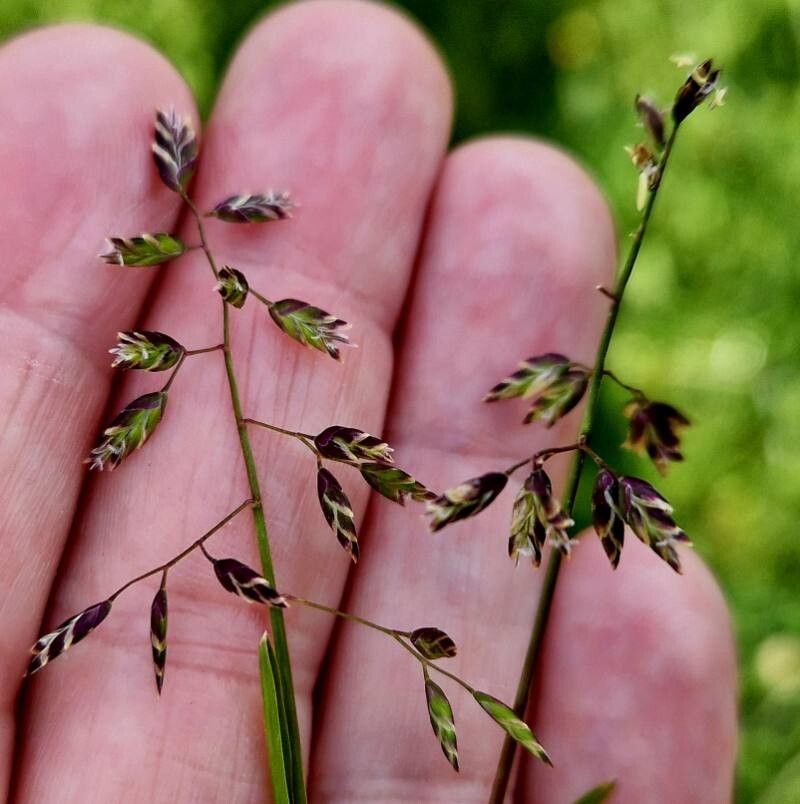
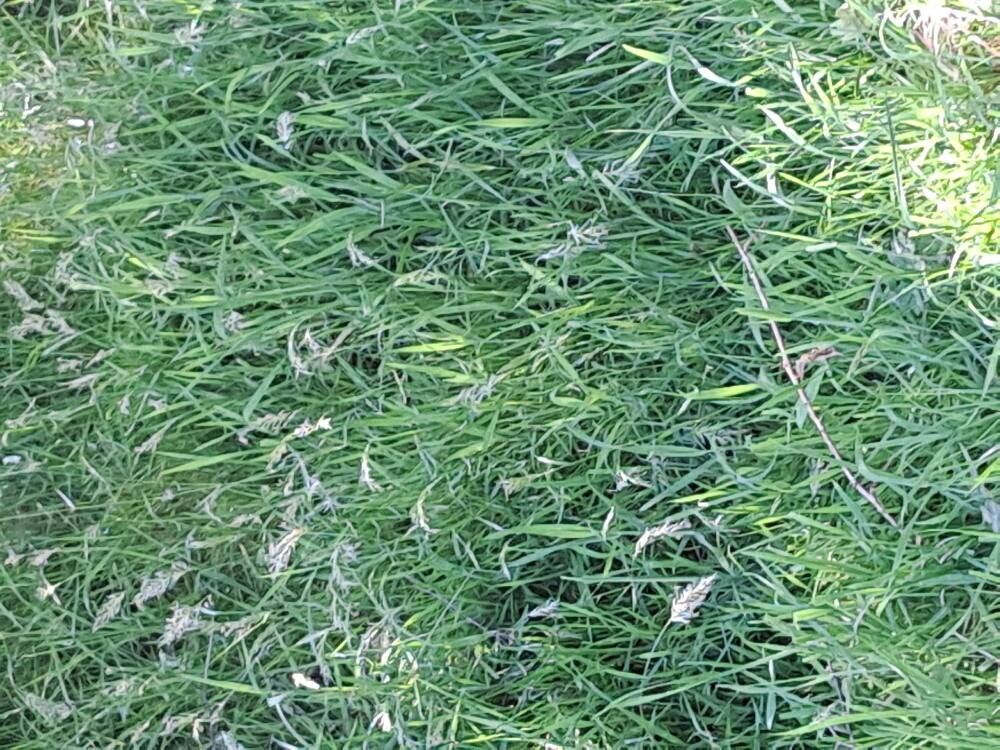
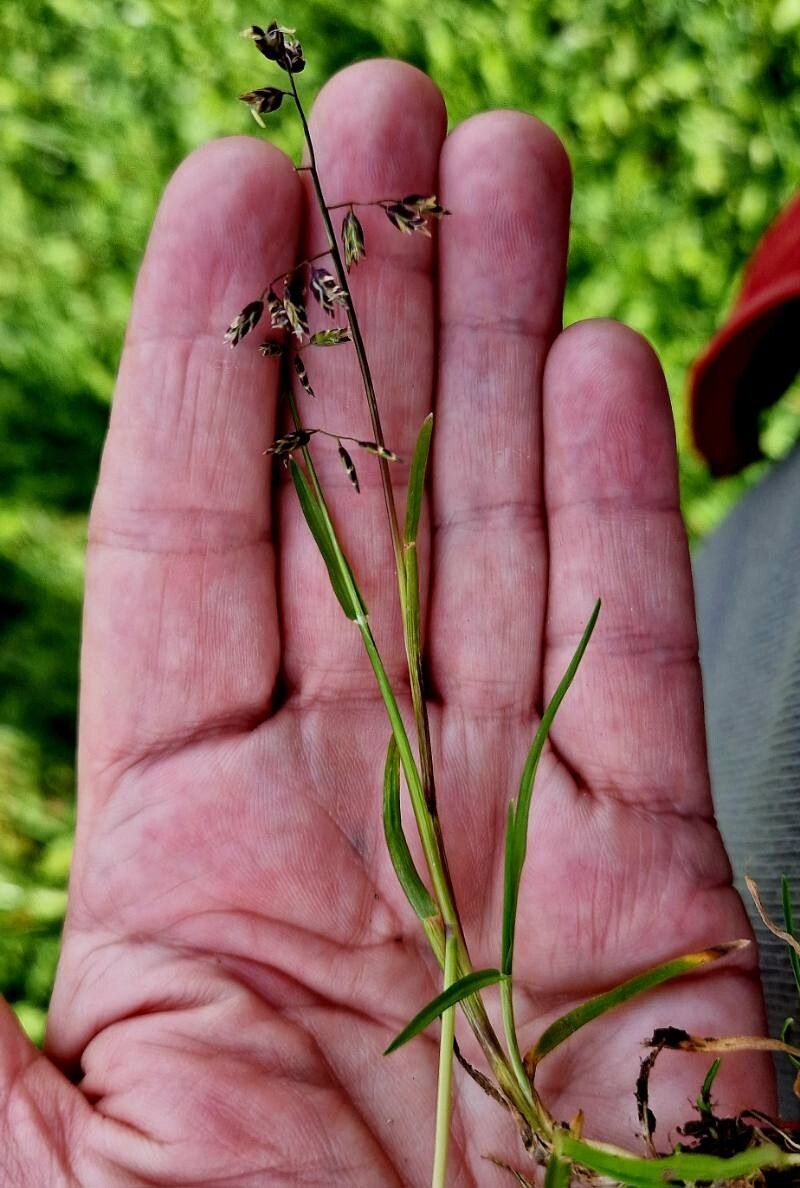
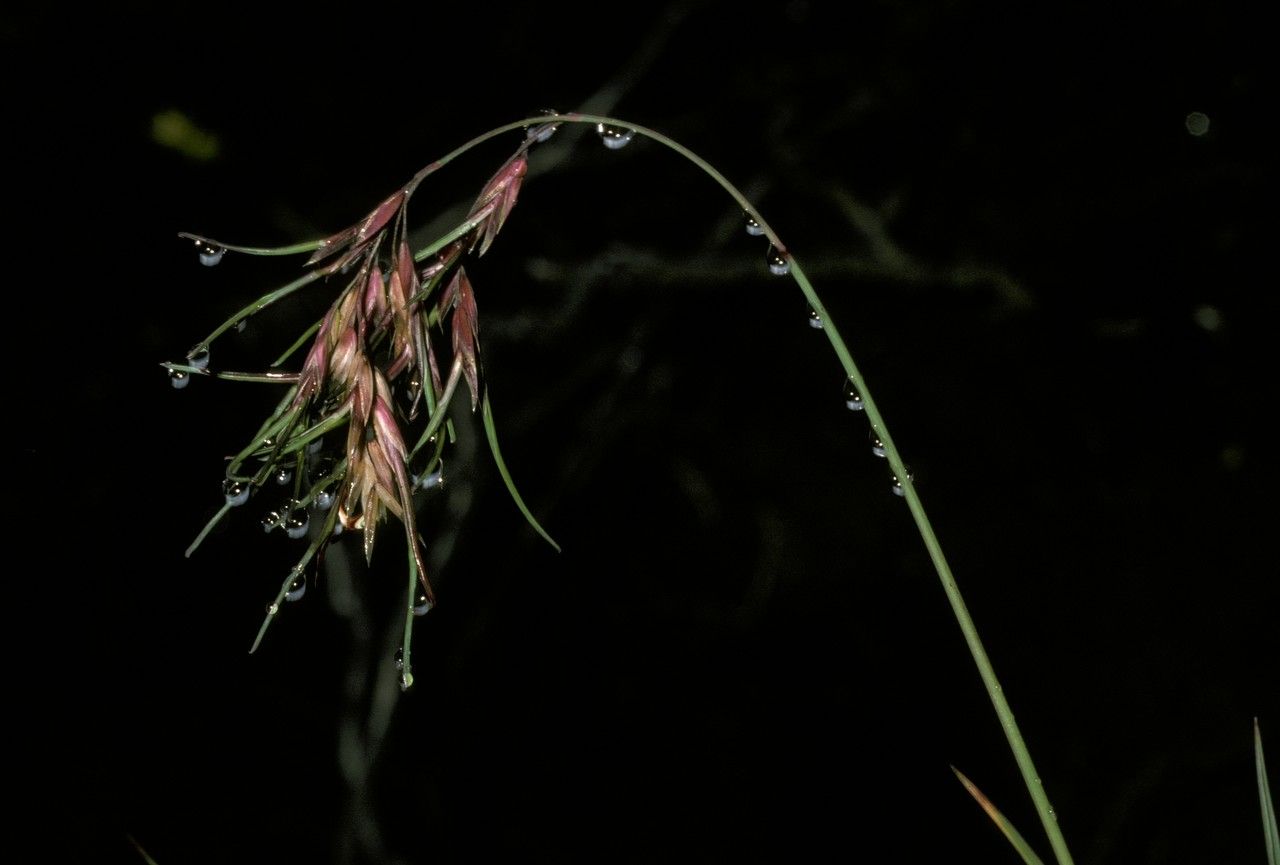
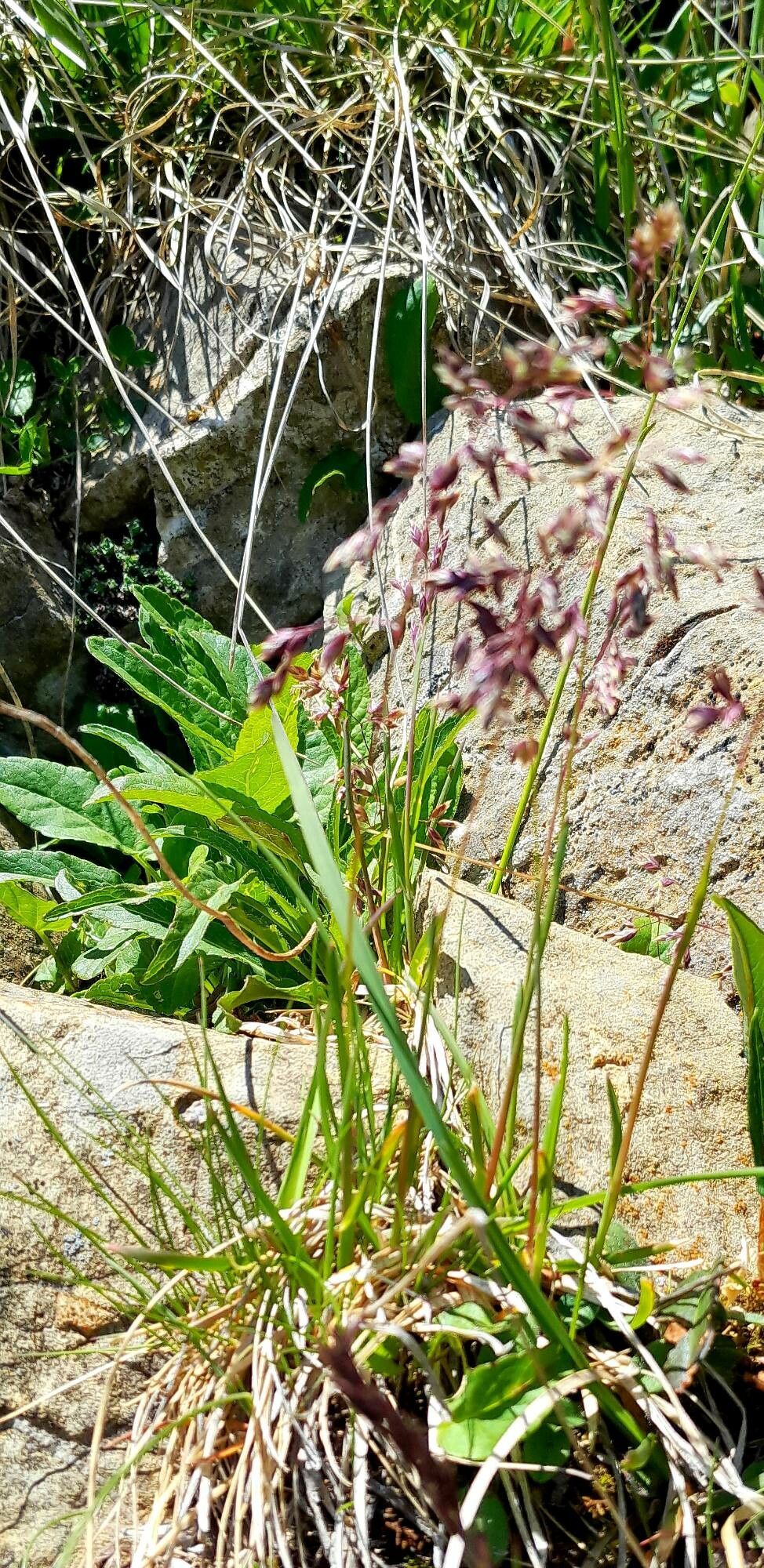
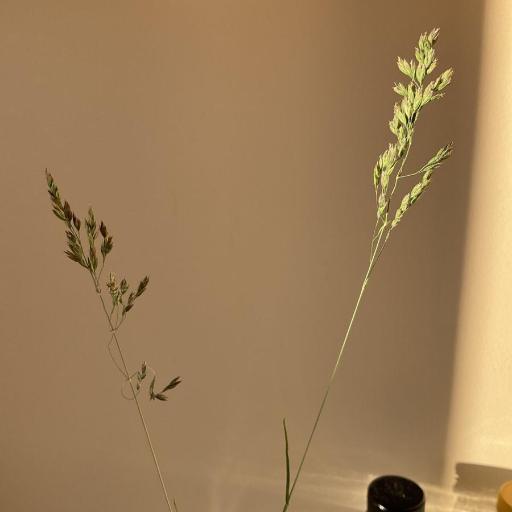
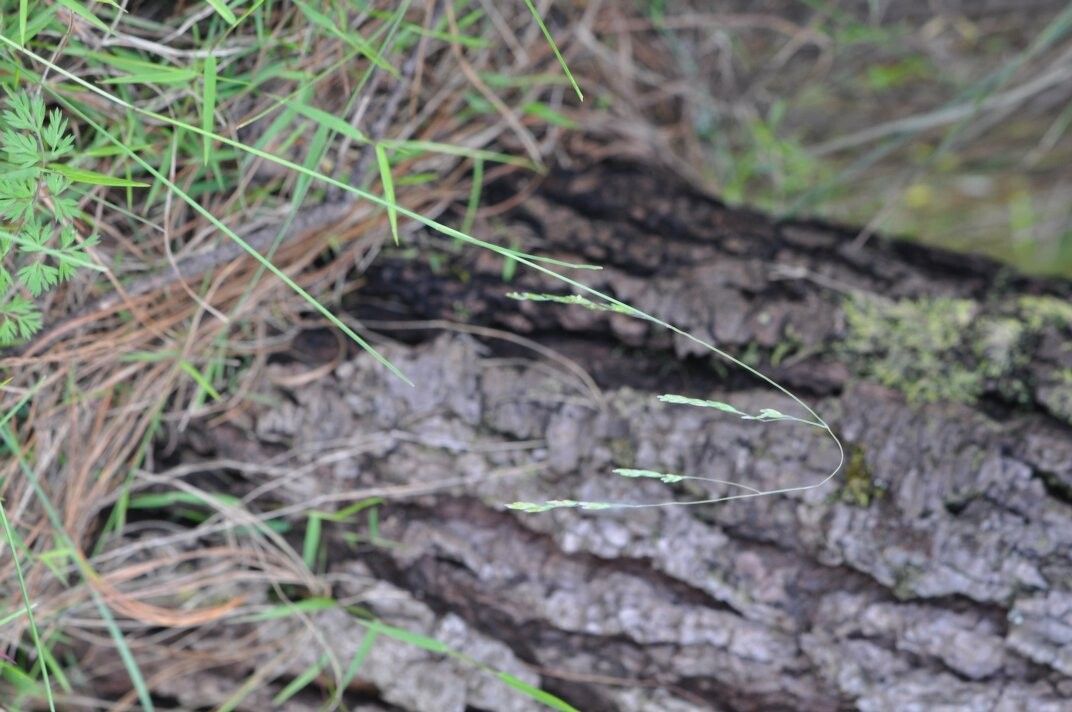
Poa supina is a species of flowering plant belonging to the family Poaceae.Its native range is Morocco, Europe to Mongolia and Himalaya.
Supine bluegrass is resistant to disease and is generally not susceptible to illnesses. Regarding care, this plant is fairly low-maintenance. When grown outdoors it needs minimal watering, and larger plants typically do not require pruning. Smaller plants, however, should be pruned after they have finished blooming. Supine bluegrass is suitable for anyone with an outdoor area, such as a garden or deck, and does not demand much prior gardening experience.
How to keep Poa Supina.
Light
Supine bluegrass occurs naturally in habitats like forest understories and rocky sites, where it grows under natural shade. It prefers partial sun but will tolerate both full sun and full shade, showing that it is adaptable and hardy.
Water
Supine bluegrass grows best in temperate regions with consistent moisture. It needs weekly watering to stay healthy, but be careful not to overwater it and cause waterlogging. This type of grass is commonly found in lawns and meadows. Although it is resilient to temperature changes, proper watering during its active growing season is crucial for maintaining strong, healthy growth.
Temperature
Supine bluegrass can tolerate a wide range of temperatures, yet its distribution may still be constrained by particular combinations of moisture and heat. It grows best in warm summer climates with sufficient rainfall or watering. Extended periods of cloudy, rainy weather, as well as prolonged high temperatures, can raise the risk of Supine bluegrass dying. In winter, adequate protection from cold increases the plant's chances of survival.
Fertilizer
Supine bluegrass is a cool-season grass that grows primarily in spring and fall. It becomes dormant in winter and its growth slows in summer. Applying appropriate fertilizers in spring can replace nutrients and encourage vigorous, dense growth. Well-fed lawns are greener, more resilient, and resist pests and weeds.
Pruning
To improve growth and maintain the density of supine bluegrass, perform selective pruning in early spring. Remove any dead or damaged areas to allow for better airflow and sunlight exposure. To avoid stressing the grass, do not prune heavily in the fall. By using proper pruning techniques, you can achieve a healthier and more attractive lawn.
Botanical profile.
- Plant Type
- Grass
- Life Cycle
- Perennial
- Genus
- Poa
- Family
- Poaceae
- Hardiness Zone
- 4-8
- Mature Height
- 5 cm to 15 cm
- Mature Spread
- 10 cm to 20 cm
- Leaf Color
- Light Green, Green
- Leaf Type
- Semi-evergreen
- Flower Size
- 0.20 cm to 0.51 cm
- Bloom Time
- Mid spring, Late spring, Early summer
- Planting Time
- Spring, Summer, Autumn
- Harvest Time
- Late spring, Early summer, Mid summer
- Native Area
- Turkey, Sweden, India, Austria, Slovakia, Pakistan, Slovenia, Morocco, Belarus, Uzbekistan, Russia, Germany, Romania, France, Nepal, Tajikistan, Czech Republic, Armenia, Poland, Ukraine, China, Norway, Afghanistan, Kyrgyzstan, Kazakhstan, Italy, Spain, Switzerland, Denmark, Mongolia, Finland, Iran, Azerbaijan, Hungary, Turkmenistan
Other names.