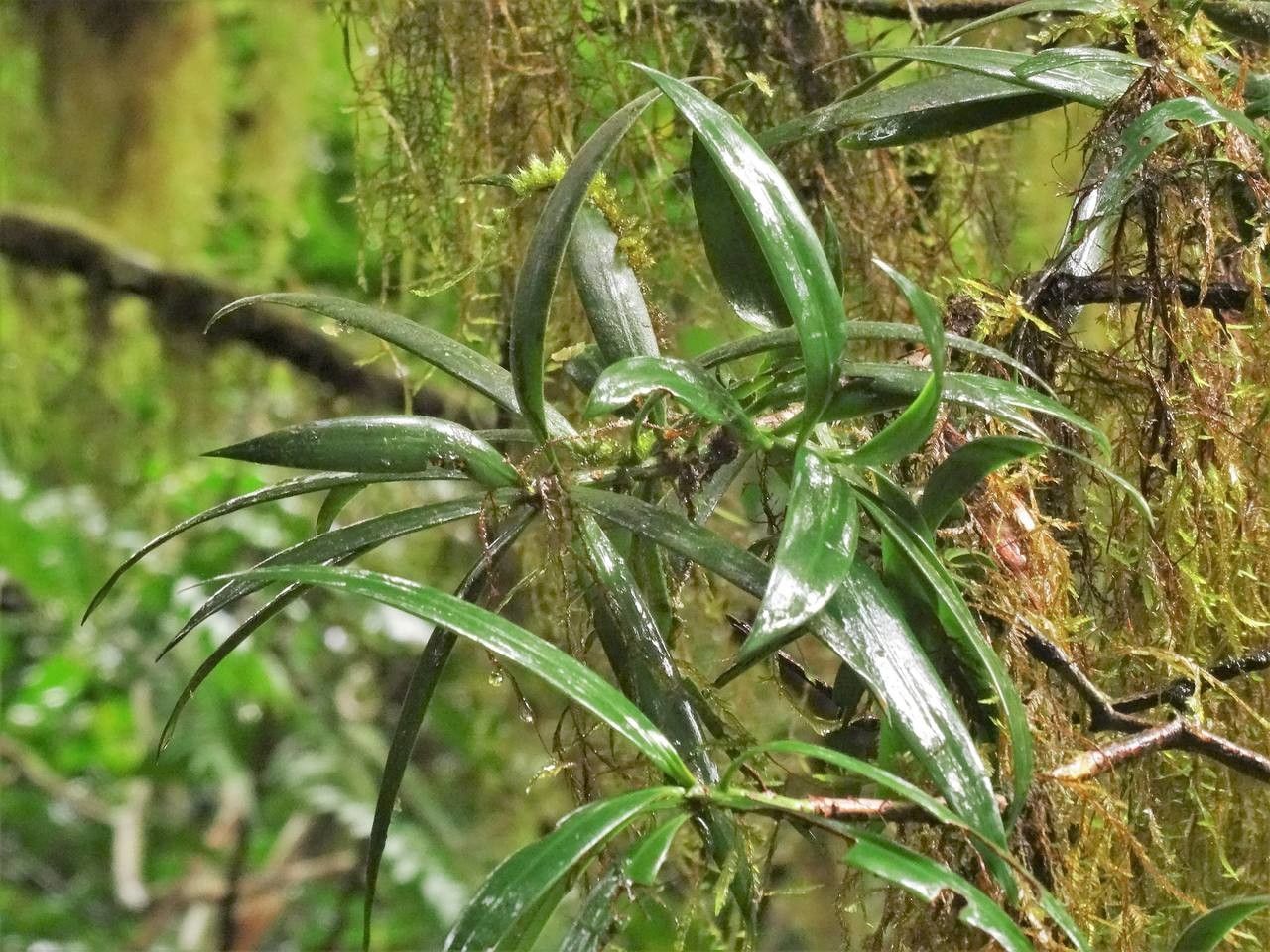
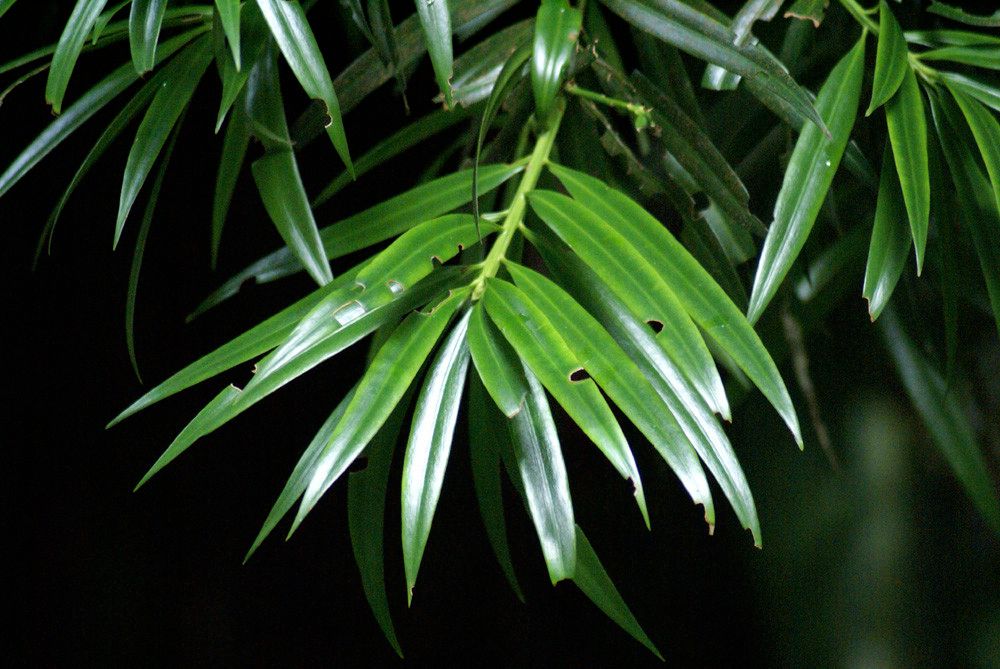
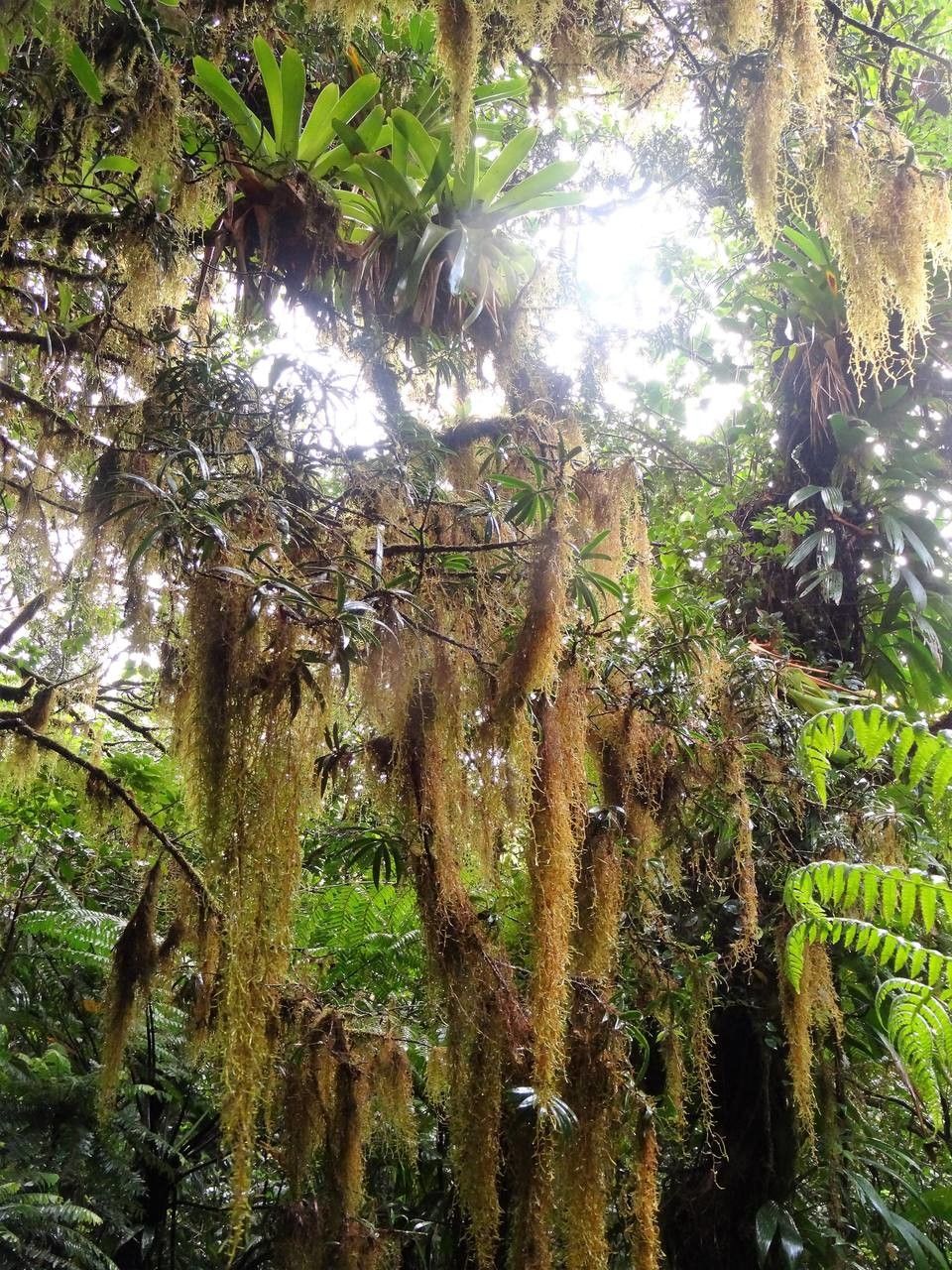
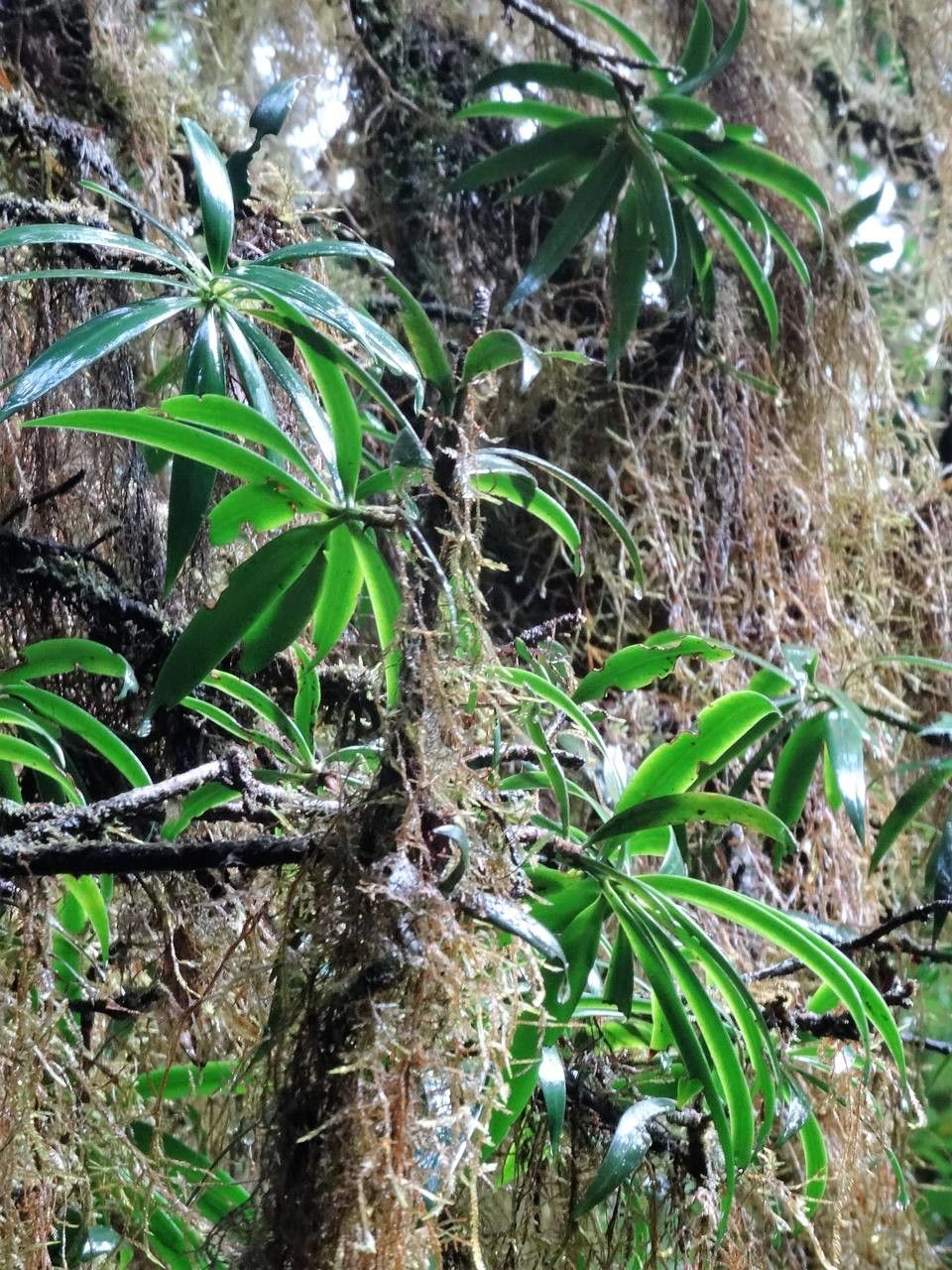
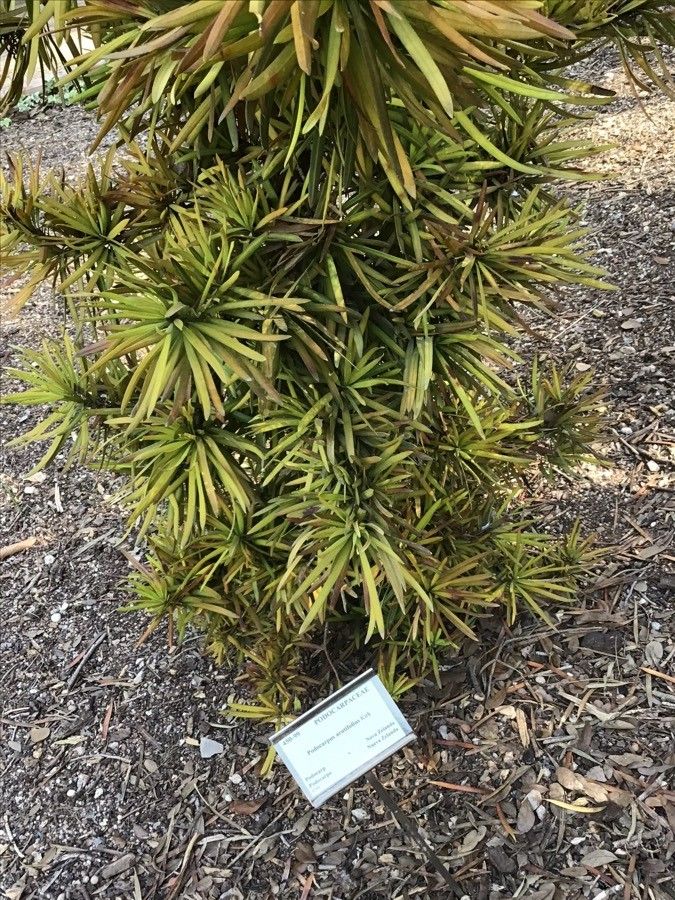
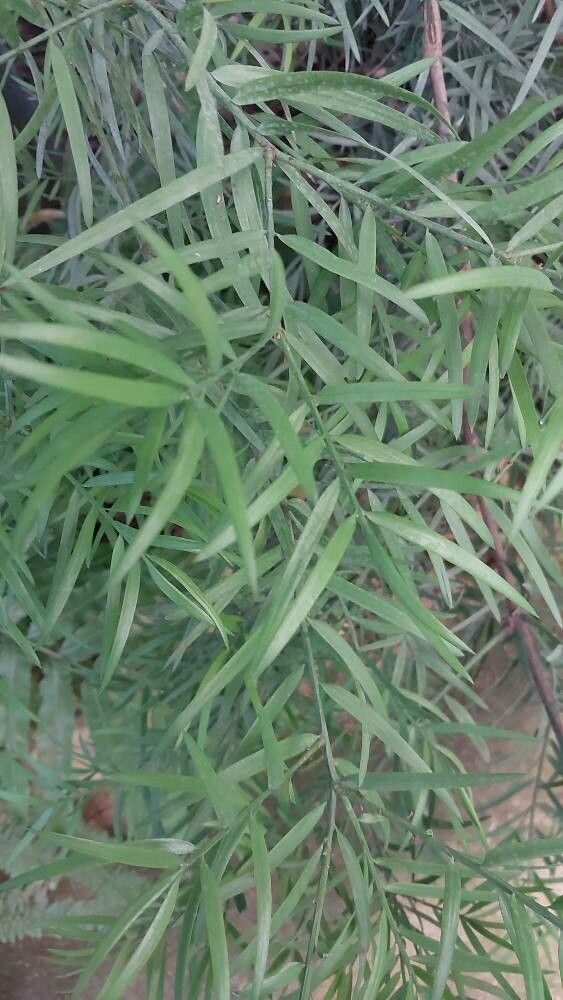
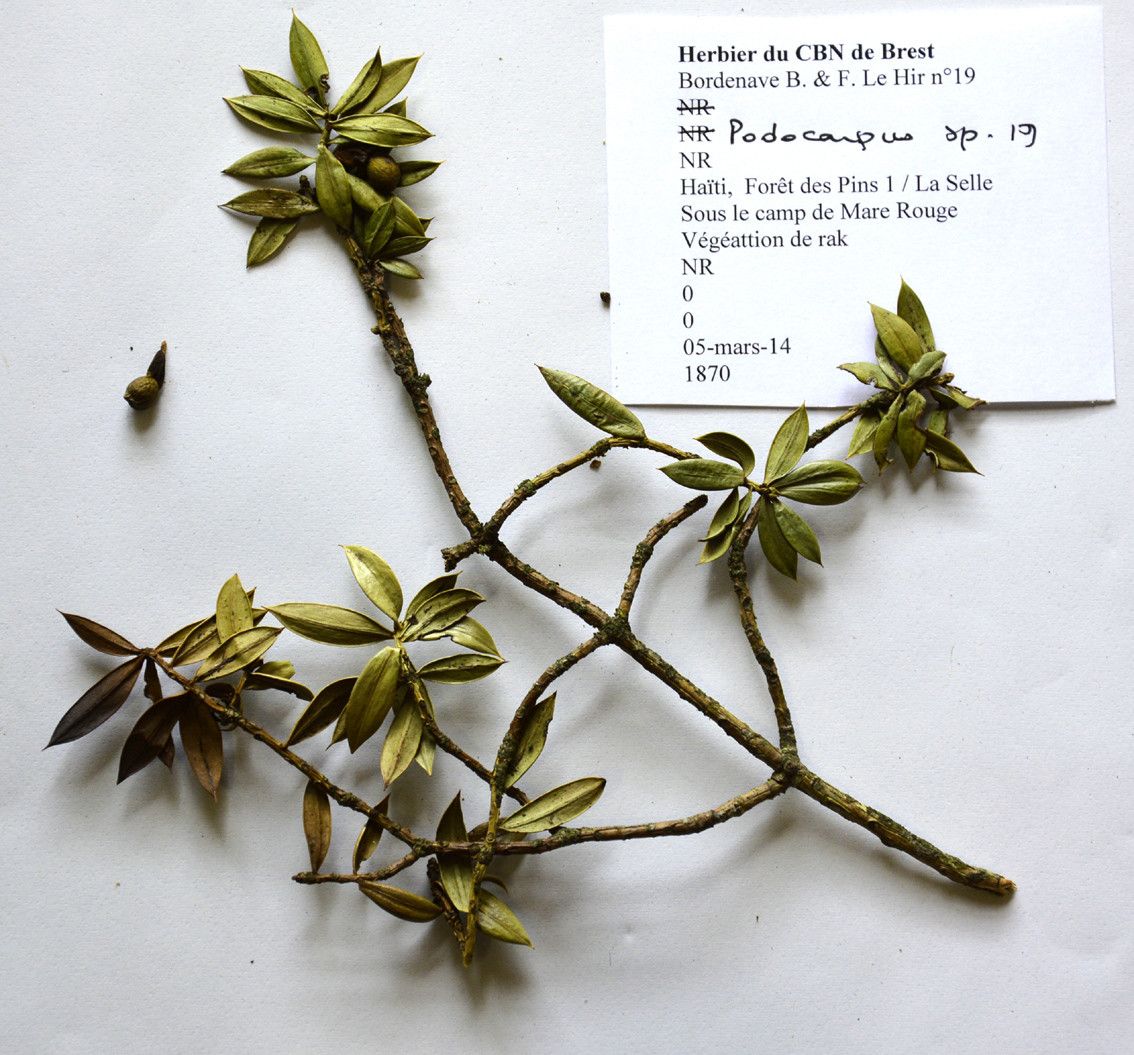
Podocarpus coriaceus, commonly known as the yucca plum pine, is a species of conifer, an evergreen tree in the family Podocarpaceae. It is found in the Dominican Republic, Guadeloupe, Martinique, Montserrat, Puerto Rico, and Saint Kitts and Nevis.
Yucca plum pine possesses strong resistance to disease and is typically not susceptible to illnesses. Regarding care, this plant is fairly low-maintenance. When grown outdoors it needs only minimal watering, and larger specimens usually do not require pruning. Smaller plants, however, should be pruned after they have finished blooming. Yucca plum pinet is suitable for anyone with an outdoor area, such as a garden or a deck, and does not demand extensive plant-care experience.
How to keep Podocarpus Coriaceus.
Light
Yucca plum pine comes from habitats like forest understories and rocky sites, where it grows in natural shade. It prefers partial sun but can adjust to either full sun or full shade, showing its versatile, hardy nature.
Water
The yucca plum pine, native to arid regions, is highly drought-tolerant and expertly manages its water intake. It requires minimal watering, ideally just once a week. Well-suited for outdoor environments and xeriscaping, the yucca plum pine helps conserve water by reducing the need for irrigation.
Temperature
Yucca plum pine comes from tropical regions, where the climate is generally warm and humid. As a result, it is adapted to high temperatures and humidity. It does not tolerate sudden temperature changes and prefers a stable temperature environment, so temperature fluctuations indoors should be avoided. It usually cannot withstand cold and requires higher temperatures for growth. If the environmental temperature falls too low, the plant may stop growing or even die.
Fertilizer
Yucca plum pine has particular nutrient needs and does not require heavy fertilization. Fertilizing in spring is the best time for optimal growth. Providing nutrients enhances its health, increases its resistance to pests and diseases, and helps sustain its long lifespan.
Pruning
The Yucca plum pine is characterized by its leathery leaves and robust structure. For best results, prune it in early spring to remove damaged branches, enhance air circulation, and promote healthy growth. Be sure to make your cuts just above a leaf node. Regular pruning not only boosts the plant's vigor but also keeps it looking tidy.
Botanical profile.
- Plant Type
- Tree
- Life Cycle
- Perennial
- Genus
- Podocarpus
- Family
- Podocarpaceae
- Hardiness Zone
- 9-11
- Mature Height
- 10.06 m to 14.94 m
- Mature Spread
- 3.05 m to 4.88 m
- Leaf Color
- Dark Green
- Leaf Type
- Evergreen
- Bloom Time
- Late spring, Early summer
- Planting Time
- Spring, Summer
- Harvest Time
- Late summer, Early fall, Mid fall
- Native Area
- Venezuela
Other names.
Reader questions.
What are the sunlight requirements for Yucca plum pine (Podocarpus coriaceus)?
The Yucca plum pine, or Podocarpus coriaceus, thrives in various sunlight conditions. For full sun exposure, it requires above 6 hours of direct sunlight daily. It can also grow well in partial sun, which means about 3-6 hours of sunlight per day. Observing how sunlight moves through your garden will help you choose the ideal locations for your plants. This ensures they receive the perfect balance of light and shade, promoting their growth and well-being.