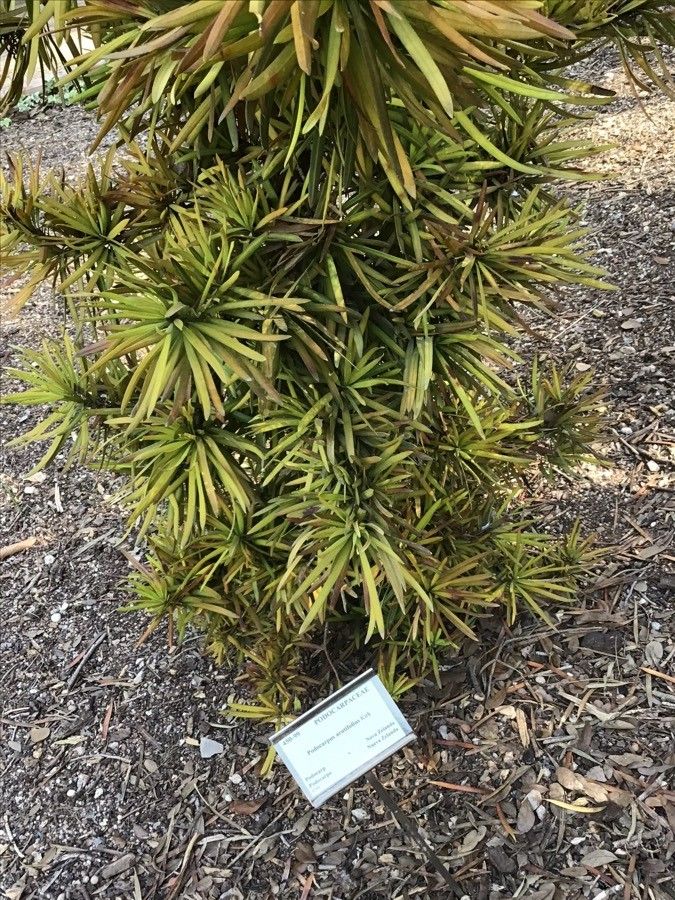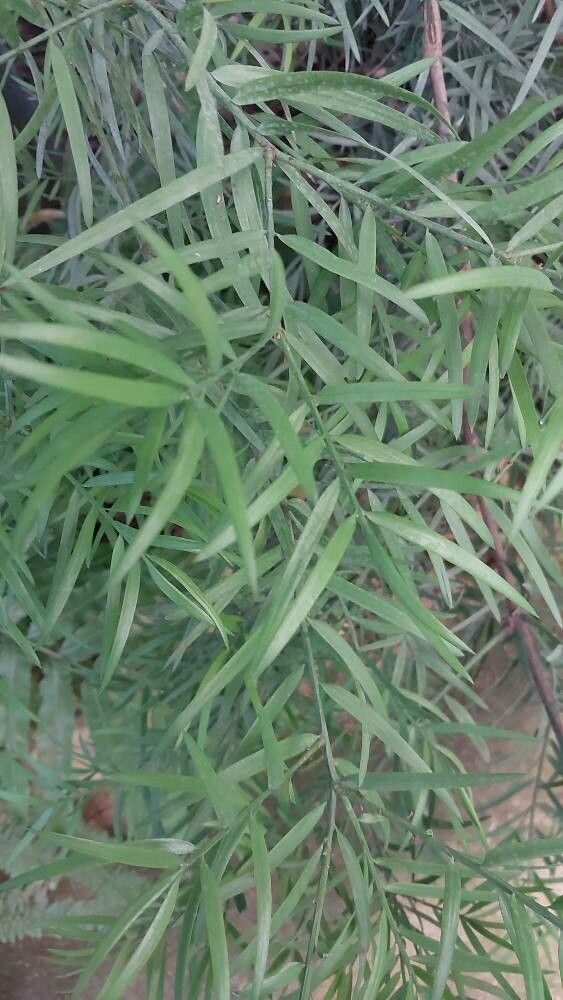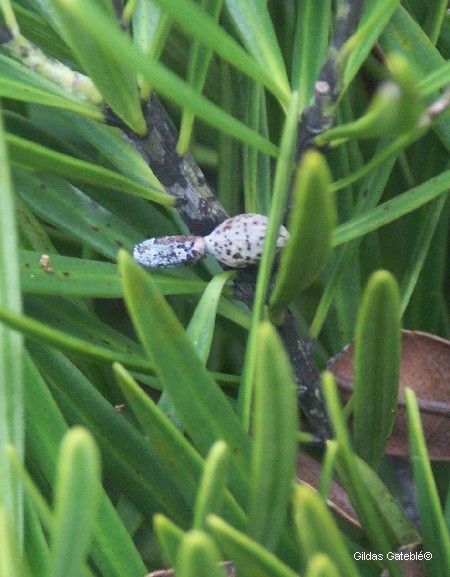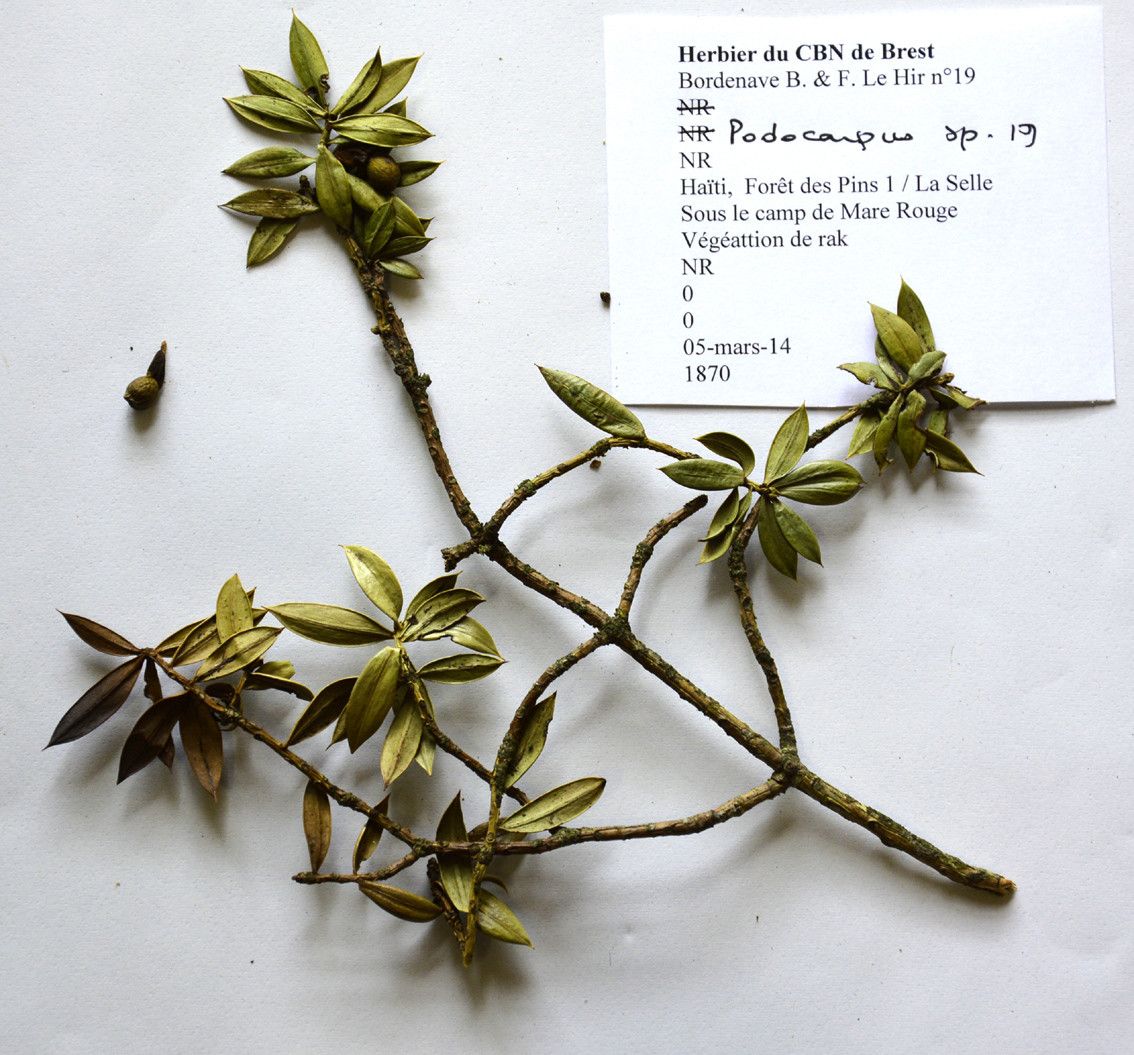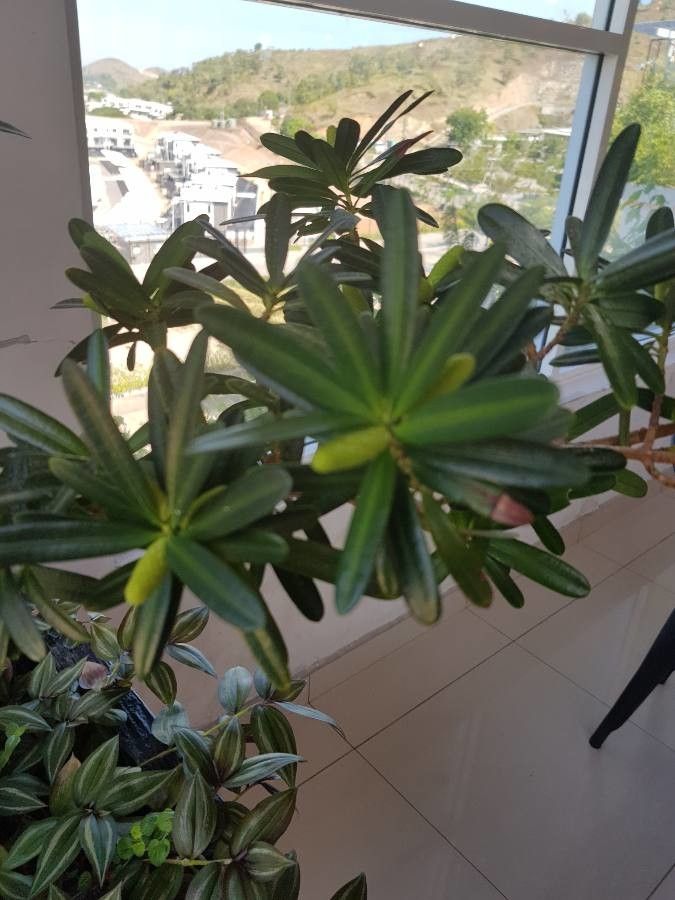
Podocarpus costalis, locally known as arius, is a species of conifer in the family Podocarpaceae. It is native to the Philippines and Taiwan.This plant grows in island scrub, low forest, or in a limestone bluff or sea stack habitat, growing at elevations from sea level to nearly 300 meters. It is also widely cultivated as a garden plant. It is used in bonsai. The fruit is edible.One threat to the survival of wild populations is overcollecting for horticulture; this practice is illegal throughout its native range.
Arius is resistant to disease and is generally not susceptible to illnesses. Regarding care, this plant is fairly low-maintenance. When grown outdoors it needs little watering, and larger plants usually do not require pruning. However, smaller plants should be pruned after they have finished blooming. Ariust is suitable for anyone with an outdoor space, such as a garden or deck, and does not require much experience in plant care.
How to keep Podocarpus Costalis.
Light
Arius prefers places with abundant sunlight, though it can still cope in locations where the sun appears only occasionally. Its origin in bright, sunny habitats contributes to its vigor. Excessive or inadequate sunlight, however, can harm it, commonly showing up as slowed growth or changes in coloration.
Temperature
Arius is native to regions where temperatures usually fall between 68 and 95 °F (20 to 35 ℃). This plant prospers in warm climates and can tolerate temperature fluctuations across seasons when required.
Fertilizer
Arius has specific nutrient needs and does not require heavy fertilization. Spring is the best time to fertilize for optimal growth. Providing nutrients improves its health, increases its resistance to pests and diseases, and helps maintain a long lifespan.
Pruning
Arius is a versatile evergreen known for its dense foliage. To maintain its shape and promote healthy growth, it is best to prune it during the winter. During pruning, remove any dead branches and trim back overgrown areas, but be careful not to cut too much. Regular pruning helps improve air circulation and light penetration, which enhances the plant's overall health. For effective pruning techniques, consult horticultural guides.
Pot & Repot
Repot your arius plant every 2-3 years during the spring. Use well-draining soil and move it to a pot that is one size larger. For better root support, choose a deep pot. After repotting, keep the soil moist and place the plant in indirect light to promote optimal recovery and growth.
Botanical profile.
- Plant Type
- Shrub
- Life Cycle
- Perennial
- Genus
- Podocarpus
- Family
- Podocarpaceae
- Hardiness Zone
- 9-10
- Mature Height
- 0.91 m to 4.88 m
- Mature Spread
- 3.05 m to 4.88 m
- Leaf Color
- Dark Green
- Leaf Type
- Evergreen
- Flower Size
- 0.10 cm to 3.05 cm
- Bloom Time
- Late spring, Early summer, Mid summer
- Planting Time
- Spring, Summer, Autumn
- Harvest Time
- Late summer, Early fall, Mid fall
- Native Area
- Philippines, China
Reader questions.
What are the sunlight requirements for Arius (Podocarpus costalis)?
Arius, or Podocarpus costalis, flourishes in environments that are well exposed to sunlight, akin to its native, sun-lit habitats which significantly contribute to its health. It generally prefers full sun, benefiting from more than 6 hours of sunlight daily, but can also thrive in partial sun with about 3-6 hours of sunlight. Notably, too much or too scant sunlight can hinder its growth, possibly leading to issues like stunted growth or discolored foliage. The plant's happiness hinges on finding the right balance of light and shade in your garden, as highlighted by the advice to observe how sunlight traverses your garden to choose ideal spots for planting.
What is the native environment and temperature range for Arius?
Arius, botanically known as Podocarpus costalis, is native to environments where temperatures typically range from 68 to 95 °F (20 to 35 °C). This plant thrives in warm climates and is capable of adjusting to fluctuating temperatures across different seasons. Although Arius possesses some degree of cold tolerance, it generally does not require any extra measures for cold protection as long as the temperature remains above 0°C. However, if temperatures are expected to drop below freezing, it's necessary to temporarily protect the plant by wrapping it with materials such as plastic film, fabric, or other suitable covers, removing these once the temperature rises again.
How can artificial lighting be used for Arius indoors?
For indoor Arius plants, especially during winter or in less sunlit areas, artificial lighting serves as an excellent alternative to ensure they receive adequate light for growth. LED lights are recommended for their ability to mimic natural light spectrum needs of plants, with full sun plants requiring 30-50W/sq ft, partial sun 20-30W/sq ft, and full shade plants 10-20W/sq ft of artificial light. The light source should be placed 12-36 inches above the plant to simulate natural sunlight conditions and be kept on for about 8-12 hours daily to match natural daylight hours, promoting healthier and faster growth.
How does Arius respond to low temperatures?
Arius exhibits moderate tolerance to low temperatures, flourishing best when temperatures are above 20°C. During the winter months, it's crucial to ensure that the temperature does not fall below 0°C. Exposure to temperatures below -5°C can cause the leaves to droop; while they may recover in milder cases, severe cold can lead to wilting and eventual loss of leaves. To protect Arius from such conditions, you should trim off any frost-damaged parts and, before encountering low temperatures again, wrap the plant with non-woven fabric, cloth, or similar materials. Additionally, constructing a wind barrier can help shield the plant from cold winds.
What are the signs of insufficient light for Arius?
Arius demonstrates several signs when suffering from insufficient light exposure. Notable symptoms include smaller new leaves, a leggy or sparse growth pattern indicating a lack of adequate light, premature leaf drop as a resource conservation measure, halted or significantly slowed growth due to poor light conditions, pale or irregularly colored new leaves suggesting a deficiency in chlorophyll and nutrients, and various issues caused by overexposure such as chlorosis, sunscald, leaf curling, wilting, and leaf scorching. Each of these symptoms highlights the plant's struggle to adapt to inadequate lighting conditions.
What should be done if Arius is exposed to high temperatures?
During the summer, it's important to ensure that Arius does not experience temperatures above 35°C. Exposure to temperatures exceeding 41°C may result in the leaves' color becoming lighter, tips drying and withering, curling of the leaves, and an increased risk of sunburn. In such cases, it's advisable to trim away the sunburned and dried-up parts of the plant. To mitigate the effects of high temperatures, move Arius to a shaded location, particularly away from the midday and afternoon sun, or employ a shade cloth for protection. Ensuring the soil remains moist by watering the plant in the morning and evening can also help manage high-temperature stress.
How to mitigate light-related issues for Arius?
Mitigating light-related issues for Arius involves adjustments in plant positioning and lighting. Indoors, gradually moving the plant to sunnier locations or employing artificial light sources can significantly improve light exposure, ensuring the plant receives at least 6 hours of direct sunlight a day or adequate artificial lighting. Outdoors, a gradual transition to sunnier spots helps the plant adapt without the shock of sudden light intensity changes. Pruning nearby obstructions or transplanting the plant during its dormant period can also enhance sunlight accessibility. It's crucial to remember that while affected plant parts might not recover, new growth will be healthy with improved light conditions.