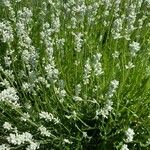
Polygala alba
White milkwort
Description
Source: leafsnapPolygala alba, commonly called white milkwort, is a species of flowering plant in the milkwort family (Polygalaceae).
Care Guide
💧 Water
Native to arid regions, white milkwort is highly drought-tolerant and thrives in conditions with minimal moisture. It requires only infrequent deep watering, about once a week. To prevent waterlogging, it prefers well-draining soil. This plant is usually cultivated outdoors to mimic its natural habitat.
☀️ Light Full sun
White milkwort does best when it receives continuous, unobstructed sunlight throughout the day. While it prefers sun all day, it can cope with only a few hours of sun. Excessive shade, however, may impede the plant's growth and health. Coming from a consistently sunny habitat, the plant is adapted to those light conditions.
What are the sunlight requirements for White milkwort?
White milkwort, or Polygala alba, thrives best under constant, unobstructed sunlight throughout the day. It requires full sun exposure, which translates to more than 6 hours of direct sunlight daily, for optimal growth and health. Despite its preference for full sunlight, it can tolerate partial sun, about 3-6 hours of sunlight, but too much shade can hinder its growth. It's important to observe how sunlight moves through your garden and choose spots that provide the ideal balance of light and shade to ensure the plant's happiness.
What artificial lighting is recommended for indoor White milkwort plants?
For White milkwort plants grown indoors where natural sunlight might be insufficient, especially in winter or less sunny spaces, artificial lights provide an essential solution for optimal growth. LED lights are recommended due to their ability to be customized to provide specific wavelengths of light needed by plants. Full sun plants require 30-50W per square foot of artificial light, partial sun plants need 20-30W per square foot, and full shade plants need 10-20W per square foot. The artificial light source should be placed 12-36 inches above the plant to mimic natural sunlight, and the duration should mimic natural daylight hours, with most plants needing 8-12 hours of light per day.
What are the symptoms of light deficiency in White milkwort?
When White milkwort receives inadequate lighting, several symptoms may appear: New leaves might grow smaller, the plant could develop leggy or sparse growth with longer spaces between leaves or stems, there might be faster leaf drop, slowed or ceased growth, and new leaves could appear lighter-colored or develop chlorosis, turning yellow due to a lack of chlorophyll. Excessive sunlight exposure can also cause issues like sunscald, leaf curling, wilting, and leaf scorching, which present as pale, bleached areas or brown, crispy patches on leaves respectively.
How can you address sunlight-related issues for White milkwort plants?
To address sunlight-related issues for White milkwort, a gradual adjustment to the right light conditions is crucial. For indoor plants, gradually move them to a spot with at least 6 hours of direct sunlight, use south-facing windows for maximum exposure, or consider artificial lighting options like desk lamps or professional plant grow lights for at least 8 hours a day. For outdoor plants, also adjust them gradually to prevent sunburn. If obstructed by trees, pruning may be needed to improve sunlight access. Smaller plants might require transplanting during their dormant period to a location with better sunlight and drainage.
🌡️ Temperature 5–35°C
White milkwort can tolerate a wide range of temperatures, though its range may still be constrained by different combinations of moisture and heat. It grows best in warm summer conditions with enough rain or watering. Long periods of cloudy, rainy weather, as well as extended high temperatures, can raise the chance of White milkwort dying. In winter, adequate protection from the cold can boost the plant’s survival rate.
💨 Humidity
🪴 Soil 5-7
🌱 Fertilizer
Usually one application of fertilizer in spring is enough for White milkwort, though repeated feedings can boost growth. Apply fertilizer every month to six weeks. Fertilizing improves the leaves' appearance and function, helping maintain even color and a healthy texture. It also encourages root development and better nutrient uptake for the plant's long-term health.
🪴 Pot & Repot
✂️ Pruning
The white milkwort is known for its small, white flowers and bushy growth. To encourage healthy development and improve blooming, it's best to prune the plant from early to late spring. Use sharp, clean tools and focus on removing any dead or damaged branches. For optimal results, make sure to prune during its active growth phase.
🌿 Propagating
🐛 Diseases & pets
☠️ Toxicity
Characteristics
- Plant Type
- Herb
- Life Cycle
- Perennial
- Genus
- Polygala
- Family
- Polygalaceae
- Hardiness Zone
- 5-9
- Mature Height
- 20 cm to 30 cm
- Mature Spread
- 25 cm
- Leaf Color
- Green
- Leaf Type
- Evergreen
- Flower Color
- White
- Flower Size
- 2.54 cm to 5.08 cm
- Bloom Time
- Mid spring, Late spring, Early summer
- Planting Time
- Spring, Summer, Autumn
- Harvest Time
- Summer
- Native Area
- Mexico, Guatemala