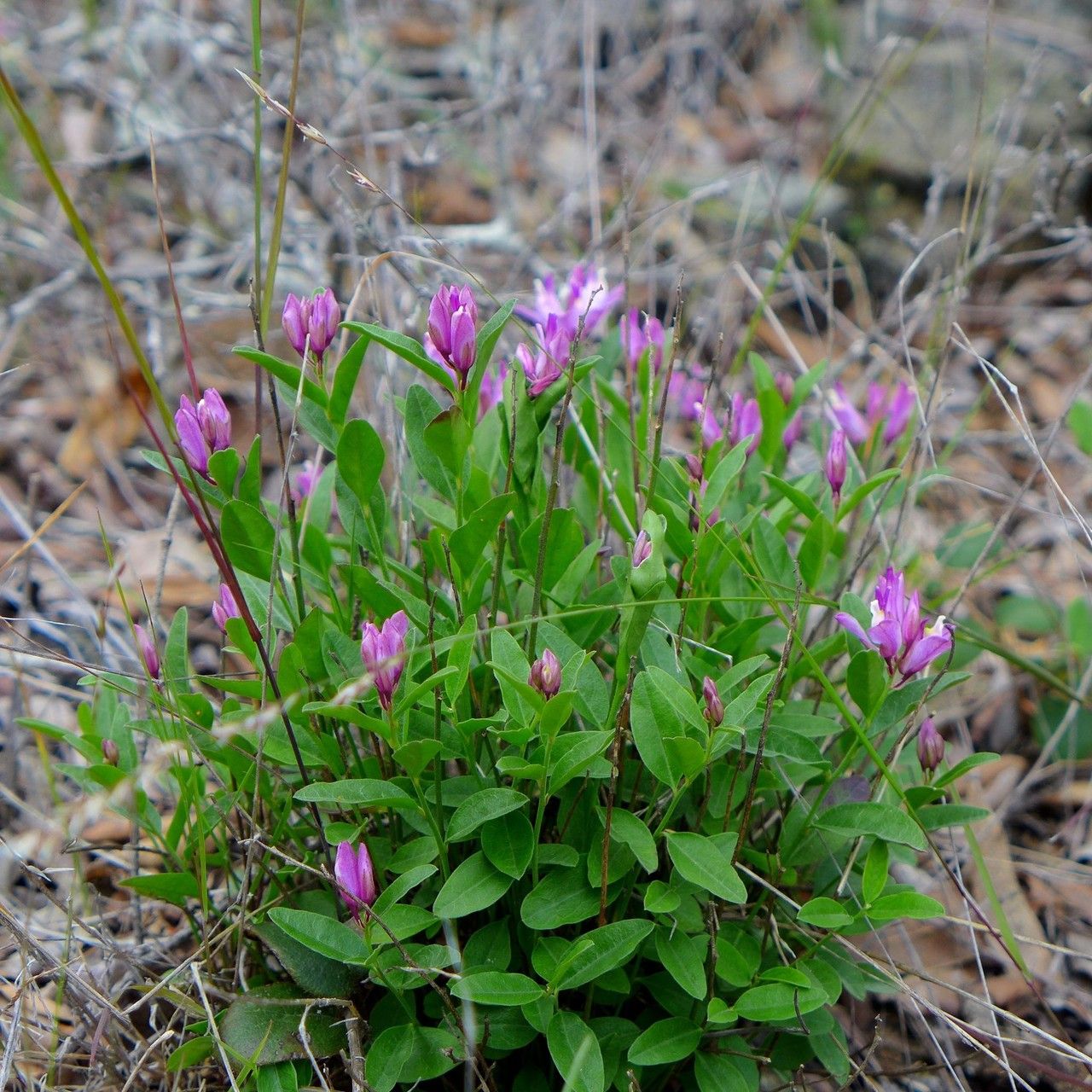
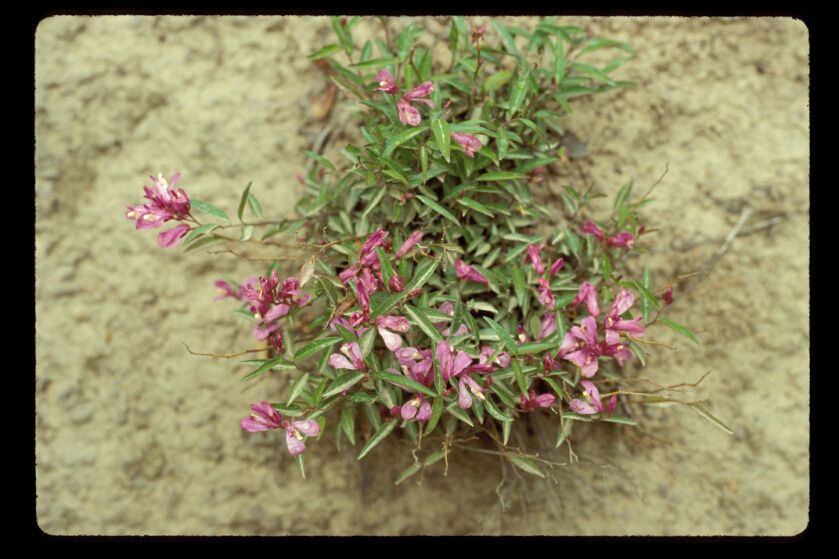
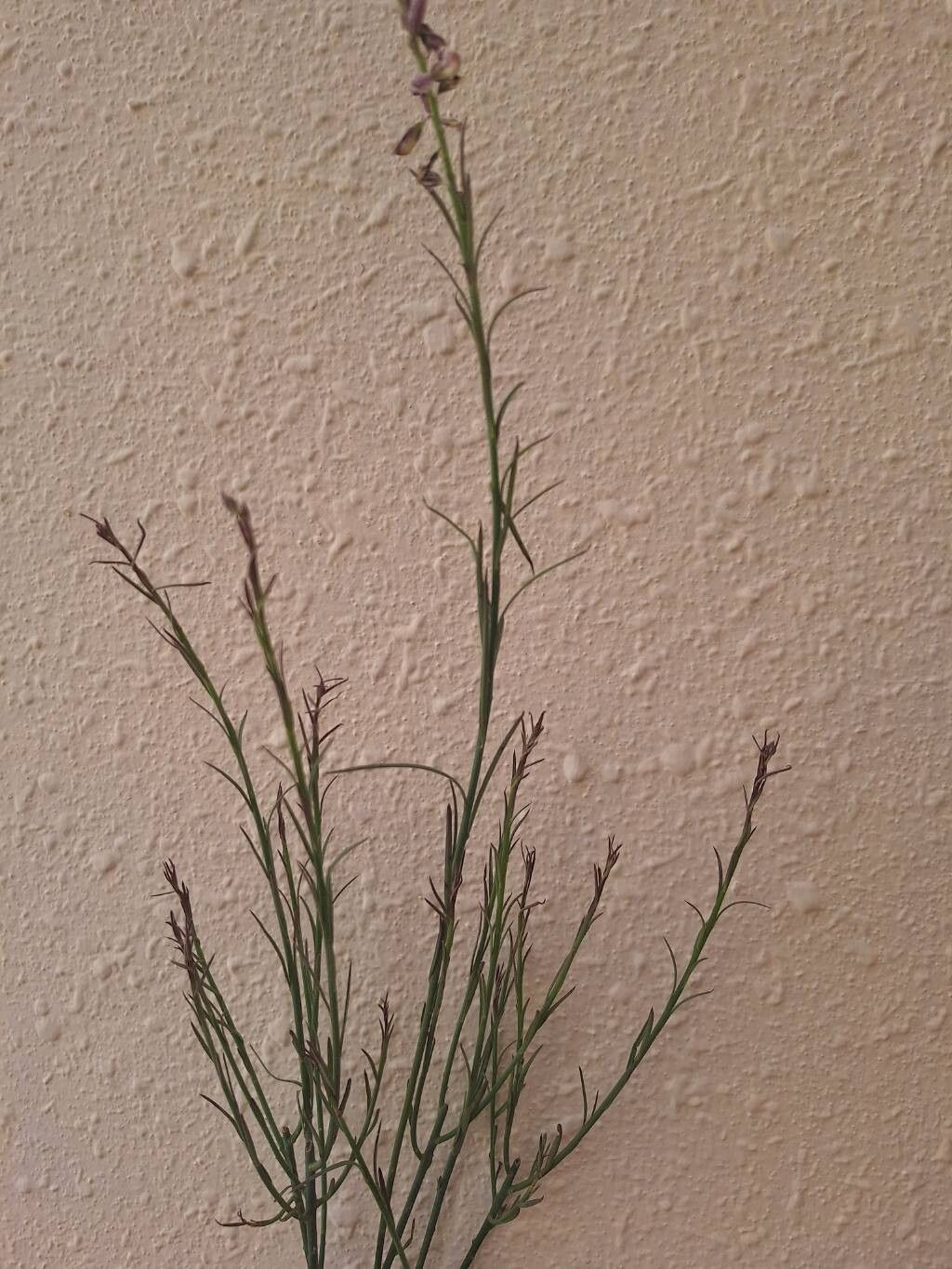
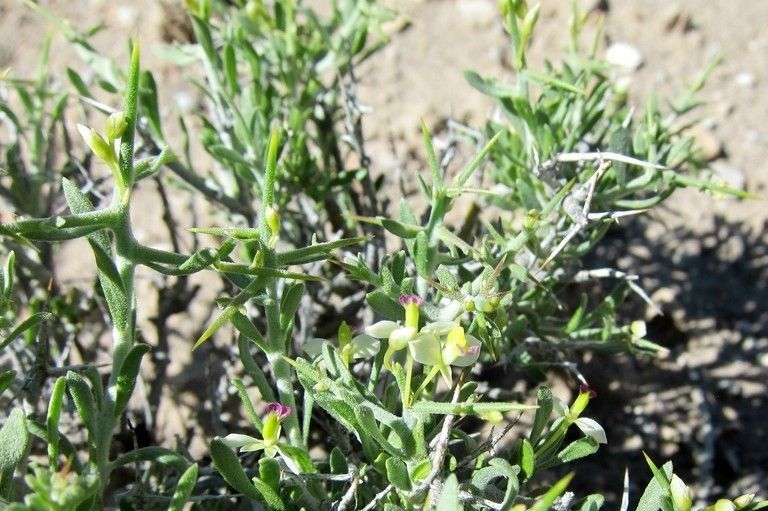
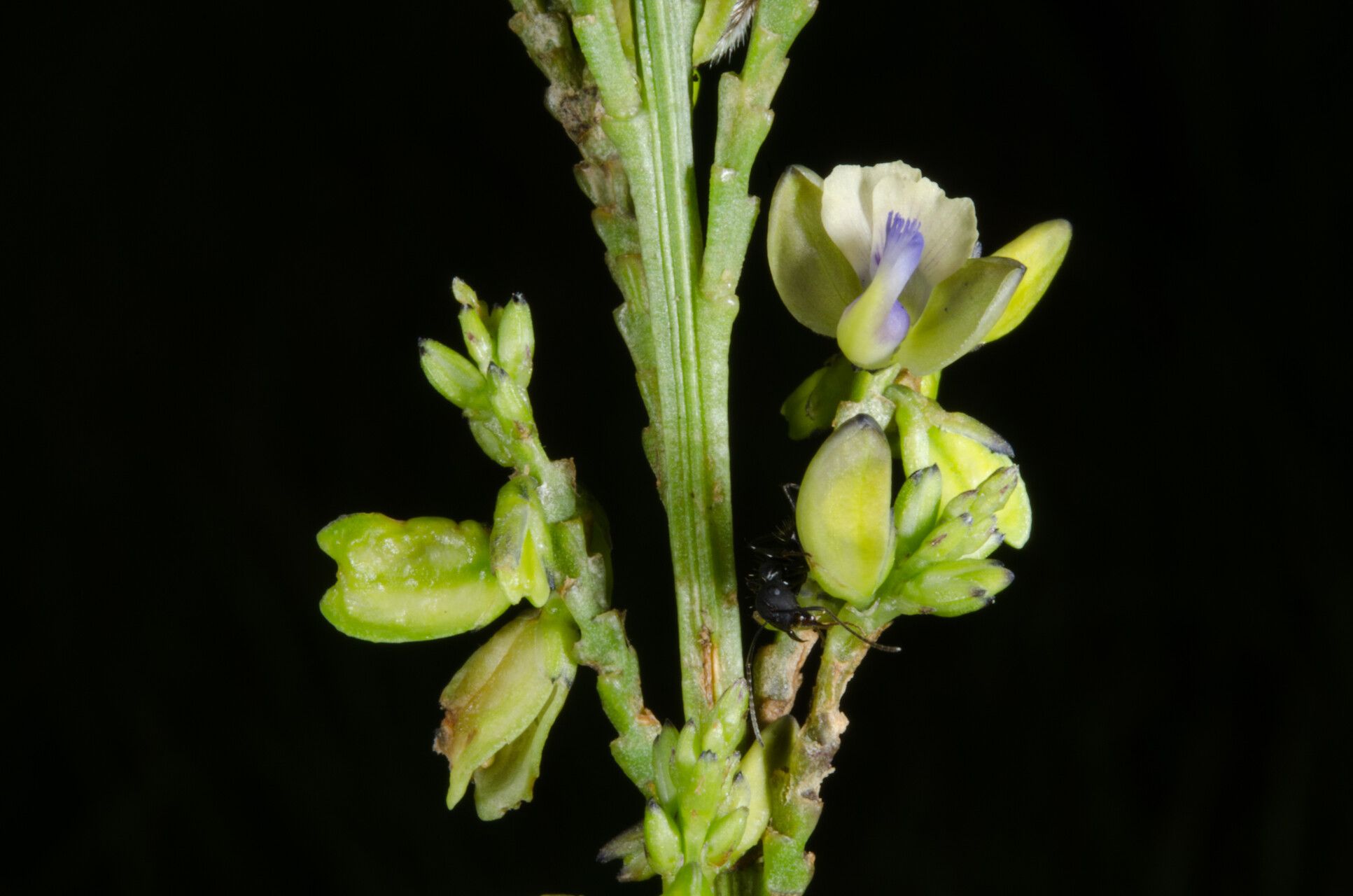
Polygala californica, commonly known as California milkwort, is a perennial plant native to California and parts of Oregon. It belongs to the Polygalaceae family and can grow up to 1 meter tall. The plant features a woody stem and lance-shaped, alternate leaves that are approximately 5 to 10 cm long.
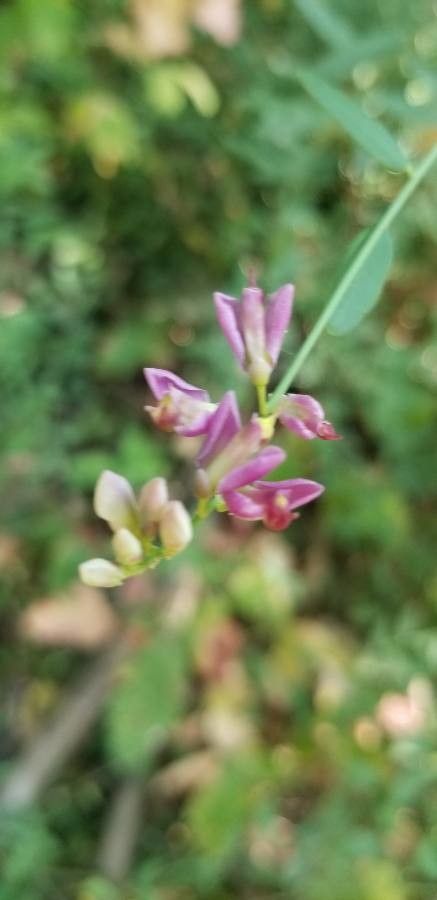
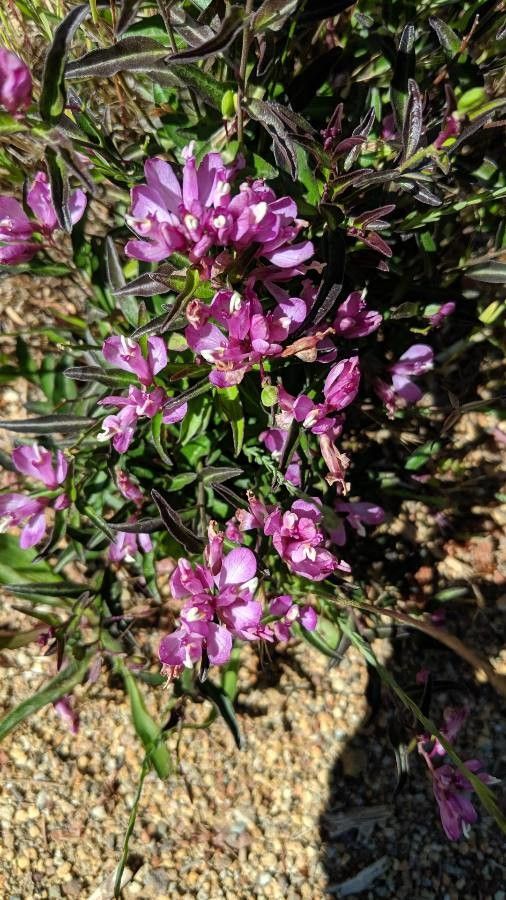
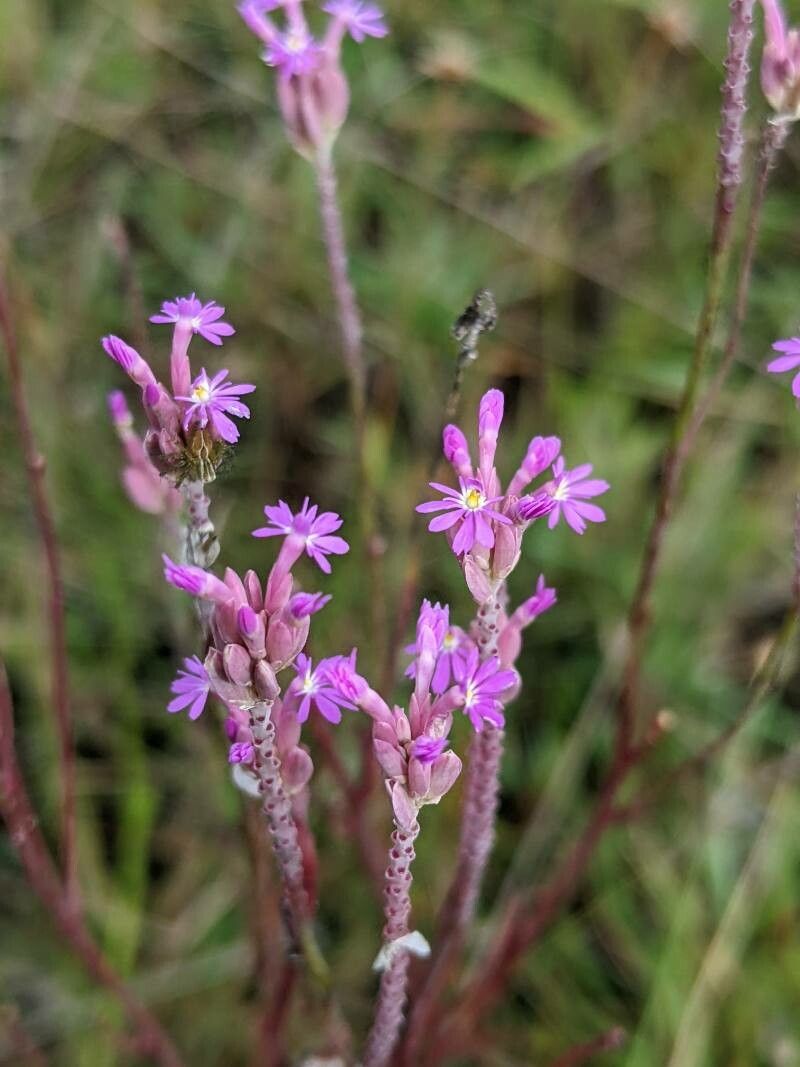
The flowers of Polygala californica are small, around 1 cm in length, and have pink or purple petals that form a distinctive tube-like shape. They bloom from late winter through early summer and attract pollinators such as bees and butterflies.
Polygala californica prefers well-drained soils and thrives in full sun or partial shade. It is commonly found in coastal sage scrub habitats, chaparral communities, oak woodlands, and similar environments.
For centuries, Native American tribes have utilized the plant for medicinal purposes. The roots were used as an expectorant for respiratory ailments, while the leaves were made into poultices to treat skin conditions like rashes or burns.
Overall, Polygala californica is an attractive native species with ornamental value. It also plays a crucial ecological role by providing habitat for pollinators and other wildlife species.
California milkwort has strong resistance to disease and typically does not contract illnesses easily. Nonetheless, it can be affected by pests and diseases found in its vicinity. Such infections are generally mild. Regarding care, the plant needs a moderate level of maintenance. It should be pruned on a regular basis to preserve a neat appearance and support healthy growth. Fertilizing can also encourage flowering. California milkwort is appropriate for anyone with an outdoor area, like a garden or patio, and does not demand extensive care experience. It may need more attentive care if kept indoors.
How to keep Polygala Californica.
Light
California milkwort occurs naturally in habitats such as forest understories and rocky areas, where it experiences natural shade. It prefers partial sun but can tolerate full sun or full shade, demonstrating its versatile and hardy nature.
Temperature
California milkwort can tolerate a wide range of temperatures, though different combinations of moisture and heat can still limit where it occurs. It does best in warm summer conditions with sufficient rainfall or supplemental watering. Long periods of cloudy, rainy weather, as well as extended high temperatures, increase the risk of California milkwort dying. In winter, adequate protection from cold improves the plant's chances of survival.
Fertilizer
One fertilizer application in spring is generally enough for California milkwort, though repeated feedings can enhance growth. Apply fertilizer roughly every month to six weeks. Fertilization improves the leaves' appearance and function, helping maintain even color and a healthy texture. It also promotes root development and nutrient uptake for the plant's long-term health.
Botanical profile.
- Plant Type
- Herb
- Life Cycle
- Perennial
- Genus
- Polygala
- Family
- Polygalaceae
- Hardiness Zone
- 7-10
- Mature Height
- 5 cm to 30 cm
- Mature Spread
- 30 cm to 49 cm
- Leaf Color
- Green
- Leaf Type
- Semi-evergreen
- Flower Color
- Purple, Lavender
- Flower Size
- 1.02 cm to 1.52 cm
- Bloom Time
- Spring
- Planting Time
- Spring, Summer, Autumn
- Harvest Time
- Summer
Other names.