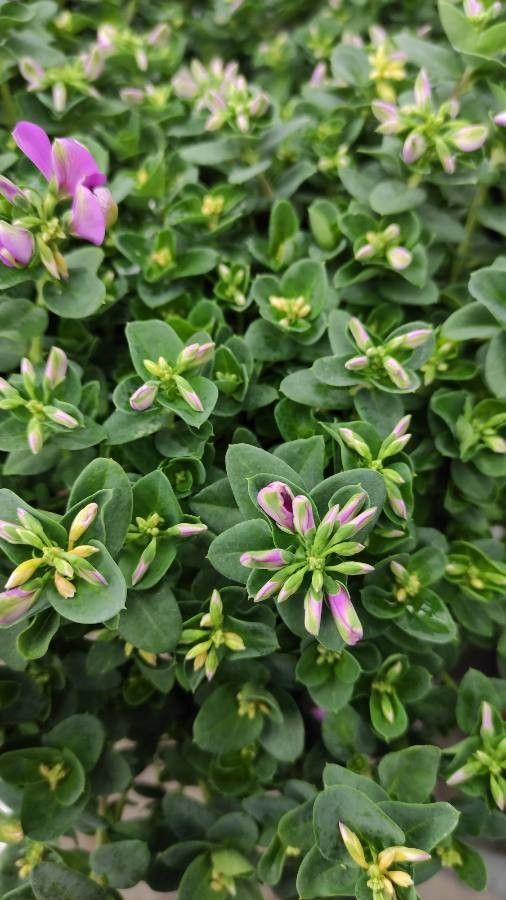
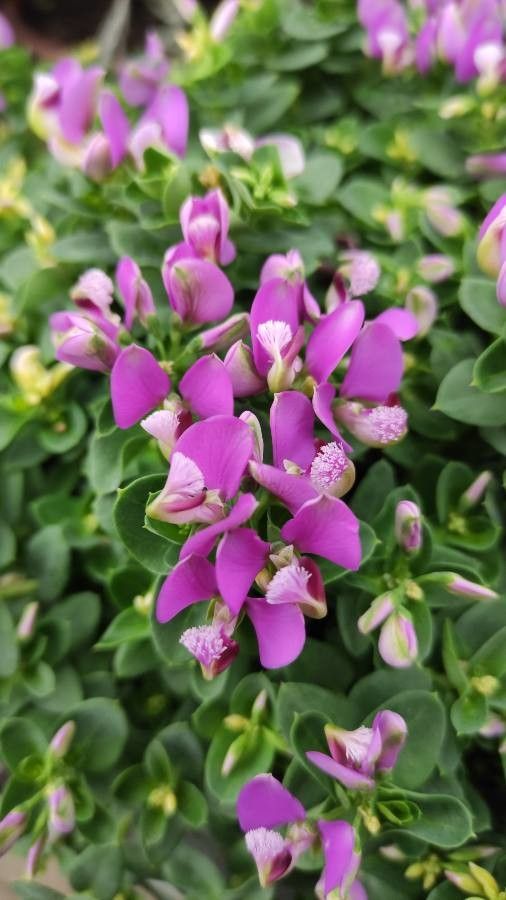
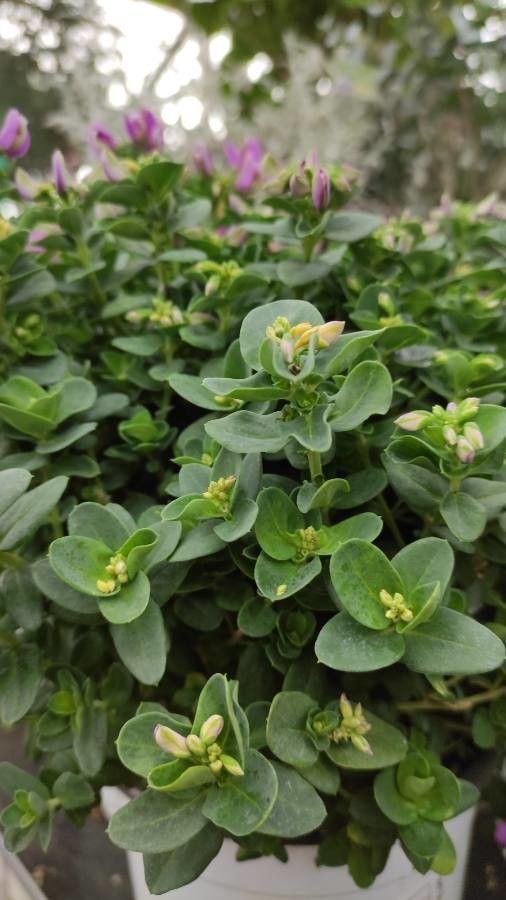
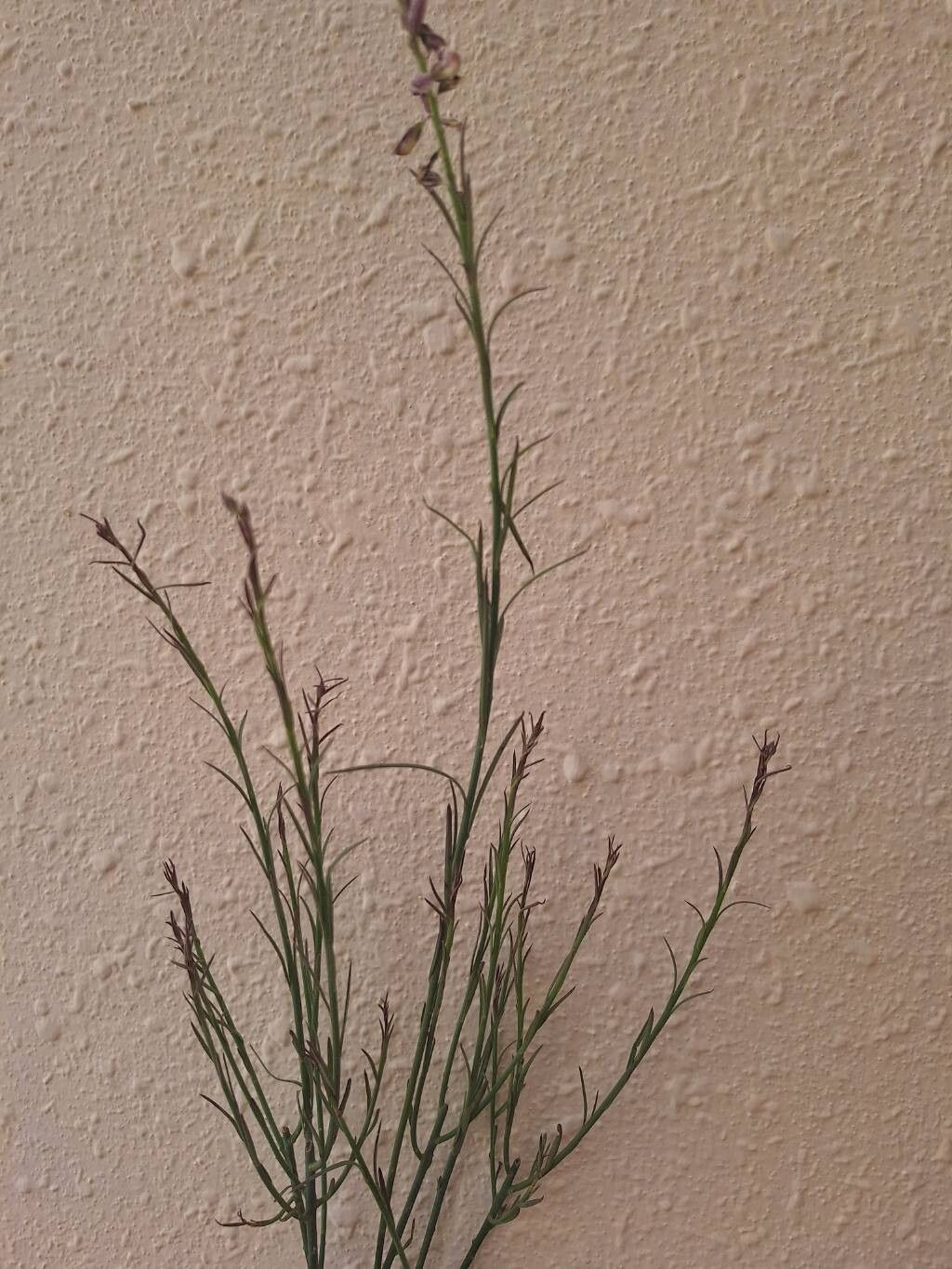
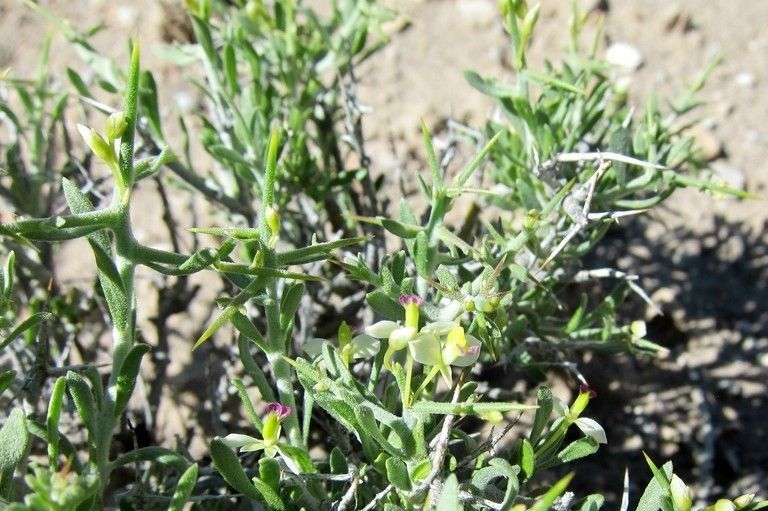
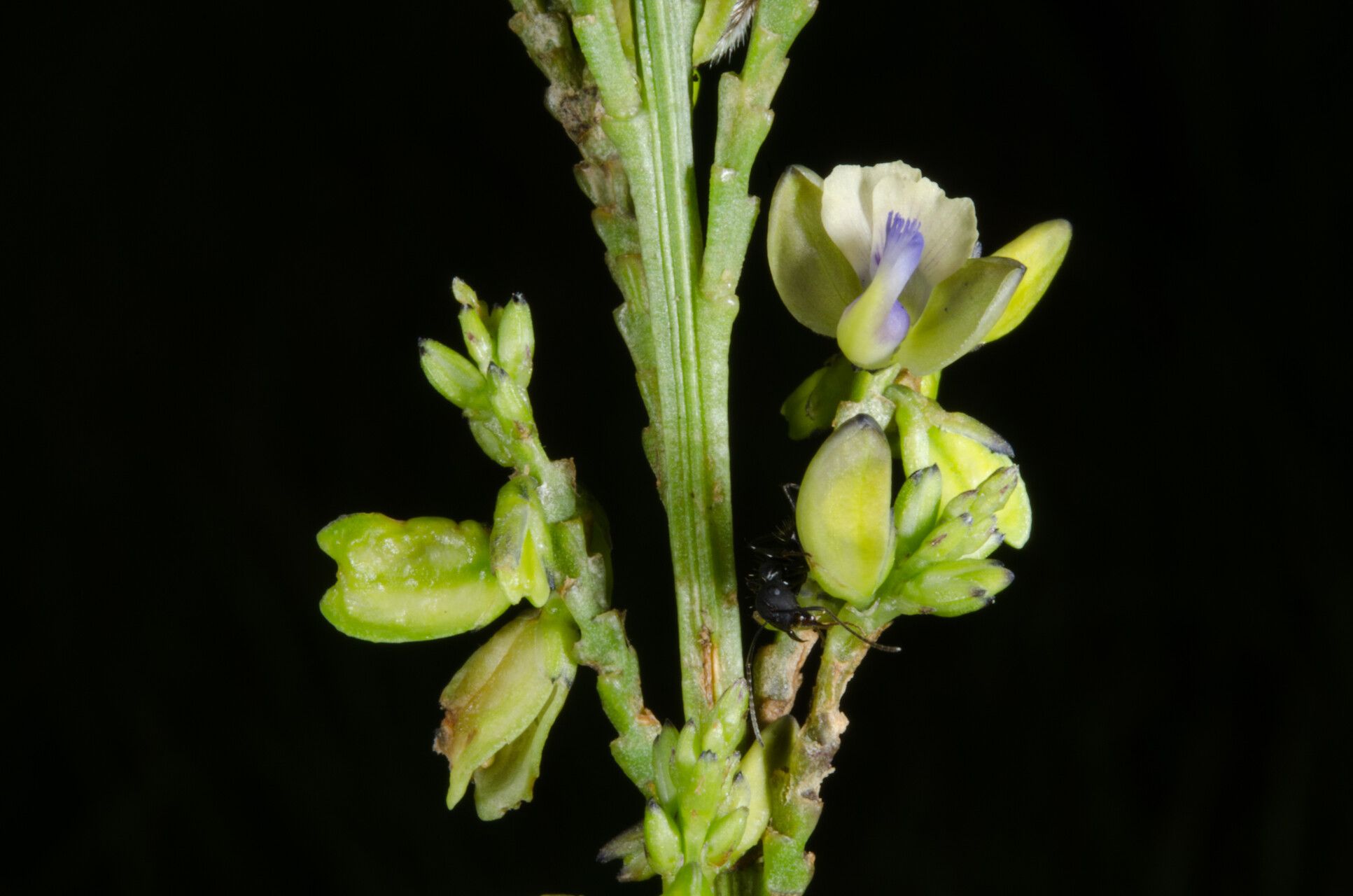
Polygala fruticosa, commonly known as the Sweet Pea Shrub, is a flowering plant belonging to the Polygalaceae family. Native to South Africa, it thrives in various habitats, including rocky slopes, coastal dunes, and forests. This plant can grow up to 2 meters tall, featuring a woody stem and small green leaves arranged alternately along the stem.
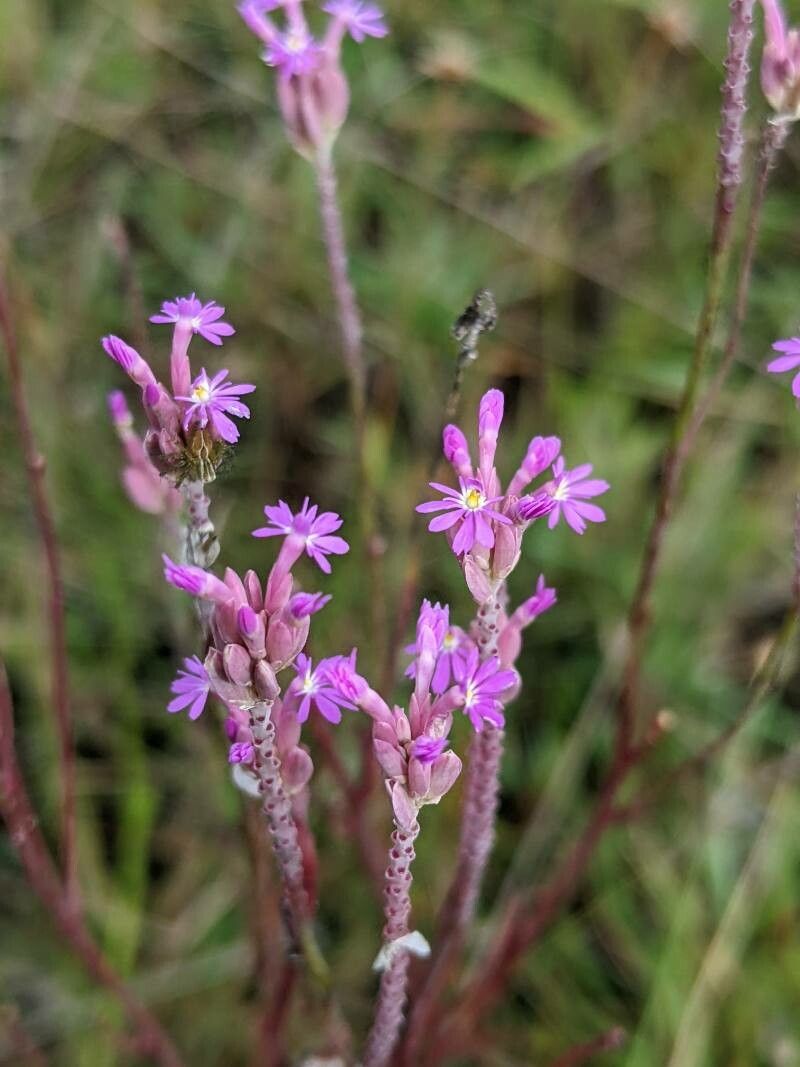
From late winter through spring, the Sweet Pea Shrub produces clusters of small, sweetly fragrant flowers in pink or purple. Resembling pea blossoms, the flowers have two large petals at the top and three smaller petals at the bottom, attracting bees, butterflies, and other pollinators.
Polygala fruticosa is a hardy plant that requires minimal care once established. It prefers full sun or partial shade and well-drained soil with slightly acidic to neutral pH levels. While the plant can tolerate drought conditions, it benefits from regular watering during dry periods.
The Sweet Pea Shrub also boasts various medicinal properties. In traditional South African medicine, it is known for its anti-inflammatory effects on respiratory conditions such as asthma and bronchitis.
Overall, Polygala fruticosa makes an excellent addition to any garden due to its beautiful blooms and attraction to pollinators. Its low-maintenance nature makes it an ideal choice for gardeners of all experience levels!
Sweet pea bush has strong resistance to disease and is typically not susceptible to illnesses. Regarding care, this plant is fairly low-maintenance. When grown outdoors, it needs only light watering, and larger specimens usually do not require pruning. Smaller specimens, however, should be pruned after they finish blooming. Sweet pea bush is suitable for anyone who has an outdoor area, like a garden or deck, and it does not demand extensive experience in plant care.
How to keep Polygala Fruticosa.
Light
The sweet pea bush does best with as much sunlight as possible throughout the day for optimal growth. It can tolerate some periods in shaded spots, but extended stretches of inadequate light can hinder its development. Because it comes from a sun-rich habitat, an overcast environment can have a negative effect on it.
Water
The sweet pea bush is moderately drought-tolerant, requiring watering every 1-2 weeks to keep the soil moist without causing it to become oversaturated. This evergreen shrub thrives outdoors, benefitting from natural rainfall and well-draining soil, which enhances its water efficiency.
Temperature
The sweet pea bush is native to climates with temperatures ranging from 68 to 100 °F (20 to 38 ℃). It flourishes most in those conditions. In other regions, the temperature must be adjusted accordingly each season for its growth.
Fertilizer
The best time to fertilize a sweet pea bush is in early spring, as it breaks dormancy. This encourages overall growth and flower formation. Fertilizing improves the foliage, stems, and branches, and promotes flowers that are large, vibrant, and long-lasting. It also helps move nutrients from the roots to the flowers and enhances the plant's health and resistance to disease.
Pruning
The sweet pea bush is known for its vibrant, pea-like flowers and benefits greatly from yearly pruning in early spring. To encourage healthy growth and prevent legginess, remove dead stems and trim back one-third of the plant. Pruning not only enhances air circulation but also reduces the risk of disease. Be sure to use clean, sharp tools for the best results.
Pot & Repot
Repot the sweet pea bush every 2 to 3 years in the spring, using a slightly larger pot to promote bushy growth. After repotting, ensure the plant receives bright, indirect light and consistent watering. It's important to use a well-draining container to help this low-maintenance shrub thrive.
Botanical profile.
- Plant Type
- Shrub
- Life Cycle
- Perennial
- Genus
- Polygala
- Family
- Polygalaceae
- Hardiness Zone
- 9-11
- Mature Height
- 91 cm
- Mature Spread
- 91 cm
- Leaf Color
- Green, Blue
- Leaf Type
- Evergreen
- Flower Color
- Purple, Pink
- Flower Size
- 2.54 cm to 5.08 cm
- Bloom Time
- All year round
- Planting Time
- Spring, Summer
- Harvest Time
- All year round
- Native Area
- South Africa, Eswatini
Reader questions.
What are the sunlight requirements for a Sweet Pea Bush?
Sweet Pea Bush thrives best in full sun, which means it needs more than 6 hours of sunlight each day for optimal growth. It can also manage in partial sun, receiving about 3-6 hours of sunlight. However, note that prolong periods in less than optimal light conditions can stunt its growth. Given its nature to prefer abundant sunlight, an overcast environment might not be beneficial for its health. It's crucial to observe the movement of sunlight in your garden to ensure that your Sweet Pea Bush gets the right balance of light and shade it needs to be happy.
What is the native climate for Sweet pea bush?
Sweet pea bush is native to climates where temperatures range between 68 to 100 °F (20 to 38 °C). It thrives the most in these temperature conditions. Being extremely heat-loving, Sweet pea bush requires temperatures to be adjusted seasonally in regions outside its native climate to support its growth.
How does artificial lighting help indoor Sweet Pea Bush plants, and what are the best practices?
For indoor Sweet Pea Bush plants, artificial lighting is essential when natural sunlight is insufficient, especially in winter or less sunny spaces. Artificial lights, like LED, can be customized to provide specific wavelengths needed for plant growth. For full sun plants, 30-50W/sq ft is recommended; partial sun plants need 20-30W/sq ft, while full shade plants require 10-20W/sq ft of artificial light. It's important to position the light source 12-36 inches above the plant and to mimic natural daylight hours, providing 8-12 hours of light per day to promote healthier, faster growth.
How should Sweet pea bush be cared for in cold temperatures?
Sweet pea bush prefers warm temperatures and is not tolerant of cold. During winter, it's essential to keep the plant at temperatures above 20°C, avoiding exposure to temperatures near 0°C or lower, which can harm the plant. If grown outdoors, the Sweet pea bush should be brought indoors in autumn, placed near a bright window, but kept away from direct heat sources like heaters to maintain optimal growth conditions.
What are common symptoms of insufficient light in Sweet Pea Bush plants, and how can these issues be addressed?
Symptoms of light deficiency in Sweet Pea Bush include smaller new leaves, leggy or sparse growth, early leaf drop, slower or no growth, lighter-colored leaves, chlorosis, sunscald, leaf curling, wilting, and leaf scorching. To combat insufficient light, gradually introduce the plant to sunnier locations until it gets at least 6 hours of direct sunlight daily. For indoor plants, consider using artificial light if moving the plant is not feasible, and keep it on for at least 8 hours daily. Outdoor plants should be moved gradually to avoid shock and sunburn. If trees obstruct sunlight, pruning might be necessary. For smaller plants, consider transplanting during their dormant period to a location with more sunlight and good drainage.
What should be done if the Sweet pea bush suffers from low temperature exposure?
If the Sweet pea bush is exposed to temperatures below its tolerance, such as below -5°C resulting in lightening of leaf colors, browning or blackening post-frost, and symptoms like wilting or drooping, the frost-damaged parts should be trimmed off. The plant should then be moved indoors to a warm environment for protection against the cold. Placing it near a south-facing window ensures ample sunlight, and care should be taken to avoid placing it near heaters or air conditioning vents to prevent air dryness.
What are the signs and solutions for Sweet pea bush exposed to high temperatures?
Sweet pea bush should ideally be kept below 38°C during summer. Exposure to temperatures above 43°C can lighten the leaf colors and increase susceptibility to sunburn. To address this, sunburned and dried parts of the plant should be trimmed away. The plant should also be relocated to a shaded area to protect it from the midday and afternoon sun, and it's important to water the plant in the morning and evening to keep the soil moist and support its wellbeing.