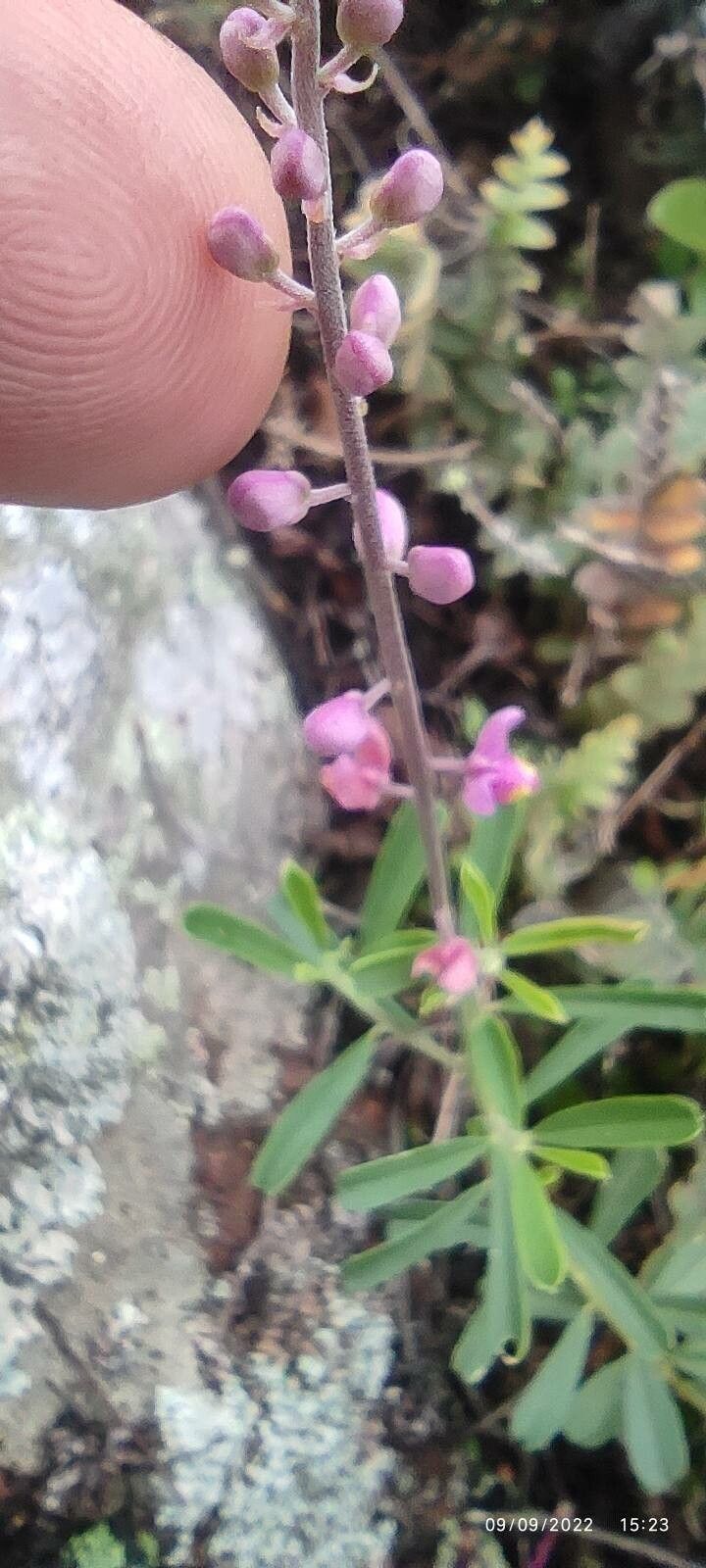
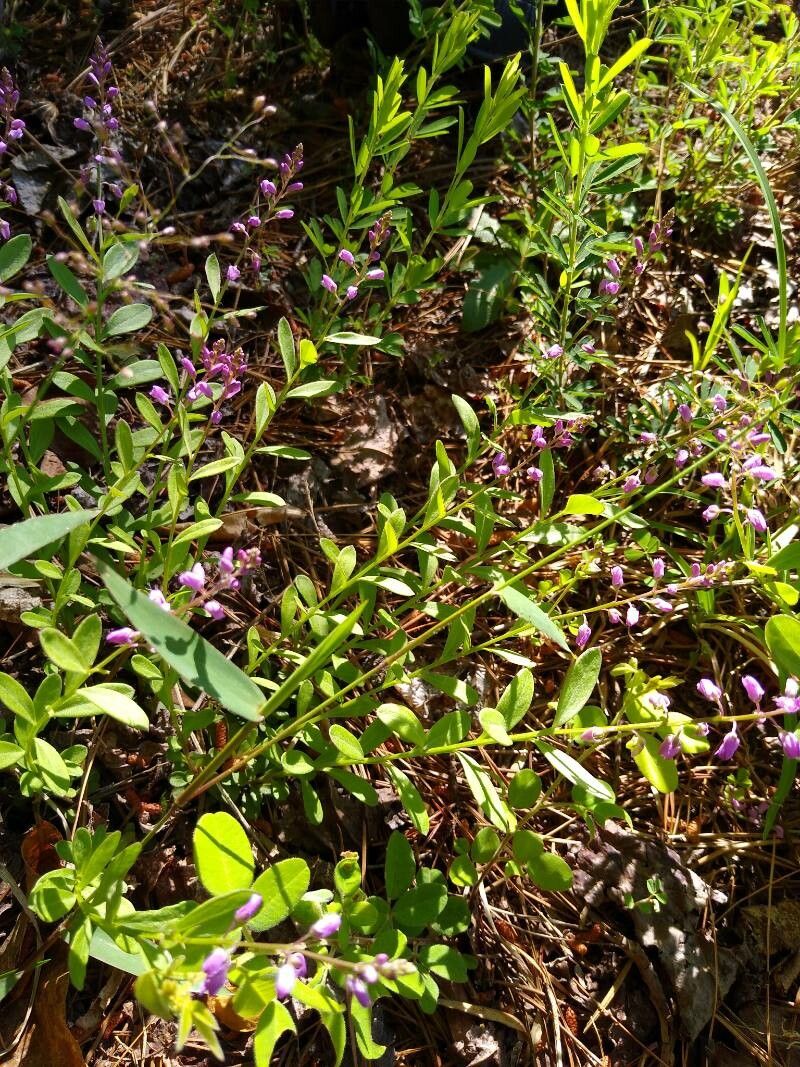
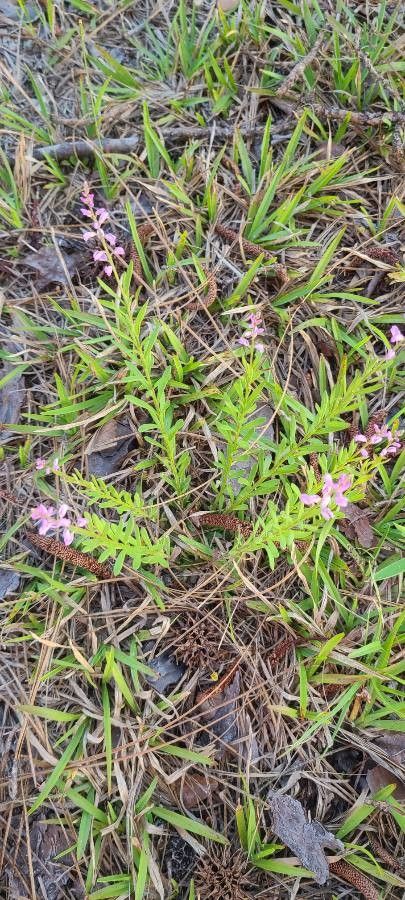
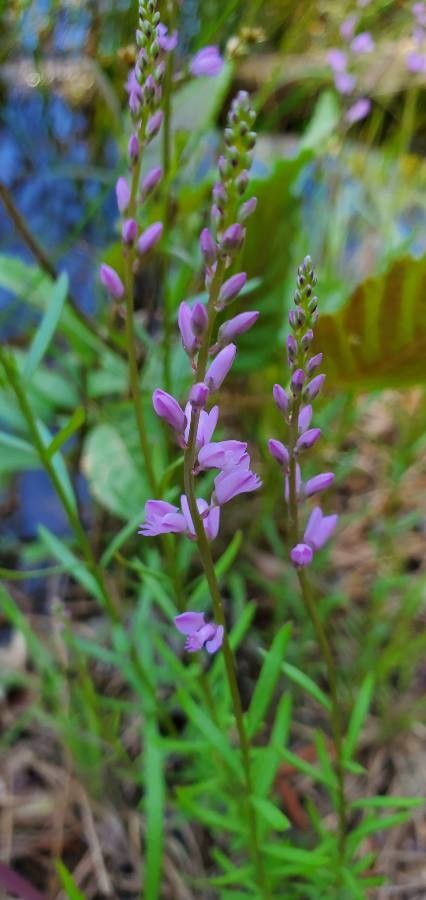
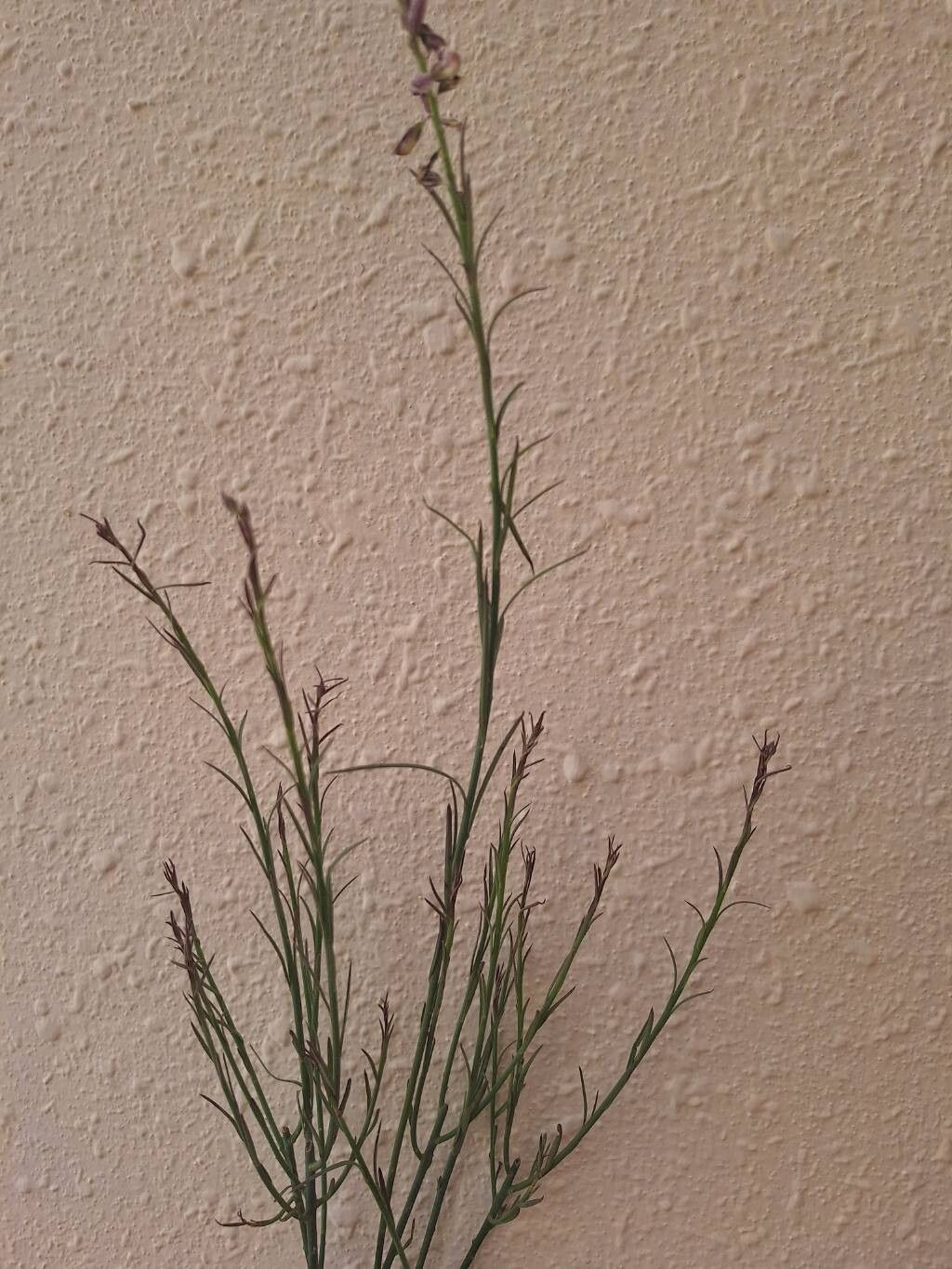
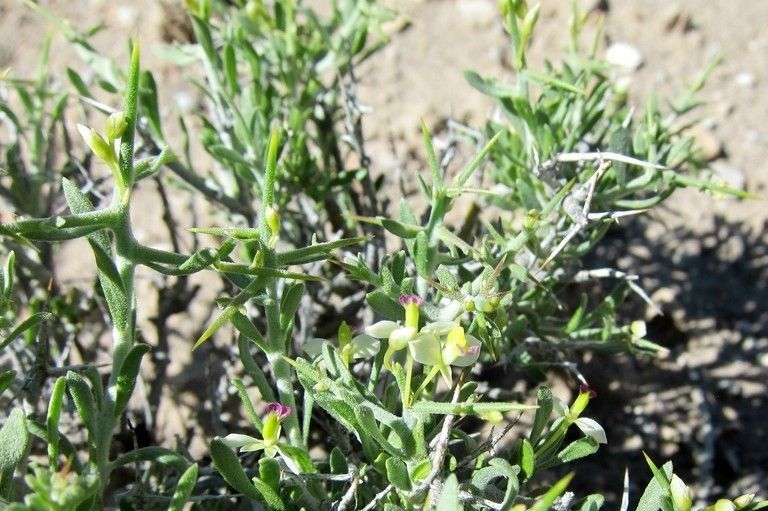
Polygala polygama, commonly known as Racemed Milkwort, is a perennial herbaceous plant belonging to the Polygalaceae family. Native to North America, it thrives in diverse habitats such as meadows, prairies, and open woods. The plant typically grows to a height of 1-2 feet and features a branching stem with lance-shaped, alternate leaves.
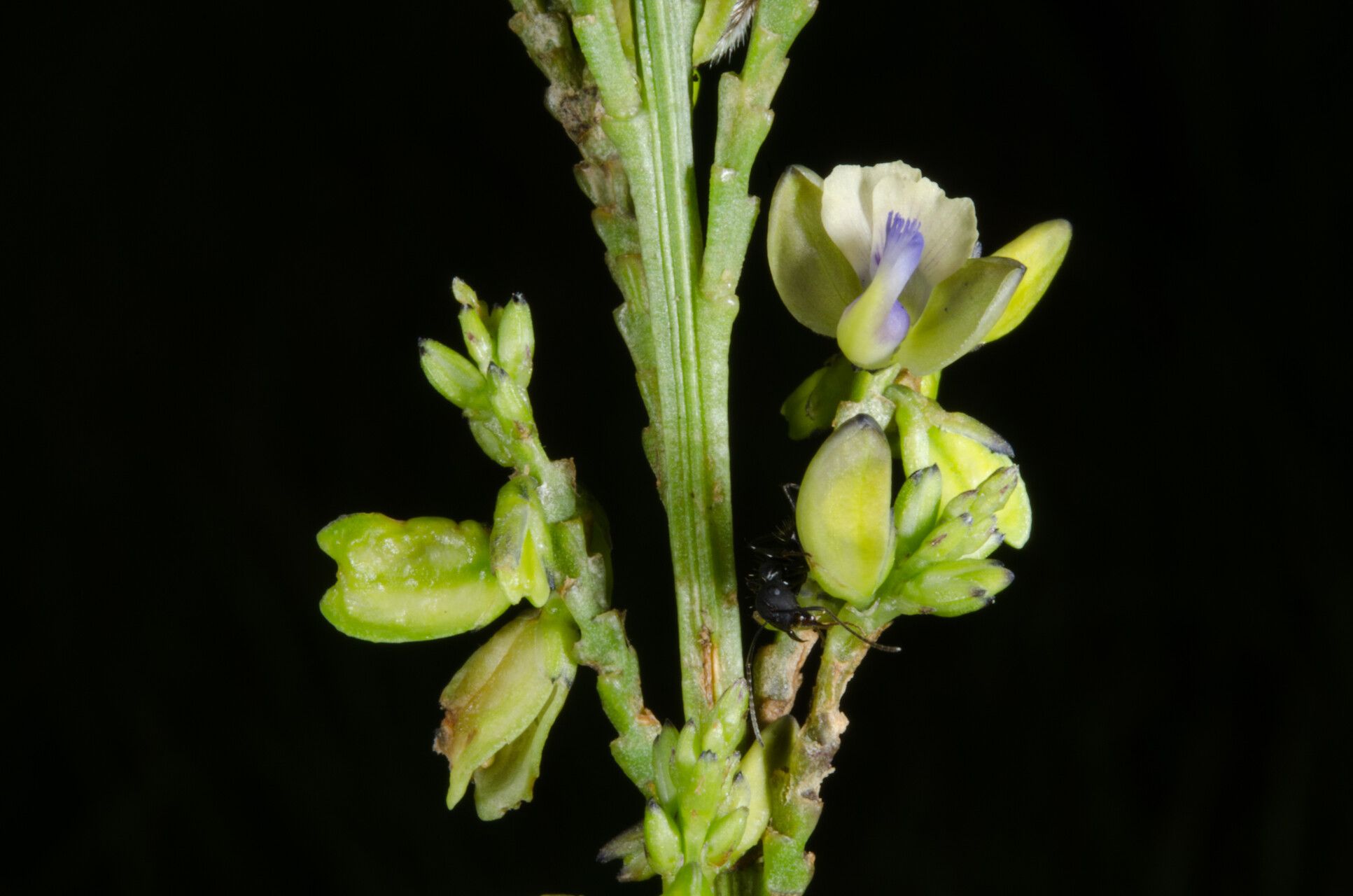
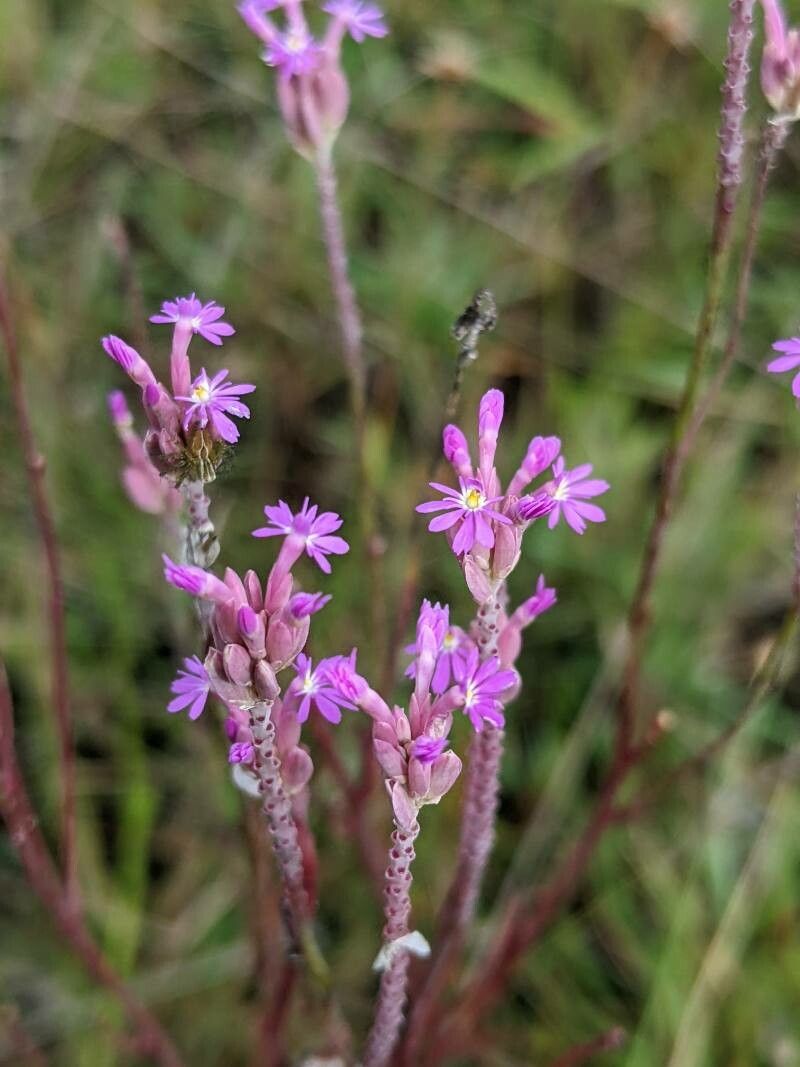
The flowers of Polygala polygama are small and exhibit a pinkish-purple hue, with a distinctive shape that resembles a bird's head. They bloom from June to September and are arranged in racemes at the top of the stem. The fruit is an oblong capsule containing multiple seeds.
Historically, Native Americans have utilized this plant for its medicinal properties to treat a variety of ailments, including respiratory problems, digestive issues, and skin conditions. The plant contains saponins, which have noteworthy anti-inflammatory properties.
Polygala polygama is also a vital food source for pollinators such as bees and butterflies, thanks to its nectar-rich flowers. It can be cultivated in gardens or allowed to naturalize in suitable areas, requiring well-drained soil and full sun exposure.
Overall, Polygala polygama is an attractive wildflower that offers both medicinal benefits and ecological value, making it a significant component of North American flora and contributing to biodiversity conservation efforts.
Racemed milkwort is fairly resistant to disease and typically does not suffer from illnesses. Nevertheless, it can be affected by pests and diseases present in its surroundings. These infections are usually mild. Regarding care, the plant has moderate maintenance needs. Regular pruning is required to keep a tidy appearance and support healthy growth. Fertilizing can also help encourage flowering. Racemed milkwort is suitable for anyone with outdoor space, such as a garden or patio, and does not demand extensive care experience. It may need more attention when grown indoors.
How to keep Polygala Polygama.
Light
Racemed milkwort comes from sunny, open habitats and performs best in full sun. It can tolerate some shade but prefers direct sunlight for optimal growth. This plant, which may be annual or biennial, is noted for its sun-loving habit.
Water
Racemed milkwort flourishes in well-drained environments with moderate moisture. Although it needs regular weekly watering, its drought tolerance offers some flexibility in care. Its growth cycles are influenced by water availability, so attentive irrigation during the growing season is essential for optimal flowering.
Temperature
Racemed milkwort can tolerate a wide range of temperatures, but its distribution may still be restricted by certain combinations of moisture and heat. It performs best in warm summer climates with sufficient rainfall or irrigation. Extended periods of cloudy, rainy weather or prolonged high temperatures increase the chance of Racemed milkwort dying. In winter, shielding the plant from cold can raise its survival rate.
Fertilizer
Racemed milkwort requires regular fertilization to encourage flowering but does not tolerate too much. It needs small, frequent doses of fertilizer throughout its entire life cycle, especially during the peak active growth period and while it is flowering. You should feed your Racemed milkwort until it stops blooming.
Pruning
To ensure healthy growth of racemed milkwort, it's important to prune the plant carefully from early to late spring. Start by removing any dead or damaged stems, and then trim back vigorous shoots to maintain the plant's shape. Be cautious not to prune too heavily, as this can stress the plant. Following these steps will promote robust health and improve flowering. For detailed pruning techniques, refer to horticultural guidelines.
Botanical profile.
- Plant Type
- Herb
- Life Cycle
- Biennial
- Genus
- Polygala
- Family
- Polygalaceae
- Hardiness Zone
- 4-8
- Mature Height
- 15 cm to 30 cm
- Mature Spread
- 15 cm to 25 cm
- Leaf Color
- Green
- Leaf Type
- Deciduous
- Flower Color
- White, Yellow
- Flower Size
- 0.76 cm
- Bloom Time
- Late spring, Early summer, Mid summer
- Planting Time
- Spring, Summer, Autumn
- Harvest Time
- Mid summer, Late summer, Early fall
- Native Area
- Georgia
Other names.
Reader questions.
What are the sunlight requirements for Racemed milkwort (Polygala polygama)?
Racemed milkwort thrives in environments that provide full sun, requiring above 6 hours of sunlight daily for optimal growth. It can also tolerate partial sun, roughly needing about 3-6 hours of sunlight. This plant, native to bright, open areas, prefers direct sunlight but can still grow in lesser conditions. When arranging your garden or indoor plant setup, it's crucial to observe the movement of sunlight throughout the day to ensure your Racemed milkwort gets the right balance of light and shade for its happiness and health.
How can artificial lighting be used for Racemed milkwort growth indoors?
When natural sunlight is insufficient for Racemed milkwort, especially during winter or in less sunny indoor locations, artificial lighting becomes an essential solution to provide the plant with adequate light for growth. LED lights are recommended due to their ability to be customized for the plants' specific light wavelength needs. For plants that typically require full sun, about 30-50W/sq ft of artificial light is needed; partial sun plants need 20-30W/sq ft, while full shade plants require 10-20W/sq ft. The light source should be placed 12-36 inches above the plant to mimic natural sunlight, and the plants should receive 8-12 hours of light per day to replicate the natural daylight hours.
What symptoms indicate Racemed milkwort is getting inadequate light?
Symptoms of inadequate light in Racemed milkwort include smaller new leaves, leggy or sparse growth, faster leaf drop, and no new growth, indicating the plant has entered survival mode due to poor light conditions. Leaves may also develop lighter colors or irregular patterns, showing a chlorophyll and nutrient deficiency. Conversely, excessive sunlight exposure can result in chlorosis, sunscald, leaf curling, wilting, and leaf scorching, which are signs of stress and damage caused by too much direct light.
What are the solutions for managing sunlight exposure for Racemed milkwort?
To manage sunlight exposure for optimal Racemed milkwort growth, indoor plants can gradually be moved to sunnier spots until they receive at least 6 hours of direct sunlight daily, or artificial lights can be used for additional lighting. For outdoor and ground plants, gradually relocating them to better-lit areas while avoiding sudden exposure changes is crucial to prevent sunburn. Pruning or removing obstructions can also help increase sunlight access. Note that while parts of the plant damaged by insufficient sunlight may not recover, new growth after increasing light exposure will be healthy.