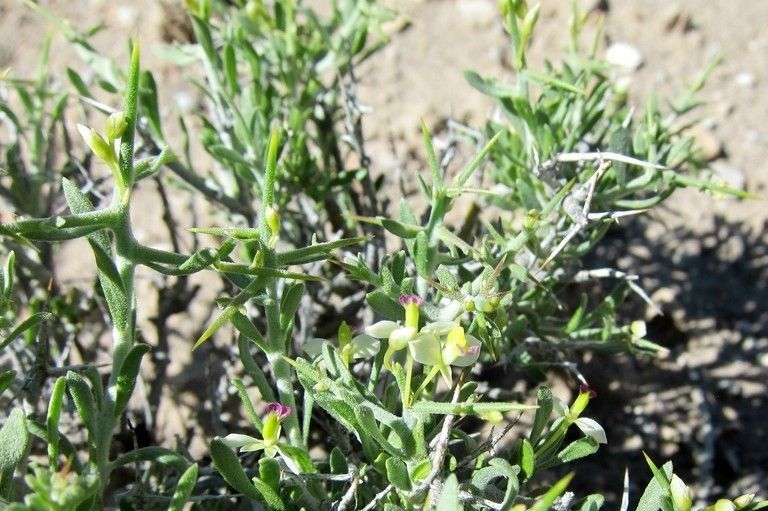
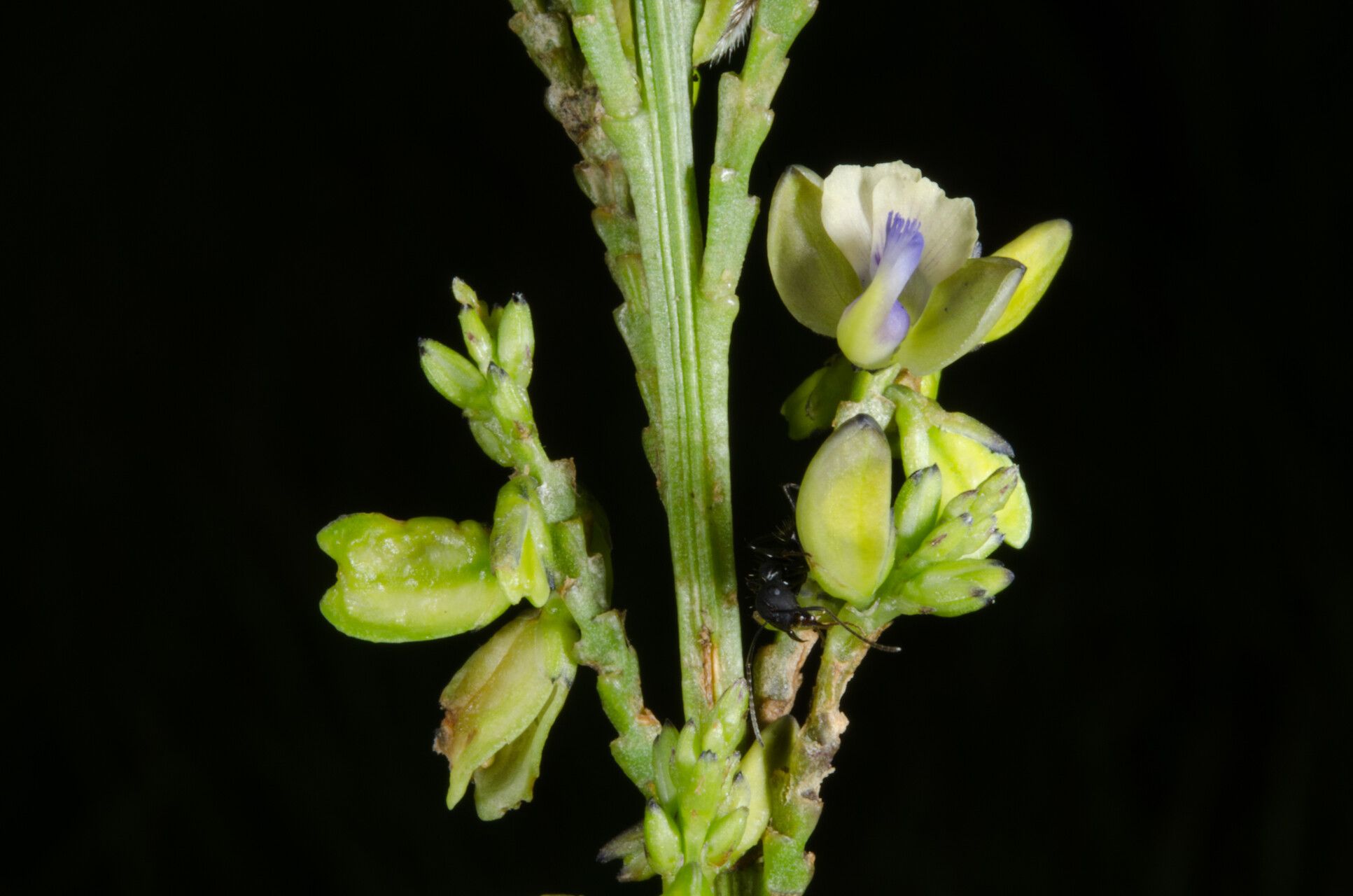
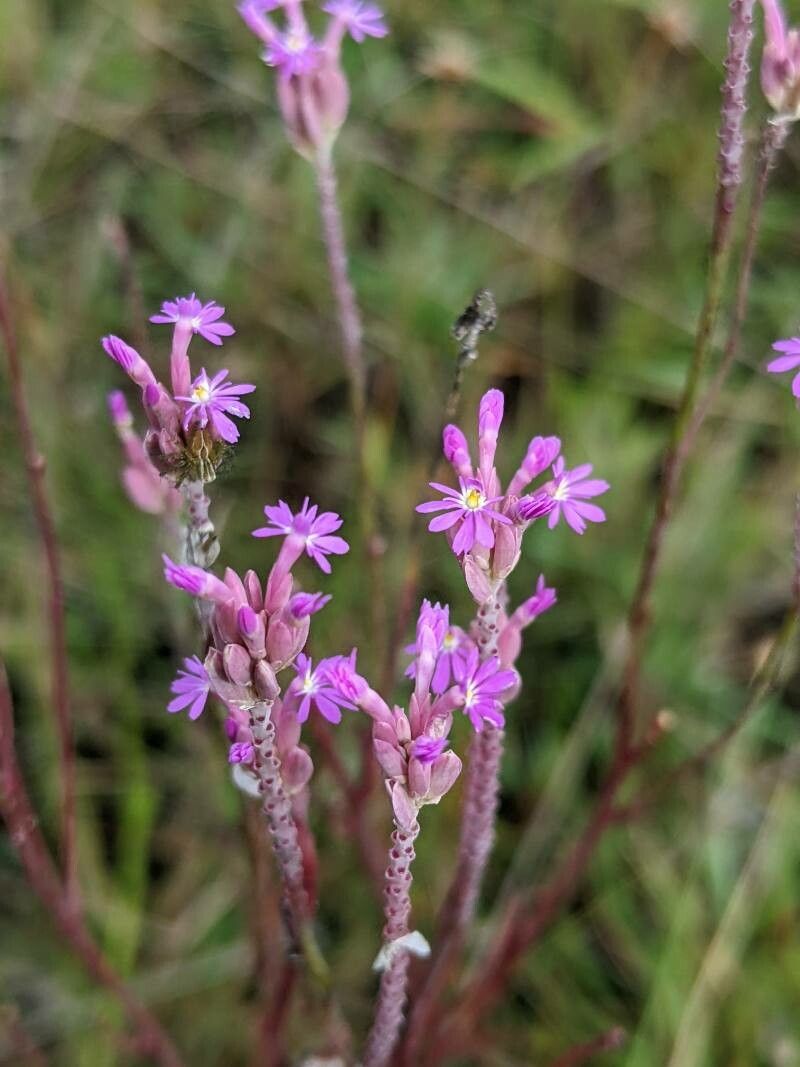
Polygala senega, commonly known as Seneca snakeroot or Senega root, is a perennial herbaceous plant in the Polygalaceae family. Native to North America, it can be found in diverse habitats such as meadows, forests, and wetlands.
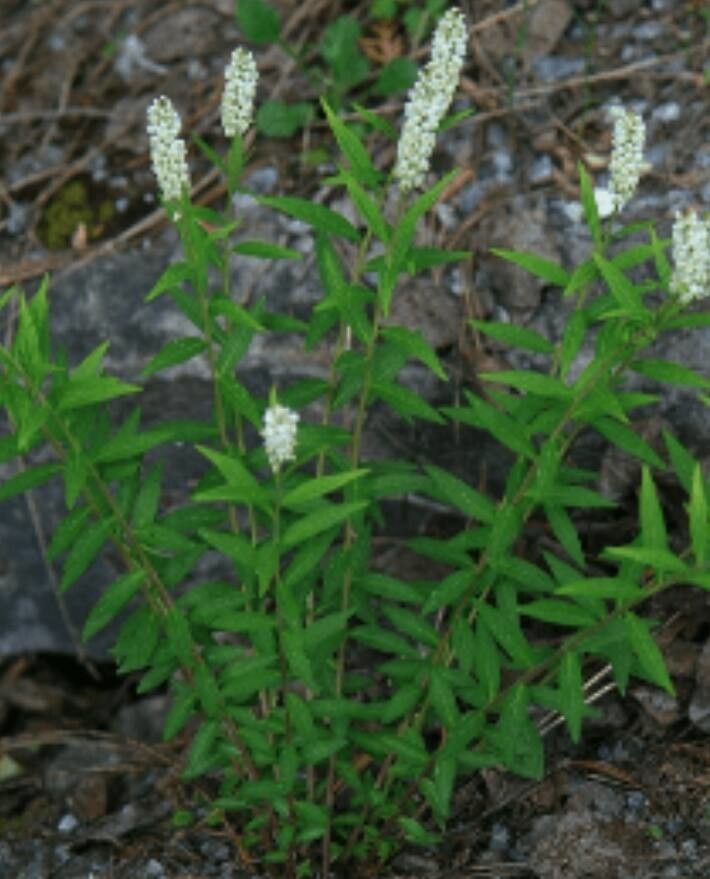
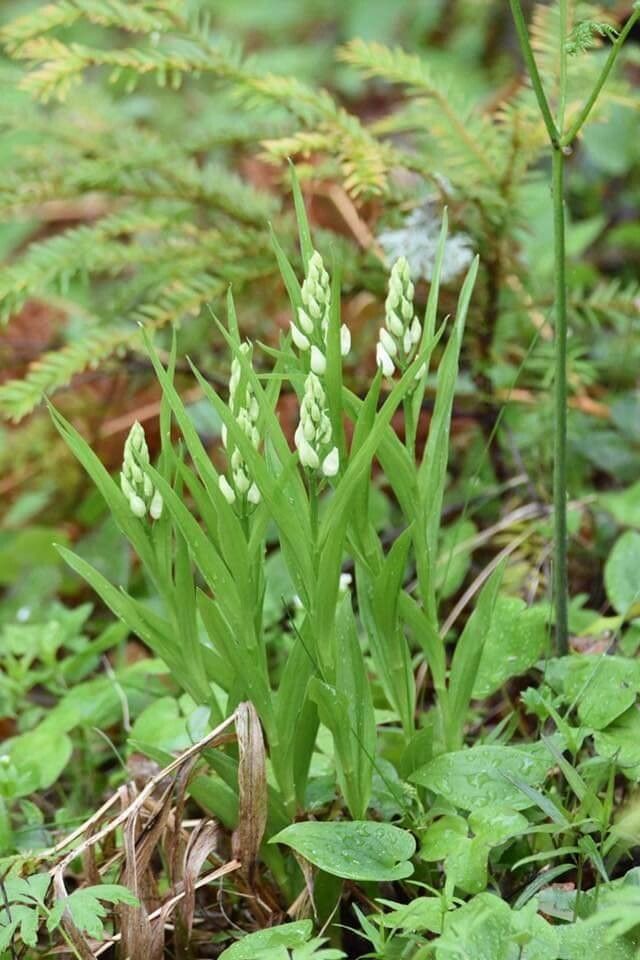
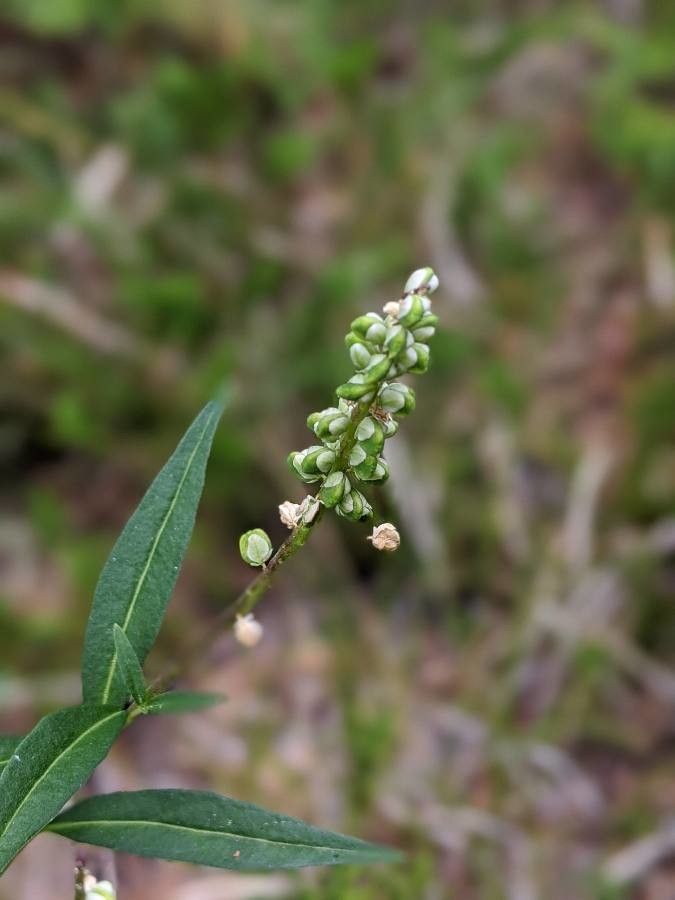
The plant features a short stem with numerous branches, reaching up to 30 cm in height. Its alternate leaves are lance-shaped with a smooth surface. The small flowers are either white or pinkish-purple, arranged in an irregular shape with five petals.
Polygala senega has been utilized for medicinal purposes for centuries, particularly by Native Americans. It contains saponins, which have expectorant properties, making it effective for treating respiratory ailments such as bronchitis, asthma, and coughs. Additionally, its diuretic properties make it useful for treating urinary tract infections.
The roots of Polygala senega are harvested in the fall when they have the highest concentration of active compounds. These roots can be dried or used fresh to make teas or tinctures.
While Polygala senega is generally considered safe when used appropriately under medical supervision, it should not be taken by pregnant women due to its potential uterine-stimulating effects. Excessive use may also cause nausea or vomiting.
Overall, Polygala senega is a fascinating plant with medicinal properties that have been utilized by various cultures throughout history, making it an important part of traditional medicine practices today.
Seneca snakeroot is fairly resistant to diseases and typically does not suffer from many illnesses. Still, it can be affected by pests and diseases present in its environment. When infections do occur, they are generally mild. Regarding upkeep, this plant needs a moderate level of care. It should be pruned on a regular basis to preserve a neat appearance and encourage healthy growth. Applying fertilizer can also support better flowering. Seneca snakeroot is a good choice for anyone with outdoor areas like a garden or patio and does not demand extensive plant-care experience. If kept indoors, it may need more attentive care.
How to keep Polygala Senega.
Light
Seneca snakeroot does best in locations that get maximum sunlight throughout the day, though it can adapt to places with only intermittent sun rays. Its native habitat consists of wide, sunlit areas. An imbalance in light — whether too little or too much — can be harmful to its growth.
Water
Seneca snakeroot flourishes with regular rainfall and needs to be watered weekly to stay healthy. While it is moderately drought-tolerant, the plant does better with a steady supply of moisture. As a deciduous plant, its water requirements change with the seasons, increasing during its growth period and decreasing when it is dormant.
Temperature
Seneca snakeroot is indigenous to regions with temperatures between 32 and 90 °F (0 to 32 ℃). It thrives best in environments that experience moderate temperature variation. To accommodate its needs, keep ambient temperatures that mirror its native habitat year-round.
Fertilizer
Usually one application of fertilizer in spring is enough for Seneca snakeroot, though multiple feedings can maximize growth. Feed every month to every month and a half. Fertilization improves the leaves’ appearance and function, encouraging consistent color and a healthy texture. It also promotes root growth and nutrient uptake, supporting long-term plant health.
Pruning
To promote growth and flowering, Seneca snakeroot should be pruned from early to late spring. Important practices include removing damaged stems, thinning to improve air circulation, and shaping the plant for aesthetic purposes. Using clean tools helps prevent damage, while regular pruning is essential for maintaining a healthy and robust plant. Proper care is crucial for the well-being of Seneca snakeroot.
Botanical profile.
- Plant Type
- Herb
- Life Cycle
- Perennial
- Genus
- Polygala
- Family
- Polygalaceae
- Hardiness Zone
- 3-8
- Mature Height
- 25 cm to 46 cm
- Mature Spread
- 20 cm to 30 cm
- Leaf Color
- Green
- Leaf Type
- Deciduous
- Flower Color
- White
- Flower Size
- 2.54 cm
- Bloom Time
- Late spring, Early summer
- Planting Time
- Spring, Summer, Autumn
- Harvest Time
- Mid summer, Late summer
- Native Area
- Georgia
Other names.
Reader questions.
What are the sunlight requirements for Seneca snakeroot?
Seneca snakeroot requires full sun conditions to flourish optimally, which means it should receive above 6 hours of sunlight a day. However, it can also adapt to conditions of partial sun, receiving about 3-6 hours of sunlight. It's crucial to observe how sunlight moves through your garden throughout the day to find spots that offer a perfect balance of light and shade, ensuring the plants' happiness and growth.
What is the native temperature range for Seneca snakeroot?
Seneca snakeroot is native to areas with a temperature range of 32 to 90 °F (0 to 32 °C). It grows optimally in environments with moderate temperature fluctuations, reflecting its native habitat. The plant has a strong resistance to cold, so it typically doesn't require special frost protection measures during winter. However, if temperatures are expected to drop below -35°C, cold protection should be provided by covering the plant with materials such as soil or straw. It's recommended to water the plant abundantly before the first freeze in autumn to ensure the soil remains moist and enters a frozen state. This helps prevent drought and water scarcity for the plant during winter and early spring.
Can Seneca snakeroot adapt to artificial lighting?
Yes, Seneca snakeroot can adapt to artificial lighting, which becomes particularly important for indoor plants or during less sunny seasons. Adequate lighting is crucial for optimal growth, and when natural sunlight is insufficient, artificial lights like LED, which can be customized to provide specific wavelengths, offer a solution. Full sun plants need 30-50W/sq ft of light, partial sun plants require 20-30W/sq ft, and full shade plants need 10-20W/sq ft. The artificial light source should be placed 12-36 inches above the plant for 8-12 hours a day to mimic natural sunlight conditions as closely as possible.
How does low temperature affect Seneca snakeroot and what are the solutions?
Seneca snakeroot is cold-tolerant and performs best when the temperature is above 0°C. It should be kept above -30°C during winter. When temperatures fall below -35°C, there might not be noticeable changes during the winter, but there could be a decrease in sprouting or even a lack of sprouting in springtime. The solution for sprouting issues is to remove any parts of the plant that have failed to sprout in the spring.
What symptoms indicate that Seneca snakeroot is receiving insufficient light?
When Seneca snakeroot receives insufficient light, it exhibits several symptoms, including smaller new leaves, leggy or sparse growth, faster leaf drop, slowed or halted growth, and pale or lighter-colored new leaves. These signs indicate the plant is struggling with light deficiency and is not able to perform photosynthesis effectively, leading to reduced growth and health.
How does high temperature affect Seneca snakeroot and what are the solutions?
During the summer, Seneca snakeroot should be kept below 32°C. If the temperature exceeds 35°C, the leaves of the plant may become lighter in color, prone to curling, susceptible to sunburn, and in severe cases, the entire plant may wilt and become dry. To mitigate these effects, trim away the sunburned and dried-up parts of the plant. Move the plant to a location that provides shade from the midday and afternoon sun, or utilize a shade cloth to create shade. It's also beneficial to water the plant in the morning and evening to keep the soil moist.
What are the effects of excessive sunlight on Seneca snakeroot?
Excessive sunlight can be just as harmful to Seneca snakeroot, leading to chlorosis, where leaves lose their green color and turn yellow, sunscald resulting in damaged leaves or stems, leaf curling as a defense mechanism against water loss, wilting due to increased transpiration, and leaf scorching characterized by brown, dry patches on the leaves. These symptoms indicate the plant is under stress from too much sunlight exposure.
How can I address sunlight-related issues in Seneca snakeroot?
To address sunlight-related issues, gradually acclimate your Seneca snakeroot to the appropriate amount of sunlight by moving it to a sunnier spot each week, aiming for at least 6 hours of direct sunlight daily, especially if it's currently placed indoors. Use south-facing windows for maximum exposure and consider supplemental artificial lighting if necessary. For outdoor plants, similar gradual adaptation is recommended to prevent sunburn. If sunlight obstruction is an issue, consider pruning or transplanting to better-lit locations. Note that parts of the plant damaged by previous poor light conditions may not recover, but new growth should be healthy with proper light adjustment.