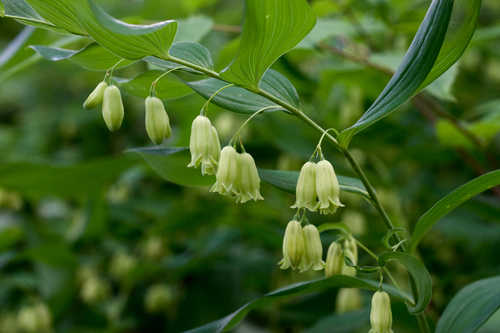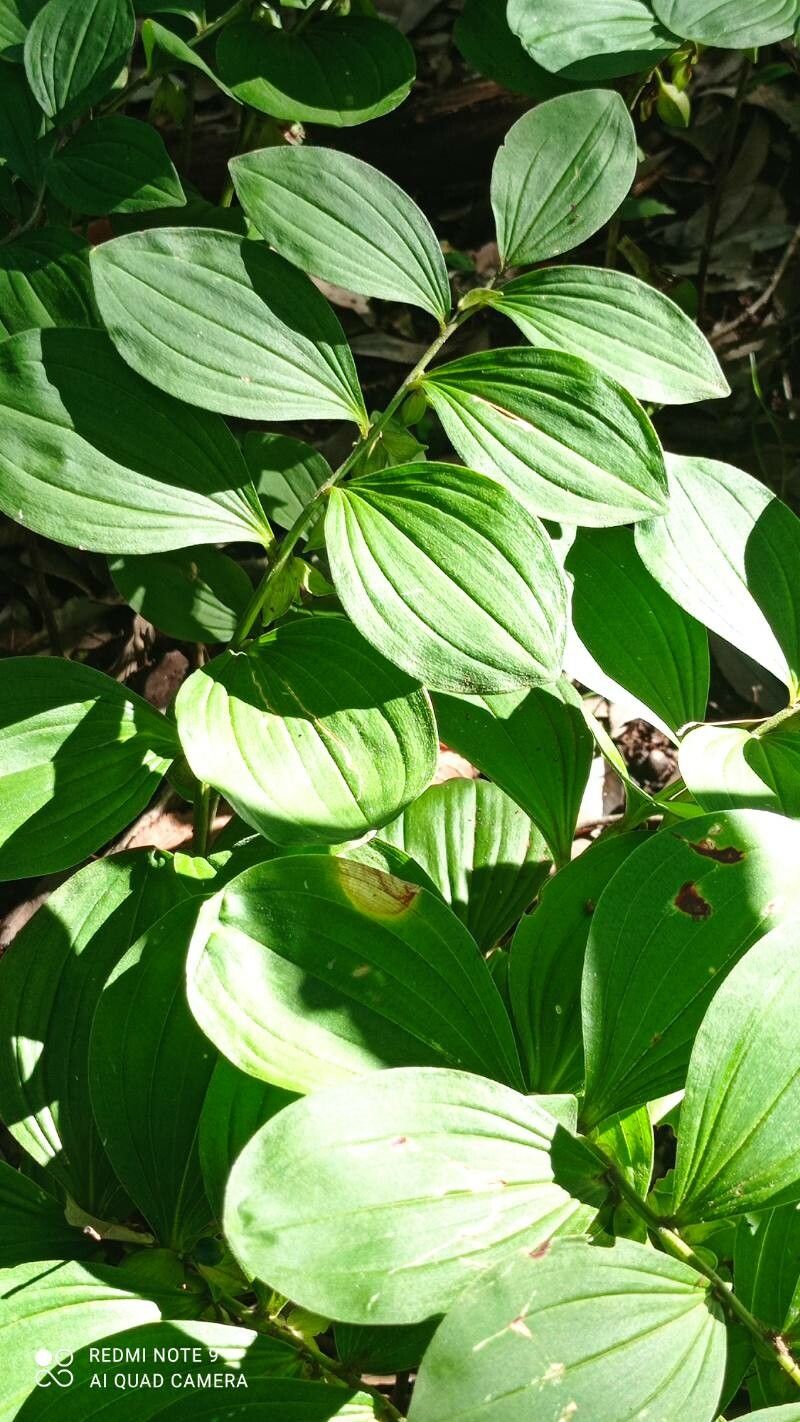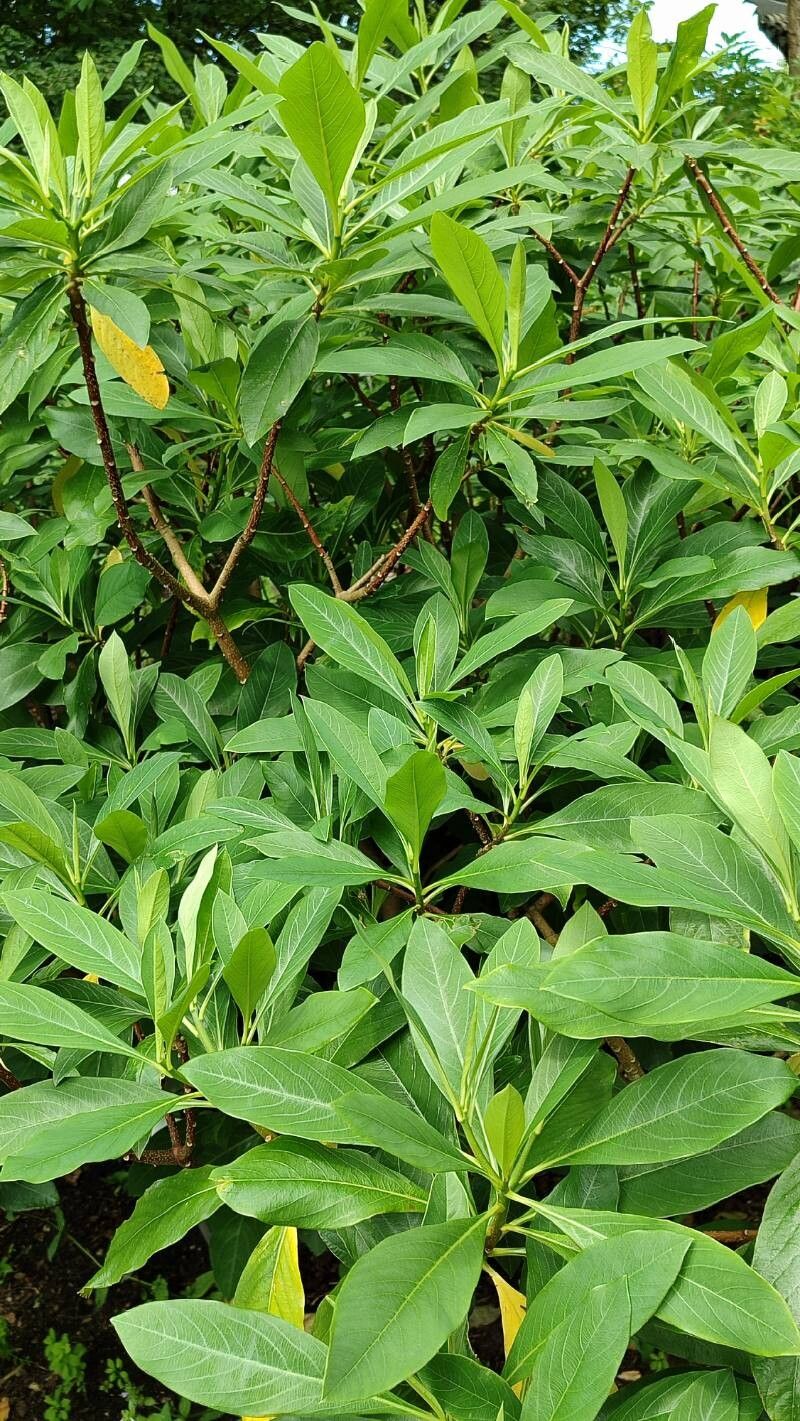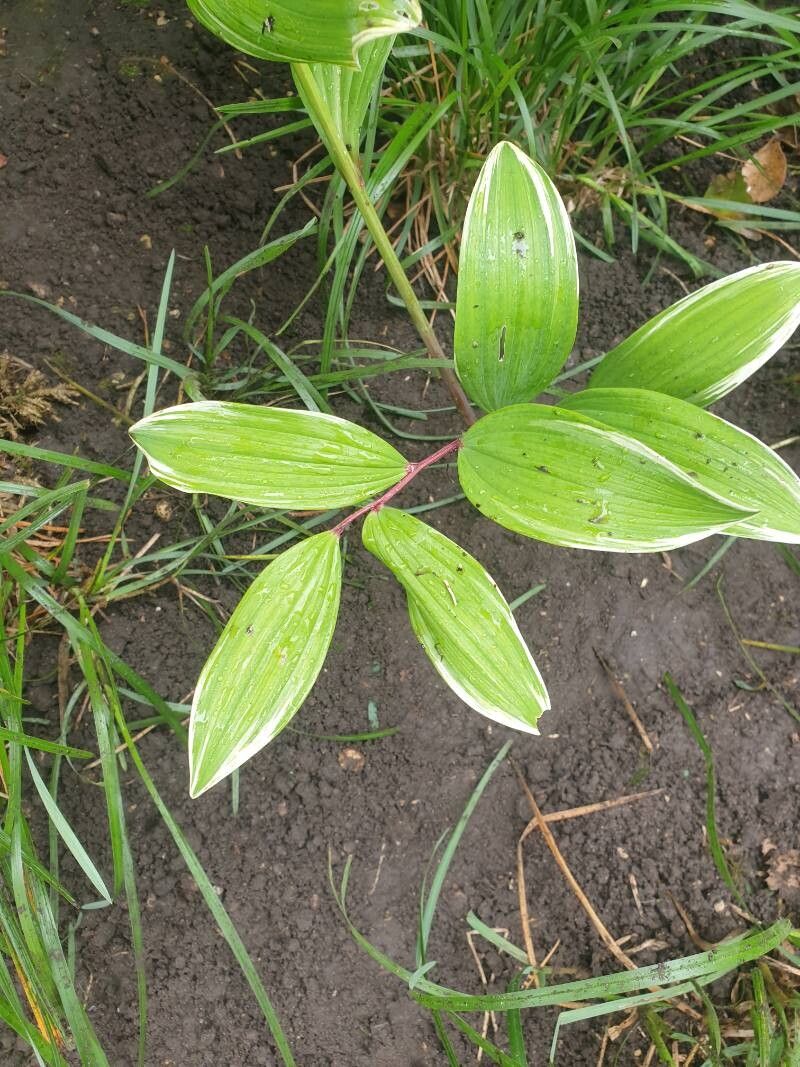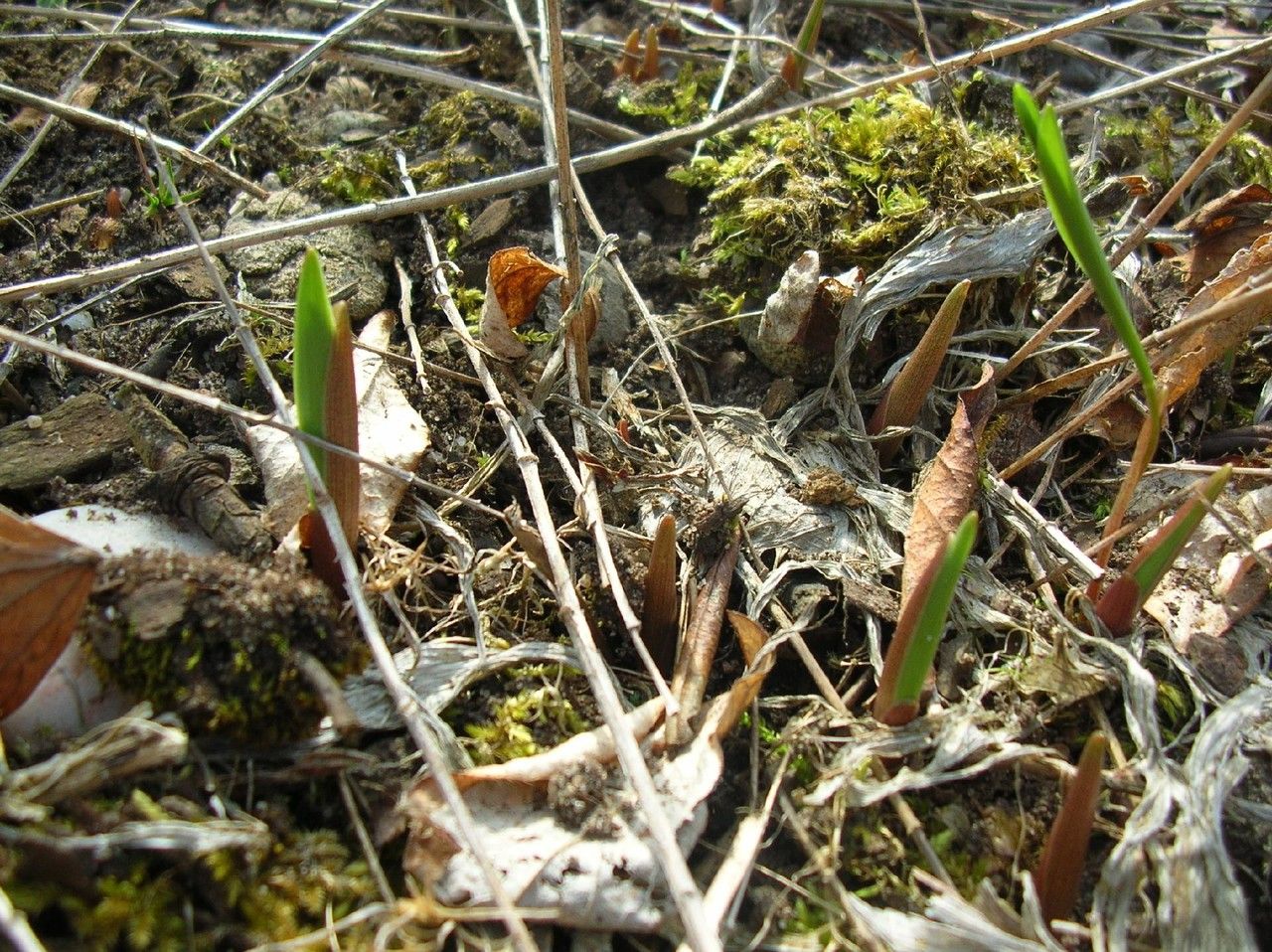
Polygonatum humile, the dwarf Solomon's-seal, is a species of plant in the family Asparagaceae. The plant is said to possess scars on the rhizome that resemble the ancient Hebrew seal of King Solomon. This is a perennial species of the genus Polygonatum native to China, Japan, Kazakhstan, Korea, Mongolia and parts of Russia.
Dwarf Solomon's seal has strong resistance to disease and generally does not tend to suffer from illnesses. Still, it can be vulnerable to pests and diseases that exist in its environment. These problems are typically mild. Regarding upkeep, this plant needs a moderate amount of care. It should be trimmed regularly to preserve a neat appearance and healthy development. Applying fertilizer can also encourage blooming. Dwarf Solomon's seal is appropriate for anyone who has outdoor space, like a garden or patio, and does not demand extensive gardening experience. It may need extra attention when cultivated indoors.
How to keep Polygonatum Humile.
Light
Dwarf solomon's seal thrives with moderate light exposure, similar to its original clear forest habitat. It has no specific light requirement at different stages of growth. It can tolerate both lower light conditions and the full intensity of the sun, but extreme light levels can inhibit the plant's healthy growth.
Water
Dwarf Solomon's Seal flourishes in moist, shaded woodland settings and prefers soil that is consistently moist. To replicate its natural hydration conditions, it is essential to water the plant weekly, particularly during its active growth periods. This care will help ensure the plant remains healthy as an outdoor herbaceous perennial.
Temperature
Dwarf solomon's seal is native to temperate zones and does best in temperatures from 41 to 89.6 °F (5 to 32 °C). In harsher seasons, consider modifying its environment to replicate this climate for optimal growth.
Fertilizer
The best time to fertilize a Dwarf solomon's seal is in early spring, as it comes out of dormancy and begins active growth. Fertilizer supplies the essential nutrients needed for healthy development. Although Dwarf solomon's seal requires relatively little fertilizer, an annual application can improve its survival and encourage better, longer-lasting flowers.
Pruning
Dwarf Solomon's seal showcases arching stems adorned with small, bell-shaped flowers. To maintain its health and appearance, prune the plant in the spring to remove dead stems and spent flower stalks. This timely pruning encourages vigor and root development, promoting denser and healthier growth. As a result, your garden's aesthetic appeal will be enhanced.
Pot & Repot
To thrive, dwarf Solomon's seal needs pots with excellent drainage. This ensures healthy roots and prevents water retention problems.
Botanical profile.
- Plant Type
- Herb
- Life Cycle
- Perennial
- Genus
- Polygonatum
- Family
- Asparagaceae
- Hardiness Zone
- 4-8
- Mature Height
- 15 cm to 23 cm
- Mature Spread
- 30 cm to 46 cm
- Leaf Color
- Green
- Leaf Type
- Deciduous
- Flower Color
- White
- Flower Size
- 2.54 cm
- Bloom Time
- Mid spring, Late spring
- Planting Time
- Spring, Autumn
- Harvest Time
- Mid summer, Late summer, Early fall
- Native Area
- Russia, Kazakhstan, Japan, Mongolia, Koppen, South Korea, China
Other names.
Reader questions.
What are the sunlight requirements for Dwarf Solomon's Seal?
Dwarf Solomon's Seal thrives under varying light conditions but prefers moderate light exposure, echoing its native understory habitat in clear forests. It doesn't have a specific light requirement during different growth stages and can handle both low and full sunlight conditions, although extreme lighting can affect its growth. The plant requires about 3-6 hours of sunlight for partial sun conditions, while for full shade or full sun, less than 3 hours of sunlight is needed. Observing the movement of sunlight through your garden can help you find the perfect spot that balances light and shade, ensuring your plants thrive.
What is the ideal temperature range for Dwarf Solomon's Seal?
Dwarf Solomon's Seal, botanically known as Polygonatum humile, thrives in temperate environments, preferring a temperature range between 41 to 89.6 °F (5 to 32 °C). To ensure optimal growth, it's important to adjust the plant's surroundings to mimic this climate, especially during harsher seasons.
How can artificial lighting benefit indoor Dwarf Solomon's Seal plants?
Indoor Dwarf Solomon's Seal plants benefit significantly from artificial lighting, especially when natural sunlight is insufficient, like in winter or less sunny spaces. Artificial lights can promote faster, healthier growth by providing the plants with adequate lighting. LED lights are recommended due to their ability to offer specific wavelengths needed by the plants. For full sun plants, 30-50W/sq ft of artificial light is recommended, partial sun plants need 20-30W/sq ft, and full shade plants require 10-20W/sq ft. Position the light source 12-36 inches above the plant to mimic natural sunlight and ensure the plant receives 8-12 hours of light per day for optimal growth.
Does Dwarf Solomon's Seal require frost protection measures?
Dwarf Solomon's Seal boasts strong cold resistance, making special frost protection measures generally unnecessary. However, if temperatures are anticipated to fall below -30°C, it's crucial to provide cold protection. This can be done by covering the plant with soil or straw. Additionally, watering the plant abundantly before the first freeze in autumn helps to maintain moist soil, which prevents drought and water scarcity during winter and early spring.
What signs indicate that a Dwarf Solomon's Seal is not receiving sufficient light?
Dwarf Solomon's Seal shows various symptoms when it doesn't receive enough light, including smaller new leaves, leggy or sparse growth, accelerated leaf drop, slower or halted growth, and paler new leaves. These signs suggest that the plant is trying to adapt to low light by conserving resources or by trying to maximize the light intake. Excessive sunlight can cause chlorosis, sunscald, leaf curling, wilting, and leaf scorching. These conditions affect the plant's ability to perform photosynthesis efficiently and maintain its health.
How does low temperature affect Dwarf Solomon's Seal?
Dwarf Solomon's Seal is cold-tolerant and fares best when temperatures stay above 5°C during winter. Should temperatures drop below -25°C, the plant usually remains unchanged throughout the winter, but if they fall below -30°C, this may lead to reduced sprouting or absence of sprouting in spring. To manage this, remove any parts that have failed to sprout in the spring.
How can you address light-related issues in Dwarf Solomon's Seal?
Addressing light-related issues in Dwarf Solomon's Seal involves both prevention and correction strategies. Indoors, gradually shifting the plant to sunnier spots each week up to 3-6 hours of direct sunlight or using artificial lights for at least 8 hours a day can help. Outdoors, the gradual relocation to sunny spots can prevent sunburn. Reducing obstructions like pruning trees can improve sunlight access. For small plants, transplanting during dormant periods to a sunnier location with good drainage is beneficial. It's crucial to make gradual changes to prevent stress and enable adaptation to new light conditions.
What should be done if Dwarf Solomon's Seal experiences high temperatures?
During summer, it's crucial to keep Dwarf Solomon's Seal's temperature below 32°C. Exceeding this, specifically temperatures above 35°C, can cause the plant's leaves to lighten in color, curl, become susceptible to sunburn, or the plant might wilt and dry out in severe cases. To alleviate these issues, trim away the sunburned and dried parts. Additionally, relocate the plant to a shaded area during the midday and afternoon sun or employ a shade cloth. Ensure the soil remains moist by watering the plant in the morning and evening.