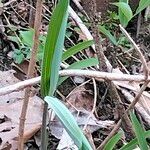
Polygonatum pubescens
Hairy Solomon's-seal · Downy Solomon's Seal
Description
Source: leafsnapPolygonatum pubescens, commonly known as Hairy Solomon's Seal, is a perennial herbaceous plant in the Asparagaceae family. Native to North America, it primarily grows in the eastern and central regions of the United States. This plant can reach heights of up to 3 feet and features arching stems with alternate leaves. The oval-shaped leaves are 3-6 inches long and have a hairy texture on their undersides. In late spring or early summer, the stems produce small white or greenish-yellow flowers that hang from the leaf axils. Hairy Solomon's Seal thrives in moist soils within shaded areas such as woodlands or along stream banks, though it can tolerate drier conditions once established. Due to its spreading habit, it is an excellent choice for naturalizing areas. Native Americans have used this plant for medicinal purposes for centuries. It contains compounds with anti-inflammatory properties that help alleviate pain from arthritis or muscle strains. Overall, Polygonatum pubescens is an attractive native plant with ornamental value, perfect for shady gardens. It also offers ecological benefits, serving as a food source for pollinators like bees and butterflies.
Care Guide
💧 Water Every 7 days
Hairy Solomon's seal, native to temperate forest understories, thrives in consistently moist soil and requires weekly watering. This attractive herbaceous perennial is often grown indoors and needs special care during its active growing season to ensure optimal health and growth.
What is the most effective way to water my Hairy Solomon's Seal plant?
To properly water the Hairy solomon's seal, it's best to use filtered water at room temperature. Tap water may contain harmful particles that can affect the plant's health. The plant prefers warmer water, similar to its native environment, as cold water can be a shock. Avoid overhead watering as it can cause problems with the foliage. Instead, carefully pour filtered room temperature water onto the soil until it is thoroughly saturated. This helps moisturize the roots and enables them to spread and absorb the necessary nutrients from the soil.
What should I do if I give my Hairy solomon's seal plant too much or too little water?
Overwatering and underwatering both harm the health of Hairy Solomon's seal, but overwatering is more common. Excessive watering causes wilting and yellowing of the stems and leaves. It can also lead to diseases like root rot, mold, and mildew, which can kill the plant. Underwatering is rare as this plant can tolerate drought, but it can happen. In such cases, the leaves become brittle and brown. It's crucial to recognize signs of overwatering promptly. Delaying action may render certain diseases, such as root rot, irreversible. Reduce watering immediately when you notice early signs of overwatering. Additionally, check the soil quality where Hairy Solomon's seal is growing. Replace poorly draining soil with a loose, well-draining potting mix. On the other hand, if you observe signs of underwatering, simply increase the regularity of watering until these signs improve.
How frequently do I need to water my Hairy solomon's seal?
If your Hairy Solomon's Seal plant is in a pot, the most precise way to determine if it needs water is to stick your finger into the soil. If the top two to three inches of soil are dry, it's time to water the plant. If you're growing the Hairy Solomon's Seal outdoors in the ground, you can use a similar method to test the soil. Once again, if the top few inches of soil are dry, it's time to water the plant. During spring and early fall, you'll typically need to water this plant about once a week using this method. However, during periods of extremely hot weather, you may need to water it twice or more per week. It's important to note that mature and well-established Hairy Solomon's Seal plants have an admirable ability to withstand drought.
How much water does my plant called Hairy Solomon's seal need?
To properly water your Hairy solomon's seal, don't hold back on the amount of water you give. Wait until the top two to three inches of soil are dry, then water the plant thoroughly, making sure to soak the entire soil. The water should be enough to cause excess water to flow out of the drainage holes at the bottom of the pot. If there's no excess water draining, then you might not have watered enough. However, be cautious not to let the water accumulate in the soil, as this can harm the plant. On the other hand, if water doesn't drain through the pot, it could mean the soil is not draining well, which is not good for the plant's health. If the plant is outside, 1 inch of rain per week will be sufficient.
How should I water my Hairy solomon's seal during different stages of growth?
The water needs of the Hairy Solomon's Seal plant can vary depending on its growth stages. In the first few years of its life or when it is newly transplanted, it requires more water than usual. This is because during these stages, the plant puts a lot of energy into developing new roots which are vital for future growth. These young roots perform best with slightly more moisture. However, as the plant matures over a few seasons, its water requirements decrease. Additionally, during the bloom period, the Hairy Solomon's Seal may need extra water as flower development requires a significant amount of moisture.
☀️ Light Partial sun
Hairy solomon's seal does best in spots that get moderate sunlight throughout the day. It can also adjust to areas with lower light levels, reflecting its native woodland habitat where light may be limited. Too much or too little sun can possibly stress the plant and affect its healthy growth.
What are the sunlight requirements for Hairy Solomon's Seal?
Hairy Solomon's Seal requires moderate sun exposure for optimal growth, thriving in areas with about 3-6 hours of sunlight (partial sun) but can also adapt to less intense light conditions (full shade), reflecting its native woodland habitat. It's important to observe how sunlight moves through your garden to choose the best spots for your plants, ensuring a balance of light and shade for their happiness. Artificial lighting can be employed for indoor plants when natural sunlight is insufficient, using LED lights, and adjusting the distance (12-36 inches above the plant) and duration (8-12 hours per day) based on the plant's needs.
How does inadequate sunlight affect Hairy Solomon's Seal?
When Hairy Solomon's Seal is grown indoors or under insufficient light conditions, several symptoms may indicate light deficiency. These include smaller new leaves, leggy or sparse growth, premature leaf drop, slower or halted growth, lighter-colored or yellowing leaves (chlorosis), damage from excessive sunlight like sunscald, leaf curling, wilting, and leaf scorching. These symptoms show the plant's struggle with adapting to inadequate light conditions.
What are the solutions for Hairy Solomon's Seal struggling with inadequate sunlight?
For plants struggling with inadequate sunlight, gradual adaptation to more sunlight is beneficial. For indoor Hairy Solomon's Seal, gradually shifting them to sunnier spots or using artificial light, such as a desk or grow lights for at least 8 hours a day can help. Outdoors, moving your plants to sunnier locations gradually is key to avoiding sunburn. Pruning obstructions like tree branches that block sunlight and transplanting smaller plants to sunnier spots during their dormant period can also improve sunlight exposure. It's important to note that parts of the plant that have been damaged by insufficient light may not recover, but new growth will be healthy with improved lighting conditions.
🌡️ Temperature 0–32.2°C
Hairy solomon's seal naturally occurs in locations where temperatures lie between 32 and 90 °F (0 to 32 ℃). It does best when kept within that temperature range. If winter temperatures fall below freezing, it is advisable to provide extra warmth.
What is the native temperature range for Hairy Solomon's Seal?
Hairy Solomon's Seal, also known as Polygonatum pubescens, thrives in environments where the temperature ranges from 32 to 90 °F (0 to 32 °C). It performs best within this temperature spectrum, and additional warmth is advised if temperatures fall below freezing during the winter.
Does Hairy Solomon's Seal require frost protection measures?
Despite its high cold tolerance, Hairy Solomon's Seal does not require additional frost protection. However, to prepare for winter, it's recommended to water the plant generously before the first freeze in autumn. This ensures the soil is moist when it enters a frozen state, helping to prevent drought and water scarcity for the plant during the colder months.
What should I do if the temperature drops below -35°C for Hairy Solomon's Seal?
Hairy Solomon's Seal is extremely cold-tolerant, but it's important to keep the winter temperature above -35°C. If the temperature falls below this critical point, the plant may not show noticeable changes during winter, but there could be a decrease in sprouting or even a total absence of sprouting in spring. In such cases, remove any parts of the plant that have failed to sprout in the spring.
How does Hairy Solomon's Seal react to high temperatures?
Hairy Solomon's Seal is not tolerant of high temperatures. When exposed to temperatures exceeding 32°C, the plant's growth will halt, and it becomes more susceptible to rot. To manage this, trim away any sunburned or dried parts, move the plant to a shadier location or use a shade cloth to protect it from midday and afternoon sun. Also, ensure to water the plant in the morning and evening to keep the soil moist.
💨 Humidity
🪴 Soil 5-6
🌱 Fertilizer
The best time to fertilize a Hairy solomon's seal is in early spring, as it comes out of dormancy and begins active growth. Fertilizing supplies essential nutrients for healthy development. Although Hairy solomon's seal has relatively low fertilizer requirements, applying fertilizer annually can improve its survival and encourage better, longer-lasting flowers.
🪴 Pot & Repot
To help hairy Solomon's seal thrive in pots, it's important to provide excellent drainage. Choose the right potting mix and containers to prevent waterlogging, which can harm the roots.
✂️ Pruning
Hairy Solomon's Seal has arching stems and bell-shaped flowers, which benefit from pruning between early and late spring. To promote healthy growth, remove dead stems and prune back to the base. Remember to sterilize your cutting tools to prevent disease, which will enhance the plant's appearance and encourage robust flowering.
🌿 Propagating
🐛 Diseases & pets
☠️ Toxicity
Characteristics
- Plant Type
- Herb
- Life Cycle
- Perennial
- Genus
- Polygonatum
- Family
- Asparagaceae
- Hardiness Zone
- 3-7
- Mature Height
- 0.3 m to 1.07 m
- Mature Spread
- 30 cm to 91 cm
- Leaf Color
- Green, Blue
- Leaf Type
- Deciduous
- Flower Color
- White
- Flower Size
- 2.54 cm
- Bloom Time
- Mid spring, Late spring
- Planting Time
- Spring, Summer, Autumn
- Harvest Time
- Late summer, Early fall, Mid fall
- Native Area
- North America