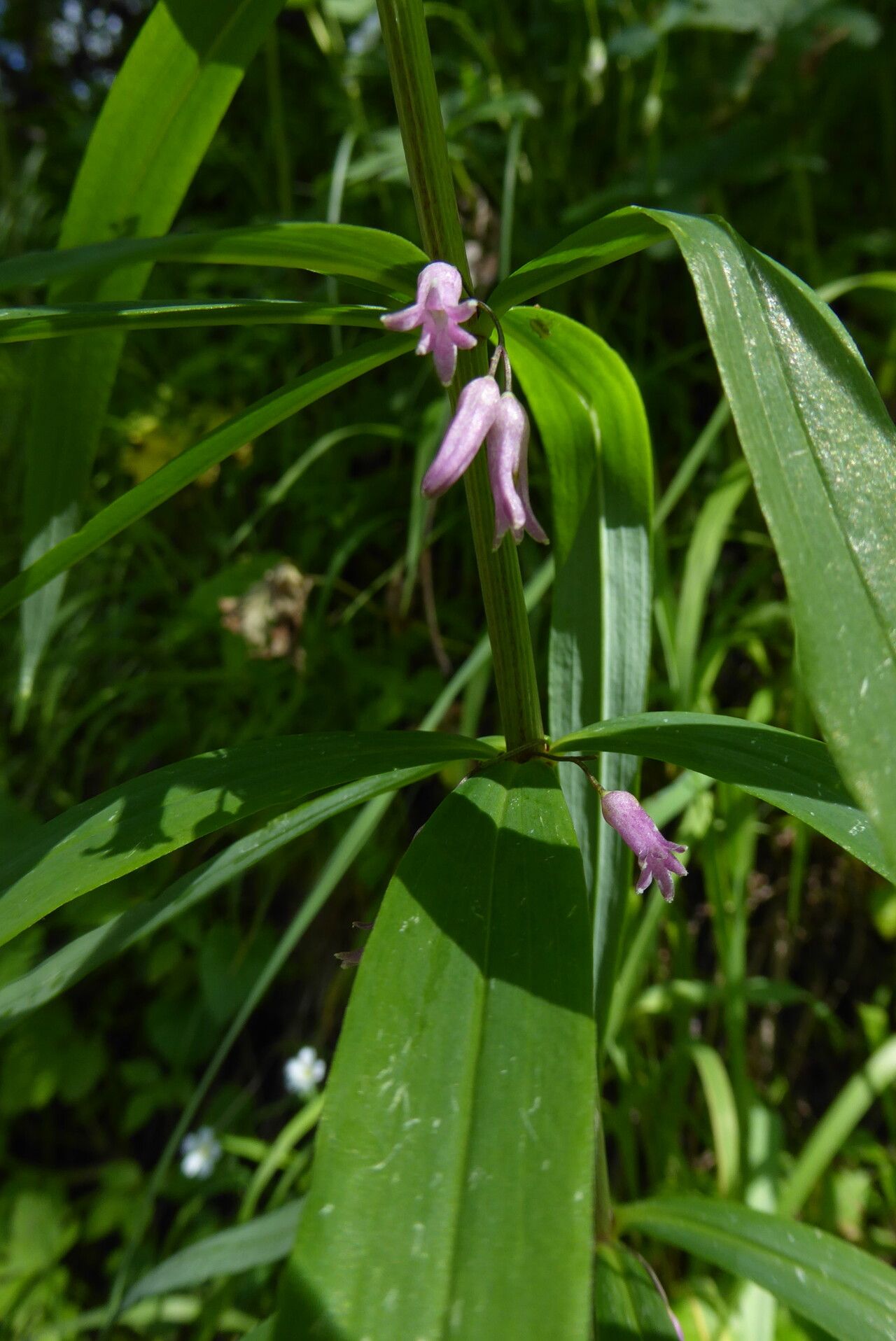
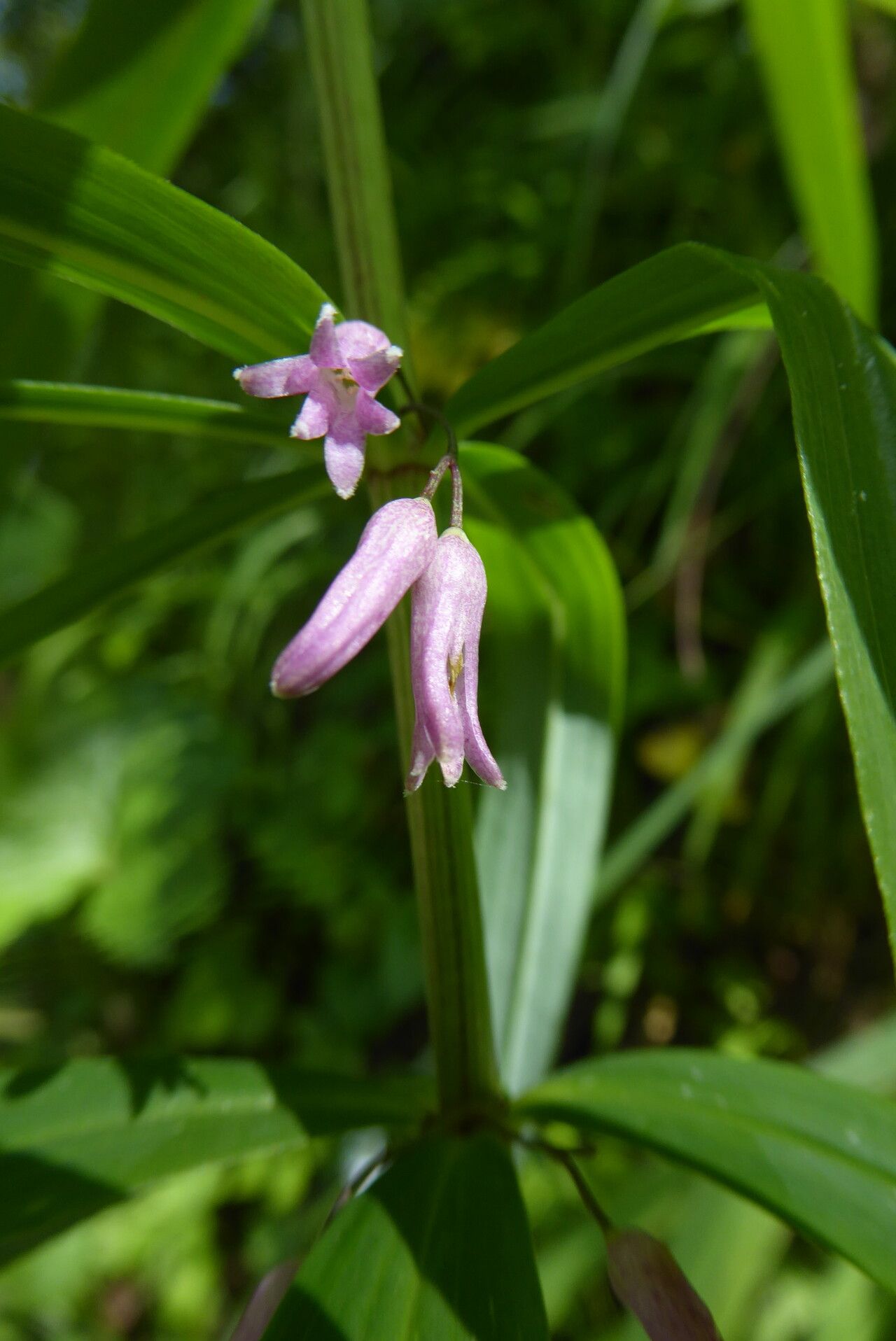
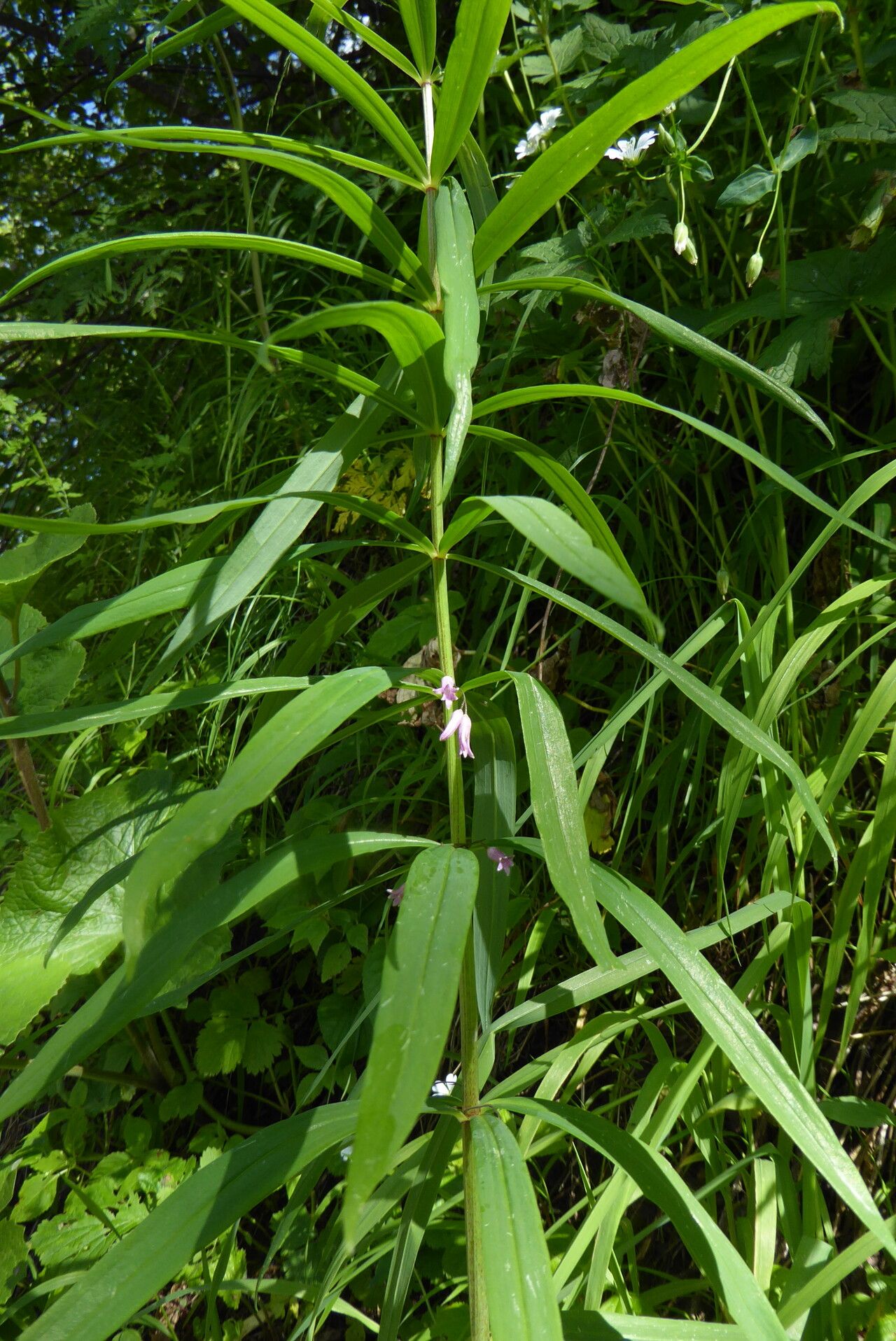
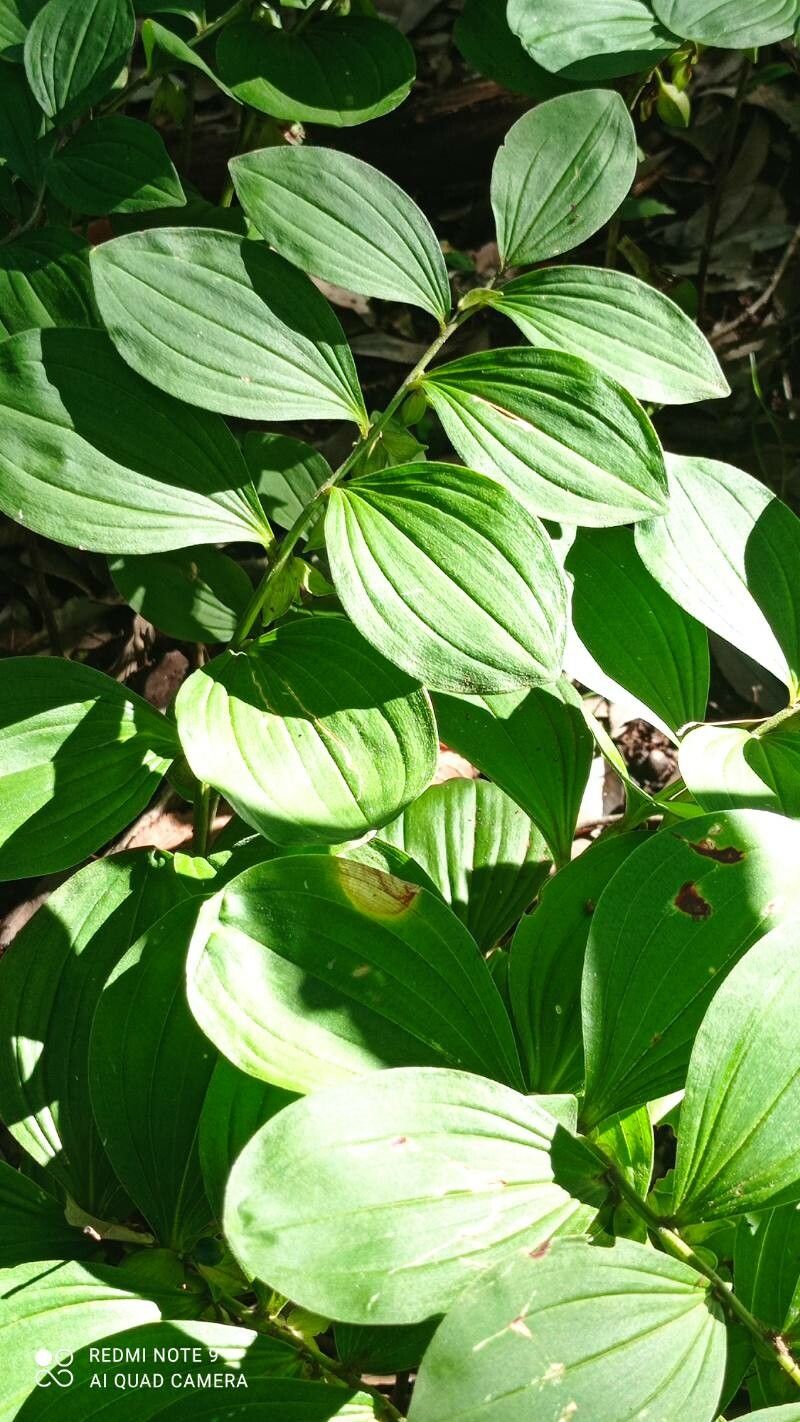
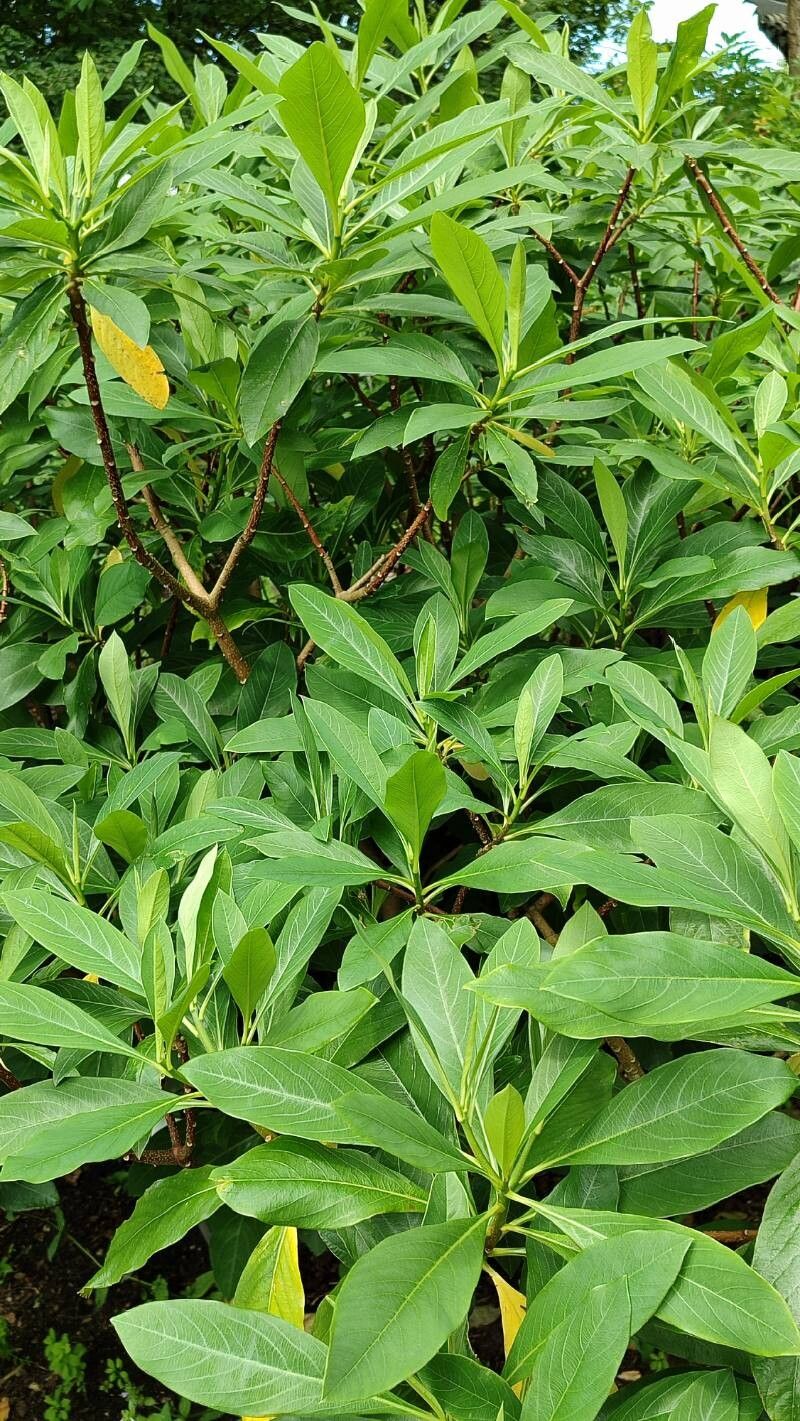
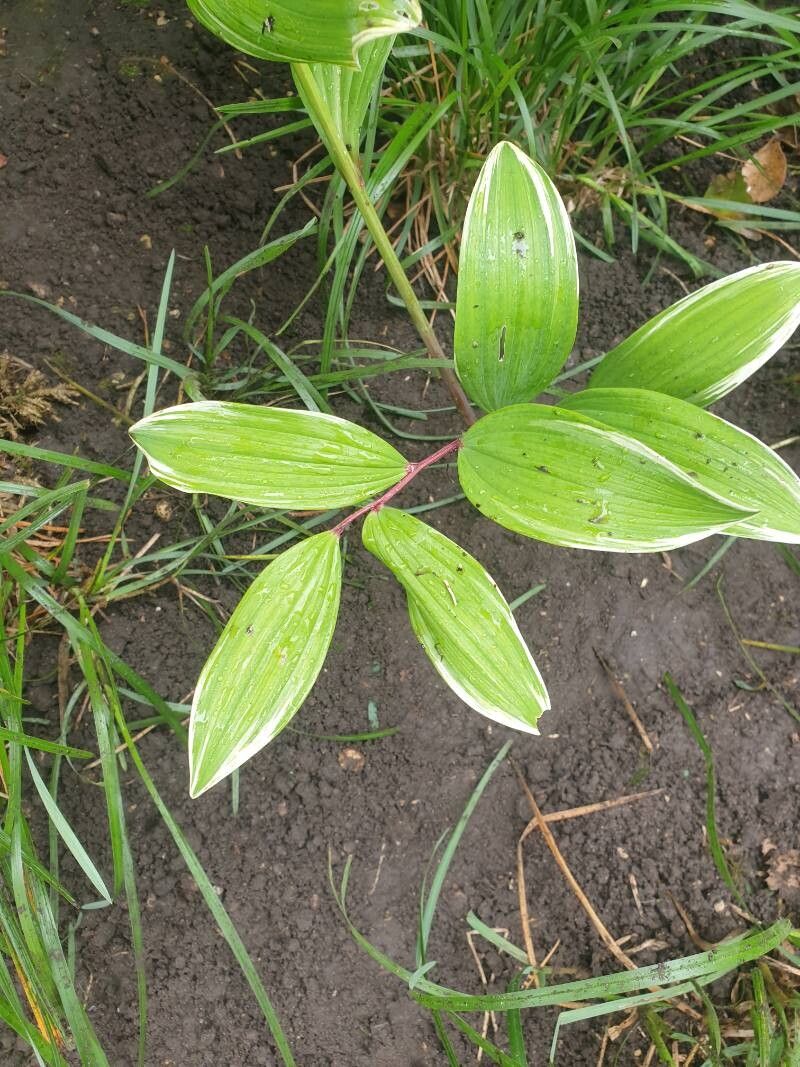
Whorled solomon's seal is fairly disease-resistant and typically does not suffer from many ailments. Nevertheless, it can be vulnerable to pests and diseases present in its environment. Such infections are generally mild. Regarding care, the plant needs moderate maintenance. Regular pruning is necessary to preserve its appearance and encourage healthy growth. Applying fertilizer can also help encourage blooming. Whorled solomon's seal is suitable for people with outdoor areas, like a garden or patio, and does not demand extensive gardening experience. It may need more attention if cultivated indoors.
How to keep Polygonatum Roseum.
Light
The whorled solomon's seal flourishes in medium sunlight and is capable of adjusting to places with limited lighting. Its preferred habitat is one where the sun doesn't shine too brightly. Changes in lighting circumstances may result in less than ideal growth, as both excessive and insufficient light can have negative impacts on its well-being.
Temperature
The native habitat of the Whorled Solomon's seal is climates that have temperatures between 41 and 89.6 °F (5 to 32 ℃). It prefers moderate temperature environments. In extremely hot or cold seasons, it's crucial to manage the ambient temperature to ensure it stays within this plant's preferred temperature range.
Fertilizer
The optimal period to provide fertilization to a Whorled solomon's seal is during the initial phase of spring, as it moves from its dormant state to its active growth phase. This fertilization process supplies the plant necessary nutrients for its vigorous growth. Despite the Whorled solomon's seal requiring little fertilization comparatively, fertilizing it once a year could notably improve its lifespan and contribute to the betterment and longevity of its blossoms.
Botanical profile.
- Plant Type
- Herb
- Life Cycle
- Perennial
- Hardiness Zone
- 4-8
- Mature Height
- 20 cm to 76 cm
- Mature Spread
- 49 cm
- Leaf Color
- Green
- Leaf Type
- Deciduous
- Flower Color
- White
- Flower Size
- 1.02 cm to 1.52 cm
- Bloom Time
- Mid spring, Late spring
- Planting Time
- Spring, Summer
- Harvest Time
- Late summer, Early fall, Mid fall
- Native Area
- Turkey, Sweden, India, Austria, Slovakia, Montenegro, Pakistan, Croatia, Slovenia, Germany, Romania, Latvia, Belgium, Netherlands, Nepal, France, Czech Republic, Bulgaria, Armenia, Poland, Greece, Serbia, China, Lithuania, Norway, Afghanistan, Italy, Spain, Switzerland, Denmark, Bhutan, Albania, Azerbaijan, United Kingdom, Hungary