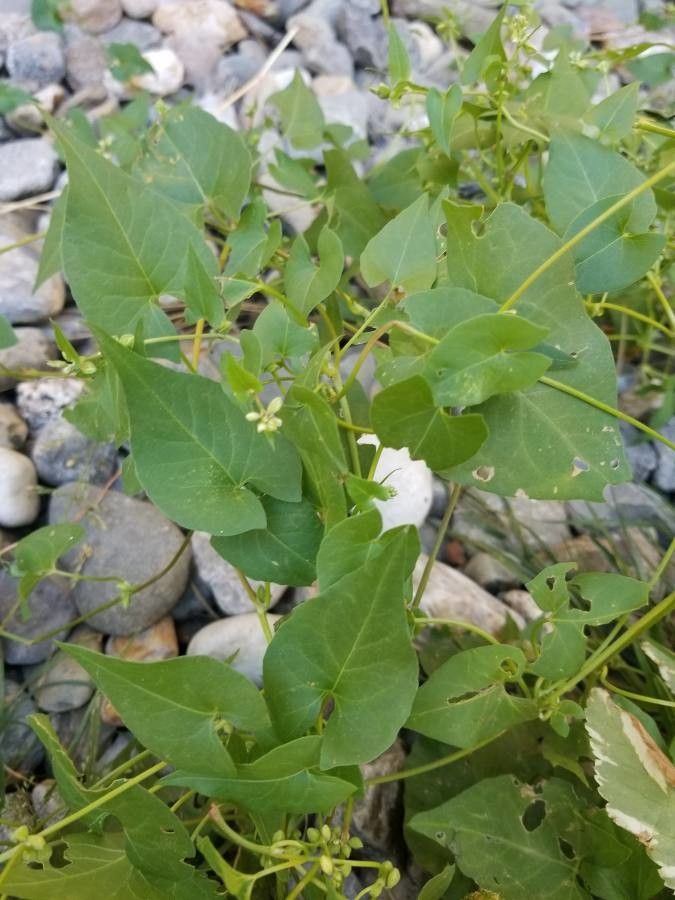
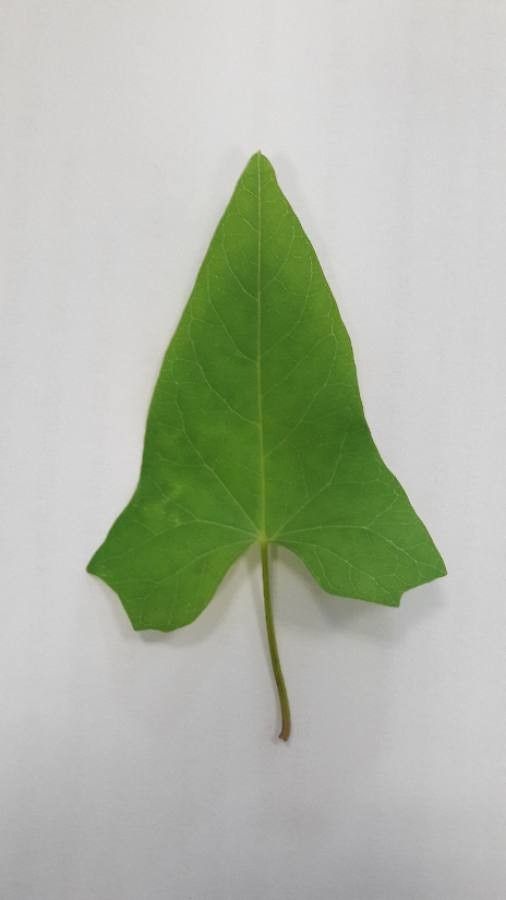
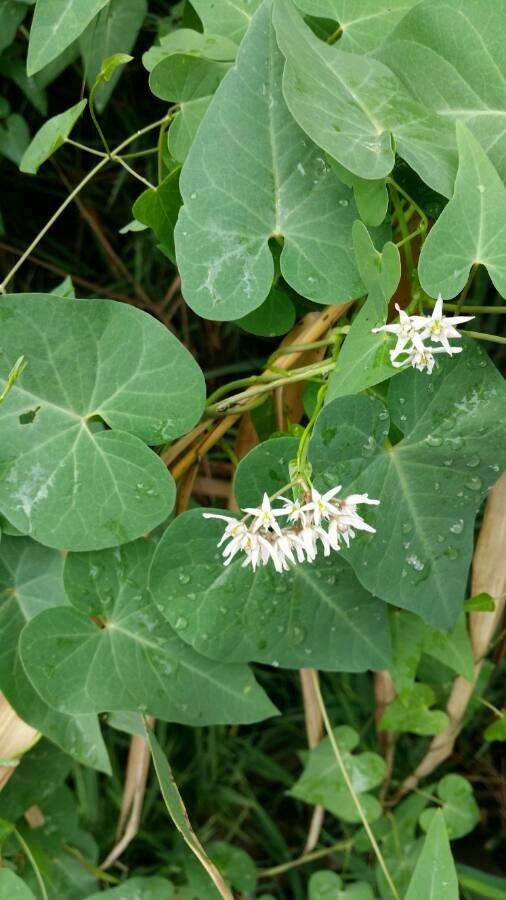
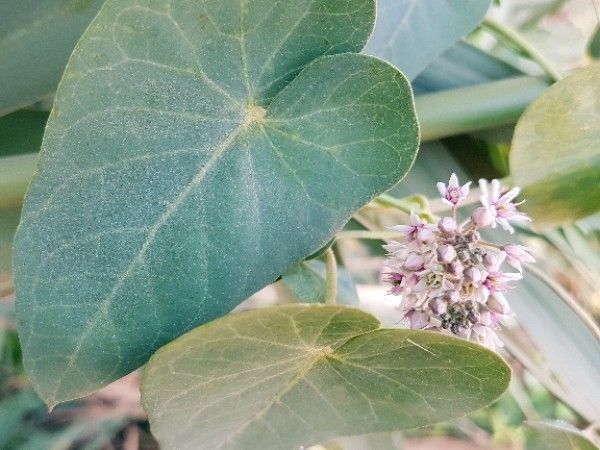
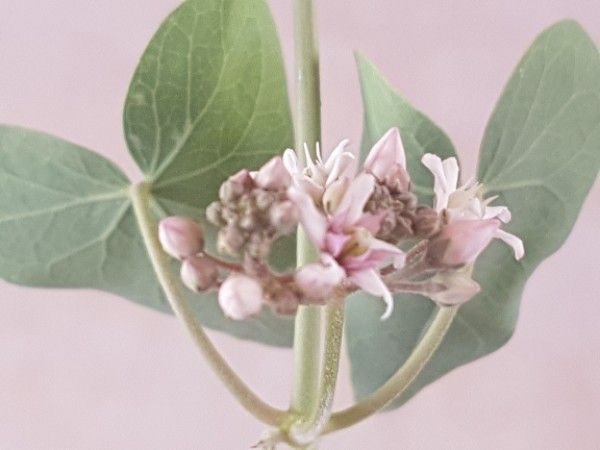
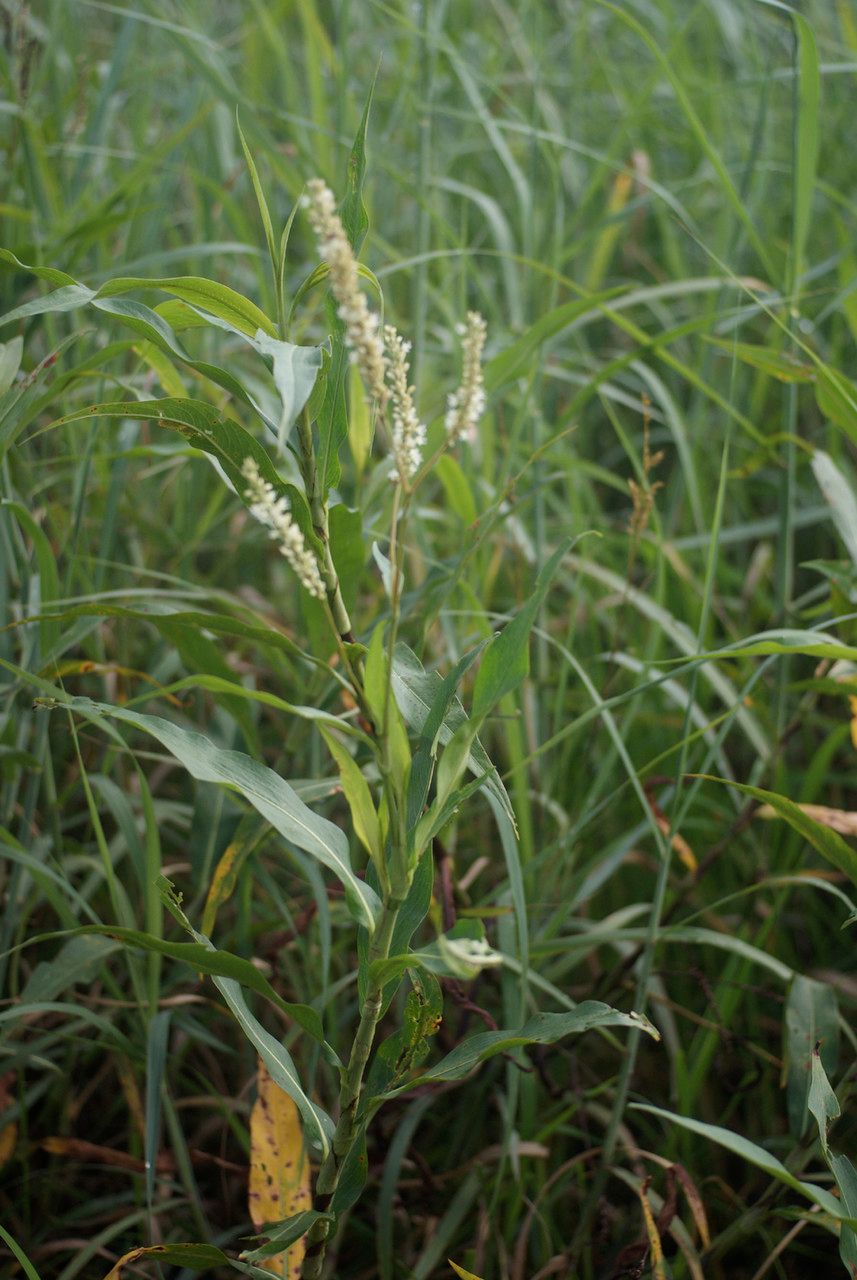
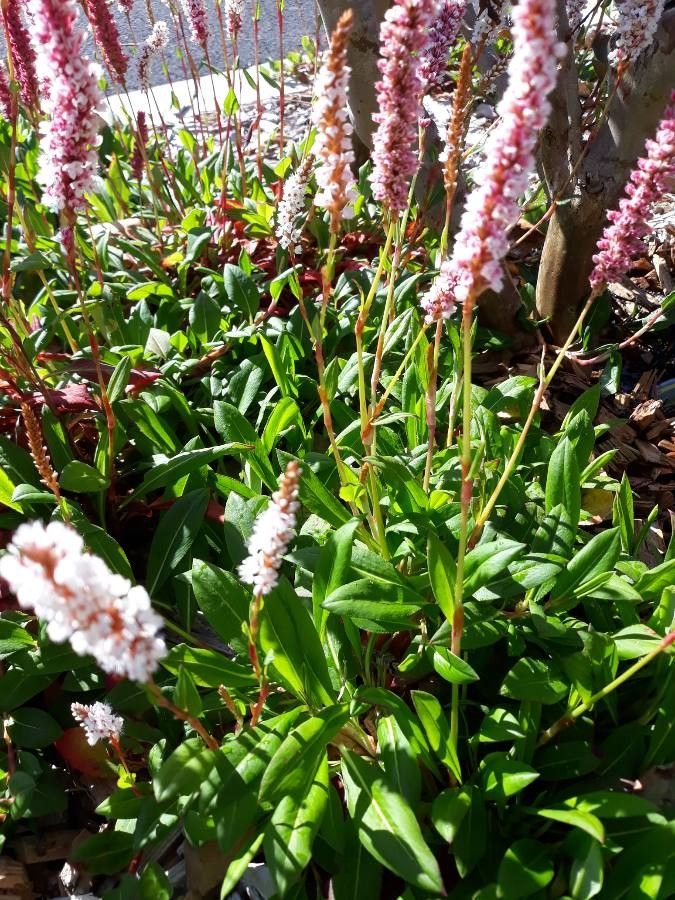
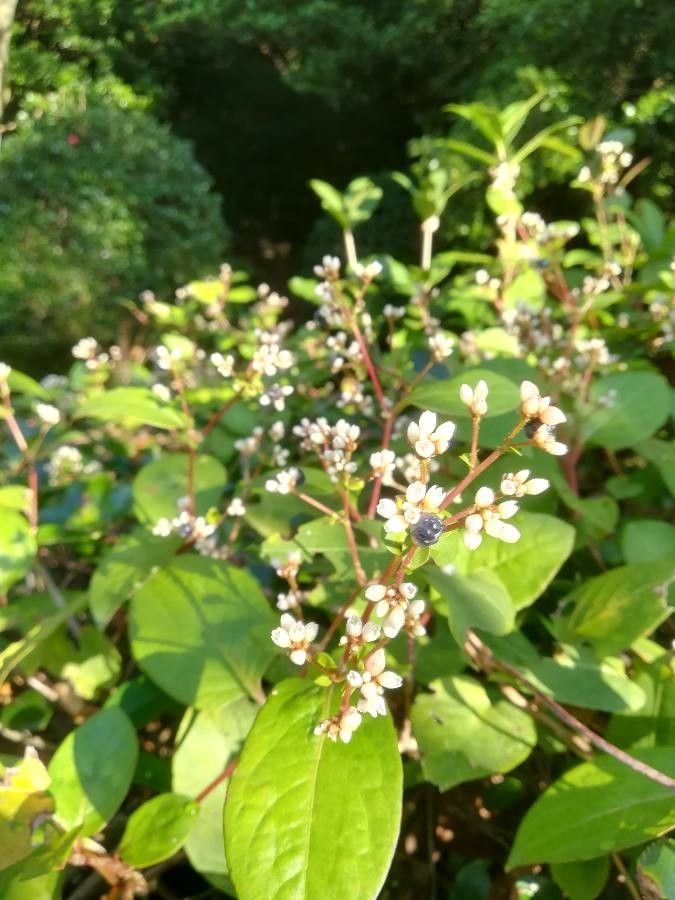
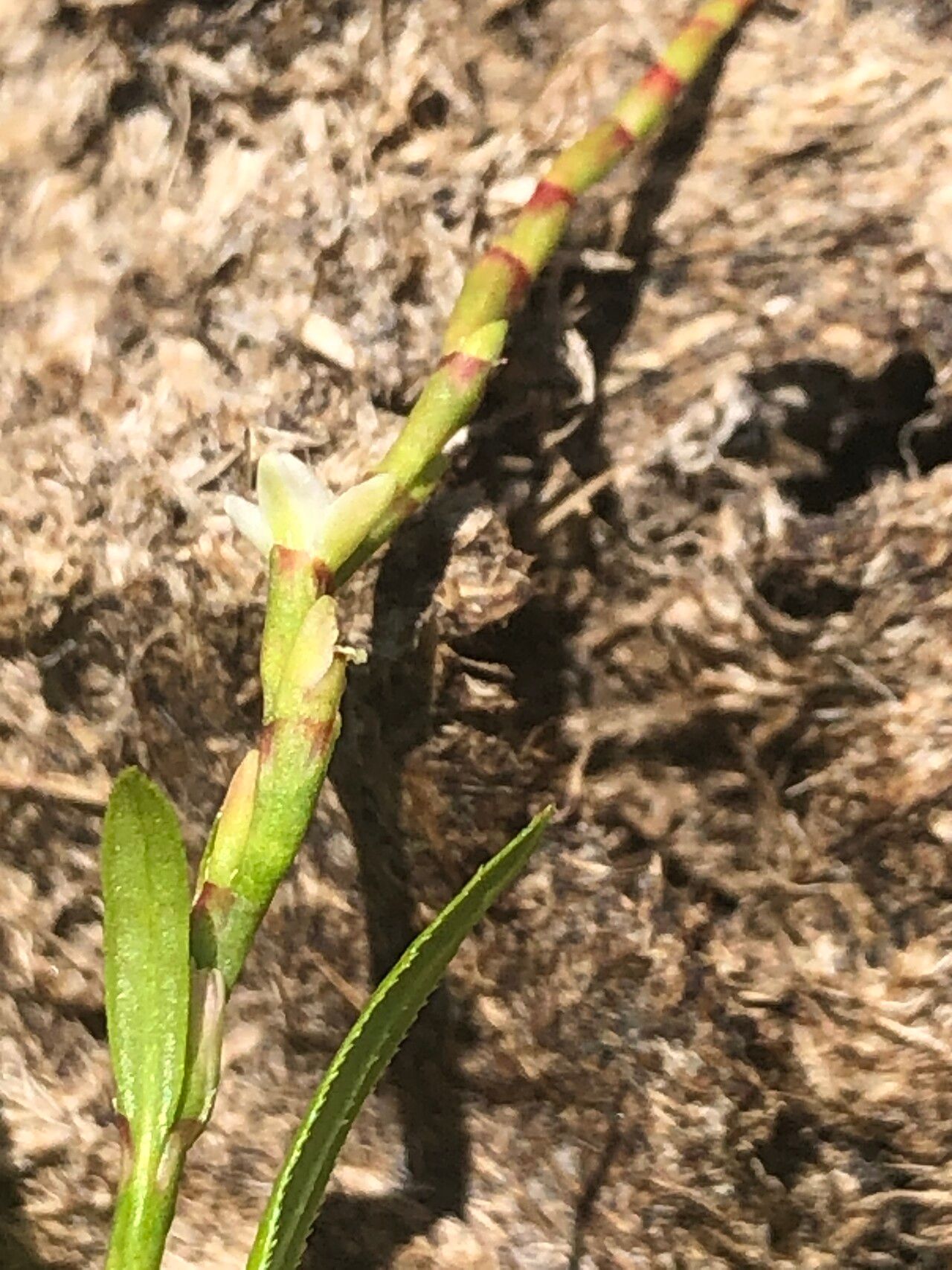
Fallopia convolvulus, the black-bindweed or wild buckwheat, is a fast-growing annual flowering plant in the family Polygonaceae native throughout Europe, Asia and northern Africa.Synonyms include Polygonum convolvulus L. (basionym), Bilderdykia convolvulus (L.) Dumort, Fagopyrum convolvulus (L.) H.Gross, Fagopyrum carinatum Moench, Helxine convolvulus (L.) Raf., Reynoutria convolvulus (L.) Shinners, and Tiniaria convolvulus (L.) Webb & Moq. Other old folk names include bear-bind, bind-corn, climbing bindweed, climbing buckwheat, corn-bind, corn bindweed, devil's tether, and wild buckwheat.
Black bindweed is fairly resistant to disease and typically does not suffer from illnesses. Still, it can be affected by pests and diseases present in its environment. These issues are usually minor. In terms of care, the plant needs moderate maintenance. Regular pruning is necessary to keep it looking neat and to support healthy growth. Fertilizing can also help encourage flowering. Black bindweed is well suited to people with outdoor spaces like gardens or patios and does not demand extensive horticultural experience. It may need more attentive care if kept indoors.
How to keep Polygonum Convolvulus.
Light
Black bindweed grows best in full sunlight but can tolerate moderate light levels. It originally thrived in open, sunny habitats and requires plenty of sun for optimal growth and health. Insufficient sun can result in weak growth, while excessive exposure may cause wilting.
Temperature
Black bindweed occurs naturally in areas where temperatures range from 68 to 95 °F (20 to 35 ℃). It favors mild to warm climates. Seasonal temperature adjustments may be needed to ensure optimal growth.
Fertilizer
Black bindweed benefits from regular, dilute applications of fertilizer to encourage healthy leaf growth. Fertilize Black bindweed about once a month during the summer months. Nitrogen is essential for foliage, and providing nitrogen-rich sources helps Black bindweed thrive.
Botanical profile.
- Plant Type
- Vine, Herb
- Life Cycle
- Annual
- Genus
- Polygonum
- Family
- Polygonaceae
- Hardiness Zone
- 2-7
- Mature Height
- 91 cm
- Mature Spread
- 30 cm to 91 cm
- Leaf Color
- Green
- Leaf Type
- Deciduous
- Flower Color
- White
- Flower Size
- 2.54 cm
- Bloom Time
- Early summer, Mid summer
- Planting Time
- Spring
- Harvest Time
- Mid summer
- Native Area
- Libya, Turkey, Sweden, India, Slovakia, Montenegro, Pakistan, Slovenia, Morocco, Croatia, Belarus, Germany, Jordan, Koppen, Romania, Latvia, Belgium, Portugal, Netherlands, Tunisia, Philippines, Cyprus, Bulgaria, Ukraine, Lebanon, China, Afghanistan, Syria, Kyrgyzstan, Kazakhstan, Italy, Mongolia, Finland, Iran, Azerbaijan, Lesotho, Egypt, Austria, Uzbekistan, Russia, Iraq, Iceland, Estonia, South Korea, France, Nepal, Tajikistan, Czech Republic, South Africa, Armenia, Poland, Greece, Serbia, Lithuania, Norway, Spain, Switzerland, Vietnam, Denmark, Israel, Bhutan, Albania, Ireland, United Kingdom, Hungary, Algeria, Turkmenistan
Other names.