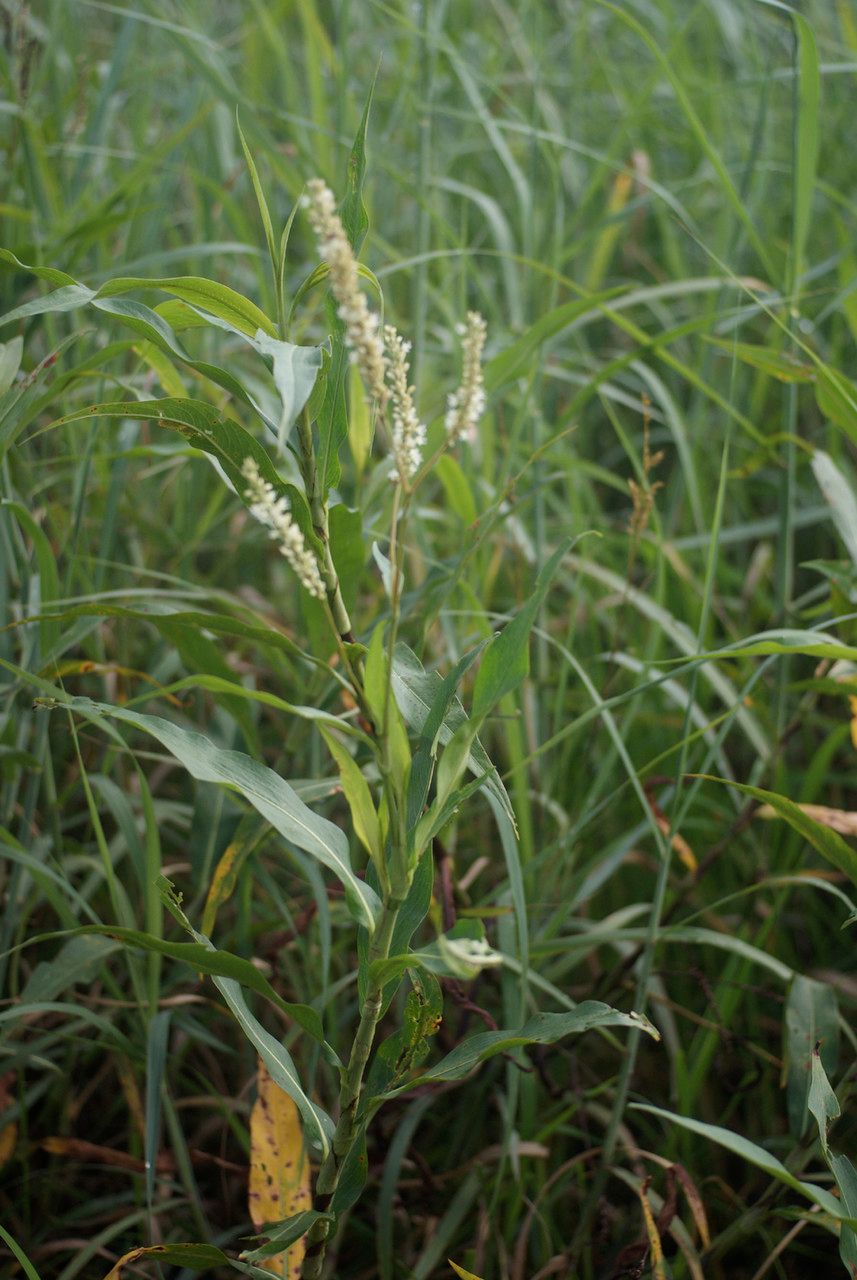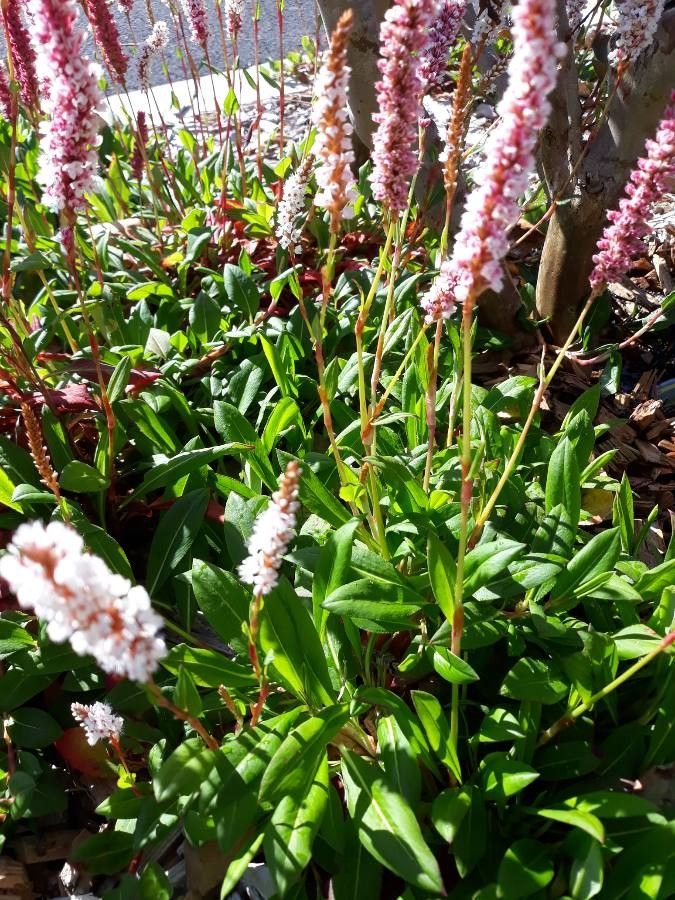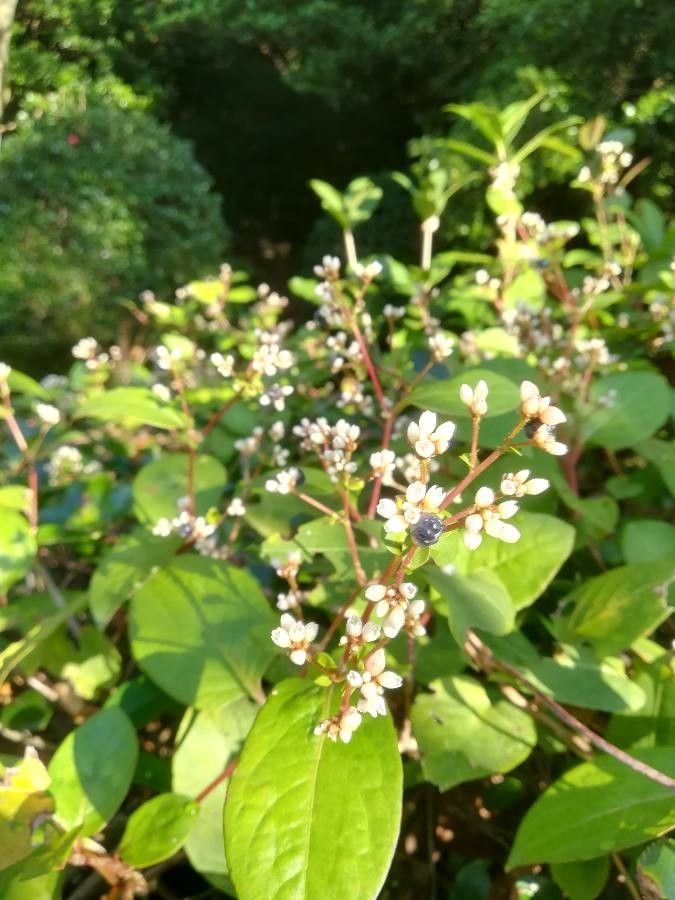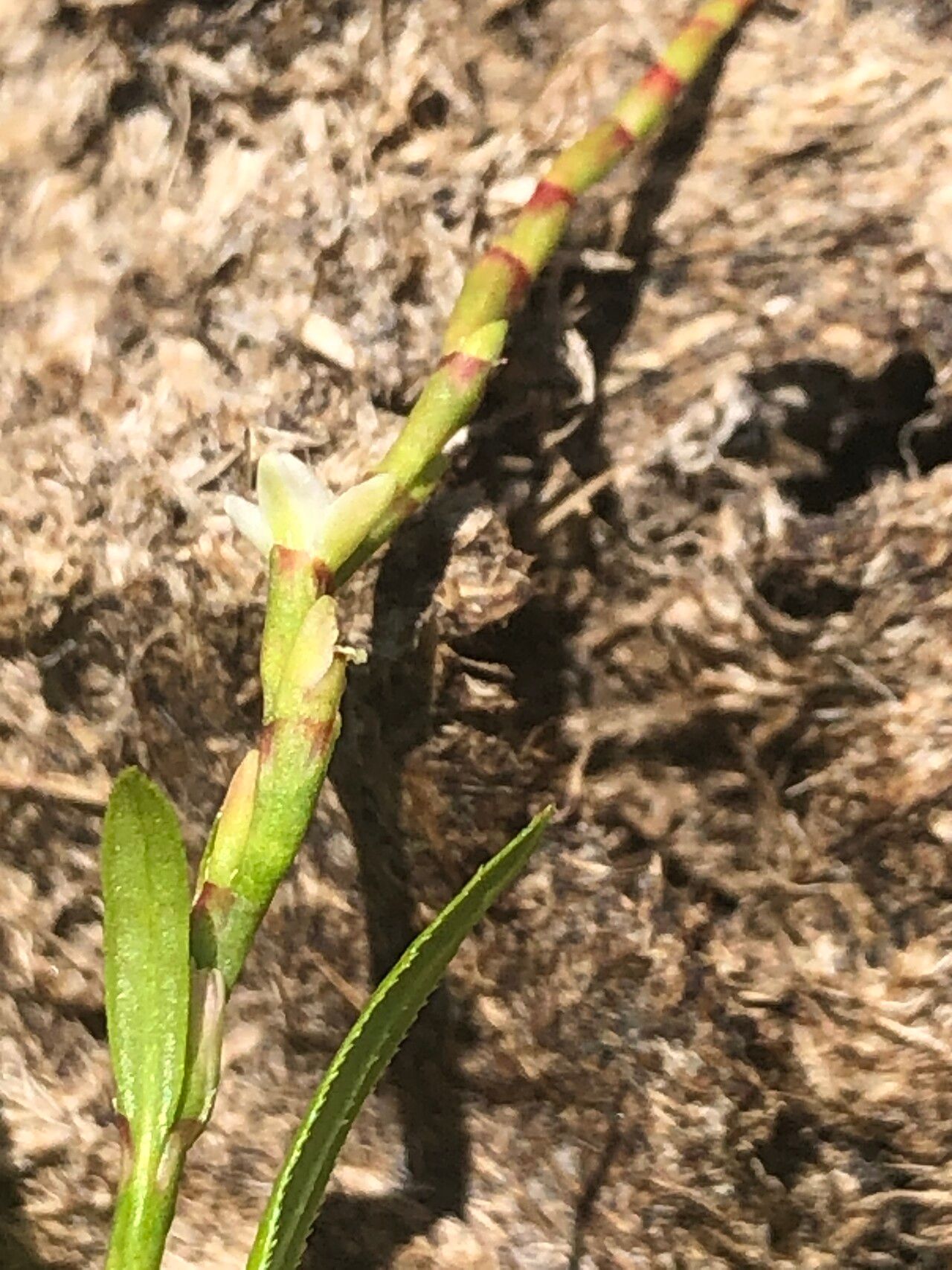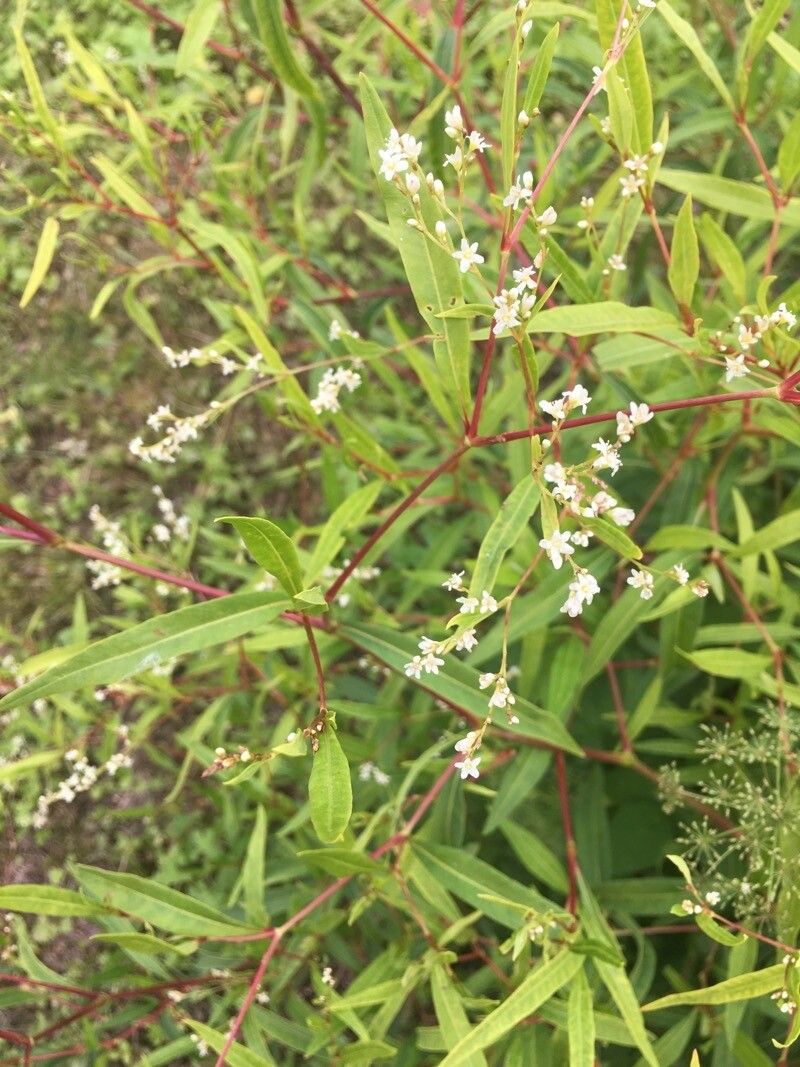
Koenigia divaricata shows good resistance to disease and is usually not affected by illnesses. Still, it can be vulnerable to pests and diseases present in its surroundings, though such infections tend to be mild. For care, this plant requires a moderate amount of attention. It should be pruned regularly to preserve a pleasing appearance and support healthy growth. Fertilizing can also encourage flowering. Koenigia divaricata is well suited for anyone with outdoor space, such as a garden or patio, and does not demand extensive experience in plant care. It may, however, need more attention when kept indoors.
How to keep Polygonum Divaricatum.
Light
The Koenigia divaricata plant comes from well-lit, open habitats where it flourishes in strong sunlight. While it can handle a bit of shade, it overwhelmingly prefers unfiltered sunshine for the best development possible. Recognized for its fondness for sunlight, this plant completes its lifecycle in one or two years.
Temperature
The Koenigia divaricata plant is indigenous to regions that have temperate to hot weather conditions. It thrives most effectively in temperature intervals of 68 to 95 °F (20 to 35 ℃). It is advisable to regulate the temperature within this span for maximal growth, if necessary.
Fertilizer
Periodic light applications of fertilizer can assist Koenigia divaricata in achieving robust leaf development. It's advisable to feed Koenigia divaricata around once a month throughout the summertime. Nitrogen plays a key role in leaf growth, and providing additional nitrogen-containing substances aids in the flourishing of Koenigia divaricata.
Botanical profile.
- Plant Type
- Herb
- Life Cycle
- Annual
- Genus
- Polygonum
- Family
- Polygonaceae
- Hardiness Zone
- 6
- Mature Height
- 0.61 m to 1.22 m
- Mature Spread
- 5 cm to 15 cm
- Leaf Color
- Green
- Leaf Type
- Semi-evergreen
- Flower Color
- White, Pink
- Flower Size
- 0.25 cm
- Bloom Time
- Early summer, Mid summer
- Planting Time
- Spring, Summer, Autumn
- Harvest Time
- Late summer, Early fall
- Native Area
- Russia, Mongolia, Koppen, South Korea, China