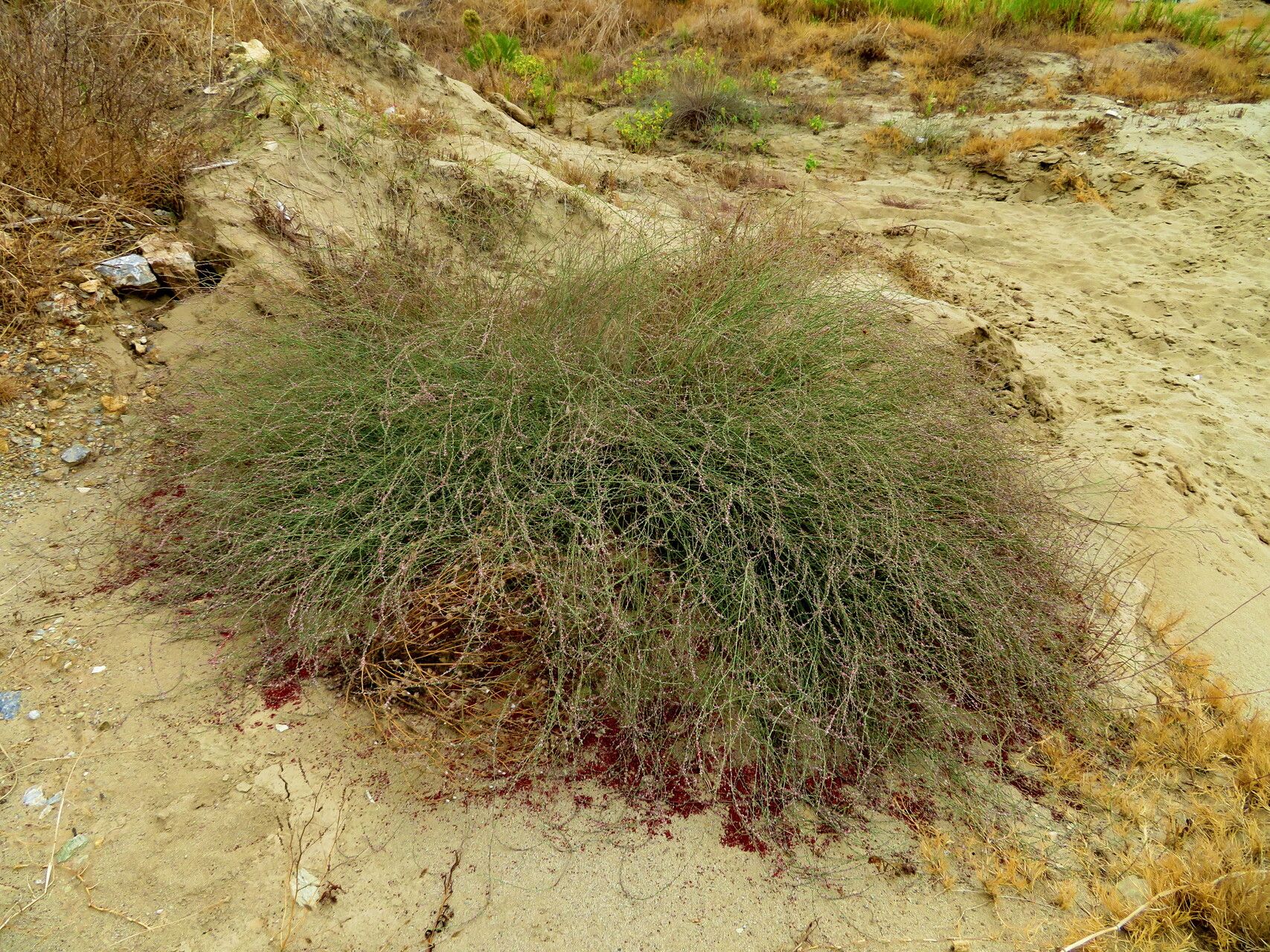
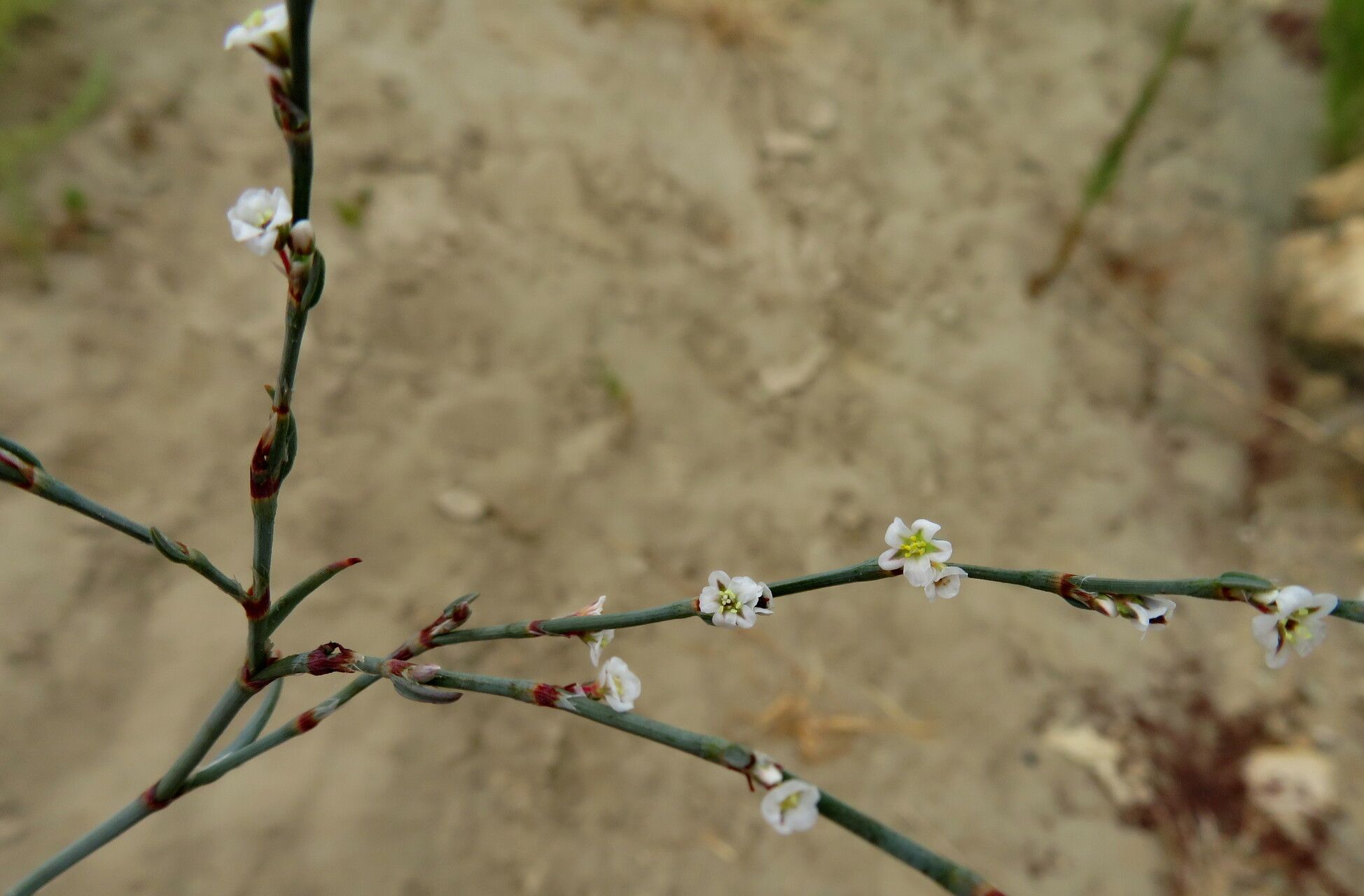
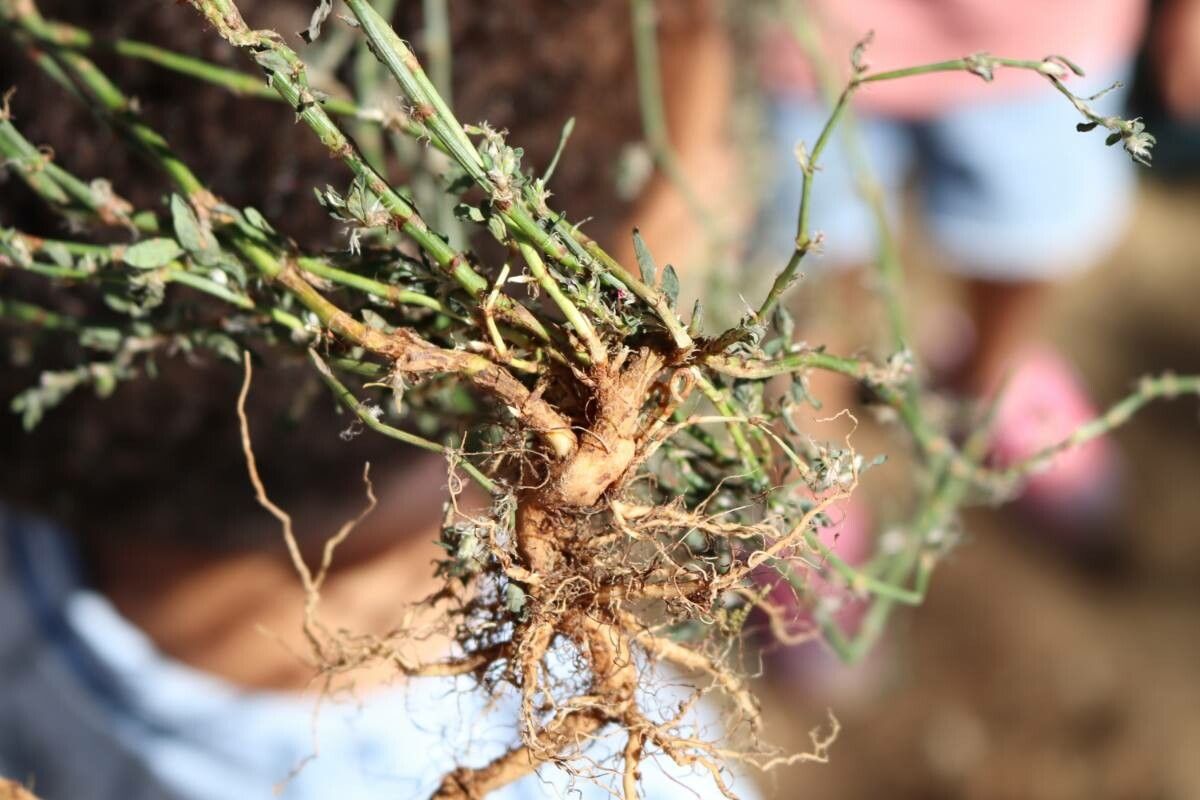
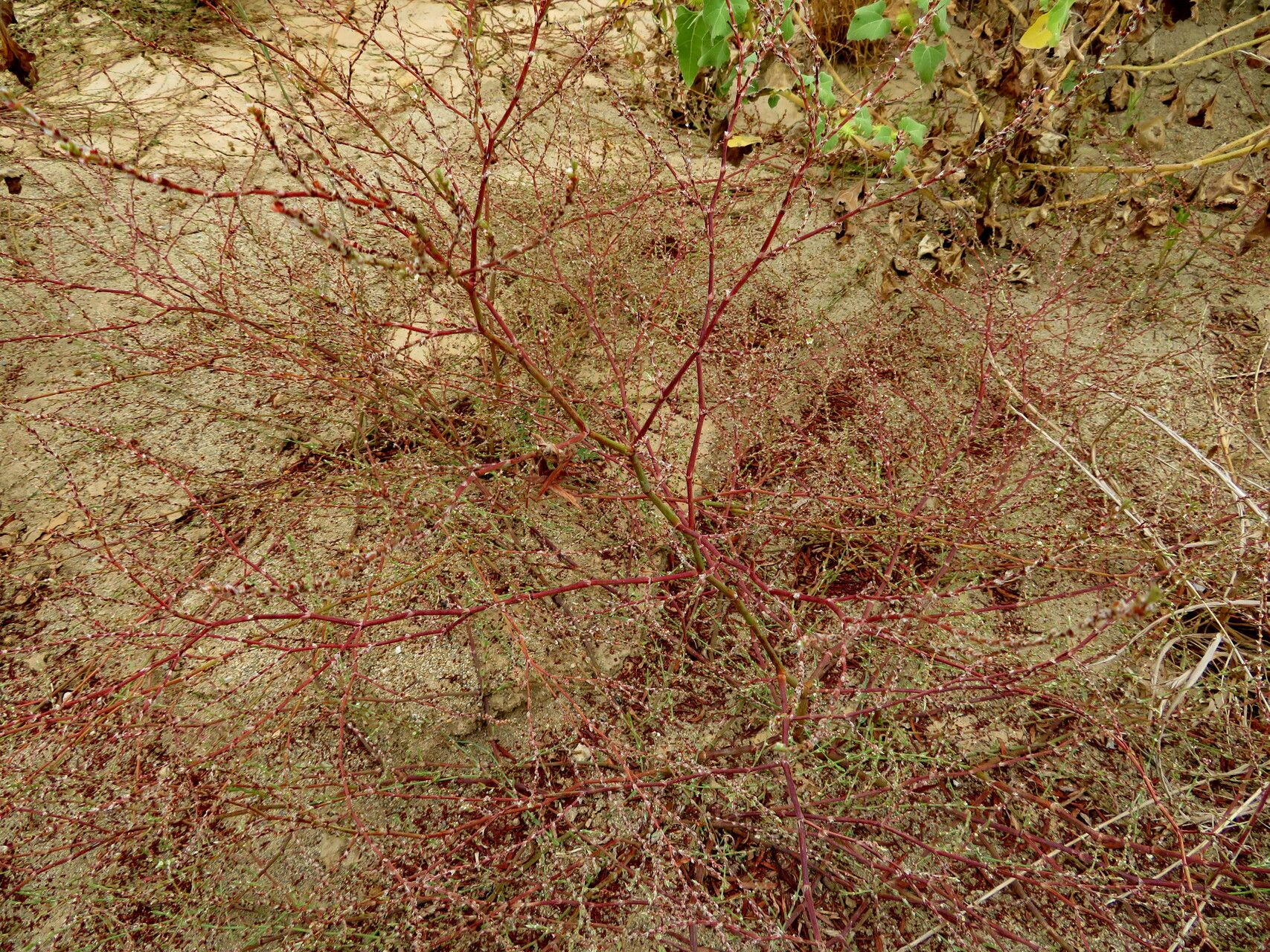
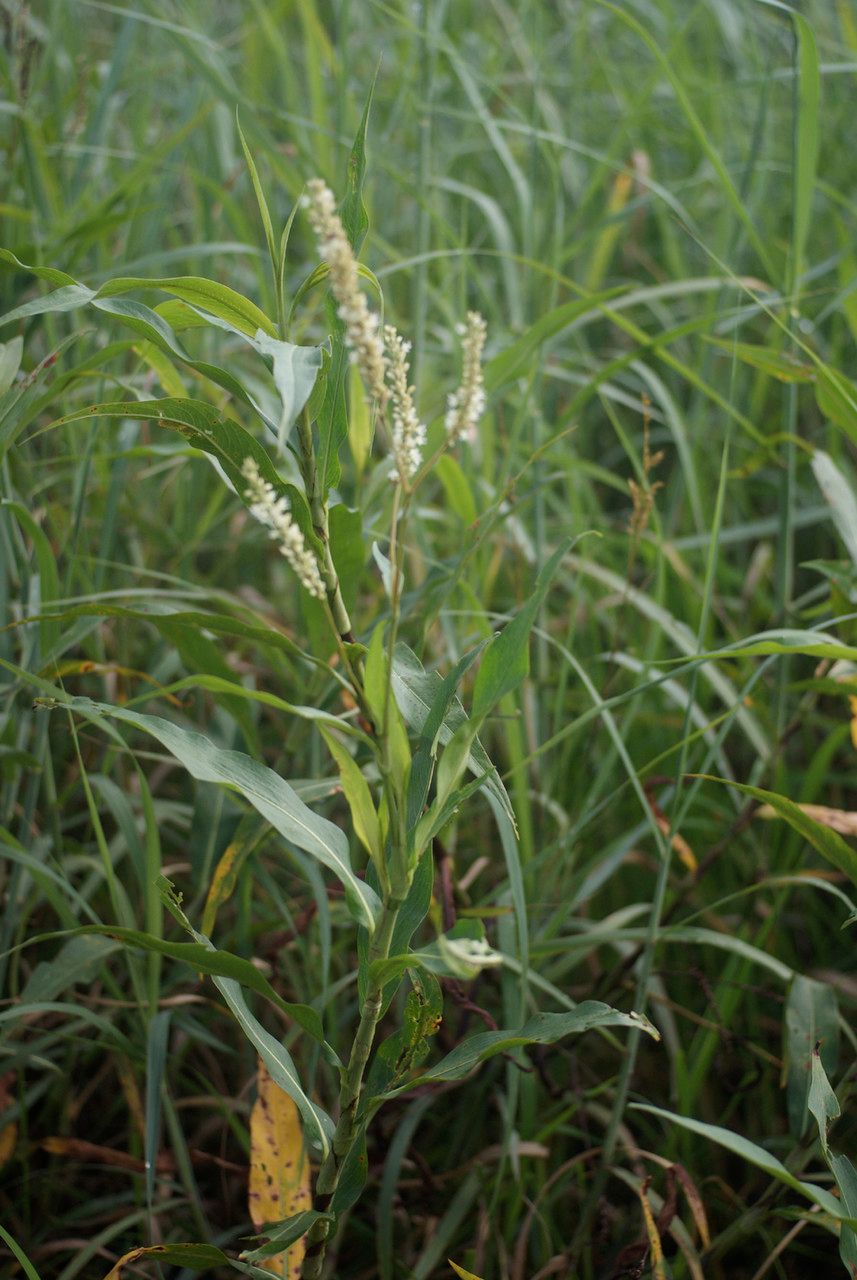
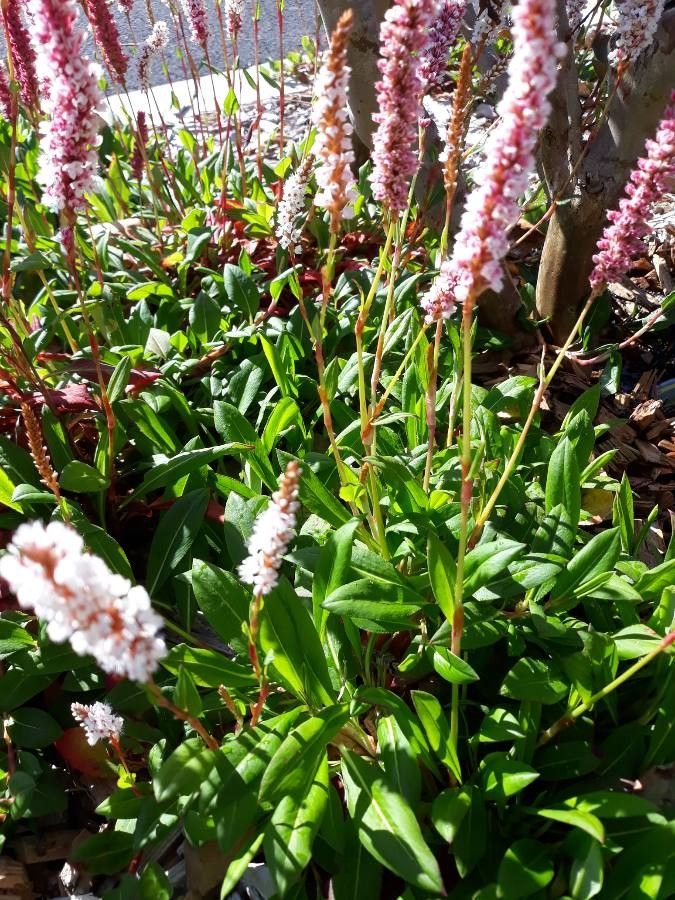
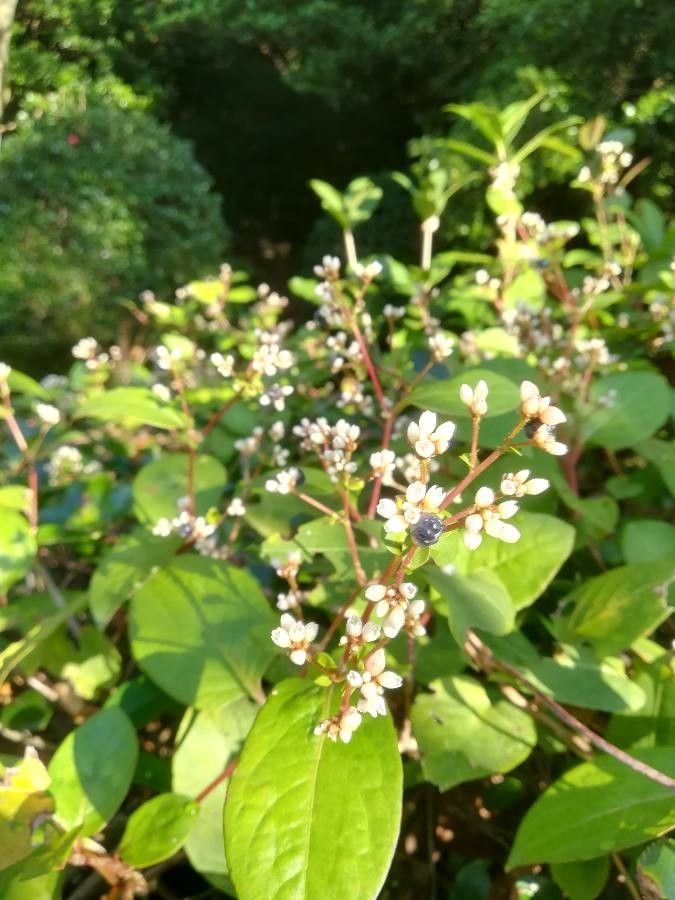
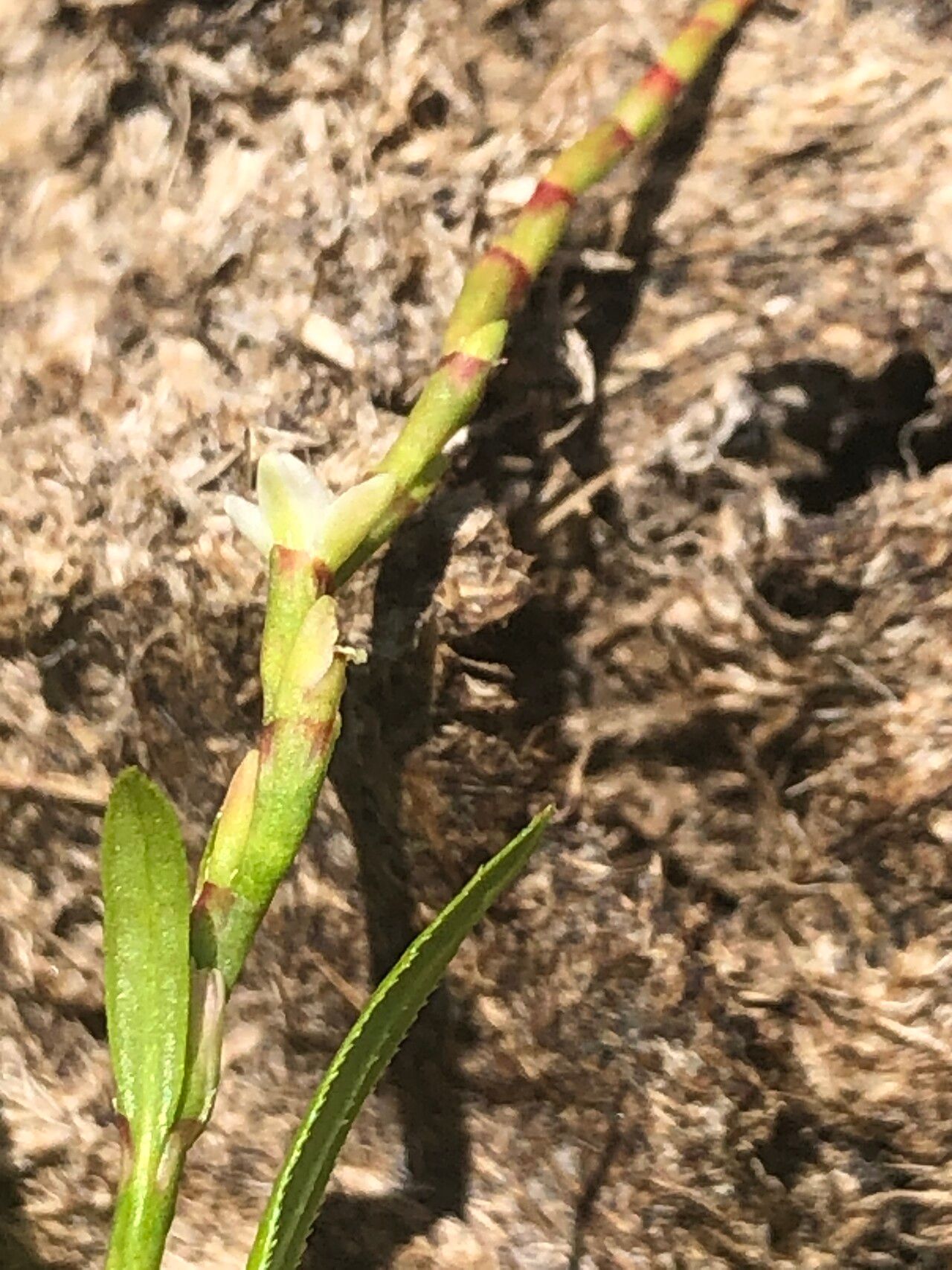
Polygonum equisetiforme, commonly known as knotweed or wireweed, is a perennial herbaceous plant belonging to the family Polygonaceae. Native to North America, it thrives in wetlands, marshes, and along the banks of streams and rivers. The plant features a slender stem that can grow up to 1 meter in height, with small green leaves arranged alternately along its length.
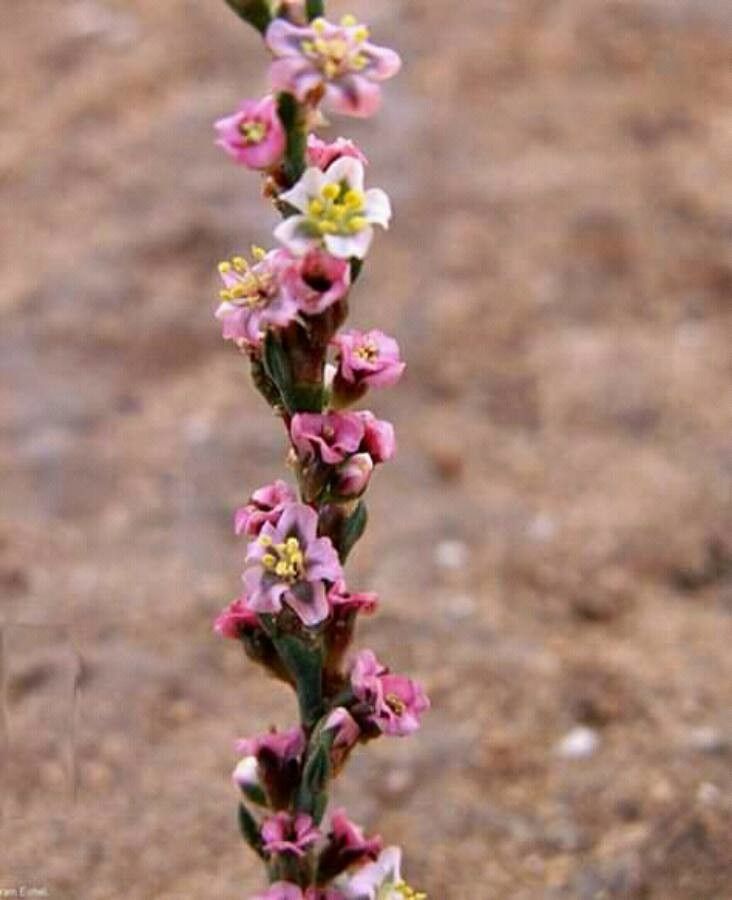
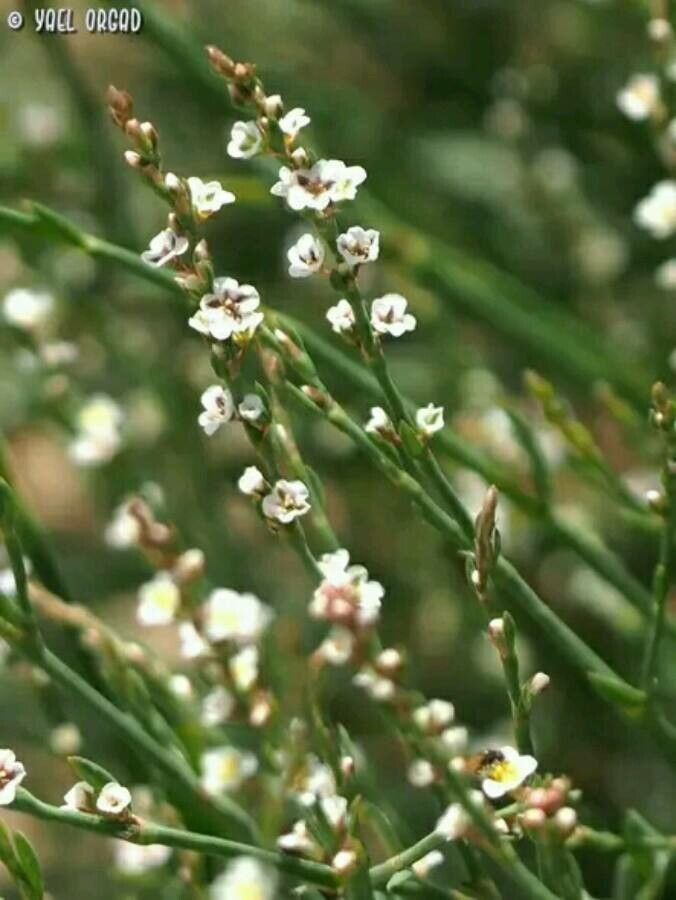
The flowers of Polygonum equisetiforme are small and pinkish-white, featuring five petals clustered at the end of each stem. The plant blooms from June to September.
Native Americans have used knotweed for medicinal purposes for centuries, employing it as an herbal remedy for ailments such as diarrhea, dysentery, fever, and inflammation.
This plant was discovered in Philadelphia around 1910. It is a type of rice field weed that is difficult to remove due to its strong ability to thrive in wetlands, riverbanks, grasslands, moors, and mudflats. FUN FACT · FROM THE LIBRARY
Beyond its medicinal properties, knotweed plays an important ecological role by providing habitat for various species of birds and insects. However, it can also be considered invasive due to its ability to spread rapidly through rhizomes (underground stems), making it difficult to control once established.
Overall, Polygonum equisetiforme is an intriguing plant with both ecological significance and potential medicinal uses. However, it should be monitored carefully if introduced into new areas due to its invasive tendencies.
Horsetail knotweed is fairly resistant to disease and typically does not suffer from illnesses. That said, it can be affected by pests and diseases present in its surroundings. These problems are usually minor. For care, this plant needs moderate maintenance. It should be pruned regularly to keep a neat appearance and support healthy growth. Fertilizing can also encourage flowering. Horsetail knotweed is appropriate for anyone with outdoor space, like a garden or patio, and does not demand much gardening experience. It may need more attention if grown indoors.
How to keep Polygonum Equisetiforme.
Light
Horsetail knotweed is a perennial herbaceous plant that favors sunny conditions and comes from open habitats, commonly growing in meadows and grasslands. It prefers full sun but can also tolerate partial sun conditions.
Water
Horsetail knotweed originates from arid environments and thrives with minimal moisture, requiring only moderate watering. To prevent the soil from becoming too wet, water it weekly. This plant is ideal for xeriscapes because it efficiently stores water, making it well-suited for regions that experience periodic droughts.
Temperature
Horsetail knotweed is quite adaptable to temperature, able to endure higher heat and considerable temperature fluctuations. In hot weather, be mindful of watering and provide suitable shade to prevent sunburn. Its tolerance for low temperatures, however, is relatively poor; although it can tolerate some cold, excessively cold conditions may cause frost damage.
Fertilizer
One fertilizer application in spring is generally adequate for Horsetail knotweed, though multiple feedings can maximize growth. Fertilize about once every one to one and a half months. Feeding improves the leaves’ appearance and function, helping maintain even color and a healthy texture. It also promotes root development and nutrient uptake for the plant’s long-term health.
Botanical profile.
- Plant Type
- Herb
- Life Cycle
- Perennial
- Genus
- Polygonum
- Family
- Polygonaceae
- Hardiness Zone
- 7-10
- Mature Height
- 91 cm
- Mature Spread
- 91 cm
- Leaf Color
- Green
- Leaf Type
- Deciduous
- Flower Color
- Pink, White
- Flower Size
- 0.20 cm to 0.51 cm
- Bloom Time
- Summer, Early fall
- Planting Time
- Spring, Summer, Autumn
- Harvest Time
- Late summer, Fall
- Native Area
- Saudi Arabia, Libya, Egypt, Turkey, Tajikistan, Tunisia, Cyprus, Bulgaria, Greece, Morocco, Lebanon, Uzbekistan, Syria, Italy, Kazakhstan, Spain, Israel, Algeria, Qatar, Turkmenistan, Portugal
Other names.