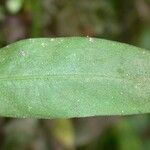
Polygonum hydropiperoides
Swamp smartweed · Mild smartweed · Mild water pepper
Description
Source: leafsnapPersicaria hydropiperoides is a New World species of flowering plant in the buckwheat family known by the common names swamp smartweed and false waterpepper. It is widespread across much of North America and South America. It grows in moist and wet habitats, and is sometimes semi-aquatic. Persicaria hydropiperoides is quite variable and is sometimes divided into several varieties, some of which may be better treated as species in their own right.In general, Persicaria hydropiperoides is a rhizomatous perennial herb growing upright or erect and approaching a maximum height of one meter (40 inches). Roots may emerge from nodes on the lower stem. The bristly lance-shaped leaves are around 10 centimeters (4 inches) long. The leaves have sheathing stipules known as ochrea. The spikelike inflorescence produces many pinkish flowers each about 3 millimeters wide.
Care Guide
💧 Water
☀️ Light Full sun
The false waterpepper flourishes when it receives plenty of sunlight during the day. It can also adapt to environments where sunlight is partially scattered, but this could impact its best growth. Being native to places characterized by plentiful sunlight, it could experience leaf scorch when overly exposed or become thin and lack vitality if sunlight is insufficient.
🌡️ Temperature 0–35°C
The false waterpepper naturally grows in areas with temperatures ranging from 32 to 95°F (0 to 35℃). It flourishes in this temperature range and any deviation to temperatues below or above this range could potentially impede its growth.
💨 Humidity
🪴 Soil 6-7
🌱 Fertilizer
Usually, one round of fertilization in the spring is enough for False waterpepper, however, increased feedings could lead to optimized growth. Consider feeding the plant every 30 to 45 days. Fertilizing improves the look and function of the leaves, endorsing a uniform color and robust texture. Moreover, it encourages the development of roots and the uptake of nutrients, ensuring the plant's health over a long period.
🪴 Pot & Repot
✂️ Pruning
🌿 Propagating
🐛 Diseases & pets
☠️ Toxicity
Characteristics
- Plant Type
- Herb
- Life Cycle
- Perennial
- Genus
- Polygonum
- Family
- Polygonaceae
- Hardiness Zone
- 3-10
- Mature Height
- 61 cm to 91 cm
- Mature Spread
- 13 cm
- Leaf Color
- Green, Dark Green
- Leaf Type
- Semi-evergreen
- Flower Color
- White
- Flower Size
- 2.54 cm
- Bloom Time
- Summer, Fall
- Planting Time
- Spring, Summer, Autumn
- Harvest Time
- Late summer, Fall, Early winter, Mid winter
- Native Area
- Chile, Belize, Honduras, Mexico, Guatemala, Georgia, Peru, Dominican Republic, Panama, Uruguay, Colombia, Bahamas, Cuba, Paraguay, Argentina, Bolivia, Venezuela, Brazil, Guyana, El Salvador, Nicaragua, Ecuador, Suriname, Costa Rica