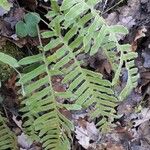
Polypodium cambricum
Welsh polypody · Southern polypody
Description
Source: leafsnapPolypodium cambricum, the southern polypody, limestone polypiody, or Welsh polypody, is a species of fern in the family Polypodiaceae, native to southern and western Europe where it grows on shady rocks, near the coasts of the Mediterranean Basin and in the mountains of Atlantic Europe. It is a spreading, terrestrial, deciduous fern growing to 60 centimetres (24 in) tall, with pinnate fronds. The sori are yellow in winter.
Care Guide
💧 Water Every 7 days
The southern polypody originally comes from humid woodlands and thrives in consistently moist soil, although it can tolerate moderate drought. To mimic its natural environment, it's best to water it weekly. Being an evergreen plant, the southern polypody keeps its foliage all year round, which means it requires attentive care during the growing season to stay healthy.
What should I do if I give my Southern polypody plant too much or too little water?
The Southern polypody can be overwatered if it sits in water or if the planter doesn't have drainage holes. This can cause wilting, yellowing leaves, drooping stems, and soft, mushy textures. However, it's important to check for other causes, as overwatering can resemble other issues. On the other hand, the plant can also become underwatered if not monitored carefully. In dry conditions, it can quickly become brown and crispy. In severe cases, it may appear completely dried up, but it could still be saved if some roots are healthy. To revive it, remove the dry and dead stems, thoroughly water the plant, and return it to its usual spot. With proper care, the plant can recover and grow new fronds, although it may take several months to regain its previous size.
How should I water my Southern polypody correctly?
Your Southern polypody plant thrives in consistently moist soil, similar to its native environment. To achieve this, it is recommended to water the plant every one or two days to prevent it from drying out. Once you notice the top layer of soil becoming slightly dry, it is a signal that watering is needed. When watering, make sure to thoroughly soak the soil until water drains out from the bottom of the pot. Afterward, it is important to discard any excess water to avoid the plant sitting in a puddle. Following this method will help maintain the ideal moisture level and prevent the soil from becoming too dry.
What do I need to think about when giving water to my Southern polypody?
The frequency of watering your Southern polypody depends on the humidity levels in the air. Higher humidity means less watering. Avoid placing the plant near heating or cooling vents as it can cause it to dry out quickly. Find a location without drafts. This fern prefers dappled and indirect sunlight and temperatures between 55-80 degrees F (13-27 degrees C). Placing it on a warm and sunny windowsill can lead to dehydration. If possible, use rainwater or distilled water, although tap water usually works fine. Tap water may contain minerals and chemicals that can cause brown leaf tips. Southern polypody doesn't do well in small pots as they dry out quickly. Give the plant more space in the pot. Consider using a self-watering planter for this fern. It keeps the soil consistently moist using a wicking system, which is beneficial for the roots as they prefer a steady water supply.
☀️ Light Full shade
Southern polypody strongly prefers abundant sunlight, which greatly affects its vigorous growth. It can still thrive in somewhat limited light, but to a lesser degree. Its native habitat tends to receive substantial sun. Both excessive sun and insufficient light can disrupt its normal growth patterns.
What are the sunlight requirements for Southern polypody?
Southern polypody requires full sun, which means it needs above 6 hours of sunlight, or partial sun, around 3-6 hours of sunlight daily. It's important to observe how sunlight moves through your garden to ensure that you place your plants in locations that provide an optimal balance of light and shade. This care will support their growth and overall happiness.
How does sunlight affect the growth of Southern polypody?
Sunlight significantly influences the growth of Southern polypody, promoting its robust development. Originally from habitats with considerable sun exposure, it can thrive even in somewhat limited light, though less efficiently. Proper sunlight exposure is crucial since both overexposure and insufficient light can adversely affect its growth patterns. In indoor settings or during less sunny seasons, artificial lighting such as LED lights can be a vital solution to provide the necessary wavelengths of light for optimal growth. Proper settings for artificial light include 30-50W/sq ft for full sun plants, 20-30W/sq ft for partial sun, and 10-20W/sq ft for full shade plants.
What are the symptoms of insufficient light exposure in Southern polypody?
Symptoms of insufficient light exposure in Southern polypody may include smaller new leaves, leggy or sparse growth, faster leaf drop, slower or no new growth, lighter-colored new leaves or irregular color patterns indicating a lack of chlorophyll, chlorosis or yellowing of leaves, sunscald leading to damaged leaves or stems, leaf curling as a defense against excessive sunlight, wilting due to loss of turgor pressure, and leaf scorching characterized by brown, dry edges on leaves. Such conditions signify the need for adjusting light exposure to ensure the plant's health and growth.
How can I address the light-related symptoms in Southern polypody?
To address light-related symptoms in Southern polypody, gradually increase its sunlight exposure. For indoor plants, move them closer to a sunnier spot each week, aiming for at least 6 hours of direct sunlight daily. Utilize south-facing windows and consider supplemental artificial light if needed. For outdoor plants, also gradually increase sun exposure to prevent sunburn. Observe and possibly reduce obstructions like tree branches. For ground-plants, relocating to a sunnier spot during their dormant season can also help. Note that while parts of the plant affected by insufficient sunlight may not recover, new growth post-adjustment should be healthy.
🌡️ Temperature 10–32.2°C
Southern polypody does well in temperate environments, preferring temperatures of 50 to 89.6 °F (10 to 32 °C). It may require protection from extreme summer heat and cover against cold during harsh winters.
What is the optimal temperature for Southern Polypody?
Southern Polypody thrives best in temperate environments, preferring a temperature range between 50 to 89.6 °F (10 to 32 °C). It is important to provide this plant with heat protection during extreme summer heats to avoid overheating. In contrast, although it has strong cold resistance, special frost protection measures are not typically necessary. However, if winter temperatures are anticipated to fall below -25°C, it becomes crucial to protect the plant by covering it with materials such as soil or straw. Additionally, before the first freeze of autumn, it's recommended to water the plant abundantly to ensure the soil remains moist as it freezes, helping to prevent drought and water scarcity for the plant during winter and early spring.
How does Southern Polypody react to low temperatures, and what are the solutions if it's too cold?
Southern Polypody is notably cold-tolerant, performing optimally when temperatures stay above 10°C. During the winter months, it's best kept above -15°C. If temperatures dip below -25°C, you might not notice immediate changes during the winter, but there could be a noticeable decline in sprouting or even a complete lack of sprouting in the spring. If this occurs, the solution is to remove any parts of the plant that have failed to sprout in the spring.
What happens when Southern Polypody is exposed to high temperatures, and how can it be mitigated?
During the summer, it is crucial to ensure that Southern Polypody does not exceed temperatures of 32°C. Exposure to temperatures above 35°C can cause the leaves to lighten in color, become prone to curling, and increase susceptibility to sunburn. To mitigate these effects, trim away any sunburned or dried-up parts of the plant. Moving the plant to a shaded location or using a shade cloth can protect it from the harsh midday and afternoon sun. Additionally, watering the plant in the morning and evening will help keep the soil moist, further assisting in temperature management.
💨 Humidity
🪴 Soil 6-7
🌱 Fertilizer
To promote healthy fronds in southern polypody, apply high-nitrogen fertilizers every 4 to 6 weeks during the spring and summer. Be sure to use half-strength doses to prevent root burn and ensure even distribution. In the fall, reduce the frequency of feeding and stop altogether in the winter. Before fertilizing, make sure the soil is damp to further support the plant's health.
Why is it necessary to put fertilizer on my Southern polypody?
Fertilizing Southern polypody is essential for several reasons. Firstly, it provides your plant with the necessary nutrients for healthy new growth. Additionally, the extra nutrients also strengthen the health of existing growth and aid in protecting the plant against diseases and pests.
When should I fertilize my Southern polypody?
The feeding schedule of Southern polypody depends on its location. This plant does not need a lot of food, but some additional nutrients are necessary. Outdoor plants should be fertilized once in the spring. On the other hand, indoor specimens require monthly feeding starting in the spring and continuing throughout the summer.
When should I not put fertilizer on my Southern polypody?
To avoid excessive growth before winter, it is important not to fertilize after early autumn. Additionally, it is not recommended to fertilize Southern polypody during hot and dry times of the year. This is because dry soil is not as effective in delivering fertilizer, and stimulating growth during this time requires more water, which may not be available. It is best to apply fertilizer earlier in the season when temperatures are cooler. Lastly, be aware that Southern polypody can absorb fertilizer that has been applied to nearby plants or lawns, so be cautious about unintentionally providing ferns with too much fertilizer.
What kind of fertilizer does my Southern polypody plant need?
When selecting a fertilizer for Southern polypody, consider the plant's location - indoors or outdoors. For outdoor plants, mulch or compost can greatly enhance their growth. Indoor plants, on the other hand, tend to benefit from a fertilizer with a 3-1-2 N-P-K ratio. However, in certain cases, a general-purpose fertilizer with a balanced blend of nutrients can also be effective. Just remember, when using a balanced fertilizer, ensure that the ratio numbers for each nutrient volume are 3 or lower.
How do I add plant food to my Southern polypody?
Fertilizing Southern polypody depends on its location. For outdoor garden plants, add a layer of mulch or compost to the soil around the base of the plant. Indoor plants, on the other hand, do well with a diluted liquid fertilizer applied monthly in the spring and summer, before watering.
🪴 Pot & Repot 2-3 years
When repotting Southern polypody, select a container 1–2 inches (2.5–5.1 cm) larger with good drainage. Use a well-draining potting mix. Repot in spring or fall, making sure the root ball sits slightly lower than the rim of the pot. Water thoroughly after repotting and place in a warm spot with indirect sunlight.
✂️ Pruning
The Southern polypody is a plant characterized by its delicate fronds and rhizome growth. To keep it healthy and prevent disease, prune it in early spring by removing dead fronds. Be careful not to cut too close to the rhizome. Regular maintenance will help the plant grow vigorously and maintain an attractive shape, enhancing its aesthetic appeal in gardens.
🌿 Propagating
🐛 Diseases & pets
☠️ Toxicity
Characteristics
- Plant Type
- Fern
- Life Cycle
- Perennial
- Genus
- Polypodium
- Family
- Polypodiaceae
- Hardiness Zone
- 6-8
- Mature Height
- 10 cm to 61 cm
- Mature Spread
- 46 cm
- Leaf Color
- Green
- Leaf Type
- Semi-evergreen
- Planting Time
- Spring, Summer
- Native Area
- Libya, Turkey, Tunisia, Montenegro, Cyprus, Bulgaria, Armenia, Greece, Croatia, Slovenia, Morocco, Lebanon, Russia, Portugal, Syria, Italy, Spain, Switzerland, Israel, France, Albania, Ireland, United Kingdom, Algeria, Belgium, Netherlands