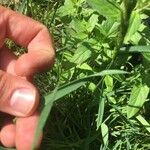
Polypogon viridis
Water-bent · Water-bent grass · Beardless rabbitsfoot grass · Water beardgrass · Beardless rabbitsfootgrass
Description
Source: leafsnapPolypogon viridis, commonly known as green beardgrass, is a species of grass in the Poaceae family. This perennial plant can grow up to 60 cm tall and features slender stems adorned with green leaves. During the summer months, it produces small, inconspicuous flowers. Native to Europe and Asia, green beardgrass has been introduced to other regions of the world as an ornamental plant. It thrives in meadows, fields, and alongside roads. The plant prefers well-drained soils and can flourish in both full sun and partial shade. While it is drought-tolerant, it does not thrive in waterlogged conditions. Green beardgrass serves as a food source for grazing animals such as sheep and deer, and its seeds are consumed by birds like finches. In traditional medicine, Polypogon viridis has been used for its diuretic properties to treat urinary tract infections. However, no scientific studies have confirmed its medicinal effectiveness. In summary, Polypogon viridis is an attractive ornamental grass that provides sustenance for wildlife, but it lacks significant medicinal value beyond its traditional uses.
Care Guide
💧 Water Every 7 days
Beardless rabbit's-foot grass thrives in humid environments and requires plenty of water. Native to tropical rainforests, this grass needs weekly watering to maintain its lush growth. Being an evergreen, it retains its leaves all year round, which means it also needs consistent moisture during the colder months.
What do I do if I give my Beardless rabbit's-foot grass too much or too little water?
Proper watering is crucial for the growth and performance of this beautiful ornamental grass. When planted in the ground, watering issues can be resolved, but when it's in a container, the grass can quickly die if it receives too much or too little water. If the grass isn't getting the right amount of water, it may stop growing. Overwatering can cause yellow leaves with brown tips, while underwatering can result in drooping leaves, weak seed head production, and browned leaves. If you suspect watering problems, determine if it's too much or too little water. If it's too much, stop watering and give the soil time to dry out. Test the soil for moisture when new growth appears and decide whether it needs more water. On the other hand, if the grass is receiving too little water, give it a deep drink and observe if it perks up. Keep in mind that a long, deep watering is better than frequent shallow waterings, as it encourages deep root growth and makes the grass more resistant to drought and watering-related issues.
How much water does my Beardless rabbit's-foot grass need?
The watering needs of Beardless rabbit's-foot grass can vary depending on where it is planted. Generally, watering this grass once a week is recommended. In hot climates, watering once or twice a week during the summer may be necessary. In moderate climates, watering once every seven days or more may be enough. Grass in containers usually require more frequent watering compared to grasses planted in the ground. However, the location and sunlight exposure also play a role. Shaded grasses need less frequent watering compared to grasses planted in the ground and exposed to sunlight. When it comes to Beardless rabbit's-foot grass, it should only be watered when the soil is dry. To determine if the soil is dry or not, you can press your finger a couple of inches into the soil. For potted grass, you can also weigh the pot to feel if it is lightweight due to lack of water. Signs such as folded and thinner grass blades indicate inadequate water for the roots. Despite being drought-tolerant, regular and deep waterings will help maintain its beautiful color. Although Beardless rabbit's-foot grass is known to grow in open scrubland with extreme heat, sun, and intermittent rain, it still requires care and attention. While it is hardy and can handle dry conditions, it thrives best with consistent watering. When newly planted, the grass will need more frequent watering until it develops deep roots. If it is planted in a pot, the soil may dry out quickly, especially if the pot is exposed to hot sun. Testing the soil every 3 to 4 days and watering only when it feels dry is recommended. Ground-planted Beardless rabbit's-foot grass generally needs less watering, but it depends on the type of soil. Clay soil holds water for longer periods and may feel dry on the surface while still retaining moisture below the ground. On the other hand, sandy soils that drain quickly will require more frequent watering.
What do I need to be careful with when watering my Beardless rabbit's-foot grass in different seasons, climates, or during different stages of growth?
To determine if you are watering your grass enough, pay attention to how quickly it grows. Beardless rabbit's-foot grass tends to grow rapidly, sometimes even doubling in size within a year during the hottest months. If the weather is hot but the grass is not growing vigorously, you may need to adjust your watering schedule. In the winter, watering once a month may be sufficient, but it's still important to check the moisture levels of the soil. During the growth cycle in warm months, the grass needs more water than usual, whereas during winter and cooler months, it needs much less. Remember that it is crucial to let the soil dry out completely before watering Beardless rabbit's-foot grass.
☀️ Light Full sun
Beardless rabbit's-foot grass is a perennial herbaceous plant that favors sunny conditions and originates from open habitats, often thriving in meadows and grasslands. It prefers full sun but can also tolerate partial sun.
What are the sunlight requirements for Beardless rabbit's-foot grass?
Beardless rabbit's-foot grass, known botanically as Polypogon viridis, is a perennial herbaceous plant thriving in full sun for more than 6 hours of sunlight per day but can also tolerate partial sun conditions of about 3-6 hours of sunlight. It's important to watch how sunlight moves through your garden to choose spots that provide a balance of light and shade, ensuring the plants' happiness.
How can artificial lighting support indoor Beardless rabbit's-foot grass?
Indoor plants, including Beardless rabbit's-foot grass, require adequate lighting for optimal growth, especially when natural sunlight is insufficient. Artificial lights, such as LEDs, offer a solution by promoting healthier growth. For full sun plants, 30-50W/sq ft of artificial light is needed; 20-30W/sq ft for partial sun plants. The artificial light source should be placed 12-36 inches above the plant to mimic natural sunlight and be on for 8-12 hours per day.
What are the signs of inadequate lighting for Beardless rabbit's-foot grass?
When Beardless rabbit's-foot grass is grown in low light, it may show several symptoms such as smaller new leaves, leggy or sparse growth, faster leaf drop, slowed or halted growth, lighter-colored new leaves, chlorosis (leaves turning yellow), sunscald, leaf curling, wilting, and leaf scorching. These signs indicate that the plant is not receiving sufficient light for its needs.
What are the solutions for Beardless rabbit's-foot grass experiencing insufficient sunlight?
For indoor Beardless rabbit's-foot grass suffering from low light, gradually moving the plant to a sunnier location or using artificial light can help. Outdoors, finding the best sunlight spot and transitioning the plant gradually is key to avoid sunburn. Reducing obstructions like pruning trees can increase sunlight exposure. If necessary, transplanting during the plant's dormant period to a location with better sunlight and drainage can also be beneficial. Note that parts of the plant already affected might not recover, but new growth should be healthy after improving light conditions.
🌡️ Temperature 15–35°C
Beardless rabbit's-foot grass can tolerate a wide range of temperatures, yet its distribution may still be restricted by different combinations of moisture and heat. It performs best in warm summer climates with adequate rainfall or watering. Extended periods of cloudy, rainy weather or prolonged high temperatures can raise the likelihood of Beardless rabbit's-foot grass dying. In winter, appropriate protection from cold can increase the plant's survival rate.
💨 Humidity
🪴 Soil 6-7
🌱 Fertilizer
Beardless rabbit's-foot grass requires additional nutrients to encourage healthy new growth. In spring, placing some compost around the base of the plant can effectively provide the nutrition it needs. Fertilizing helps support vigorous growth and helps the plant resist diseases and pests.
🪴 Pot & Repot
✂️ Pruning
Beardless rabbit's-foot grass features long, slender leaves. To encourage new growth and maintain its structure, prune it in early spring. Remove any dead stems to improve air circulation and reduce the risk of disease. Regular maintenance will support healthy, dense growth and help prevent the grass from becoming invasive. For the best results, refer to horticultural guides for advice on best practices.
🌿 Propagating
🐛 Diseases & pets
☠️ Toxicity
Characteristics
- Plant Type
- Grass
- Life Cycle
- Perennial
- Genus
- Polypogon
- Family
- Poaceae
- Hardiness Zone
- 7-10
- Mature Height
- 10 cm to 76 cm
- Mature Spread
- 15 cm to 30 cm
- Leaf Color
- Light Green, Pale Green
- Leaf Type
- Semi-evergreen
- Flower Color
- Yellow, Green, Brown
- Flower Size
- 0.10 cm
- Bloom Time
- Summer, Early fall, Mid fall
- Planting Time
- Spring, Summer, Autumn
- Harvest Time
- Mid summer, Late summer, Fall
- Native Area
- Libya, Somalia, Egypt, Turkey, India, Eritrea, Pakistan, Morocco, Yemen, Uzbekistan, Iraq, Oman, Ethiopia, France, Portugal, Saudi Arabia, Tunisia, Mauritania, Cyprus, Bulgaria, Greece, China, Afghanistan, Italy, Kazakhstan, Spain, Switzerland, Vietnam, Israel, Iran, Albania, Algeria, Turkmenistan