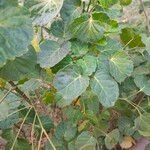
Polyscias balfouriana
Balfour Aralia
Description
Source: leafsnapPolyscias balfouriana, known as Balfour aralia or dinner plate aralia, is a species in the family Araliaceae. The species is native from New Guinea to Queensland, Australia.It is a bushy shrub. Leaves are alternate and have long petioles. Flowers are white with 5 petals.The specific epithet honors John Hutton Balfour. The species is often grown in cultivation as an ornamental.
Care Guide
💧 Water Every 3-7 days
Dinner plate aralia thrives in environments with high humidity and consistent moisture, and it prefers stable hydration while also being moderately tolerant of drought. It's ideal to water it once every 1-2 weeks, allowing the soil to dry out slightly between waterings. Often grown indoors, this plant benefits from misting during its active growth season to replicate its natural habitat.
☀️ Light Full sun
Dinner plate aralia originates in open habitats, such as sunny meadows and forest edges, which offer ample light. It thrives in Full Sun but can also tolerate Partial Sun, adapting well to various sunlight conditions.
🌡️ Temperature 20–37.8°C
The dinner plate aralia comes from tropical areas, where the climate is typically warm and humid. Consequently, it is adapted to high temperatures and humidity. It does not tolerate sudden temperature shifts and prefers a steady temperature, so avoiding indoor temperature fluctuations is important. It generally cannot endure cold and needs warmer conditions to grow. If the surrounding temperature falls too low, the plant may stop growing or even die.
💨 Humidity
🪴 Soil 6-7
🌱 Fertilizer
Fertilization is essential for caring for the Dinner plate aralia. Consistent feeding during the growing season helps maintain the energy needed for its showy foliage and encourages overall growth. If fertilization is neglected, leaves can become unhealthy, its ornamental appeal may decline, and growth can be stunted or weak and prone to breaking.
🪴 Pot & Repot 2-3 years
When repotting Dinner plate aralia, pick a container 1-2 inches (2.5–5.1 cm) larger with plenty of drainage. Use a potting mix that drains well. Repot during spring or fall, positioning the root ball slightly lower than the rim of the flower pot. Water thoroughly after repotting and keep the plant in a warm location with indirect sunlight.
✂️ Pruning
Dinner plate aralia benefits from regular pruning to maintain its shape and encourage new growth. Key techniques include removing dead branches and thinning the plant to improve air circulation. The best time to prune is from early to late winter, which helps reduce stress on the plant, boost growth in the spring, and prevent pest infestations.
🌿 Propagating
🐛 Diseases & pets
☠️ Toxicity
Avoid eating this plant as it may cause stomach upset and vomiting in both humans and pets.
Characteristics
- Plant Type
- Shrub
- Life Cycle
- Perennial
- Genus
- Polyscias
- Family
- Araliaceae
- Hardiness Zone
- 10-12
- Mature Height
- 0.91 m to 2.13 m
- Mature Spread
- 61 cm to 91 cm
- Leaf Color
- Dark Green, Forest Green
- Leaf Type
- Evergreen
- Flower Color
- White
- Flower Size
- 0.51 cm to 1.02 cm
- Bloom Time
- Summer, Early fall
- Planting Time
- Summer
- Harvest Time
- Late summer, Fall
- Native Area
- Papua New Guinea