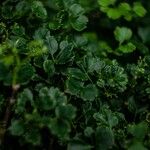
Polyscias guilfoylei
Geranium-leaf aralia · Geranium Aralia · Coffeetree · Wild coffee · Lace aralia
Description
Source: leafsnapPolyscias guilfoylei, commonly known as Guilfoyle's Polyscias, is a tropical evergreen shrub belonging to the Araliaceae family. Native to Southeast Asia, this plant can grow up to 3 meters tall. It has a bushy growth habit with multiple stems, and its glossy green leaves are divided into smaller leaflets arranged in an alternate pattern along the stem. Guilfoyle's Polyscias thrives in warm and humid conditions with bright, indirect light but can also tolerate low-light environments. It requires well-draining soil and regular watering; however, overwatering should be avoided to prevent root rot. As an indoor ornamental plant, Guilfoyle's Polyscias is popular for its attractive foliage, which brings a tropical feel to any space. Additionally, it has air-purifying properties that benefit indoor environments. This plant can be propagated through stem cuttings or air layering during the spring or summer months when growth is most active. Overall, Polyscias guilfoylei is an excellent choice for those seeking an easy-to-care-for indoor ornamental shrub with attractive foliage and air-purifying benefits.
💡 Geranium aralia is often grown in gardens, and occasionally it can be kept as a houseplant in a container. However, it is important to choose the location for this plant carefully, as it is toxic to dogs, cats, and horses. If ingested, it can cause serious side effects. In the event of accidental ingestion, seek medical assistance immediately.
🌳 Aside from its typical role as an ornamental, geranium aralia may have uses in other fields, including air purification. Its thick foliage is capable of taking up certain pollutants, thus enhancing indoor air quality. However, dedicated research and practical deployment of geranium aralia for these purposes are still mostly unexamined and offer prospects for future use.
🎭 Favor, Wedding Favor, Your Hand for the Next Dance
Care Guide
💧 Water Every 7 days
Geranium aralia, a plant native to the understories of tropical forests, thrives in environments with high humidity. It is important to let the soil dry out slightly between waterings, which typically means watering every 1 to 2 weeks. Regular misting is beneficial for the plant. During periods of active growth, the plant's water needs may increase due to higher metabolic activity.
How should I water my Geranium aralia?
Your Geranium aralia is not picky about how it is watered. You can use any common watering tool, such as a watering can, hose, or even cups, to moisten the soil. Regardless of the tool you choose, make sure to water the soil directly and evenly to provide sufficient moisture to all parts of the root system. Using filtered water is recommended to avoid harmful particles in tap water. Additionally, using water at or slightly above room temperature is ideal as very cold or hot water can be shocking to the plant. However, the Geranium aralia generally responds well to any type of water.
What do I do if I give my Geranium aralia too much water or too little water?
Outdoor plants, especially newly planted ones or seedlings, can easily suffer from lack of watering. It is important to consistently water them for a few months until their roots are established. Once this happens, they can rely on rain for most of their moisture. When Geranium aralia is planted in pots, there is a higher risk of overwatering. If you accidentally overwater your plant, you should take immediate action to address the situation. Stop watering the plant right away to minimize the impact of overwatering. Then, remove the Geranium aralia from its pot to inspect the roots. If there is no sign of root rot, you can return the plant to its container. However, if root rot is present, trim any affected roots and consider applying a fungicide to prevent further damage. Finally, repot the Geranium aralia in well-draining soil. On the other hand, if you underwater your Geranium aralia, it is a relatively easy problem to fix. The leaves will droop, dry out, and fall off. However, they will quickly regain their fullness after proper watering. Make sure to adjust your watering frequency as soon as you notice signs of underwatering.
How many times do I need to water my Geranium aralia?
Here are some tips on watering your plants: - Most outdoor plants can rely on rainfall for their water needs. However, if your area doesn't get much rain, it's important to water them every two weeks in spring and fall, and more frequently in summer. - During winter, when plants grow slower and need less water, it's best to water them sparingly. In fact, you may not need to water them at all. - If you have a young or newly planted Geranium aralia, be sure to water it more often to help it establish and grow into a more adaptable and drought-tolerant plant. - For potted plants like the Geranium aralia, there are two main ways to determine when to water them. One is to follow a set watering schedule, such as once a week or every other week. However, this may not always consider the specific conditions of your plant's growing environment. - Another approach is to check the soil moisture. Wait until the first two to four inches of soil, about one-third to one-half the depth of the pot, have completely dried out before watering again. This method allows you to adjust the watering frequency based on the plant's actual needs.
How much water should I give my Geranium aralia?
When watering your Geranium aralia, you may be surprised to learn that it doesn't always require a lot of water. If only a few inches of soil have dried since the last watering, you can support healthy growth by giving the plant about five to ten ounces of water each time. Another way to determine the amount of water needed is by checking the moisture of the soil. Take note of how many inches of soil have dried out between waterings. To ensure the plant gets enough moisture, water it until all the dry soil layers have been moistened. If more than half of the soil is dry, give more water than usual and continue until you see excess water draining from the pot's holes. If your Geranium aralia is planted in an area with ample outdoor rain, additional watering may not be necessary. For young or newly established plants, provide 1-2 inches of rain per week. As the plant grows and becomes established, it can rely solely on rainwater. However, during hot weather and periods with no rainfall for 2-3 weeks, consider giving the plant a thorough watering to prevent stress.
How do I know if I'm watering my Geranium aralia enough?
The Geranium aralia is often overwatered, which can cause a variety of signs to appear. One indication is yellowing leaves, and some leaves may even fall off. Overwatering may also cause the plant to shrink and promote root rot. Conversely, if it is not being watered enough, the plant may start to droop and develop brown or brittle leaves. In either case, intervention is necessary to save your Geranium aralia.
☀️ Light Partial sun
Geranium aralia prefers areas where sunlight is available but not too strong. The plant can also tolerate full sun or complete shade. Its tolerance of light helps its health and growth. However, an imbalance in light exposure can harm the plant.
What are the sunlight requirements for Geranium aralia?
Geranium aralia thrives in conditions where it can receive sunlight, whether it's partial or full exposure. It requires about 3-6 hours of sunlight per day for partial sun but can also grow in full sun or full shade conditions, where full sun involves more than 6 hours of sunlight. The plant's flexibility with sunlight exposure enables it to maintain health and growth effectively. But, it's important to observe how sunlight moves through your garden or indoor space to find spots that offer the right balance of light and shade, ensuring the plant's wellbeing.
How can artificial lighting be used for Geranium aralia?
Indoor Geranium aralia plants can benefit significantly from artificial lighting, especially when natural sunlight is insufficient, such as during winter or in less sunny spaces. Optimal growth is achieved by using LED lights, which can be customized to provide specific wavelengths required by the plant. For full sun plants, 30-50W/sq ft of artificial light is recommended, while partial sun plants require 20-30W/sq ft, and full shade plants need 10-20W/sq ft. The artificial light source should be placed 12-36 inches above the plant, mimicking natural sunlight, and turned on for 8-12 hours per day to simulate the length of natural daylight hours.
What are the signs of insufficient light in Geranium aralia?
When Geranium aralia does not receive enough light, several symptoms may appear, including faster leaf drop, lighter-colored or irregularly patterned new leaves, leggy or sparse growth, and conditions like chlorosis, sunscald, leaf curling, wilting, and leaf scorching. These symptoms indicate a range of issues from insufficient chlorophyll and essential nutrients to damage from excessive sunlight. Observing these signs early can help in addressing the plant's light requirements more effectively.
How can I address light-related issues in Geranium aralia?
To optimize Geranium aralia's growth, gradually acclimate it to more sunlight by shifting it to sunnier spots each week until it receives the desired 3-6 hours of direct sunlight. If moving the plant isn't feasible, consider using artificial lights for additional illumination, keeping a lamp on for at least 8 hours a day, or investing in grow lights. For outdoor plants, it's crucial to avoid sudden changes in light intensity to prevent sunburn. If light obstruction is an issue, try pruning to increase sunlight exposure or transplant smaller plants to sunnier locations during their dormant period, ensuring good drainage. It's important to note that parts of the plant that have suffered from insufficient sunlight may not recover, but new growth should be healthy with improved light conditions.
🌡️ Temperature 20–37.8°C
Geranium aralia favors temperatures between 68 to 100 ℉ (20 to 38 ℃) and grows best in its native warm-climate environment. In winter, it is recommended to lower the temperature to about 50 to 59 ℉ (10 to 15 ℃) to mimic its natural dormancy period and encourage healthy growth in the following season.
What are the best temperature conditions for Geranium aralia?
Geranium aralia, known botanically as Polyscias guilfoylei, thrives in warm climates, preferring temperatures between 68 to 100°F (20 to 38°C). To simulate its natural dormancy period and promote healthy growth for the following season, it's suggested to lower the temperature to around 50 to 59°F (10 to 15°C) during winter. This plant is extremely heat-loving, and exposure to cold can be harmful. Therefore, it's advisable to bring outdoor-grown Geranium aralia indoors during autumn, placing it near a bright window while ensuring it's not too close to heaters. Maintaining above-freezing temperatures during winter is crucial for the plant's well-being.
How should I care for my Geranium aralia in low temperature conditions?
In the event of low temperatures, it's important to take measures to protect Geranium aralia due to its preference for warmth. Should the temperature drop too low, the plant's leaves may lighten in color, with frost damage causing them to turn brown or black, accompanied by wilting and drooping. To mitigate this, trim off any frost-damaged parts and move the plant indoors to a warmer setting. Placing it near a south-facing window will ensure it gets enough sunlight while avoiding placement near heaters or air conditioners to prevent air dryness. Maintaining temperatures above freezing points during winter is beneficial for the plant's health.
What should I do if my Geranium aralia is exposed to high temperatures?
Geranium aralia should ideally be kept at temperatures below 100°F (38°C) during summer. If temperatures climb higher, the plant's leaves may lighten, making it prone to sunburn. In such cases, trim off sunburned or dried-up sections of the plant. To protect it from the excessive heat, relocate the plant to an area that offers shade, especially during the midday and afternoon sun. It's also advisable to water the plant during cooler parts of the day, like morning and evening, to help keep the soil moist and aid in temperature regulation.
💨 Humidity normal (40-60%)
This plant will thrive in moderate humidity, which is probably the level in your home. However, misting it a few times a week can be very beneficial. Make sure the room has good ventilation.
🪴 Soil 6-7
🌱 Fertilizer
Providing fertilizer is essential for Geranium aralia care. Regular feeding during the growth period preserves the energy required for its showy foliage and supports overall development. Failing to fertilize can lead to unhealthy leaves, reduced ornamental value, and stunted or weak growth that is more likely to break.
Why should I put fertilizer on my Geranium aralia?
Geranium aralia needs regular fertilization primarily because their showy leaves require a lot of energy to produce and maintain. The challenge lies in allocating enough energy to maintain the leaves while also supporting the growth of stems, branches, roots, and other important structures. Neglecting fertilization can have two likely outcomes. Firstly, the leaves may lose their natural color and texture, giving them an unhealthy appearance and diminishing their ornamental appeal. Secondly, the overall growth of the plant may slow down, and there is a risk of weak growth that could break easily.
When should I fertilize my Geranium aralia plant for the best results?
To ensure the health of your Geranium aralia, it's recommended to occasionally feed it instead of sticking to a set feeding schedule. A simple method is to apply fertilizer while watering the plant on occasion. Throughout the growing season, adequate watering is essential for your Geranium aralia. Consider feeding the plant every two to three weeks, consistently when it is actively producing new growth.
When is it a bad idea to add fertilizer to my Geranium aralia plant?
For most of the year, it is fine to fertilize your Geranium aralia regularly. This should be done during the active growing season, which includes spring, summer, and early fall. However, during winter, you should not fertilize this plant at all. During the winter, the Geranium aralia goes into a dormant growth phase where it either does not have new growth or has very little. During this phase, the plant uses less energy overall, which is why fertilization is unnecessary at that time.
What kind of fertilizer does my Geranium aralia plant require?
The fertilizer for a Geranium aralia requires a specific blend of nutrients, each in relatively low amounts. An ideal fertilizer has an N-P-K ratio of 3-1-2. However, a general-purpose fertilizer with even nutrient distribution can also be effective. When using a balanced fertilizer, each nutrient volume should be 3 or lower. You can choose between granular or liquid-based fertilizers. If using a liquid-based fertilizer, it is best to dilute it by half. While granular fertilizer has few downsides, it is most practical to use liquid fertilizer, especially when watering your Geranium aralia.
How should I apply fertilizer to my Geranium aralia?
One of the easiest ways to fertilize a Geranium aralia is to feed it while watering. Here's how to do it: First, gather your fertilizer and a water container, like a watering can. Mix the fertilizer with water to make it less strong. Then, pour this diluted fertilizer-water onto the soil, letting it soak down to the roots. Another option is to use a granular fertilizer. Simply sprinkle some of the fertilizer on the soil where your Geranium aralia lives. Granular fertilizers are slow-release, so you won't need to fertilize as often as you would with a liquid fertilizer. Remember to water your plant while you feed it, regardless of the fertilizer method you choose.
🪴 Pot & Repot 2-3 years
When repotting Geranium aralia, select a pot 1–2 inches (2.5–5 cm) larger with good drainage. Use a well-draining potting mix. Repot in spring or fall, making sure the root ball sits slightly below the rim of the flower pot. Water thoroughly after repotting and place the plant in a warm spot with indirect sunlight.
✂️ Pruning
Geranium aralia is an ideal choice for a houseplant, thanks to its lush, feathery foliage. To manage its size and encourage bushier growth, it's best to prune it between early and late winter. During pruning, remove any dead branches and trim back overgrown stems. This process helps promote the plant's health, improve air circulation, and maintain an attractive shape. Make sure to use sterilized tools to prevent the spread of diseases.
🌿 Propagating
🐛 Diseases & pets
☠️ Toxicity
Characteristics
- Plant Type
- Shrub
- Life Cycle
- Perennial
- Genus
- Polyscias
- Family
- Araliaceae
- Hardiness Zone
- 10-12
- Mature Height
- 0.91 m to 3.05 m
- Mature Spread
- 0.91 m to 1.22 m
- Leaf Color
- Green, Yellow, White, Variegated, Gold
- Leaf Type
- Evergreen
- Flower Color
- White
- Flower Size
- 0.25 cm to 0.51 cm
- Bloom Time
- Early summer, Mid summer
- Planting Time
- Spring, Autumn
- Harvest Time
- Mid summer
- Native Area
- Vanuatu, Indonesia, Papua New Guinea