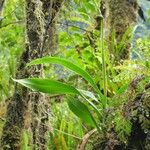
Polystachya concreta
Greater Yellowspike Orchid · Great yellow spike orchid · Yellow spike orchid · Yellow Helmet Orchid · Greater Yellow-spike Orchid
Description
Source: leafsnapPolystachya concreta, the greater yellowspike orchid, is a species of orchid native to tropical and subtropical America, Africa and Asia.
Care Guide
💧 Water
The greater yellowspike orchid originates from tropical regions and thrives in high humidity. While it has moderate drought tolerance, it requires weekly watering. Misting the plant can help replicate its natural habitat and support its flowering potential. For optimal health, it is essential to use a well-draining substrate.
How should I water my Greater yellowspike orchid?
The watering method for your Greater yellowspike orchid depends on whether it is actively growing or not. During active growth, water the soil and occasionally water the leaves if it is warm, allowing the plant to absorb moisture. In winter and cool/wet weather, focus on watering the soil only. Look for signs of needing more water like thin, dry leaves or discoloration. Overwatering will make the plant look mushy and limp. Use a pot with good drainage and water multiple times a week during the growing season. Water should drain quickly, and the pot size will determine the frequency of watering. Rainwater or distilled water that matches the air temperature is best.
What should I do if I give my Greater yellowspike orchid too much or too little water?
To avoid killing your Greater yellowspike orchid, make sure the soil doesn't stay too wet for too long. These plants need frequent watering during growth, but they also need well-draining soil. Overwatering can cause root rot, which can be treated by cutting out the affected roots and repotting in a container with good drainage using fast-draining potting mix. However, excessive repotting may not be good for this orchid, so it's important to find the right watering rate. If the orchid starts to shrivel and feel dry, it's likely underwatered, so increase watering frequency.
How often do I need to water my Greater yellowspike orchid?
To ensure the proper care of your Greater yellowspike orchid, it's important to adjust your watering routine throughout the different seasons. During the active growth stage in the spring and summer, aim to water your orchid once or twice a week. If the weather is exceptionally hot and dry, increase the frequency to three times a week or more. In winter, watering requirements decrease significantly. Watering your orchid two to three times a month should be sufficient to keep it alive during the colder months. However, if you keep your orchid indoors during winter, be aware that the soil may dry out faster than usual. Consider increasing the number of monthly waterings accordingly. As fall approaches, gradually reduce the watering frequency from multiple times per week to match your winter watering schedule.
What do I need to think about when watering my Greater yellowspike orchid at different times of the year and during its growth phases?
When planning the watering schedule for your Greater yellowspike orchid, there are two important growth phases to consider. The first phase is the active growth period which occurs in spring and summer, and during this time the plant needs to be watered multiple times per week. The second phase is the rest period that occurs during winter, which lasts for about two to three months. During this rest period, the orchid requires significantly less water and fertilization. It is sufficient to water the plant about once or twice per month during this period. In the fall, it is recommended to gradually reduce the watering frequency from multiple times per week to once or twice per month, to prepare for the winter rest period.
How should I water my Greater yellowspike orchid if I am growing it inside?
The Greater yellowspike orchid prefers a relatively humid growing environment. Unfortunately, most indoor locations lack the necessary air moisture, causing the plant and soil to dry out quickly. To address this, consider using a humidifier in the room where you grow the orchid and watering it more frequently. However, remember that while humidity is important, the orchid also needs proper air circulation to prevent excessive moisture and related diseases. Adding a fan to the room will help maintain the right airflow.
☀️ Light Full sun
The greater yellowspike orchid grows best with abundant sunlight but can also tolerate moderate light. It originally flourished in habitats with plentiful sun, and its growth is healthy under those conditions. Too much or too little sun exposure may affect the plant's vitality.
What are the sun requirements for the Greater Yellowspike Orchid?
The Greater Yellowspike Orchid thrives in conditions ranging from full to partial sun. Full sun exposure means the plant should receive above 6 hours of sunlight daily, while partial sun refers to about 3-6 hours of sunlight. It's crucial to observe how sunlight moves through your garden, choosing locations that provide an optimal balance of light and shade to ensure the plants' well-being.
What essentials should be considered for the growth of Greater Yellowspike Orchid?
The Greater Yellowspike Orchid requires abundant sunlight for optimal growth but can also grow under moderate lighting conditions. Originating from environments rich in sunlight, this orchid's health and vitality are significantly influenced by its exposure to light. When natural sunlight is not sufficient, especially during winter or in less sunny spaces, artificial lighting can be a critical alternative. LED lights are recommended for their customizable light wavelengths. Depending on the plant's natural habitat, the artificial light requirements vary: full sun plants need 30-50W/sq ft, partial sun plants need 20-30W/sq ft, and full shade plants need 10-20W/sq ft. The artificial light source should be placed 12-36 inches above the plant, mimicking the length of natural daylight, which is typically 8-12 hours per day.
What are the vital symptoms of insufficient or excessive sunlight in Greater Yellowspike Orchid?
Insufficient sunlight may lead to smaller new leaves, leggy or sparse growth, faster leaf drop, slowed or halted new growth, and lighter-colored or yellowing leaves due to chlorosis. Conversely, excessive sunlight can cause symptoms like sunscald, leaf curling, wilting, and leaf scorching, which are indicative of damage from intense light exposure. These conditions negatively affect the orchid's health and ability to photosynthesize, ultimately impacting its growth and vitality.
What solutions are recommended for managing light conditions for indoor, outdoor, and ground-planted Greater Yellowspike Orchids?
To optimize growth and adapt to varying light conditions, for indoor orchids, gradually increase sunlight exposure or use artificial lighting for at least 8 hours a day. For outdoor plants, move them gradually to sunnier spots to prevent sunburn, noting that parts of the plant damaged by insufficient light may not recover, but new growth will be healthy. For ground-planted orchids, reduce light obstructions by pruning or transplanting during the dormant period to locations with more sunlight and good drainage, ensuring a healthier living environment for the plant.
🌡️ Temperature 20–37.8°C
The greater yellowspike orchid is native to temperate climates and thrives in temperatures of 68 to 100 °F (20 to 38 °C). In cooler or warmer seasons, its environment must be carefully monitored and adjusted to maintain this optimal temperature range.
What is the optimal temperature range for growing Greater Yellowspike Orchid?
The Greater yellowspike orchid, botanically known as Polystachya concreta, thrives in temperate climates and prefers temperatures between 68 and 100 °F (20 to 38 °C). It's a tropical plant, so during winter, it's crucial to maintain indoor temperatures above 20°C to ensure the plant's well-being, especially if the minimum temperature drops below 0°C. When cultivating this orchid indoors during colder seasons, placing it near a south-facing window for ample sunlight and using a humidifier or misting regularly to maintain humidity levels are beneficial practices. For orchids that need to overwinter outdoors, ensuring they are sheltered and sunlight-receiving while utilizing temporary greenhouses or protective materials is essential.
How should you care for a Greater Yellowspike Orchid when exposed to low temperatures?
The Greater yellowspike orchid does not tolerate low temperatures well and requires temperatures to be maintained above 20°C. Exposure to temperatures below -5°C results in symptoms such as extensive water-soaked necrosis, wilting, and drooping of the leaves. In such cases, it's important to trim off the frostbitten areas and immediately relocate the plant indoors to a warm environment. Positioning the orchid near a south-facing window ensures it receives sufficient sunlight. Additionally, to avoid excessive air dryness, avoid placing the plant near heaters or air conditioning vents.
What care is recommended for a Greater Yellowspike Orchid during high temperatures?
In the summer, when temperatures soar, it's crucial to keep the Greater yellowspike orchid at temperatures below 38°C to prevent growth cessation and wilting of leaves. Exposure to temperatures above 43°C increases susceptibility to root rot and risks sunburn if the plant is in direct sunlight. To address this, trim away sunburned and dried parts of the plant and relocate it to a shade, especially from the midday and afternoon sun. Watering in the morning and evening can help maintain moisture for both the plant and its surroundings, mitigating the heat's effects.
💨 Humidity
🪴 Soil 5-6
🌱 Fertilizer
Proper fertilization is vital for the Greater yellowspike orchid's health and appearance. Fertilize the Greater yellowspike orchid in summer, repeating the application monthly throughout the season. Nutrients supply the energy for growth and sustain the plant's parts. Fertilizing improves the Greater yellowspike orchid's floral display, ensuring its best blooms.
🪴 Pot & Repot
✂️ Pruning
To help the greater yellowspike orchid thrive, it is best to prune it in early spring or late winter. Remove any dead pseudobulbs and leaves to encourage growth and prevent disease. Be sure to use sterilized tools, and avoid over-pruning. For the best results, time your pruning according to the plant's dormancy period to ensure optimal health and vigor.
🌿 Propagating
🐛 Diseases & pets
☠️ Toxicity
Characteristics
- Plant Type
- Herb
- Life Cycle
- Perennial
- Genus
- Polystachya
- Family
- Orchidaceae
- Hardiness Zone
- 9-11
- Mature Height
- 28 cm
- Mature Spread
- 15 cm to 25 cm
- Leaf Color
- Light Green, Dark Green
- Leaf Type
- Evergreen
- Flower Color
- Yellow
- Flower Size
- 3.05 cm to 10.16 cm
- Bloom Time
- All year round
- Planting Time
- Spring, Summer, Autumn
- Harvest Time
- All year round
- Native Area
- Sri Lanka, India, Malaysia, Honduras, Guatemala, Peru, South Africa, Philippines, Madagascar, Laos, Jamaica, China, Colombia, Bahamas, Cuba, Indonesia, Cambodia, Equatorial Guinea, Bolivia, Vietnam, Venezuela, Myanmar, Brazil, Guyana, El Salvador, Nicaragua, Singapore, Ecuador, Thailand, Central African Republic