Poranopsis paniculata is a species of flowering plant belonging to the family Melastomataceae. This plant is native to Southeast Asia, specifically found in Thailand, Malaysia, and Indonesia. It typically thrives in lowland forests and along riverbanks.
Poranopsis paniculata is a shrub that can grow up to 3 meters tall. Its large, elliptical or ovate leaves can reach lengths of up to 30 centimeters. The leaves are dark green on the upper surface and lighter green on the lower surface.
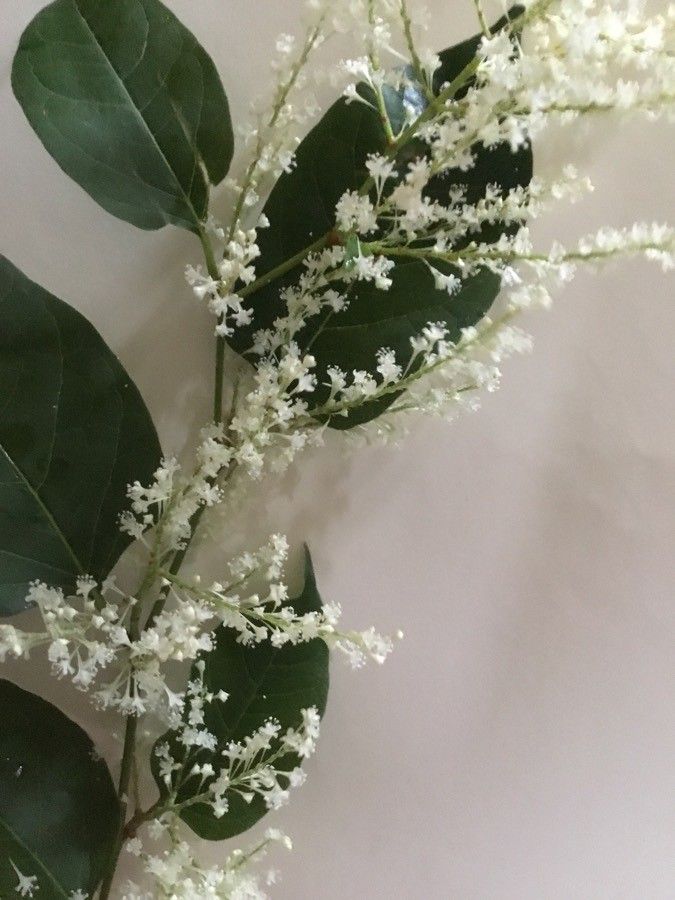
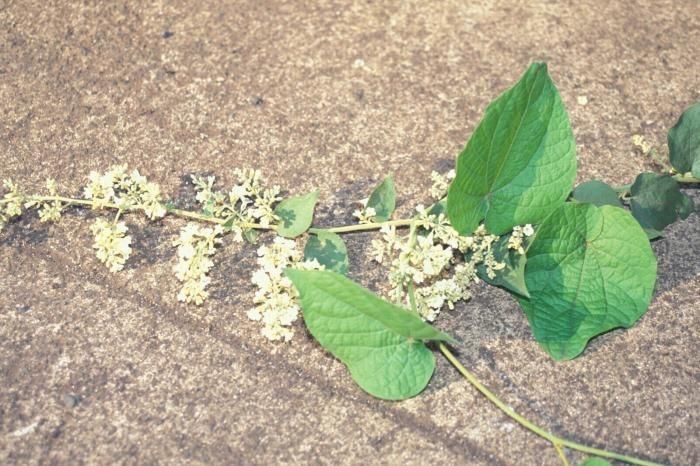
The plant produces small, pink or purple flowers that grow in large clusters at the ends of branches, forming a panicle-like inflorescence that can be up to 30 centimeters long.
Among local communities, Poranopsis paniculata has traditional medicinal uses. It is employed to treat various ailments such as fever, diarrhea, dysentery, coughs, and colds.
Overall, Poranopsis paniculata is an attractive shrub with ornamental value due to its beautiful flowers, making it an ideal choice for landscaping. Additionally, its traditional medicinal uses highlight its importance from an ecological and cultural perspective.
Botanical profile.
- Plant Type
- Herb, Vine
- Life Cycle
- Perennial
- Genus
- Poranopsis
- Family
- Convolvulaceae
- Hardiness Zone
- 9-11
- Mature Height
- 3.05 m to 10.06 m
- Mature Spread
- 2.13 m to 4.88 m
- Leaf Color
- Green, Dark Green
- Leaf Type
- Semi-evergreen
- Flower Color
- White
- Flower Size
- 2.03 cm to 3.05 cm
- Bloom Time
- Late summer, Early fall, Mid fall
- Planting Time
- Spring, Summer, Autumn
- Harvest Time
- Late fall, Early winter, Mid winter
- Native Area
- Nepal, Sri Lanka, India, Malaysia, Indonesia, Myanmar, Bhutan, Bangladesh, Pakistan, China
Other names.