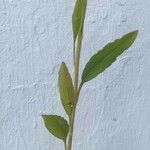
Porophyllum ruderale
Yerba porosa
Description
Source: leafsnapPorophyllum ruderale is an herbaceous annual plant whose leaves can be used for seasoning food. The taste has been described as "somewhere between arugula, cilantro and rue". The plant is commonly grown in Mexico and South America for use in salsas. When fully grown, the plant measures about 150 cm (5 ft) in height and 90 cm (3 ft) in diameter. The plant is easy to grow from seed in a well-drained soil, which should be allowed to dry between watering.
Care Guide
💧 Water Every 7 days
Yerba porosa flourishes in tropical climates, needing consistent moisture and evenly moist soil. To maintain optimal conditions, water it weekly, avoiding both over-saturation and dryness. Although usually grown outdoors, yerba porosa benefits from rainwater during its active growth phase, which mimics the natural rainfall patterns of its native habitat.
How should I water my Yerba porosa plant?
Watering Yerba porosa is flexible - you can use a garden hose with a spray nozzle, a watering can, or any other common watering tool. This plant doesn't have any specific requirements for water - it can survive on rainwater, tap water, or filtered water. However, it's best not to water it from overhead to avoid damaging the leaves and flowers or causing disease. Using a drip irrigation system is a good option for watering Yerba porosa as it provides even and direct watering to the soil. If you have a Yerba porosa in a container, you can follow a similar watering method but change the tools to a cup, watering can, or tap water.
What do I do if I give my Yerba porosa too much or too little water?
If your Yerba porosa plant is not getting enough water, the solution is simple: water it more regularly. However, overwatering can be much more serious. If you overwater your Yerba porosa, it can develop diseases and eventually die. To prevent this, select a suitable location for your plant with plenty of sunlight to help dry the soil and proper drainage to avoid waterlogged soil. If you have overwatered a potted Yerba porosa, it may be necessary to transfer it to a new pot with better drainage. When repotting, use loose soil and a pot that allows water to drain efficiently.
How often should I water my Yerba porosa plant?
Yerba porosa requires regular watering throughout the growing season. In the spring, water the plant once a week. As the weather gets warmer, you may need to increase watering to two to three times a week. However, it's important not to exceed this rate as it can harm the plant. Regardless of how often you water, make sure the soil remains moist but not wet. When growing Yerba porosa in a pot, you'll need to water more frequently compared to ground soil. Generally, water a potted Yerba porosa a few times a week instead of just once a week for an in-ground plant.
How much water does my Yerba porosa plant need?
To determine how much water to give your Yerba porosa, there are a few approaches you can take. Some gardeners prefer to feel the soil for moisture and water until the top six inches are moist. Another method is to use a set measurement, such as two gallons per week, adjusting based on temperature and soil dryness. However, following strict guidelines can lead to overwatering if your plant needs less water. When growing Yerba porosa in a container, a different method is needed. You should water until all layers of dry soil are moist, which can be checked by sticking your finger in the soil. Alternatively, you can water until you see a slight trickle of excess water coming out of the drainage holes.
How can I know if I am giving enough water to my Yerba porosa?
Avoiding overwatering your Yerba porosa can be challenging. On one hand, these plants have deep roots that need weekly watering. However, they are highly susceptible to root rot and browning if overwatered. Underwatering is less likely to harm your Yerba porosa as they can survive without supplemental watering for a while. However, if they go too long without water, they may wilt and develop dry leaves.
☀️ Light Full sun
Yerba porosa grows best in bright light but can tolerate lower levels of sun. Across different seasons, potted or ground-planted specimens may need adjustments. Too little light can hinder growth and reduce vigor.
What are the sunlight requirements for Yerba porosa?
Yerba porosa requires full sun, which means it thrives in areas that receive more than 6 hours of sunlight per day. It can also tolerate partial sun, approximately 3-6 hours of sunlight daily. However, for optimal growth and health, direct sunlight is preferred. It's important to observe how sunlight moves through your garden to choose spots that provide the right balance of light and shade, ensuring the plants' happiness.
How does artificial lighting benefit indoor Yerba porosa plants?
Indoor Yerba porosa plants benefit significantly from artificial lighting, especially when natural sunlight is insufficient, like in winter or less sunny spaces. Adequate lighting is crucial for optimal growth. Artificial lights, such as LED lights, can be customized to provide specific wavelengths needed by the plants. Full sun plants require 30-50W/sq ft, partial sun plants need 20-30W/sq ft, and full shade plants require 10-20W/sq ft of artificial light. The light source should be placed 12-36 inches above the plant, mimicking natural sunlight. Most plants need 8-12 hours of light per day, simulating natural daylight hours for healthier growth.
What are the common symptoms of inadequate light in Yerba porosa?
When Yerba porosa doesn't receive enough light, several symptoms can manifest, including smaller new leaves, leggy or sparse growth, faster leaf drop, slower or halted growth, lighter-colored new leaves, chlorosis, sunscald, leaf curling, wilting, and leaf scorching. These symptoms indicate the plant is struggling with light deficiency, affecting its photosynthesis process and overall health.
How can I address light deficiency in indoor and outdoor Yerba porosa plants?
To address light deficiency, you can gradually acclimate your Yerba porosa plants to receive more sunlight. For indoor plants, move them closer to a south-facing window or use artificial lighting, like desk lamps or grow lights, ensuring they get at least 6 hours of sunlight daily. For outdoor plants, gradually move them to spots with better sunlight exposure to prevent sunburn. Removing obstructions and transplanting smaller plants during their dormant period can also improve sun exposure. While parts of the plant already affected may not recover, new growth should be healthy with improved light conditions.
🌡️ Temperature 20–37.8°C
Yerba porosa prefers moderate temperatures, similar to the range most people find comfortable. It does best when conditions are neither too hot nor too cold. The main problem with high temperatures is the risk of sunburn, so giving it some shade in summer is recommended to avoid excessive heat. When temperatures decline, Yerba porosa goes dormant. To maintain continuous growth, winter temperatures need to be kept higher. Frost can damage the plant and should be avoided.
💨 Humidity normal (40-60%)
This plant will thrive in moderate humidity, which is probably the level in your home. However, misting it a few times a week can be very beneficial. Make sure the room has good ventilation.
🪴 Soil 6-7
🌱 Fertilizer
To maximize yield, Yerba porosa benefits from regular applications of a balanced fertilizer, especially one high in nitrogen. Apply fertilizer before planting, at planting, and when seedlings are 2 inches (5.1 cm) tall. Adding compost or manure also provides a continuous supply of nutrients. Insufficient nutrients in the soil lead to underdeveloped leaves and stems, inferior flavors, thin stems, and a potentially bitter taste.
🪴 Pot & Repot
✂️ Pruning
To keep yerba porosa healthy and full, it's best to prune it regularly from early to late spring. Concentrate on cutting away dead stems and trimming back overgrown branches. This will improve air circulation and allow more sunlight to reach the plant, enhancing its appearance and overall vitality.
🌿 Propagating
🐛 Diseases & pets
☠️ Toxicity
Characteristics
- Plant Type
- Herb
- Life Cycle
- Annual, Biennial, Perennial
- Genus
- Porophyllum
- Family
- Asteraceae
- Hardiness Zone
- 9-11
- Mature Height
- 1.52 m
- Mature Spread
- 91 cm
- Leaf Color
- Light Green, Pale Green
- Leaf Type
- Semi-evergreen
- Flower Color
- White, Yellow, Green, Purple
- Flower Size
- 0.51 cm to 1.02 cm
- Bloom Time
- Summer, Early fall, Mid fall
- Planting Time
- Spring, Summer
- Harvest Time
- Late summer, Fall, Early winter
- Native Area
- Honduras, Mexico, Guatemala, Peru, Panama, Jamaica, Colombia, Bahamas, Cuba, Bolivia, Venezuela, Guyana, El Salvador, Nicaragua, Ecuador, Costa Rica