Posidonia oceanica
Mediterranean Tapeweed · Neptune Grass · Seagrass · Posidonia
Description
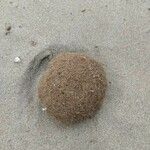
Source: leafsnapPosidonia oceanica is a species of seagrass commonly found in the Mediterranean Sea. As a perennial plant, it grows in dense meadows on the seabed and plays a crucial role in maintaining marine ecosystem health. The plant features long, ribbon-like leaves that can reach up to one meter in length, forming thick mats on the ocean floor. These Posidonia oceanica meadows provide essential habitats for a wide range of marine species, including fish, crustaceans, and mollusks. Additionally, the plants help stabilize the seabed sediment and reduce erosion caused by waves and currents. Despite its ecological importance, Posidonia oceanica faces numerous threats from human activities such as coastal development, pollution, and overfishing. Climate change also poses a significant threat, as rising sea temperatures can lead to die-offs of these vital plants. Conservation organizations worldwide are taking action to protect Posidonia oceanica meadows through initiatives such as establishing marine protected areas and promoting sustainable fishing practices. These conservation efforts are crucial for ensuring that this important plant continues to play its vital role in maintaining healthy marine ecosystems for generations to come.
Care Guide
💧 Water Every 7 days
Mediterranean tapeweed thrives in salty marine environments and doesn't need traditional watering. It's submerged and exposed to ocean currents, allowing it to photosynthesize underwater in sync with the tides. This evergreen seagrass thrives in coastal areas, showing resilience in places where freshwater plants cannot survive.
How should I water my Mediterranean tapeweed?
To properly care for the Mediterranean tapeweed, it is recommended to use filtered water at room temperature. This is because tap water can contain harmful particles for the plant. It is also important to use water that is at room temperature or slightly warmer since the Mediterranean tapeweed is accustomed to a warm environment and cold water can be damaging. Instead of overhead watering, it is advised to directly apply the filtered room temperature water to the soil until it is completely soaked. This method benefits the plant by moisturizing the roots and aiding in the spread and nutrient absorption process.
What can I do if I give my Mediterranean tapeweed too much or too little water?
Overwatering is a common problem for Mediterranean tapeweeds and can lead to issues such as wilting, yellowing leaves, and diseases like root rot, mold, and mildew. Underwatering is less common but can result in brittle, brown leaves. It is important to recognize the signs of overwatering early to prevent irreversible damage. If overwatering is suspected, reduce watering immediately and consider improving soil drainage. If underwatering is the issue, simply increase watering until the signs disappear.
How often do I need to water my Mediterranean tapeweed?
If your Mediterranean tapeweed is in a pot, you can determine if it needs water by checking the soil. Stick your finger into the soil and if the top two to three inches are dry, it's time to water it. For tapeweed planted outdoors, you can use the same method. If the top few inches of soil are dry, it's time to water. Generally, water this plant once a week in spring and early fall. During extremely hot weather, water it about twice a week or more. However, mature tapeweed that is well-established can tolerate drought well.
How much water does my plant called Mediterranean tapeweed need?
When watering your Mediterranean tapeweed, don't be afraid to give it plenty of water. Make sure the first two to three inches of soil are dry, and then give it a thorough watering until the soil is completely soaked. The water should be enough to cause excess water to come out of the drainage holes at the bottom of the pot. If you don't see excess water draining, you may have not given it enough water. But be careful not to let water accumulate in the soil, as this can be harmful to the plant. On the other hand, if no water is draining, it could mean that the soil doesn't drain well, which is bad for the plant's health. If the plant is outside, it only needs about 1 inch of rain per week.
How should I water my Mediterranean tapeweed when it is growing?
The water needs of the Mediterranean tapeweed can vary depending on its growth stages. In the first few years of its life or when you transplant it to a new location, you should provide more water than usual. During these stages, the tapeweed puts a lot of energy into developing new roots, which require extra moisture to support future growth. As the plant matures, its water requirements decrease. Another growth stage that may require increased water is the bloom period, as flower development utilizes a significant amount of moisture.
☀️ Light Full sun
Mediterranean tapeweed comes from habitats with abundant sunlight, such as the shallow margins of ponds and lakes. It prefers full sun, though it can also tolerate partial sun.
What are the sunlight requirements for Mediterranean tapeweed?
Mediterranean tapeweed thrives best in full sun conditions, requiring more than 6 hours of sunlight daily, but it can also tolerate partial sun, receiving about 3-6 hours of sunlight. It's essential to observe the sunlight patterns in your garden to find spots that offer the right balance of light and shade, ensuring the plant's growth and health.
How does insufficient sunlight affect Mediterranean tapeweed?
Insufficient sunlight can lead to several issues for Mediterranean tapeweed, including smaller new leaves, leggy or sparse growth, faster leaf drop, slower or halted growth, lighter-colored new leaves, chlorosis, sunscald, leaf curling, wilting, and leaf scorching. These symptoms indicate that the plant is not receiving the optimal amount of sunlight it needs to thrive.
What are some solutions for Mediterranean tapeweed not getting enough sunlight?
If your Mediterranean tapeweed is not getting enough sunlight, consider gradually moving it to a sunnier location each week or using artificial light for indoor plants. Ensure it receives at least 6 hours of direct sunlight daily, and use grow lights or keep lamps on for at least 8 hours daily for additional support. For outdoor plants, find the best spot with ample sun and avoid sudden light intensity changes to prevent sunburn. If trees are blocking sunlight, pruning might help. For smaller plants, consider transplanting during their dormant period to a location with better sunlight and drainage.
Can Mediterranean tapeweed be grown with artificial lighting?
Yes, Mediterranean tapeweed can be grown with artificial lighting, especially when natural sunlight is insufficient. Indoor plants benefit from artificial lights, such as LED lights, which can be customized to provide specific wavelengths. Full sun plants need 30-50W/sq ft, partial sun plants require 20-30W/sq ft, and the light source should be placed 12-36 inches above the plant. Ensuring your plant receives 8-12 hours of light per day is crucial for simulating natural daylight hours and promoting healthy growth.
🌡️ Temperature 20–37.8°C
Mediterranean tapeweed can tolerate a wide range of temperatures, though its range may still be constrained by different combinations of moisture and heat. It does best in warm summer climates with adequate rainfall or irrigation. Long stretches of cloudy, rainy weather, as well as sustained high heat, increase the chance of Mediterranean tapeweed dying. In winter, protecting the plant from cold can enhance its survival.
💨 Humidity
🪴 Soil
🌱 Fertilizer
Balanced nutrient fertilizers enhance the growth and health of Mediterranean tapeweed. It is important to apply fertilizers sparingly during the growing season to prevent over-fertilization and nutrient runoff. Understanding the life cycle of Mediterranean tapeweed helps in determining the appropriate timing and dosage for fertilization. Integrating fertilization with regular maintenance ensures the effective delivery of nutrients.
Why do I have to use fertilizer on my Mediterranean tapeweed?
The main structure of the Mediterranean tapeweed consists of its leaves. Fertilization plays a crucial role in ensuring that these leaves look great and perform their function effectively. Proper fertilization helps maintain consistent color and a healthy texture of the leaves. Additionally, fertilization also supports root growth and maintenance below the soil surface. This not only keeps the plant healthy in the present but also enhances its ability to absorb nutrients from the soil in the future.
When should I fertilize my Mediterranean tapeweed plant?
If you grow your Mediterranean tapeweed outdoors each year, it will start growing new leaves in early spring, which is a sign that it's time to fertilize. Initially, a single application of fertilizer in the spring should be sufficient. However, if you want to maximize growth, you can fertilize multiple times throughout spring and early summer. In this case, you can feed your Mediterranean tapeweed about once every month to a month and a half.
When is not a good time to add fertilizer to my Mediterranean tapeweed?
During the late fall and winter, your Mediterranean tapeweed goes into a dormant phase and stops producing new growth. During this time, it is best to avoid fertilizing the tapeweed. In the spring and summer, if you choose to fertilize, you should start reducing the amount of fertilizer as summer approaches because the tapeweed's growth rate slows down. Generally, it is not recommended to fertilize your Mediterranean tapeweed during extremely hot weather or when the soil is excessively dry. Fertilizing in these conditions can stress the tapeweed and cause it to die prematurely.
What kind of plant food does my Mediterranean tapeweed require?
Choosing the best fertilizer for a Mediterranean tapeweed is fortunately a straightforward task. These plants thrive on a general-purpose garden fertilizer that has equal amounts of nitrogen, phosphorus, and potassium. Fertilizers with a ratio of 10-10-10 or similar are effective options. It's important to avoid fertilizers with high nitrogen content if unsure. The best fertilizers for a Mediterranean tapeweed mostly come in granular form. These slow-release fertilizers are easy to apply to the soil. Additionally, feeding the tapeweed with organic soil amendment like compost can be helpful.
How can I make my Mediterranean tapeweed grow healthier?
To ensure proper growth of your Mediterranean tapeweed, wait until early spring when the first leaves start to emerge from the soil. At this point, you can apply a granular slow-release fertilizer with a balanced formula to the soil around the base of the plant. If desired, you can repeat this process later in the season. When reapplying fertilizer, make sure to apply it to the soil at the base of the plant, rather than directly on the plant itself. Sometimes, you may need to gently move the leaves aside to access the soil above the roots. Additionally, it's generally a good idea to water your Mediterranean tapeweed before and after applying fertilizer.
🪴 Pot & Repot
✂️ Pruning
Mediterranean tapeweed features long, ribbon-like leaves that create dense underwater meadows. Prune these plants between early and late spring using sharp tools to remove dead leaves. This practice stimulates growth, maintains the structure of the meadows, and supports coastal ecosystems. Avoid pruning outside of this season to reduce stress on the tapeweed.
🌿 Propagating
🐛 Diseases & pets
☠️ Toxicity
Characteristics
- Plant Type
- Herb
- Life Cycle
- Perennial
- Genus
- Posidonia
- Family
- Posidoniaceae
- Hardiness Zone
- 9-11
- Mature Height
- 0.91 m to 35.05 m
- Mature Spread
- 49 cm to 91 cm
- Leaf Color
- Dark Green
- Leaf Type
- Evergreen
- Flower Size
- 0.51 cm to 0.76 cm
- Bloom Time
- Fall
- Harvest Time
- Winter
- Native Area
- Libya, Egypt, Turkey, Tunisia, Italy, Morocco, Spain, Montenegro, Cyprus, Albania, Algeria, Greece, Croatia, Slovenia, France