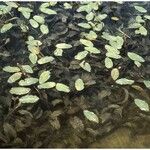
Potamogeton amplifolius
Large-leaved pondweed · Large-Leaf Pondweed · Largeleaf pondweed · Broad-leaved Pondweed
Description
Source: leafsnapPotamogeton amplifolius, commonly known as large-leaved pondweed, is an aquatic plant species belonging to the family Potamogetonaceae. Native to North America, this plant thrives in freshwater environments such as lakes, ponds, and slow-moving streams. The plant features long stems that can reach up to 3 meters in length, anchored in the substrate by rhizomes. Its large, oval-shaped leaves have a smooth texture and can grow up to 15 cm long and 10 cm wide. These leaves are arranged alternately along the stem, each characterized by a distinct midrib running down the center. During the summer months, Potamogeton amplifolius produces small flowers on spikes that rise above the water's surface. These flowers lack petals, instead having four sepals surrounding four stamens. This aquatic plant is crucial for freshwater ecosystems. It provides habitat for fish and other aquatic organisms and helps maintain water quality by absorbing nutrients from its surroundings. Overall, Potamogeton amplifolius is vital for healthy freshwater ecosystems and offers aesthetic value with its attractive foliage. During the summer, it blooms on spikes of small, petal-less flowers surrounded by sepals and stamens. Whether growing naturally or introduced for restoration or landscaping efforts, this plant thrives best under favorable conditions with adequate sunlight without excessive competition from other plants for nutrients or space.
Care Guide
💧 Water Every 7 days
☀️ Light Full sun
Large-leaf pondweed grows in places with plentiful sunlight, such as the shallow margins of ponds and lakes. It favors full sun but can also tolerate partial sun.
🌡️ Temperature 5–35°C
Large-leaf pondweed can tolerate a wide range of temperatures, but its distribution may still be limited by various combinations of water and heat conditions. It does best in warm summer climates with sufficient rainfall or watering. Extended periods of cloudy, rainy weather, as well as prolonged high temperatures, can make Large-leaf pondweed more likely to die. In winter, adequate protection from the cold can improve the plant's chances of survival.
💨 Humidity
🪴 Soil
🌱 Fertilizer
🪴 Pot & Repot
✂️ Pruning
Large-leaf pondweed has broad, elliptical leaves and flourishes in aquatic environments. To promote growth, remove dead tissue, and improve water circulation, it should be pruned in early spring. When trimming, cut the foliage just above the base to protect the rhizomes. Regular pruning enhances the plant's appearance, prevents overcrowding, and helps maintain proper oxygen levels.
🌿 Propagating
🐛 Diseases & pets
☠️ Toxicity
Characteristics
- Plant Type
- Herb
- Life Cycle
- Perennial
- Genus
- Potamogeton
- Family
- Potamogetonaceae
- Hardiness Zone
- 5-9
- Mature Height
- 0.91 m to 3.05 m
- Mature Spread
- 49 cm to 91 cm
- Leaf Color
- Dark Green, Olive Drab
- Leaf Type
- Deciduous
- Flower Size
- 0.20 cm to 0.25 cm
- Bloom Time
- Early summer, Mid summer
- Planting Time
- Spring, Summer, Autumn
- Harvest Time
- Late summer, Early fall
- Native Area
- Georgia, Mexico