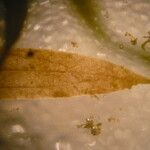
Potamogeton berchtoldii
Little Aguja Pondweed · Small Pondweed · Berchtold's Pondweed · Slender Pondweed · Broad-leaved pondweed
Description
Source: leafsnapPotamogeton berchtoldii, common name small pondweed is an aquatic plant.
Care Guide
💧 Water
Small pondweed flourishes in aquatic environments, favoring high humidity and the stability of still waters. It is tolerant of wet conditions and requires weekly watering to mimic its natural habitat. The plant's growth is maximized when it is fully submerged, highlighting its strong connection to the aquatic ecosystem.
☀️ Light Full sun
Small pondweed is native to habitats with abundant sunlight, such as the shallow margins of ponds and lakes. It prefers full sun, though it can also tolerate partial sun.
What are the sunlight requirements for Small Pondweed (Potamogeton berchtoldii)?
Small Pondweed, or Potamogeton berchtoldii, is a sun-loving perennial herb that thrives in open habitats, such as meadows and grasslands. Its ideal condition is full sun, which means it requires above 6 hours of sunlight daily. However, it can also tolerate partial sun conditions, needing about 3-6 hours of sunlight. Observation of how sunlight interacts with your garden is crucial for selecting locations that offer an optimal mix of light and shade, ensuring the wellness of your plants.
How does artificial lighting support plant growth indoors?
In conditions where natural sunlight is insufficient, especially during winter or in less sunny spaces, artificial lighting becomes essential for plant growth. Indoor plants benefit significantly from artificial light sources, which can stimulate faster and healthier growth. LED lights are a popular choice due to their ability to provide specific wavelengths needed by plants. Full sun plants require 30-50W/sq ft, partial sun plants need 20-30W/sq ft, and full shade plants should get 10-20W/sq ft of artificial light. The light source should be placed 12-36 inches above the plants to mimic natural sunlight, and most plants will need 8-12 hours of light per day.
What are the symptoms of inadequate lighting for Small Pondweed?
Symptoms of light deficiency in Small Pondweed include new leaves growing smaller than mature ones, leggy or sparse growth where the spaces between leaves or stems lengthen, causing a stretched appearance, faster leaf drop as the plant conserves resources, slower or no new growth as the plant enters a survival mode, lighter-colored or irregularly patterned new leaves indicating a lack of chlorophyll, and chlorosis, where leaves lose their green color. Sunscald, leaf curling, wilting, and leaf scorching are also symptoms that can arise from excessive sunlight exposure.
What solutions are available for managing light exposure for Small Pondweed?
To manage light exposure for optimal growth of Small Pondweed, gradually relocate the plants to sunnier spots to achieve a minimum of 6 hours of direct sunlight daily. Using a south-facing window and keeping curtains open during the day can help. For large or immovable plants, consider supplemental artificial lighting for at least 8 hours a day. For outdoor plants, avoid sudden changes in light intensity to prevent sunburn. Minimize obstructions by pruning or relocating plants to brighter areas. Note that parts of the plant that suffered from insufficient light may not recover, but new growth should be healthy with improved light conditions.
🌡️ Temperature 5–35°C
Small pondweed can tolerate a wide range of temperatures, but its distribution may still be restricted by different combinations of water and heat. It performs best in warm summer climates when rainfall or watering is sufficient. Long stretches of cloudy, rainy weather or prolonged high temperatures can increase the probability that Small pondweed will die. In winter, protecting the plant from cold can help improve its survival.
💨 Humidity
🪴 Soil
🌱 Fertilizer
🪴 Pot & Repot
✂️ Pruning
To prune small pondweed effectively, trim one-third of the stems from early to late spring. This encourages bushier growth and helps remove any damaged parts of the plant. Keep the water clean to prevent rot, and regularly remove any decaying leaves. These actions promote health and clarity in your pond, supporting a balanced aquatic environment.
🌿 Propagating
🐛 Diseases & pets
☠️ Toxicity
Characteristics
- Plant Type
- Herb
- Life Cycle
- Perennial
- Genus
- Potamogeton
- Family
- Potamogetonaceae
- Hardiness Zone
- 5-9
- Mature Height
- 49 cm
- Mature Spread
- 10 cm to 30 cm
- Leaf Color
- Green, Blue
- Leaf Type
- Deciduous
- Flower Size
- 0.20 cm to 0.25 cm
- Bloom Time
- Summer, Early fall
- Planting Time
- Spring, Autumn
- Harvest Time
- Late summer, Fall
- Native Area
- Libya, Turkey, Sweden, Austria, Belarus, Russia, Iraq, Germany, Iceland, Romania, Belgium, Netherlands, France, Bulgaria, Poland, Greece, Ukraine, China, Norway, Italy, Spain, Switzerland, Denmark, Japan, Finland, Israel, Iran, Albania, Ireland, United Kingdom, Hungary, Algeria