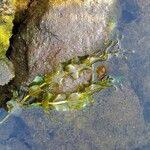
Potamogeton perfoliatus
Perfoliate pondweed · Clasped pondweed · Clasping-leaf Pondweed · Clasping-leaved pondweed · Claspingleaf pondweed
Description
Source: leafsnapPotamogeton perfoliatus, commonly known as Clasping-leaf Pondweed, is an aquatic plant species belonging to the family Potamogetonaceae. This perennial plant thrives in freshwater habitats such as lakes, ponds, and slow-moving streams. The plant features long, slender stems that can reach up to 2 meters in length. Its oval-shaped leaves are arranged oppositely on the stem. The most distinctive feature of this species is its clasping leaves, which grow around the stem, forming a sheath-like structure. Potamogeton perfoliatus produces small greenish-white flowers that bloom from June to September. These unisexual flowers occur on separate plants. This aquatic plant plays a crucial role in maintaining water quality by absorbing excess nutrients from the water column through its roots and leaves. Potamogeton perfoliatus also provides habitat for various aquatic organisms, such as fish, insects, and snails, making it an important component of freshwater ecosystems. Overall, Potamogeton perfoliatus is valuable for maintaining healthy freshwater ecosystems. It absorbs excess nutrients from water bodies and provides habitat for a range of aquatic organisms.
Care Guide
💧 Water Every 7 days
Clasped pondweed flourishes in moist, submerged environments and needs weekly watering to mimic its natural habitat. This aquatic plant performs photosynthesis underwater, so adequate light is essential for its growth during the growing season. It plays an important role in maintaining a balance of hydration and oxygenation in waterlogged areas.
How should I water my Clasped pondweed?
To ensure the health of the Clasped pondweed, follow these watering guidelines: Use filtered water at room temperature, as tap water may contain harmful particles. Since the plant is native to a warm environment, avoid using cold water as it can be shocking. Instead of overhead watering, directly apply filtered room temperature water to soak the soil. This method helps the roots absorb moisture and spread through the soil to gather nutrients, promoting overall plant health.
What do I need to do if I give my Clasped pondweed too much or too little water?
Overwatering is a common issue for Clasped pondweed and can be very harmful. When the plant gets too much water, the stems and leaves start to wilt and turn yellow. If overwatering continues for a long time, it can lead to diseases like root rot, mold, and mildew, which can kill the plant. On the other hand, underwatering is less likely to occur because Clasped pondweed can tolerate some drought. However, underwatering can still happen, causing the leaves to become brittle and brown. It's important to notice signs of overwatering early to prevent irreversible damage. If you see these signs, reduce your watering schedule and check the soil's drainage. If the soil doesn't drain well, replace it with a loose, well-draining potting mix. If you notice signs of underwatering, increase your watering until the signs go away.
How often do I need to water my Clasped pondweed?
If your Clasped pondweed is in a pot, the most accurate way to determine if it needs water is by checking the soil with your finger. If the top two to three inches of soil feel dry, then it's time to water it. If you have your Clasped pondweed growing outdoors in the ground, you can use a similar method to test the soil. Again, if the top few inches of soil are dry, it needs water. During spring and early fall, using this method will usually result in watering the plant about once a week. However, in very hot weather, you may need to water it twice a week or more. It's worth noting that mature, well-established Clasped pondweed can handle drought conditions quite well.
How much water does my pondweed need?
To properly water your Clasped pondweed, make sure the top two to three inches of soil are completely dry before watering. Give it a thorough watering, making sure to completely soak the soil. Add enough water so that it flows through the drainage holes at the bottom of the pot. If you don't see excess water coming out, you haven't watered enough. However, be careful not to let the water accumulate in the soil, as it can harm the plant. If there's no water draining through the pot, it may be due to poorly draining soil, which is not good for the plant's health. If the plant is outside, it should receive about 1 inch of rain per week.
How do I water my Clasped pondweed as it grows?
The water requirements of Clasped pondweed can vary based on its growth stages. In the early years or after transplanting, it needs more water due to root development. The roots require extra moisture for future growth. As the plant matures, it needs less water. Additionally, during the bloom period, flower development necessitates increased moisture, so watering may be necessary during this time.
☀️ Light Full sun
Clasped pondweed grows best when it receives ample sunlight during the day, although it can still grow under reduced light. Nevertheless, both too little and too much sunlight can negatively affect its health. In its original environment, the plant was accustomed to abundant sun exposure.
What are the sunlight requirements for clasped pondweed?
Clasped pondweed thrives best in full sun, requiring more than 6 hours of sunlight daily, but it can also grow in partial sun with about 3-6 hours of sunlight. It's crucial to observe the movement of sunlight through your garden to find the ideal spot that offers a balanced light and shade environment, ensuring the plant's wellbeing. In its natural habitat, clasped pondweed is accustomed to significant sun exposure, though both lack and excess of sunlight can affect its health adversely.
How does artificial lighting support clasped pondweed growth indoors?
When natural sunlight is insufficient, especially during winter or in less sunny areas, artificial lighting can be a vital supplement for clasped pondweed and other indoor plants. For optimal growth under artificial light, it's recommended to use LED lights as they can provide specific light wavelengths needed by the plant. The amount of artificial light required varies: full sun plants need 30-50W/sq ft, partial sun plants need 20-30W/sq ft, and full shade plants need 10-20W/sq ft. The light source should be placed 12-36 inches above the plant to simulate natural sunlight, and the duration should replicate natural daylight hours, generally 8-12 hours per day.
What are the primary symptoms of light deficiency or excess in clasped pondweed?
Light deficiency in clasped pondweed can manifest as small new leaves, leggy or sparse growth, faster leaf drop, slower or halted growth, and lighter-colored or irregularly patterned new leaves. This indicates inadequate sunlight and a lack of essential nutrients. Excessive sunlight exposure can lead to chlorosis (leaf yellowing due to chlorophyll breakdown), sunscald (pale or necrotic patches on leaves), leaf curling (to minimize water loss), wilting (loss of turgor pressure), and leaf scorching (brown, dry edges on leaves). Both insufficient and excessive sunlight harms the plant's ability to photosynthesize and maintain overall health.
What solutions can improve light conditions for clasped pondweed?
To optimize light conditions for clasped pondweed, gradually move the plant to a location with at least 6 hours of direct sunlight daily, ideally near a south-facing window, ensuring curtains are open during the day. For larger or less movable plants that require additional light, consider using artificial lighting such as desk or ceiling lamps for at least 8 hours a day, or invest in professional plant grow lights. Outdoors, gradually transitioning plants to sunnier spots can help avoid sunburn. If necessary, prune trees or shrubs that block sunlight, or transplant smaller plants during their dormant period to a location with better sunlight and drainage. Note that parts of the plant damaged by poor light may not recover, but new growth should be healthy following these adjustments.
🌡️ Temperature 0–21.1°C
Clasped pondweed naturally occurs in habitats where temperatures range from 32 to 69.8°F (0 to 21 ℃). It favors climates within that range, so when growing clasped pondweed at home or in a garden, try to keep temperatures in that range and adjust them as the seasons change.
What is the ideal temperature range for growing clasped pondweed?
Clasped pondweed, scientifically known as Potamogeton perfoliatus, thrives best in environments with a temperature range of 32 to 69.8°F (0 to 21°C). This native plant prefers climates within this temperature range, making it vital for those growing clasped pondweed in home or garden settings to maintain these conditions, adjusting as needed with the seasonal changes. The plant is highly cold-tolerant and does not require additional measures for frost protection during winter. However, it is recommended to water the plant generously before the first freeze of autumn to ensure the soil remains moist and enters the winter in a frozen state. This practice helps prevent drought and water scarcity for the plant during the colder months and into early spring.
How should clasped pondweed be cared for in low temperature conditions?
For clasped pondweed, low temperatures below -45°C can lead to a decrease in sprouting or even a complete absence of sprouting during spring, despite its remarkable cold tolerance. There may not be any noticeable changes during winter, but to address this issue in spring, it's advisable to remove any parts of the plant that have failed to sprout. This precaution helps in managing the plant's health and ensuring its growth in the following season.
What steps should be taken if clasped pondweed experiences high temperatures?
Clasped pondweed is not tolerant to high temperatures. When exposed to temperatures above 21°C, its growth may halt and it becomes more susceptible to rot. To mitigate the adverse effects of high temperatures, it is recommended to trim away any sunburned and dried-up parts of the plant. Relocating the plant to a shadier location, or utilizing a shade cloth to protect it from the midday and afternoon sun, can help. Additionally, watering the plant in the morning and evening will help keep the soil moist and support the plant's health under stress from high temperatures.
💨 Humidity high (>60%)
This plant needs special care because it loves high humidity levels of 60-80% or more. The best way to achieve this is by placing a humidifier near the plant. Daily misting is also essential! Make sure the room has good ventilation.
🪴 Soil
🌱 Fertilizer
For clasped pondweed, apply balanced nutrition fertilizers on a monthly basis during periods of active growth, and reduce the frequency during cooler months. Be sure to follow the recommended dosage instructions carefully, taking into account the aquatic environment to prevent nutrient runoff. Increase the fertilizer application in the spring and decrease it in the fall. Always use aquatic-safe products to protect the pond ecosystem.
Why should I use plant food on my Clasped pondweed?
The main structure of the Clasped pondweed is made up of its leaves. Fertilization is an important way to ensure that these leaves both look great and function properly. It helps maintain consistent color and a healthy texture. Fertilization also benefits the plant below the soil's surface by promoting the growth of new roots and maintaining existing ones. This not only keeps the plant healthy in the present, but also improves its ability to absorb nutrients from the soil in the future.
When should I put fertilizer on my Clasped pondweed?
If you grow your Clasped pondweed outdoors, it will send out new growth in early spring. This is a signal to begin fertilizing for the year. Normally, one application of fertilizer in the spring is enough. But if you want to maximize growth, you can apply fertilizer multiple times throughout the spring and early summer. In this case, feed your Clasped pondweed about once every month to a month and a half.
When is it not a good idea to use fertilizer for my Clasped pondweed?
During the late fall and winter, your Clasped pondweed will go into a dormant phase and stop growing. It is not recommended to fertilize the pondweed during this time. In the spring and summer, if you choose to fertilize, gradually reduce the amount as summer approaches because the pondweed's growth rate will slow down. It's not a good idea to fertilize your Clasped pondweed when the weather is extremely hot or the soil is very dry because it can stress the pondweed and cause it to die prematurely.
What kind of fertilizer should I use for my Clasped pondweed?
Choosing the best fertilizer for a Clasped pondweed is actually quite simple. These plants will do well with a general-purpose garden fertilizer that has equal amounts of nitrogen, phosphorus, and potassium. Look for a fertilizer with a ratio of 10-10-10 or something similar, as this will be effective. Just remember to avoid fertilizers with high nitrogen levels when unsure. Most of the recommended fertilizers for Clasped pondweed come in a granular form, which is easy to apply to the soil. These fertilizers should also be slow-release for optimal results. Additionally, using organic soil amendment like compost can be beneficial for feeding your Clasped pondweed.
How should I add fertilizer to my Clasped pondweed?
To ensure the healthy growth of your Clasped pondweed, wait for its first leaves to emerge in early spring. Then, apply a granular slow-release fertilizer with a balanced formula to the soil that surrounds the base of the plant. If needed, you can repeat this fertilization process later in the season. Remember to avoid applying the fertilizer directly on the plant and instead focus on the soil around its base. Sometimes, you may need to move some leaves aside to access the soil above the roots. Additionally, watering your Clasped pondweed before and after fertilizing is often beneficial.
🪴 Pot & Repot
✂️ Pruning
Clasped pondweed is a submerged aquatic plant with broad, clasping leaves. To promote healthy growth and improve water circulation, it's important to prune the plant in early to late spring. Trim any dead or damaged stems to prevent overcrowding and reduce the risk of disease, helping to maintain a healthy aquatic environment.
🌿 Propagating
🐛 Diseases & pets
☠️ Toxicity
Characteristics
- Plant Type
- Herb
- Life Cycle
- Perennial
- Genus
- Potamogeton
- Family
- Potamogetonaceae
- Hardiness Zone
- 1
- Mature Height
- 3.05 m
- Mature Spread
- 30 cm to 61 cm
- Leaf Color
- Dark Green, Olive Drab
- Leaf Type
- Semi-evergreen
- Flower Size
- 1.02 cm to 3.05 cm
- Bloom Time
- Summer
- Planting Time
- Spring, Summer
- Harvest Time
- Late summer, Early fall, Mid fall
- Native Area
- Sri Lanka, Libya, Turkey, Sweden, India, Guatemala, Slovakia, Madagascar, Montenegro, Pakistan, Slovenia, Croatia, Belarus, Germany, Indonesia, Koppen, Ethiopia, Romania, Latvia, Belgium, Portugal, Netherlands, Cyprus, Bulgaria, Ukraine, Chad, China, Afghanistan, Syria, Kyrgyzstan, Kazakhstan, Italy, Japan, Mongolia, Finland, Iran, Azerbaijan, Egypt, Austria, Niger, Uzbekistan, Russia, Iraq, Cuba, Iceland, Estonia, South Korea, France, Tajikistan, Czech Republic, Sudan, Mauritania, Armenia, Poland, Greece, Serbia, Lithuania, Norway, Spain, Switzerland, Denmark, Israel, Albania, Ireland, United Kingdom, Hungary, Algeria, Turkmenistan