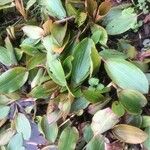
Potamogeton polygonifolius
Bog Pondweed · Cinnamonspot pondweed · Oblong-leaved pondweed · Cinnamon-spot pondweed
Description
Source: leafsnapPotamogeton polygonifolius or bog pondweed, is an aquatic plant. It is found in shallow, nutrient-poor, usually acid standing or running water, bogs, fens and occasionally ditches.
Care Guide
💧 Water
Oblong-leaved pondweed thrives in wet, humid environments and needs weekly watering to stay healthy. This aquatic plant does well outdoors near bodies of water or in moisture-retentive containers. Its strong ability to absorb water makes it resilient and well-suited to aquatic settings.
How should I water my Oblong-leaved pondweed?
To properly water the Oblong-leaved pondweed, follow these guidelines for optimal care. It is important to use filtered water at room temperature, as tap water may contain harmful particles. The plant is accustomed to warm environments, so cold water should be avoided to prevent stress. Additionally, overhead watering should be avoided, as it can lead to foliage complications. Instead, gently apply the filtered room temperature water directly to the soil until it is thoroughly soaked. This method benefits the plant by moistening the roots and aiding in nutrient absorption for healthy growth.
What should I do if I give my Oblong-leaved pondweed too much water or too little water?
Overwatering is a common issue that can harm your Oblong-leaved pondweed. Too much water can cause wilting and yellowing of the stems and leaves. It can also lead to diseases like root rot, mold, and mildew, which can be fatal for the plant. While underwatering is less likely, it can still happen. When it occurs, the leaves of your pondweed may become brittle and brown. It's important to recognize the signs of overwatering early and take action to reduce your watering schedule. If the soil drains poorly, replace it with a well-draining potting mix. If underwatering is the issue, simply water more regularly until the signs disappear.
How often should I water my Oblong-leaved pondweed plant?
If your Oblong-leaved pondweed is in a pot, the best way to check if it needs water is by sticking your finger into the soil. If the top two to three inches of soil feel dry, it's time to water it. For outdoor plants in the ground, you can use a similar method. If the first few inches of soil have dried out, it's time to water. In the spring and early fall, this usually means watering once a week. During extremely hot weather, you may need to water twice a week or more. However, mature and well-established Oblong-leaved pondweed can handle dry conditions quite well.
How much water does my Oblong-leaved pondweed require?
To water your Oblong-leaved pondweed effectively, you should not hold back on the amount of water you provide. When the top few inches of soil are dry, give the plant a good and thorough watering. Make sure to completely saturate the soil with water. You'll know you've added enough water when you see excess water draining through the pot's drainage holes at the bottom. If no excess water is draining, it means you haven't watered enough. However, be careful not to let the water accumulate and sit in the soil, as this can harm the plant. On the other hand, if the water is not draining properly, it may indicate poor soil drainage, which can be harmful to the plant's health. If the plant is located outside, one inch of rain per week should be sufficient.
How do I water my Oblong-leaved pondweed at different stages of growth?
The water needs of the Oblong-leaved pondweed change depending on its growth stages. In the first few years or after transplanting, you should provide more water because the plant puts a lot of energy into developing new roots. These new roots need more moisture to support future growth. However, as the pondweed matures, it will require less water. Additionally, during the bloom period, when the plant is developing flowers, you might need to increase watering as this stage requires more moisture.
☀️ Light Partial sun
🌡️ Temperature 5–35°C
Oblong-leaved pondweed can tolerate a wide range of temperatures, though its distribution may still be restricted by particular combinations of moisture and heat. It performs best in warm summer climates with sufficient rainfall or watering. Extended periods of cloudy, rainy weather or prolonged high temperatures can make oblong-leaved pondweed more likely to die. In winter, adequate protection from cold can increase the plant's chances of survival.
💨 Humidity
🪴 Soil
🌱 Fertilizer
🪴 Pot & Repot
✂️ Pruning
Oblong-leaved pondweed thrives in aquatic environments and features floating leaves. To encourage healthy growth, it’s best to prune this plant from early to late spring. During this process, remove any damaged leaves to improve air circulation. Regular pruning helps maintain the plant's vigor and prevents overcrowding. Always use sterilized tools to prevent the spread of pathogens and ensure a thriving environment.
🌿 Propagating
🐛 Diseases & pets
☠️ Toxicity
Characteristics
- Plant Type
- Herb
- Life Cycle
- Perennial
- Genus
- Potamogeton
- Family
- Potamogetonaceae
- Hardiness Zone
- 5-9
- Mature Height
- 30 cm to 91 cm
- Mature Spread
- 20 cm to 49 cm
- Leaf Color
- Dark Green, Olive Drab
- Leaf Type
- Deciduous
- Flower Color
- Yellow, Green, Brown
- Flower Size
- 0.20 cm to 0.25 cm
- Bloom Time
- Summer
- Planting Time
- Spring, Autumn
- Harvest Time
- Late summer, Early fall, Mid fall
- Native Area
- India, Sweden, Austria, Tunisia, Czech Republic, Montenegro, Bulgaria, Poland, Greece, Croatia, Slovenia, Morocco, Serbia, China, Norway, Germany, Portugal, Italy, Spain, Switzerland, Denmark, Finland, France, Ireland, United Kingdom, Algeria, Belgium, Netherlands