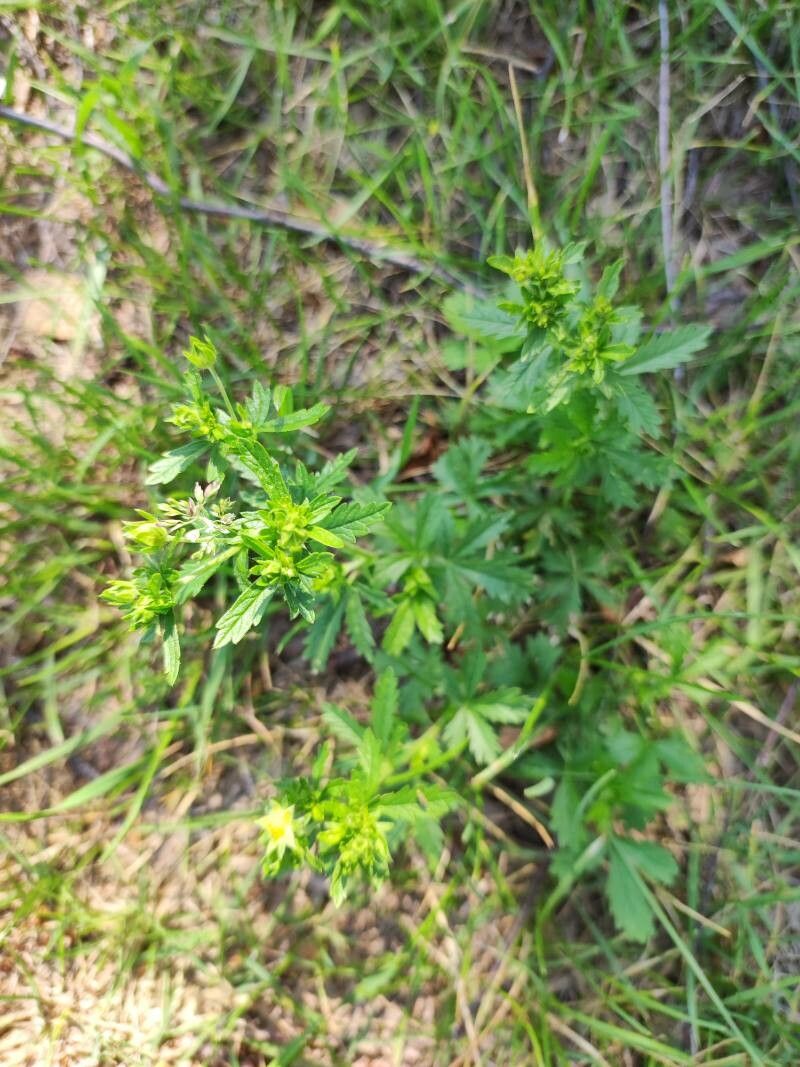
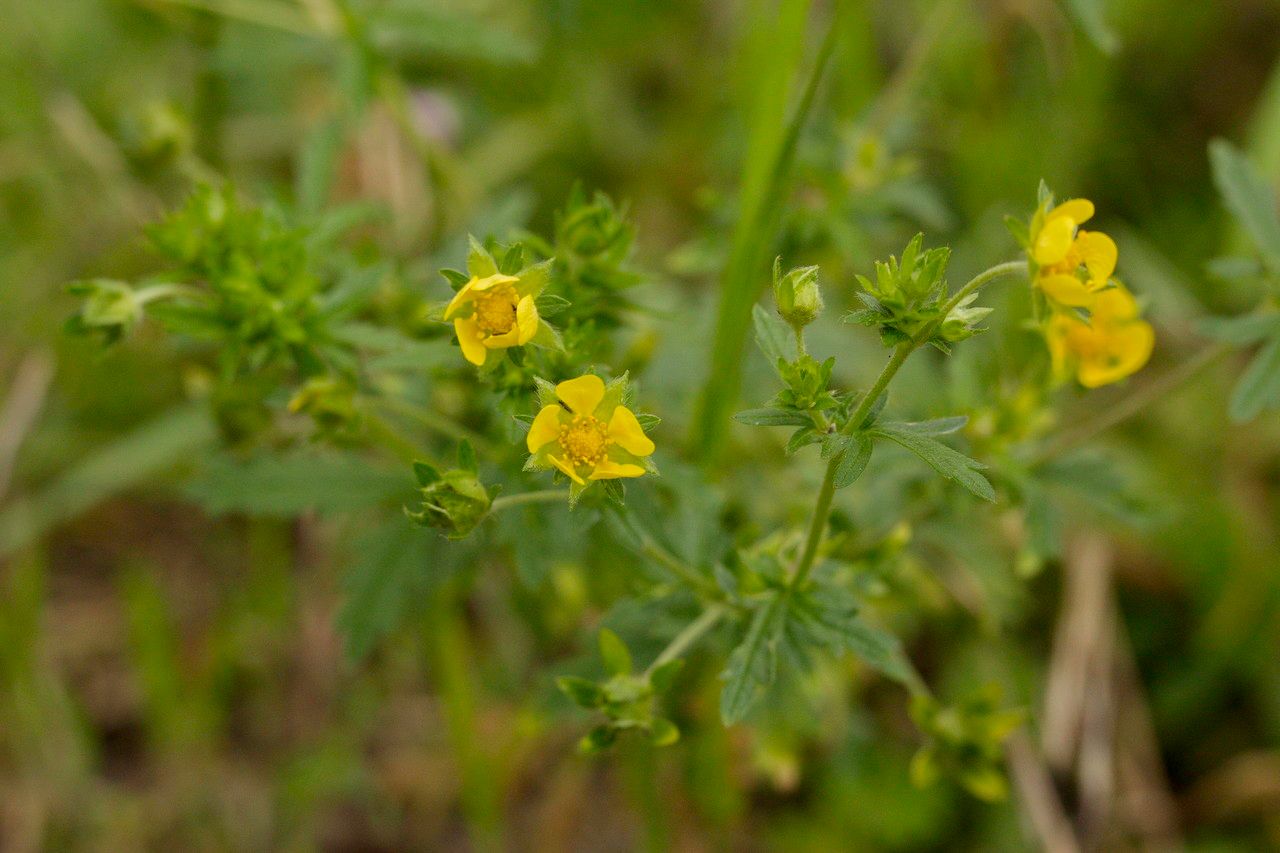
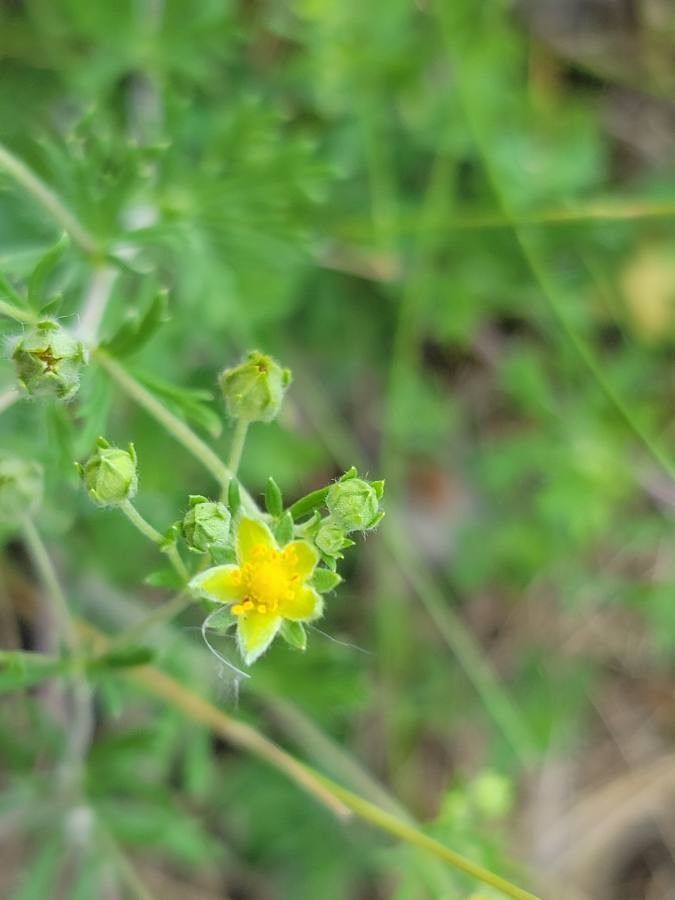
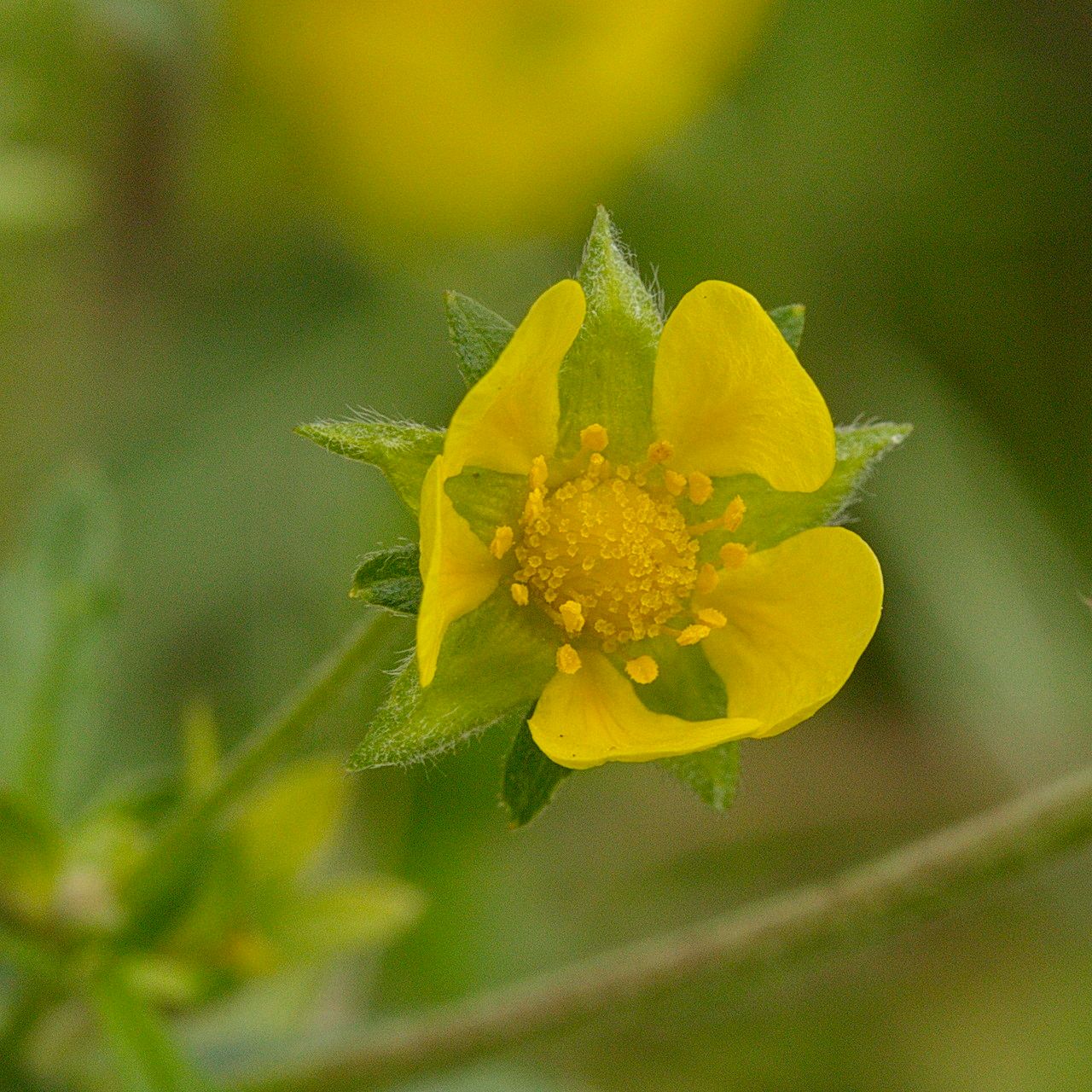
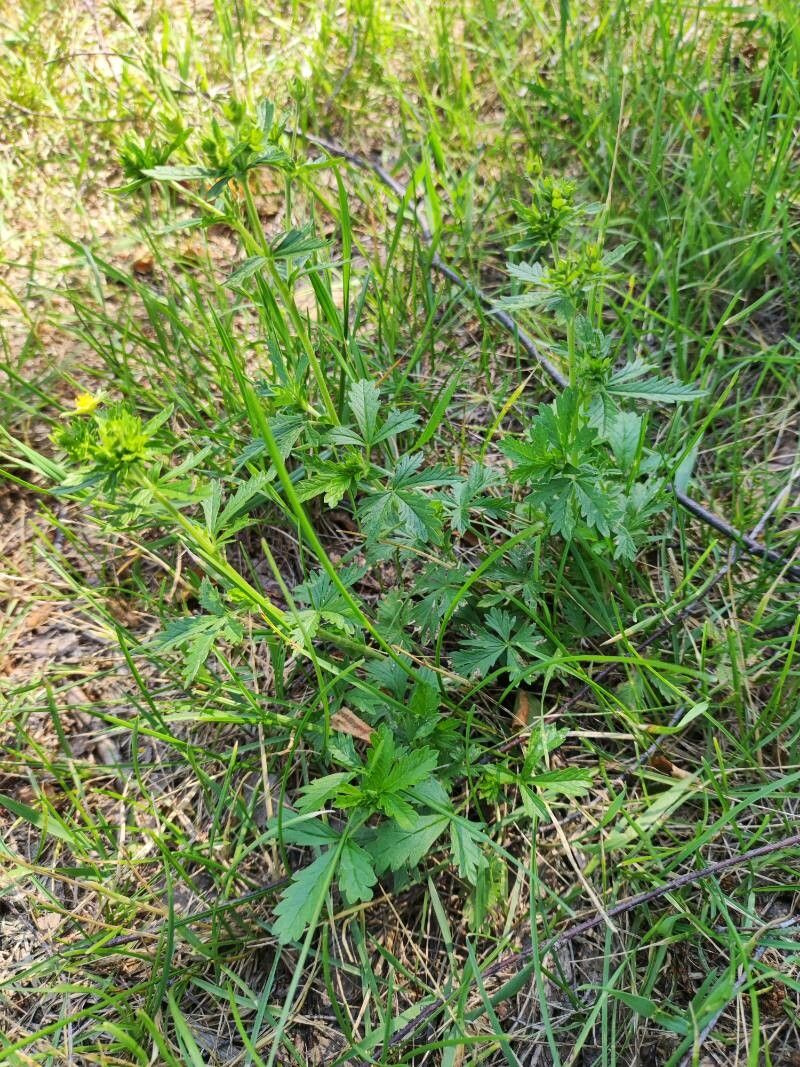
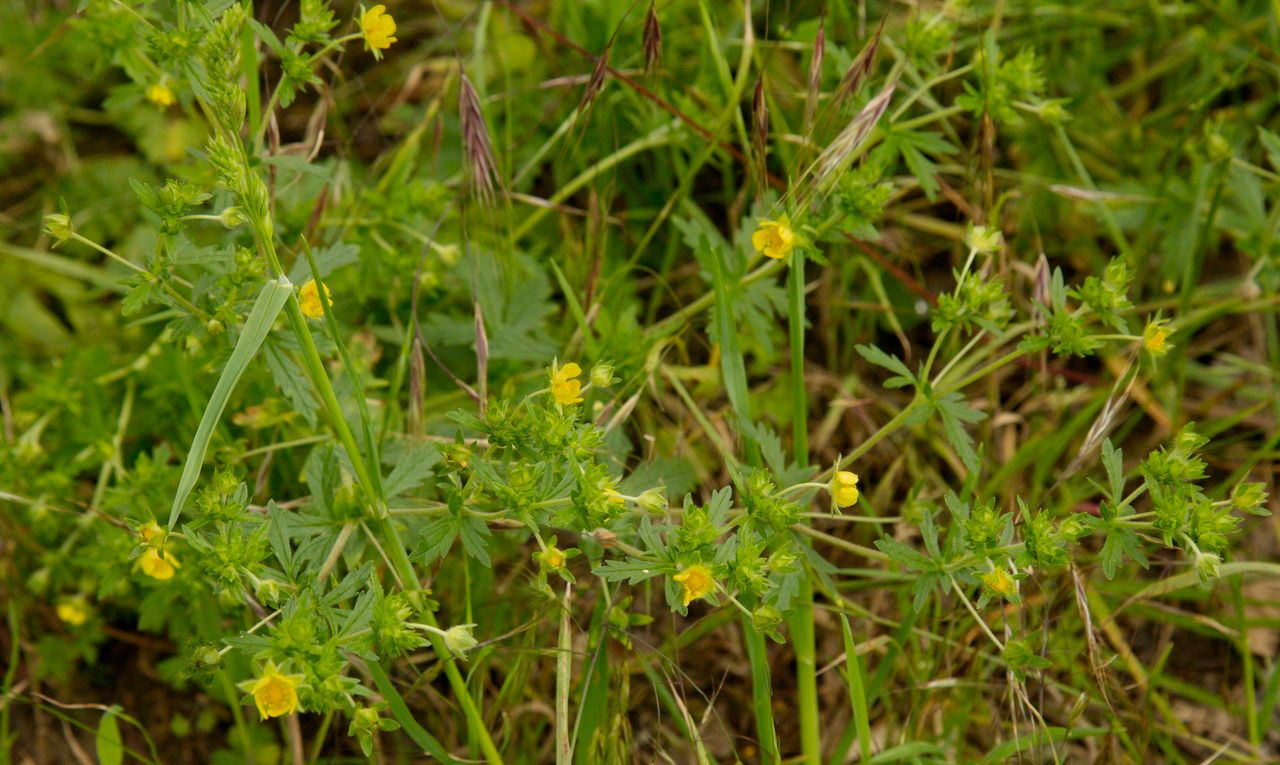
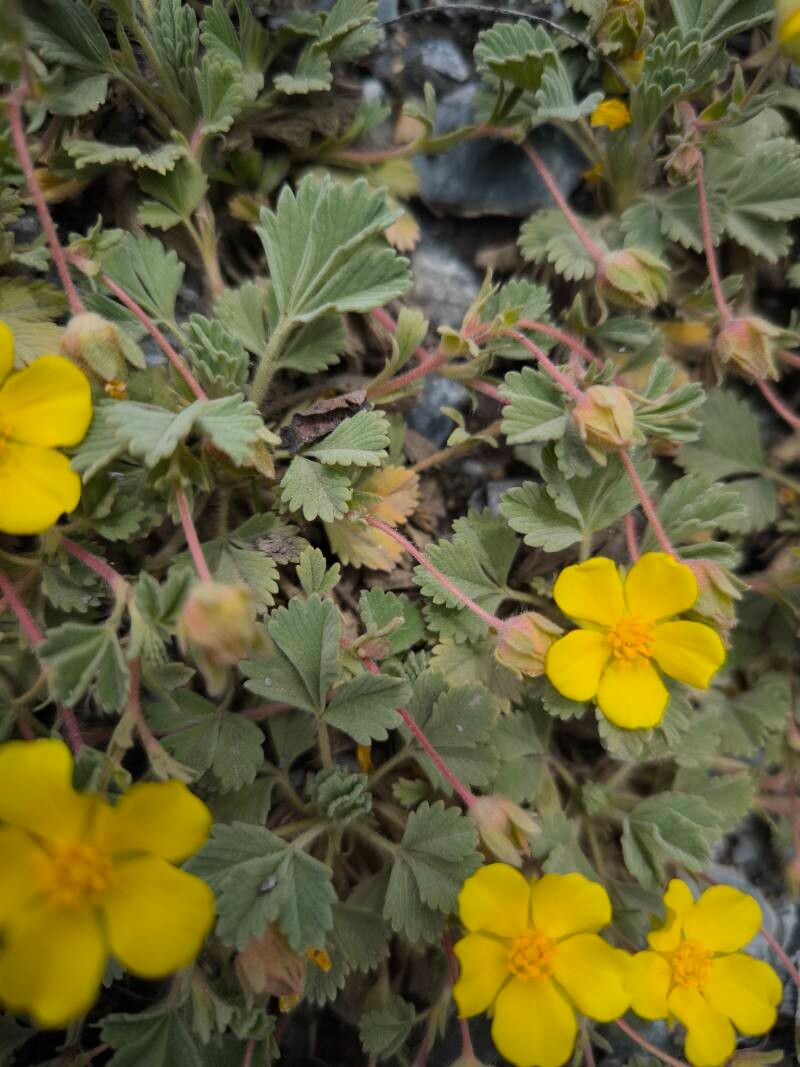
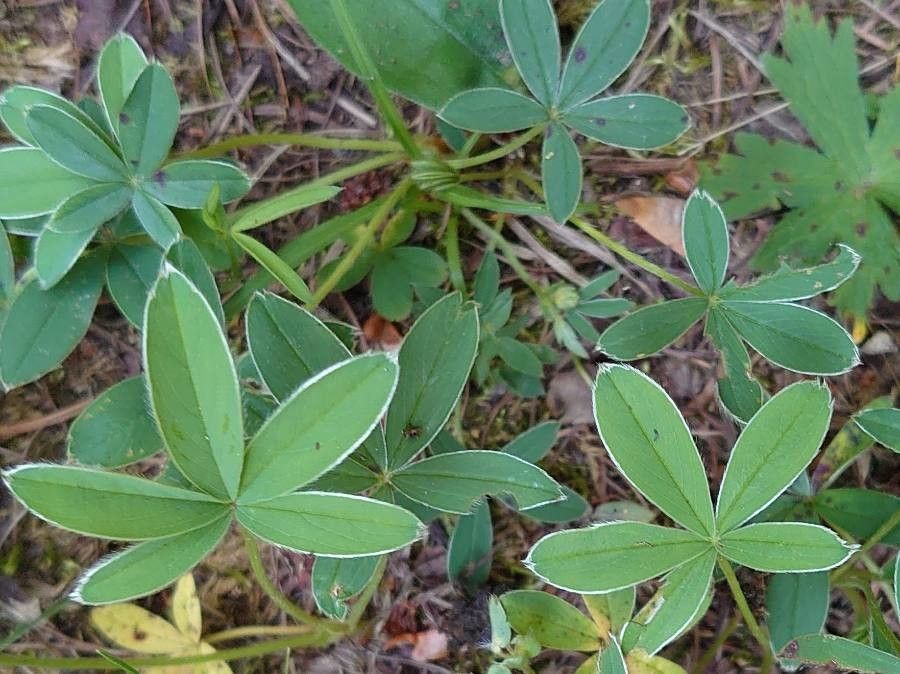
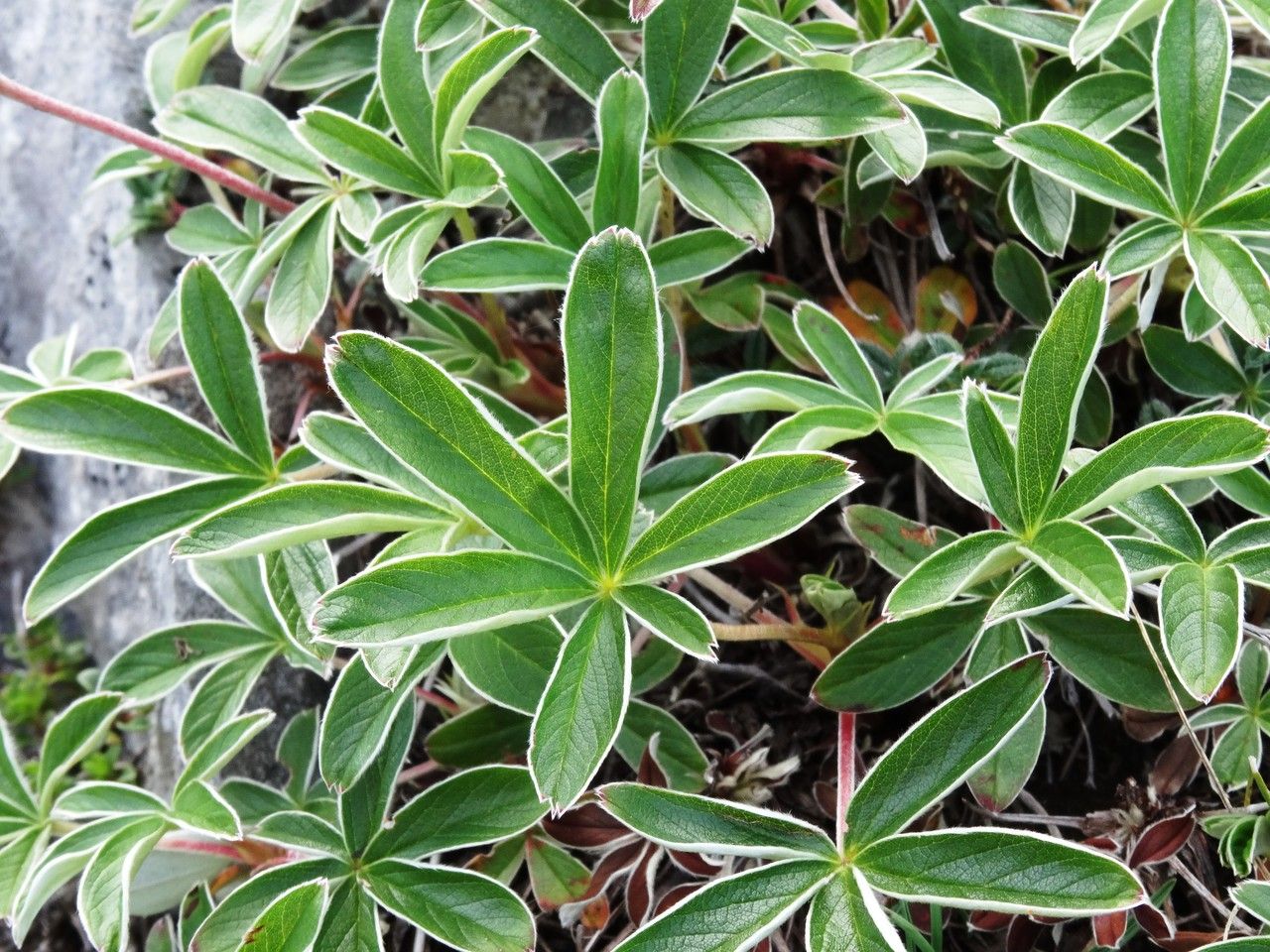
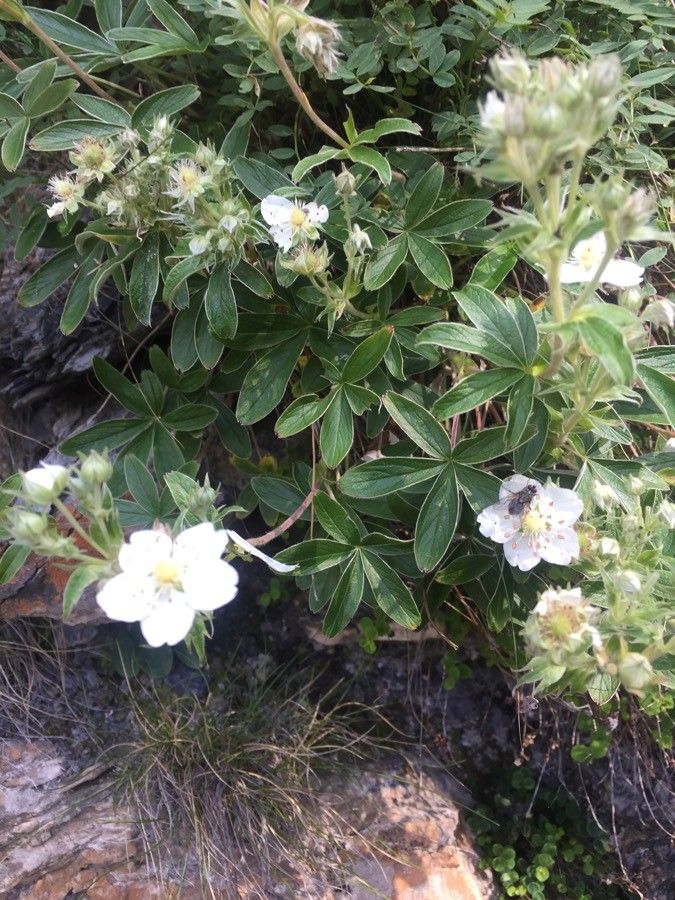
Potentilla intermedia, commonly known as the intermediate cinquefoil, is a perennial herbaceous plant that belongs to the Rosaceae family. Native to Europe and Asia, it can be found in meadows, grasslands, and open woodlands.
The plant grows up to 50 cm in height, featuring a woody base and multiple stems covered with small hairs. Its leaves are pinnately compound with five oval-shaped, toothed leaflets. The bright yellow flowers bloom from May to August, appearing in clusters, each with five petals.
Potentilla intermedia is noted for its medicinal properties, primarily due to its tannin content, which has anti-inflammatory effects. Traditionally, it has been used to treat conditions such as diarrhea, dysentery, sore throat, fever, and skin ailments like eczema.
This plant thrives in well-drained soils under full sun or partial shade but is adaptable to a wide range of soil types, including sandy and clay soils. Once established, it is also drought-tolerant.
Overall, Potentilla intermedia is an attractive perennial plant with valuable medicinal properties, making it an excellent addition to any garden or natural medicine cabinet.
Downy cinquefoil is fairly disease-resistant and typically does not suffer from many illnesses. That said, it can still be affected by pests and pathogens present in its surroundings. Such infections are generally mild. In terms of care, the plant requires moderate maintenance. Regular pruning is needed to preserve a neat appearance and encourage healthy growth. Fertilizing can also help stimulate flowering. Downy cinquefoil is suitable for anyone with an outdoor area, such as a garden or patio, and does not demand extensive gardening experience. It may require more attention if grown indoors.
How to keep Potentilla Intermedia.
Light
Downy cinquefoil is a sun-loving perennial herbaceous plant native to open habitats, frequently flourishing in meadows and grasslands. It favors full sun but can also tolerate partial sun conditions.
Water
Downy cinquefoil thrives in temperate regions, where it prefers consistent moisture and a touch of humidity. To keep the plant healthy, water it weekly, ensuring the soil stays moist but not oversaturated. Although it is usually grown outdoors, it does best when the soil moisture aligns with the needs of the growing season for optimal health.
Fertilizer
Usually one spring application of fertilizer is adequate for Downy cinquefoil, although repeated feedings can enhance growth. Apply fertilizer about every month to a month and a half. Fertilizing improves the leaves' appearance and function, encouraging even color and a healthy texture. It also promotes root development and nutrient uptake, supporting long-term plant health.
Pruning
Downy cinquefoil is easily recognized by its soft, downy leaves and vibrant yellow flowers. For best results, prune the plant from early to late spring. This process involves removing dead wood, trimming back overgrown stems, and thinning out dense areas. These steps help enhance air circulation, promote healthy growth, and improve blooming.
Botanical profile.
Other names.