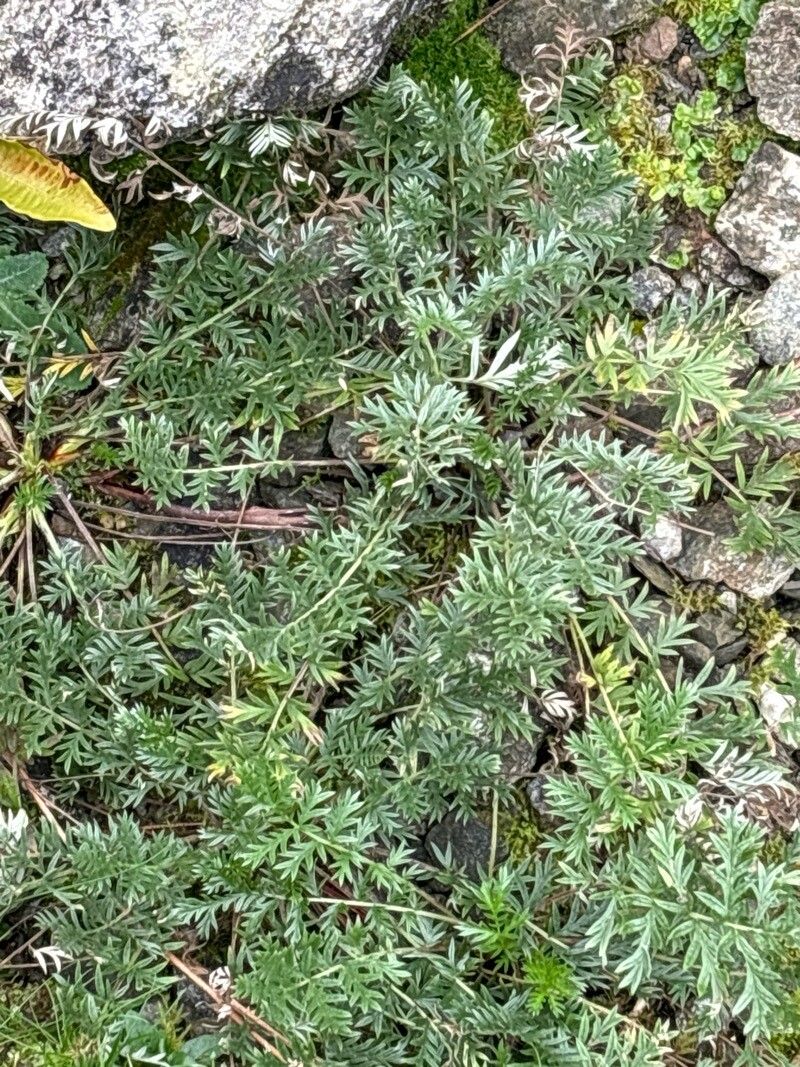
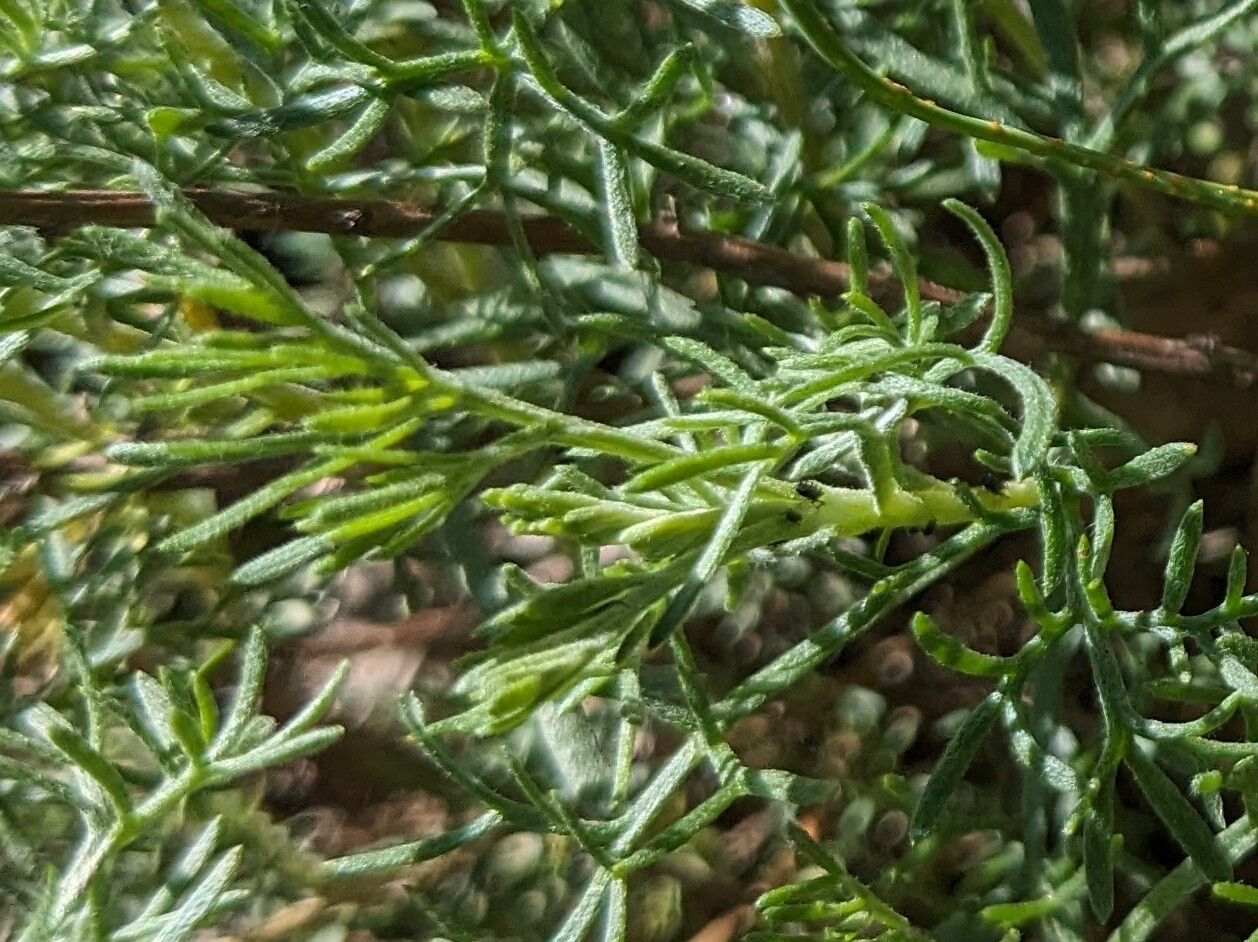
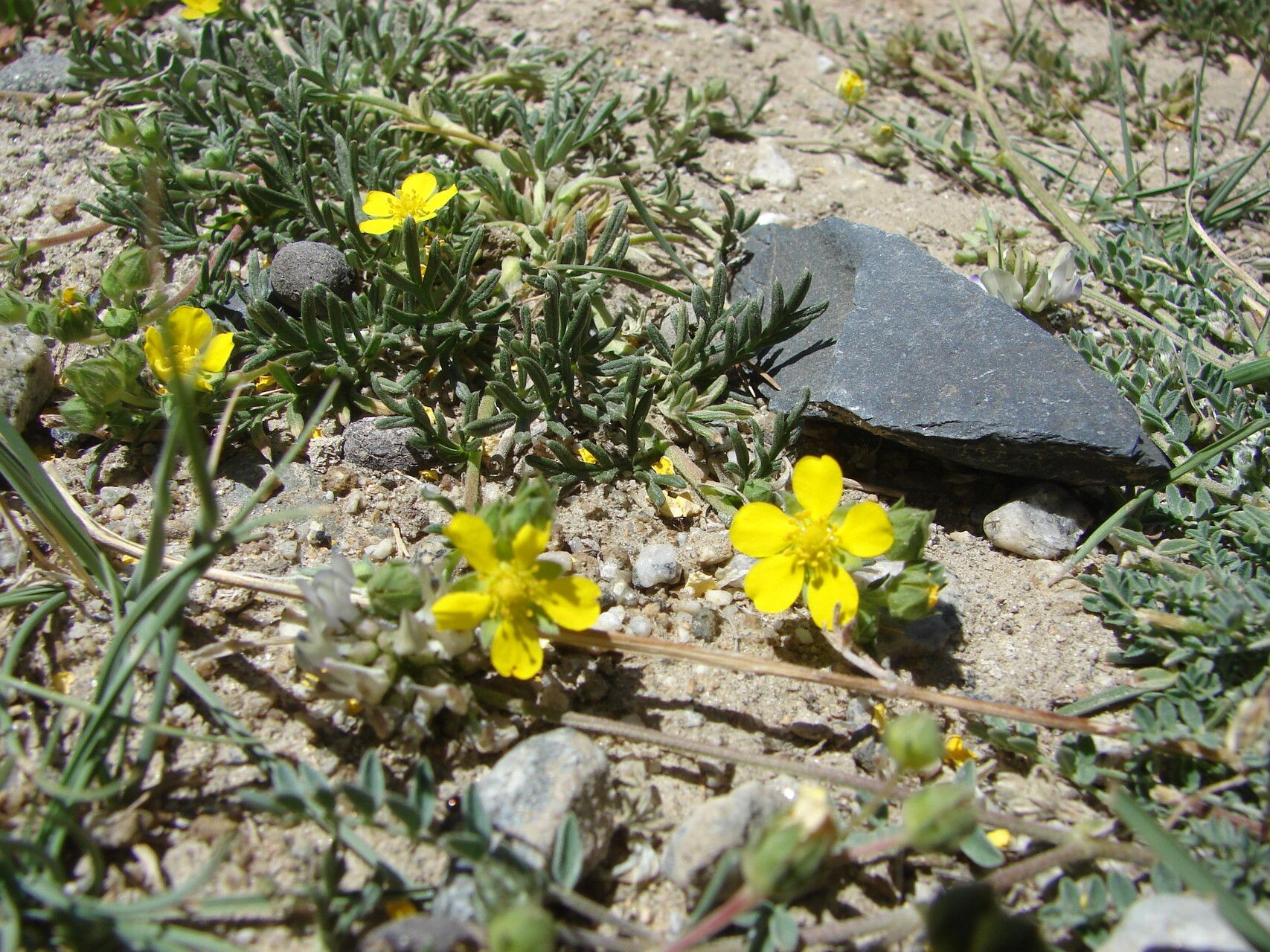
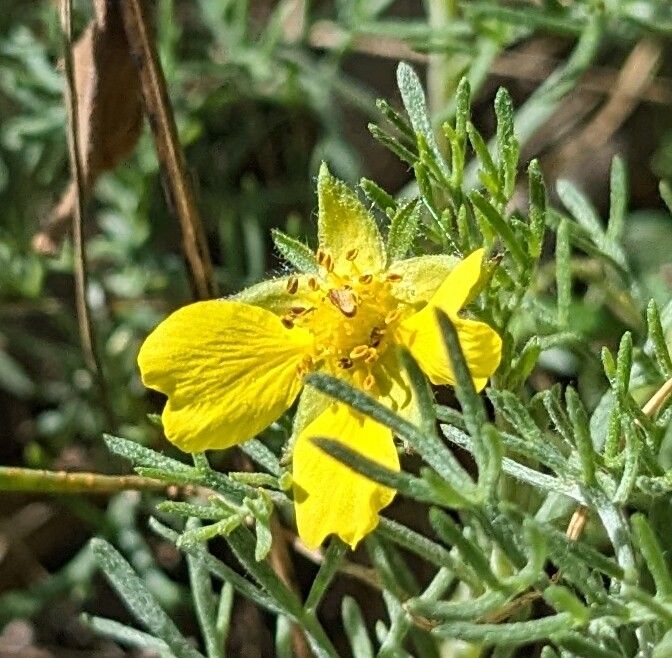
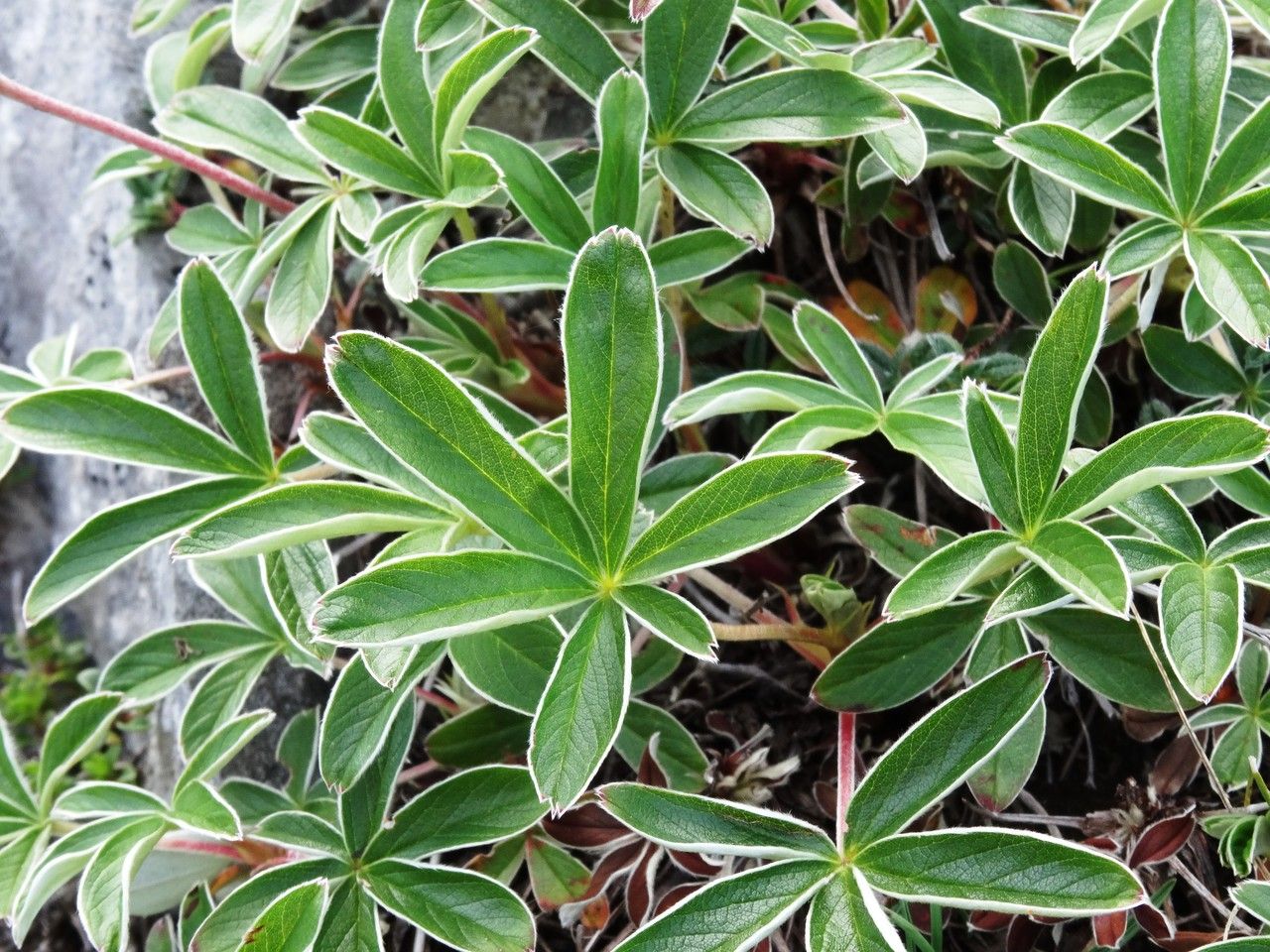
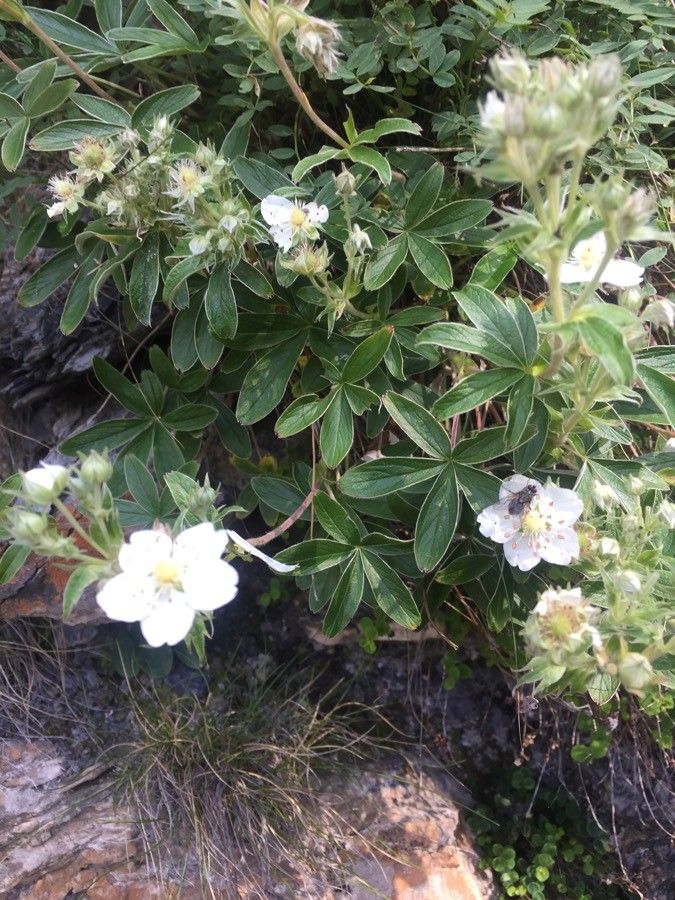
Staghorn cinquefoil is fairly resistant to diseases and typically does not suffer from them. Still, it can be affected by pests and illnesses found nearby, though such problems are generally mild. Regarding care, this plant needs a moderate level of attention. Regular pruning is necessary to preserve a neat appearance and encourage healthy growth. Applying fertilizer can also boost its flowering. Staghorn cinquefoil is appropriate for anyone who has an outdoor area like a garden or patio and does not demand extensive gardening experience. If kept indoors, it may need more intensive care.
How to keep Potentilla Multifida.
Light
Staghorn cinquefoil grows best in abundant sunlight but can tolerate moderate light conditions. Since the plant comes from light-rich habitats, sunlight is essential for healthy growth. Too much or too little sunlight can disturb its normal life cycle and potentially cause harm.
Water
Staghorn cinquefoil, native to rocky alpine areas, thrives in well-drained soil with moderate moisture. It needs weekly watering but can tolerate short periods of dryness. This plant flourishes in cooler climates, taking advantage of natural rainfall to match its growth cycle with the availability of seasonal water.
Temperature
Staghorn cinquefoil can tolerate a wide range of temperatures, but its distribution may still be restricted by different combinations of moisture and heat. It does best in warm summer climates with adequate rainfall or irrigation. Extended periods of cloudy, rainy weather and prolonged high temperatures can raise the likelihood of Staghorn cinquefoil dying. In winter, protecting it from cold can increase its chances of survival.
Fertilizer
The best time to fertilize a Staghorn cinquefoil is in early spring, when it is coming out of dormancy and starting active growth. Fertilization supplies essential nutrients for healthy development. Although Staghorn cinquefoil needs relatively little fertilizer, applying it annually can improve its survival and encourage better, longer-lasting blooms.
Pruning
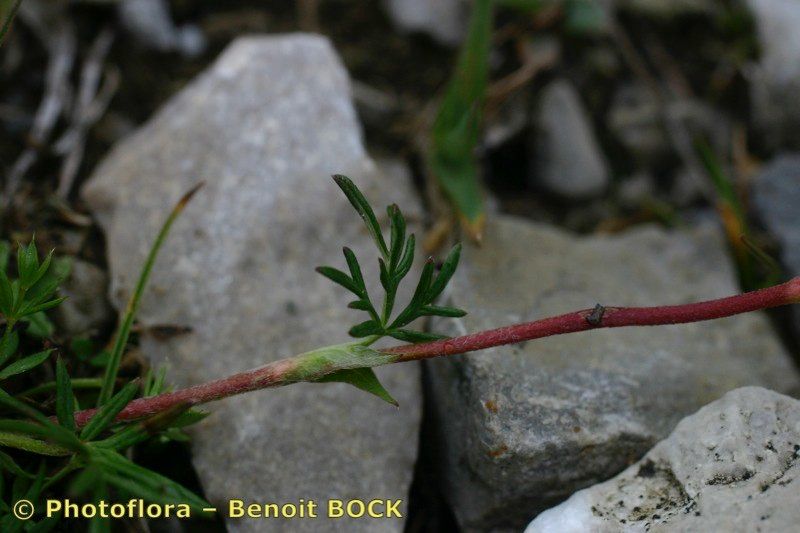
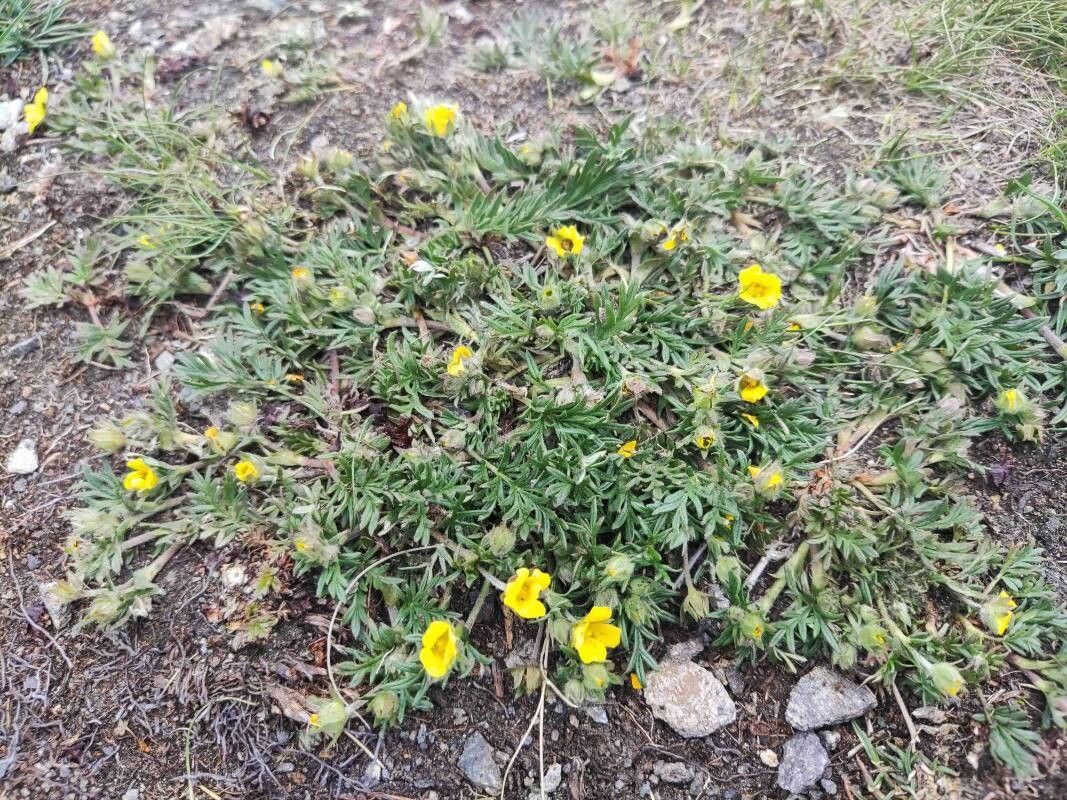
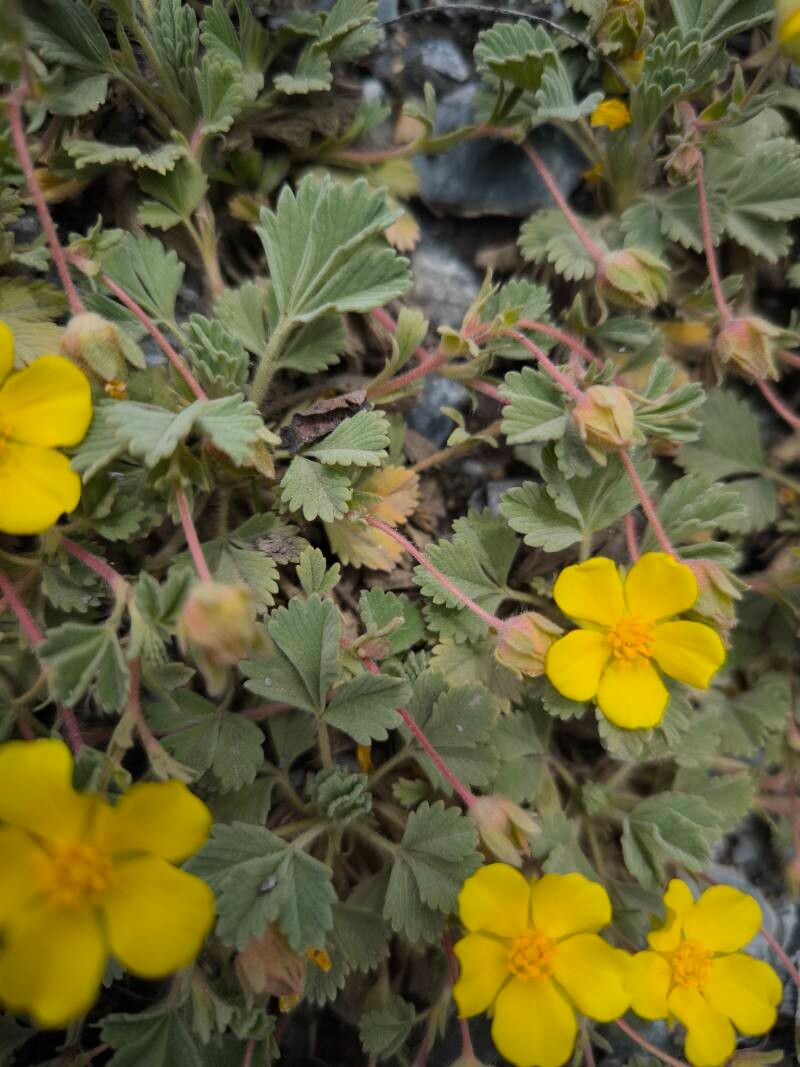
Staghorn cinquefoil is characterized by its lobed leaves and yellow flowers. To maintain healthy growth and encourage blooming, prune the plant from early to late spring. Remove dead branches and trim back any overgrown stems. It's essential to use clean tools to prevent diseases, improve air circulation, and avoid fungal issues, all of which contribute to the plant's optimal vigor and appearance.
Botanical profile.
- Plant Type
- Herb
- Life Cycle
- Perennial
- Genus
- Potentilla
- Family
- Rosaceae
- Hardiness Zone
- 3-8
- Mature Height
- 10 cm to 30 cm
- Mature Spread
- 15 cm to 25 cm
- Leaf Color
- Dark Green, Forest Green
- Leaf Type
- Deciduous
- Flower Color
- Yellow
- Flower Size
- 1.02 cm to 2.03 cm
- Bloom Time
- Late spring, Early summer, Mid summer
- Planting Time
- Spring, Summer, Autumn
- Harvest Time
- Mid summer, Late summer, Early fall
Other names.
Reader questions.
What are the sunlight requirements for Staghorn cinquefoil?
Staghorn cinquefoil requires full sun, meaning it should receive more than 6 hours of sunlight daily, but it can also tolerate partial sun, which is about 3-6 hours of sunlight. It is essential to observe how sunlight moves through your garden to choose spots that offer a balance of light and shade, ensuring optimal growth and health of your plants. Both overexposure and underexposure to sunlight can harm the plant's lifecycle, indicating the importance of finding the right amount of sunlight for your Staghorn cinquefoil.
How can artificial lighting benefit indoor Staghorn cinquefoil plants?
When natural sunlight is insufficient, particularly during winter or in less sunny spaces, artificial lighting can be a crucial supplement for Staghorn cinquefoil plants. Optimal growth is achieved by choosing the correct type of artificial light, such as LED lights, which can be customized to provide specific wavelengths needed by plants. Full sun plants require 30-50W per square foot, partial sun plants need 20-30W per square foot, and full shade plants need 10-20W per square foot of artificial light. The artificial light source should be placed 12-36 inches above the plant, mimicking natural sunlight conditions, and plants most commonly need 8-12 hours of light per day.
What are the symptoms of incorrect light exposure in Staghorn cinquefoil?
Symptoms of incorrect light exposure in Staghorn cinquefoil include small, new leaves, leggy or sparse growth indicating inadequate light; and faster leaf drop, slower or halted growth under low light conditions. Conversely, excessive sunlight can cause chlorosis, sunscald, leaf curling, wilting, and leaf scorching. These symptoms reflect the plant's struggle with either too little or too much light, emphasizing the necessity for correct sunlight exposure or artificial lighting solutions.
What can be done to remedy light exposure issues for Staghorn cinquefoil?
To remedy light exposure issues for Staghorn cinquefoil, gradually adjust the plant's exposure to sunlight. For indoor plants, move them to a sunnier spot each week until they get at least 6 hours of direct sunlight daily, or use artificial lighting like desk lamps or professional grow lights for at least 8 hours a day. For outdoor plants, move them gradually to sunnier locations to avoid sunburn. If sunlight is blocked, consider pruning obstructions or transplanting smaller plants to sunnier areas with good drainage, especially during their dormant periods in late winter or early spring. It's important to remember that parts of the plant that suffered from insufficient sunlight may not recover, but new growth should be healthy with adjusted light exposure.