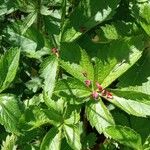
Potentilla nepalensis
Rosy Cinquefoil
Description
Source: leafsnapPotentilla nepalensis, common name Nepal cinquefoil, is a perennial plant species in the genus Potentilla.
🌳 Shrubby cinquefoil has been recognized for its potential in phytoremediation, a method that uses plants to clean soil, air, and water contaminated with hazardous substances. Its capacity to survive in poor soil conditions makes it a suitable candidate for restoring areas affected by heavy metal pollution, demonstrating an unexpected but important application.
🎭 Joy and resilience
Care Guide
💧 Water Every week
The Nepalese cinquefoil flourishes when it receives moderate moisture and can withstand short periods of drought, so it benefits from weekly watering. As an herbaceous perennial, it needs well-draining soil to retain optimal moisture levels. Consistent watering, which mimics the rainfall patterns of its natural habitat, plays a crucial role in its flowering process.
How should I water my Nepalese cinquefoil?
To properly water the Nepalese cinquefoil, it is recommended to use filtered water at room temperature. Filtered water is preferable because tap water may have harmful particles. The Nepalese cinquefoil is accustomed to warm conditions, so using cold water can be a shock to the plant. It is also advised to avoid overhead watering, as it can lead to issues with the foliage. Instead, you should gently apply filtered room temperature water directly to the soil until it is completely soaked. This method benefits the plant by keeping the roots moist and allowing them to spread and gather necessary nutrients.
What should I do if I give my Nepalese cinquefoil too much or too little water?
Both overwatering and underwatering can harm your Nepalese cinquefoil, but overwatering is more commonly seen. When the plant is given too much water, its stems and leaves may become wilted and turn yellow. Overwatering for a long time can also result in diseases like root rot, mold, and mildew, all of which are fatal to the plant. The Nepalese cinquefoil has decent tolerance to drought, so underwatering is less likely. However, it can still happen, causing the leaves to become brittle and brown. It is essential to detect signs of overwatering early on when taking care of your Nepalese cinquefoil. Some diseases caused by overwatering, like root rot, may not be reversible if neglected for too long. If you notice early signs of overwatering, decrease your watering immediately and check the soil quality. If the soil does not drain well, replace it with a loose, well-draining potting mix. Conversely, if you observe signs of underwatering, simply increase the frequency of watering until the signs disappear.
How frequently should I water my Nepalese cinquefoil plant?
If your Nepalese cinquefoil is in a pot, the best way to determine if it needs water is by checking the soil. Simply stick your finger into the soil - if the top two to three inches are dry, it's time to water. For outdoor plants in the ground, you can use a similar method. Once again, if the top few inches are dry, it's time for water. Typically, during spring and early fall, watering once a week is sufficient. However, in extremely hot weather, you may need to water twice or more per week. It's important to note that mature, well-established Nepalese cinquefoil can endure drought well.
How much water does my Nepalese cinquefoil plant need?
To properly water your Nepalese cinquefoil, make sure not to hold back on the amount of water you give. When the top two to three inches of soil are dry, your plant will benefit from a deep and thorough watering. Make sure to saturate the soil completely by adding enough water that it drains out of the pot through the drainage holes. If you don't see any excess water draining, it means you haven't given enough water. However, be careful not to let water accumulate in the soil, as this can be harmful to the plant. On the other hand, if water does not drain properly from the pot, it could mean that the soil doesn't drain well, which is not ideal for the health of the plant. If your plant is outdoors, one inch of rain per week will be sufficient.
How do I water my Nepalese cinquefoil plant as it grows?
The water needs of the Nepalese cinquefoil can vary depending on its growth stages. When your cinquefoil is still young or recently transplanted, it will require more water than usual. During this stage, the plant focuses on growing new roots, which need additional moisture for optimal development. As the cinquefoil matures over a few seasons, its water requirements decrease. However, during the bloom period, the plant may need more water to support flower development.
☀️ Light Full sun
Shrubby cinquefoil does best when it gets a generous amount of sunlight each day. Although it is moderately tolerant of lower light, it can still grow healthily. Native to areas with abundant sun, it may exhibit slow growth if exposed to less intense light. Too much shade can reduce its overall vigor.
What kind of sunlight does Nepalese cinquefoil require?
Nepalese cinquefoil requires a full day of sunlight, at least six hours, to maintain the health of its leaves, roots, and blooms. While most perennials also need six hours of sunlight every day, certain plants like the Orange Daylily or Giant Coreopsis can survive on just three hours. However, it's important to note that these flowering plants will not thrive as well as they would in sunnier conditions.
Can too much sunlight harm Nepalese cinquefoil? How can I keep Nepalese cinquefoil safe from the sun and heat?
In warm climates, some Perennial Flowering Plants may struggle with excessive heat and suffer from sun damage. They can wilt, dry out, or even experience growth problems if they are consistently exposed to the intense afternoon sun. However, not all plants require protection from the light afternoon sun. For those that are harmed by intense afternoon exposure, it is recommended to provide them with some shade in warmer climates. Gardeners can achieve this by planting these plants in areas that do not receive direct heat during the afternoon, such as under trees or behind bushes.
Should I keep Nepalese cinquefoil away from the sun?
Certain perennial plants require ample sunlight to reach their maximum bloom. However, in warmer climates, some of these plants actually benefit from less sun. For instance, individuals residing in hotter regions might find it beneficial to shade their flowering perennials during the intense afternoon sun, especially during summer months. Although many perennial flowering plants prefer partial shade in the hottest climates, there are exceptions. Take the Giant Coreopsis, for example, as it is not bothered by excessive sun exposure. These plants can flourish even when placed in the full sun during scorching weather.
What happens if Nepalese cinquefoil doesn't get enough sunlight?
If your Nepalese cinquefoil isn't receiving sufficient sunlight, your plants will show signs of not having their needs met. In this case, they won't produce as many blooms as they would with full sun exposure. While some plants may develop dry spots on their leaves, most of them will still manage to bloom, albeit with smaller and less abundant flowers.
Does Nepalese cinquefoil need specific sunlight care as it grows?
If you want Nepalese cinquefoil flowers to thrive in your garden, it is important to provide them with at least six hours of sunlight a day. However, during the hottest parts of the day, it can be beneficial to give the flowers some shade to help them stay fresh for longer. When the plants are young, it is crucial to ensure they receive plenty of sunlight but are also protected from intense afternoon heat. On the other hand, fully mature plants should be exposed to ample sunlight to maintain their proper growth.
🌡️ Temperature 0–32.2°C
Shrubby cinquefoil, a temperate woody species, favors temperatures from 32 °F to 90 °F (0 °C to 32 °C). In its native habitat it requires well-drained soil and can tolerate hot summers and cold winters. In winter the plant can withstand temperatures as low as -40 °F (-40 °C).
💨 Humidity
🪴 Soil 6-6
🌱 Fertilizer
Fertilize your Shrubby cinquefoil in early spring to encourage healthy growth. Regular feeding improves overall health, leading to vigorous growth, better tolerance of challenging conditions, and increased resistance to diseases and pests. Keep to a consistent fertilization schedule for your Shrubby cinquefoil to ensure vibrant foliage with deep color and a lush appearance.
Why should I put fertilizer on my Nepalese cinquefoil?
The Nepalese cinquefoil depends heavily on its leaves for structure. Fertilizing is a crucial way to ensure that the leaves not only look great but also function properly. Proper fertilization results in consistent leaf color and a healthy texture. Moreover, fertilization has benefits beyond the surface - it stimulates root growth and maintains existing roots. This means that fertilizing not only keeps the plant healthy currently, but also improves its ability to absorb nutrients from the soil in the future.
When should I fertilize my Nepalese cinquefoil to get the best results?
If you grow your Nepalese cinquefoil outdoors each year, you will notice new growth in early spring. This signals that it's time to start fertilizing for the year. Usually, a single application of fertilizer is sufficient for your Nepalese cinquefoil in the spring. However, if you want to maximize its growth, you can feed it multiple times throughout the spring and early summer. In this case, you can fertilize your Nepalese cinquefoil approximately once every month to a month and a half.
When should I not put fertilizer on my Nepalese cinquefoil?
During late fall and winter, your Nepalese cinquefoil goes into a dormant phase, stopping new growth. It's best not to fertilize it during this time. If you decide to fertilize it in spring and summer, gradually reduce the amount of fertilizer as summer approaches because the plant's growth rate slows down. It's always a bad idea to fertilize when the weather is excessively hot or the soil is extremely dry as this can stress the plant and cause it to die early.
What kind of fertilizer should I use for my Nepalese cinquefoil plant?
Choosing the right fertilizer for a Nepalese cinquefoil is simple. A general-purpose fertilizer with equal amounts of nitrogen, phosphorus, and potassium (such as a 10-10-10 ratio) works well. Avoid high-nitrogen fertilizers if unsure. Look for slow-release granular fertilizers, which are easy to apply. Additionally, using organic soil amendments like compost can be beneficial for feeding the plant.
How can I make my Nepalese cinquefoil grow better?
To care for your Nepalese cinquefoil, wait until its first leaves emerge in early spring. Then, apply a granular slow-release fertilizer with a balanced formula to the soil surrounding the plant's base. You can repeat this process later in the season if desired. When reapplying fertilizer, be sure to apply it to the soil at the base of the plant, not on the plant itself. You may need to move the leaves aside to access the soil above the roots. It's also beneficial to water your Nepalese cinquefoil before and after fertilizing.
🪴 Pot & Repot 2-3 years
When repotting Shrubby cinquefoil, select a pot 1–2 inches (2.5–5.1 cm) larger that has good drainage. Use a well-draining potting mix. Repot in spring or fall, making sure the root ball sits slightly below the rim of the flower pot. Water thoroughly after repotting and place the pot in a warm spot with indirect sunlight.
✂️ Pruning
The Nepalese cinquefoil showcases beautiful, vibrant raspberry-pink flowers and requires minimal maintenance. To promote healthy growth and abundant blooming, prune the plant from early to late spring. Use sterile tools and trim above healthy buds to remove any dead stems. This will help ensure a lush display throughout the growing season.
🌿 Propagating
🐛 Diseases & pets
☠️ Toxicity
Characteristics
- Plant Type
- Shrub
- Life Cycle
- Perennial
- Genus
- Potentilla
- Family
- Rosaceae
- Hardiness Zone
- 2-7
- Mature Height
- 0.49 m to 2.13 m
- Mature Spread
- 0.91 m to 1.52 m
- Leaf Color
- Green, Blue, Yellow, Gold, Bronze, Brown
- Leaf Type
- Deciduous
- Flower Color
- Yellow
- Flower Size
- 2.29 cm to 3.05 cm
- Bloom Time
- Early summer, Mid summer
- Planting Time
- Spring, Autumn
- Harvest Time
- Mid summer, Late summer
- Native Area
- Turkey, Sweden, India, Slovakia, Bulgaria, Armenia, Pakistan, Croatia, China, Russia, Kyrgyzstan, Kazakhstan, Italy, Spain, Japan, Estonia, Mongolia, Koppen, Bhutan, Ireland, United Kingdom, Azerbaijan, Latvia, France