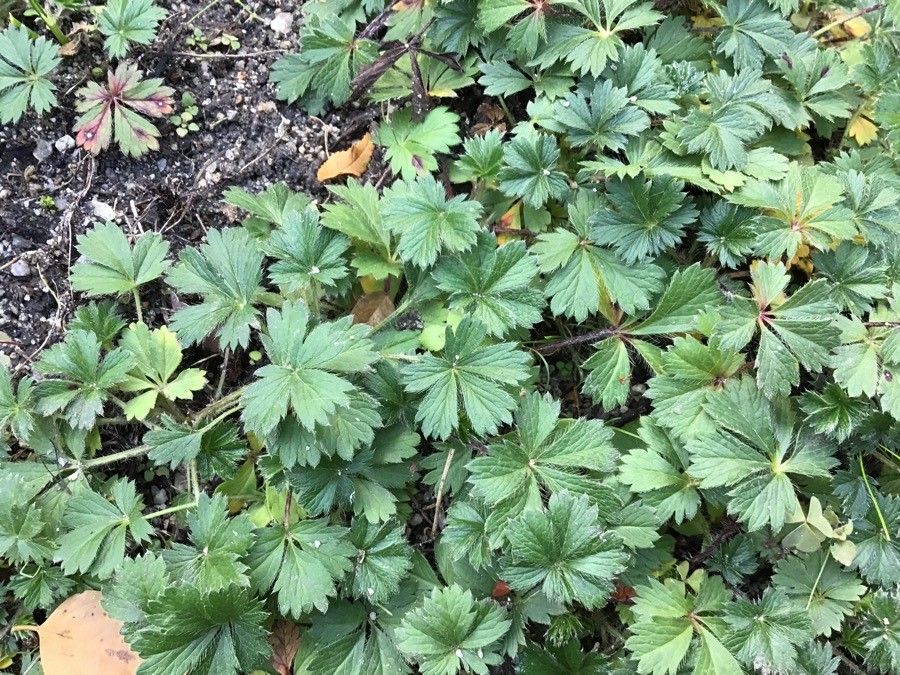
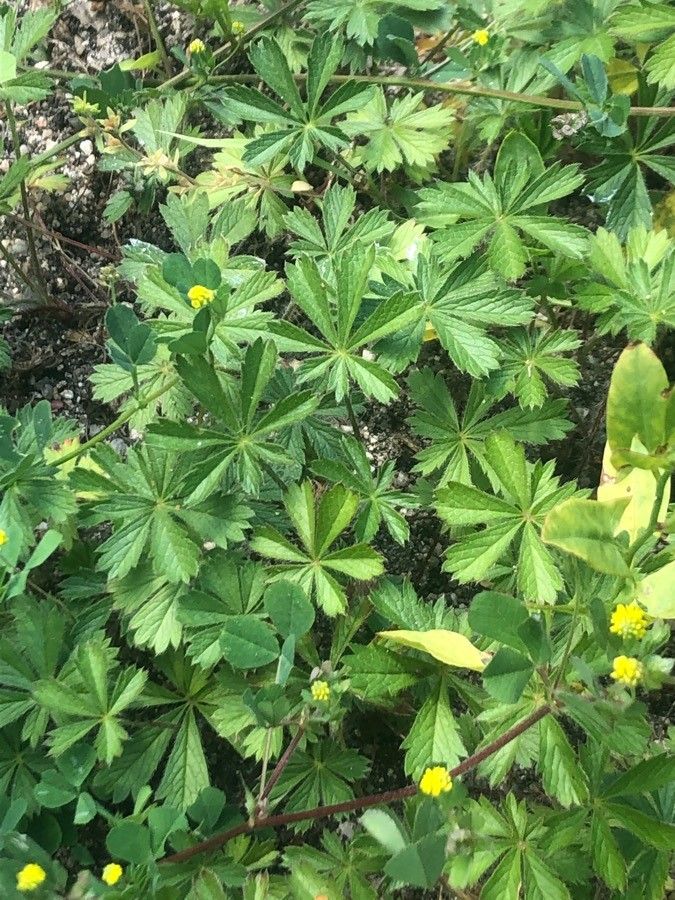
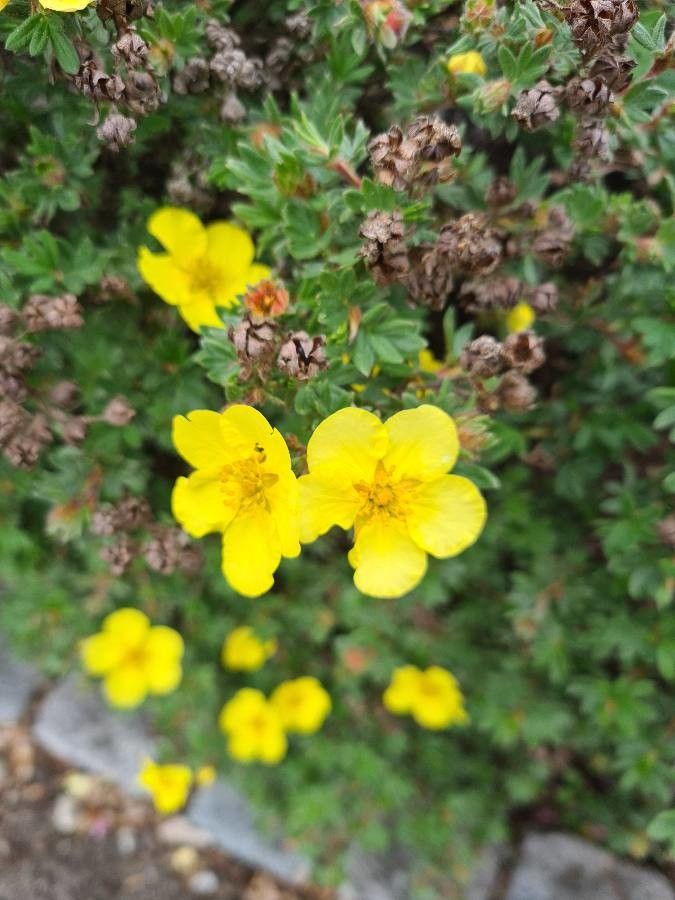
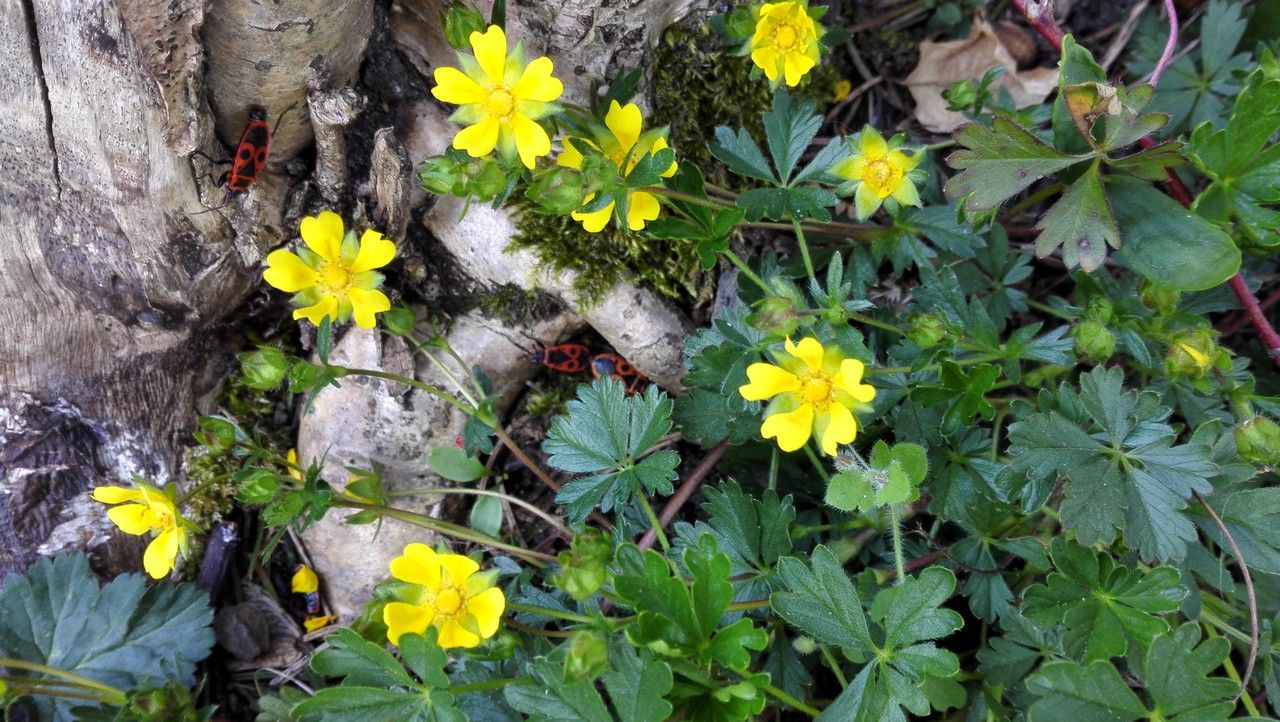
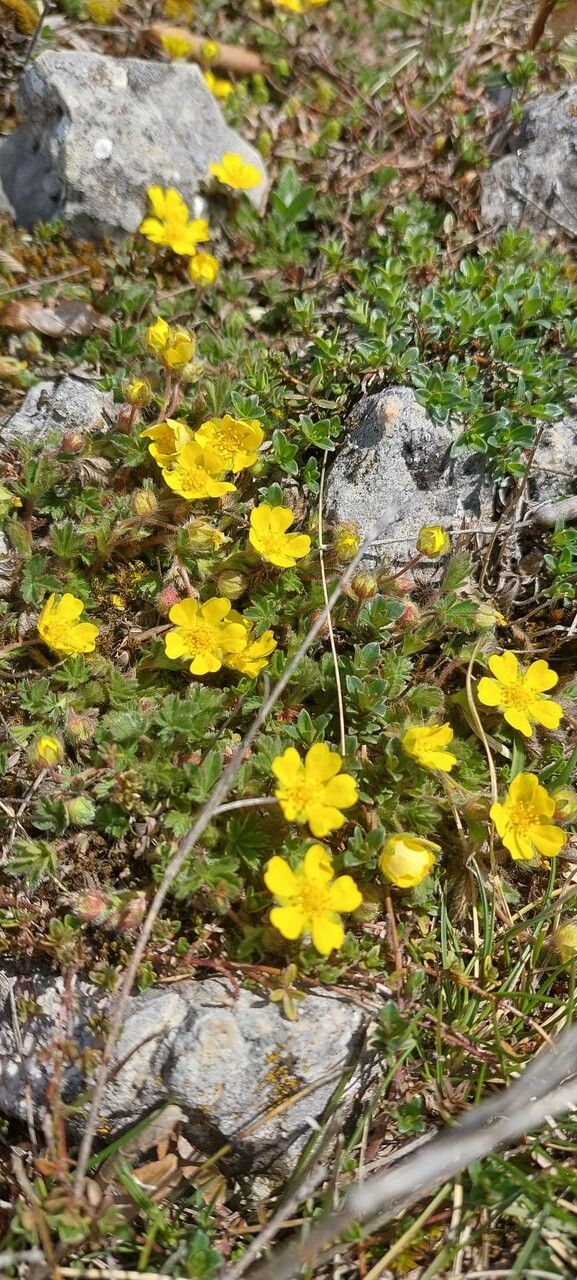
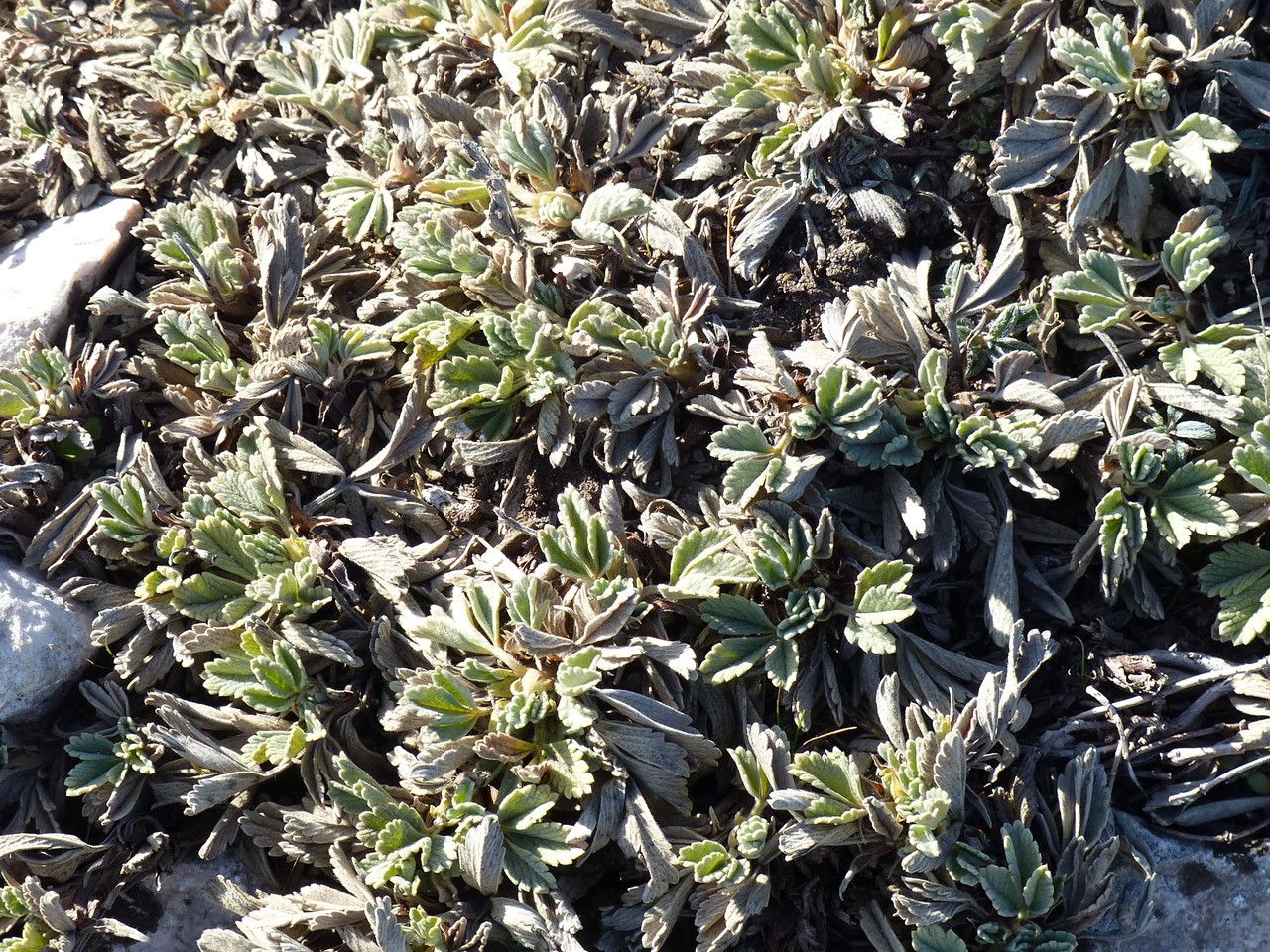
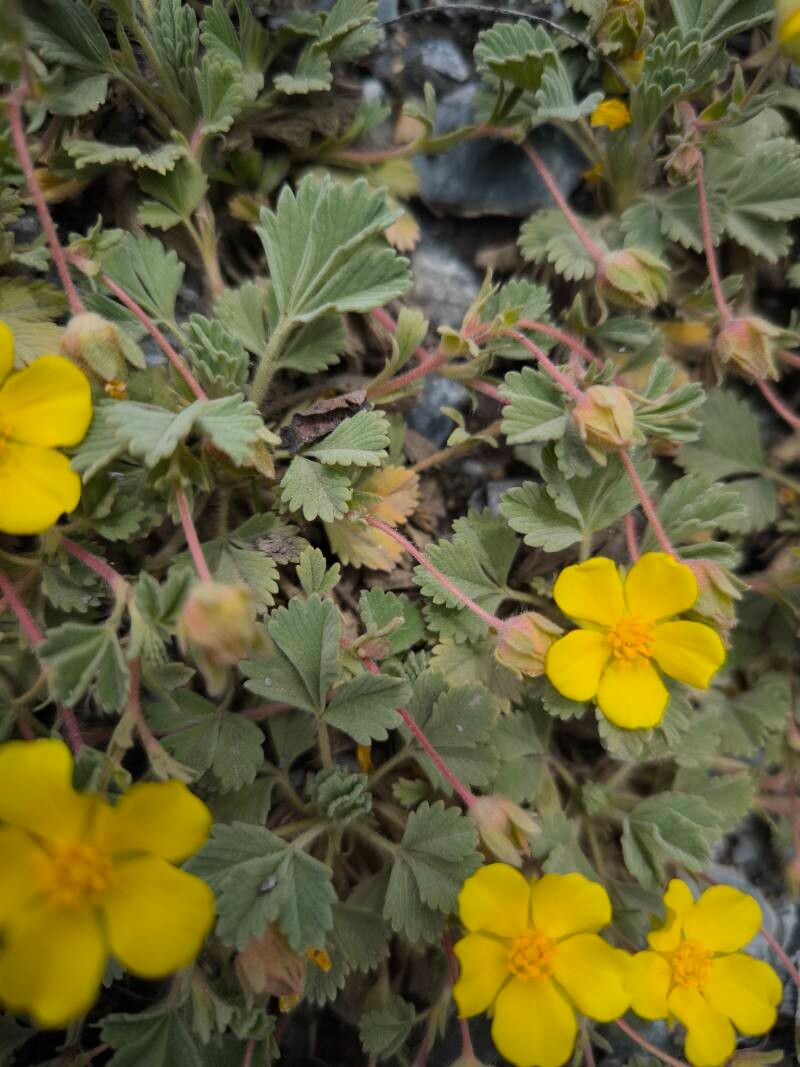
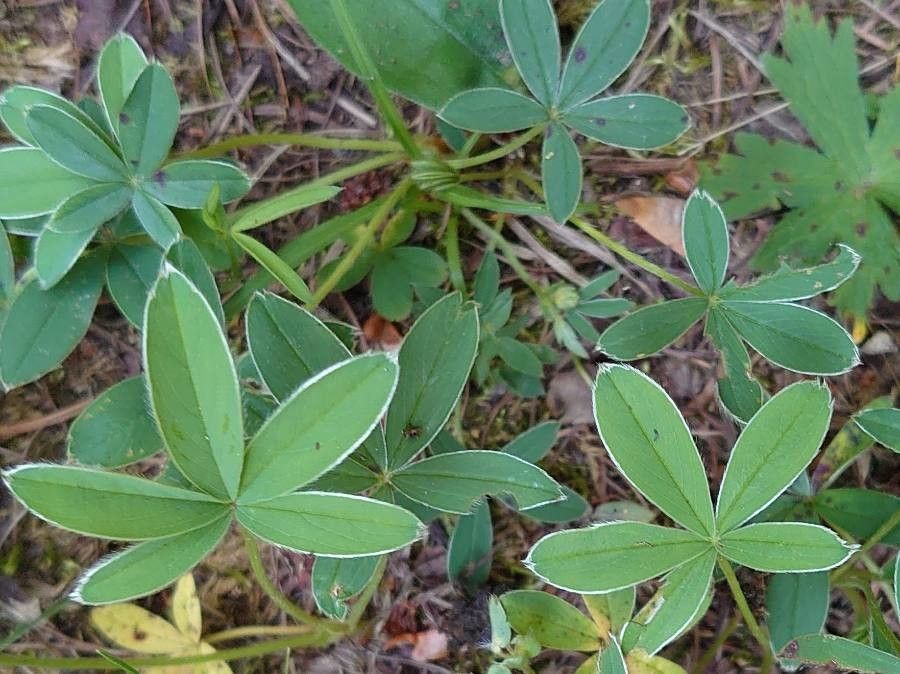
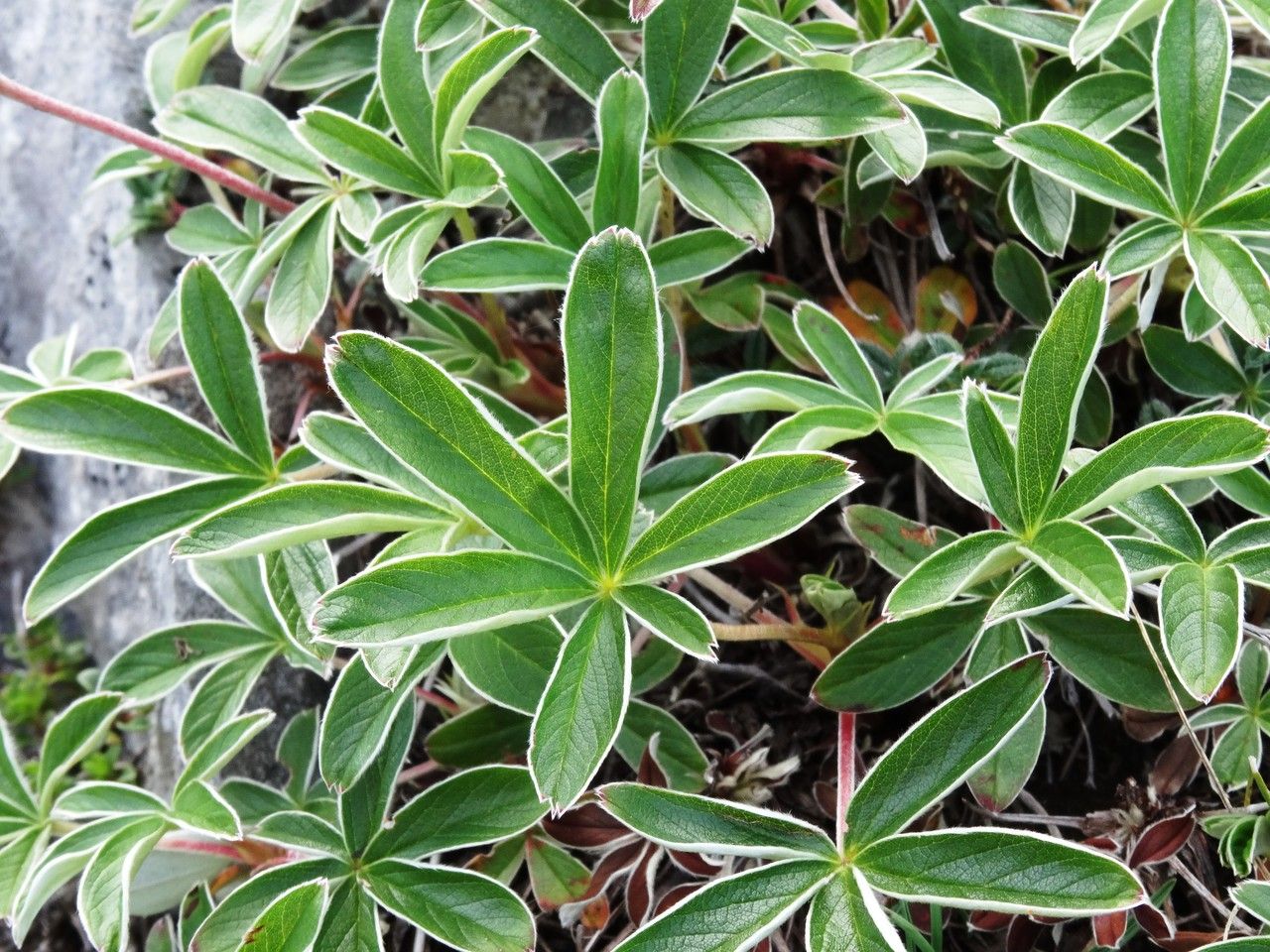
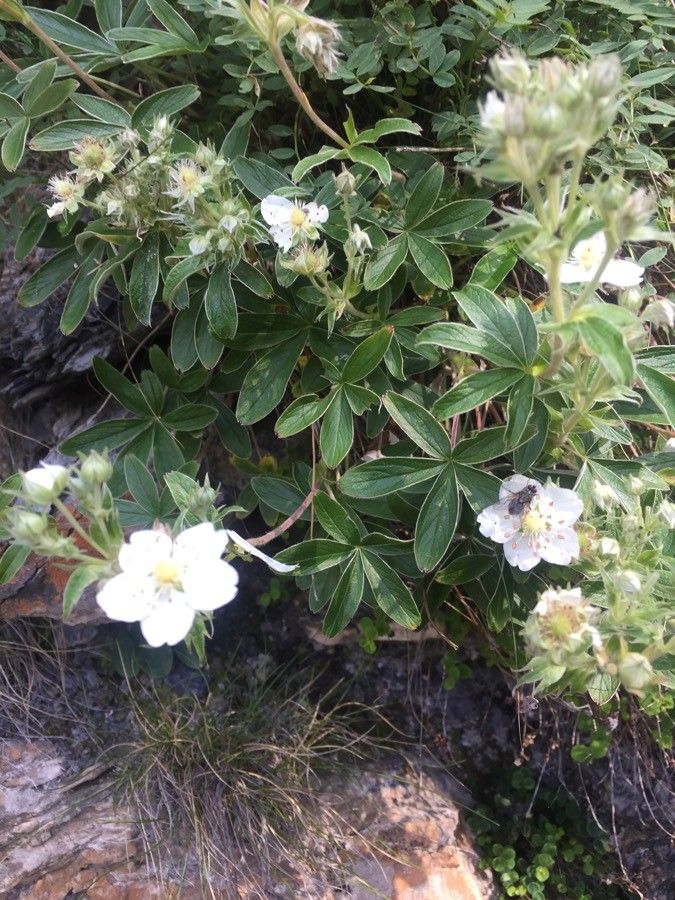
Potentilla neumanniana, the spring cinquefoil or spotted cinquefoil, is a perennial flowering plant in the rose family (Rosaceae). It may grow up to the height of 5–15 cm. It was first scientifically described by H.G.L. Reichenbach in 1832. P.F.A. Ascherson later called it P. tabernaemontani, a name which is now invalid. The name P. verna was misapplied to this species; as originally described by Linnaeus, it actually refers to the alpine cinquefoil (P. crantzii). This is a fairly nondescript species of cinquefoil. Its typical five-fingered leaves and — in early spring — five-petalled yellow flowers are borne on low-lying stems. As its common name implies, in most of its range it is one of the first cinquefoils to bloom. It can grow in dry, marginal habitat, such as roadsides, dry meadows, and talus. Thus it can be used for rock gardens, providing bright bunches of yellow when few other plants are blooming.
Spring cinquefoil has strong resistance to disease and is generally unlikely to suffer from illnesses. Still, it can be affected by pests and diseases that exist in the nearby environment. Such infections are typically mild. Regarding care, this plant is of moderate maintenance. It should be pruned on a regular basis to preserve a neat appearance and encourage healthy growth. Applying fertilizer can also aid in boosting blooms. Spring cinquefoil is appropriate for anyone with outdoor space, like a garden or patio, and does not demand much gardening experience. It may need increased attention if cultivated indoors.
How to keep Potentilla Neumanniana.
Light
Spring cinquefoil is a sun-loving perennial herbaceous plant that comes from open habitats and is commonly found in meadows and grasslands. It prefers full sun but can also tolerate partial sun.
Temperature
Spring cinquefoil can tolerate a wide span of temperatures, but its range may still be restricted by various combinations of moisture and heat. It performs best in warm summer climates with sufficient rainfall or watering. Extended periods of cloudy, rainy weather or prolonged high temperatures can raise the chances of Spring cinquefoil dying. In winter, adequate protection from cold can boost the plant's survival.
Fertilizer
The primary time to fertilize Spring cinquefoil is in early spring, when the flowers are beginning to form. Applying the appropriate fertilizer promotes stronger blooms and helps Spring cinquefoil produce attractive flowers. Fertilizing at this early-spring stage ensures excellent flowering during the season and supplies energy for its dormant growth phases.
Botanical profile.
- Plant Type
- Herb
- Life Cycle
- Perennial
- Genus
- Potentilla
- Family
- Rosaceae
- Hardiness Zone
- 3-8
- Mature Height
- 8 cm to 15 cm
- Mature Spread
- 15 cm to 30 cm
- Leaf Color
- Green
- Leaf Type
- Evergreen
- Flower Color
- Yellow
- Flower Size
- 1.02 cm to 2.03 cm
- Bloom Time
- Spring
- Planting Time
- Spring, Summer, Autumn
- Harvest Time
- Early summer, Mid summer
- Native Area
- Austria, Sweden, Slovakia, Croatia, Russia, Germany, Canada, Estonia, Koppen, South Korea, Romania, Belgium, Netherlands, France, Portugal, Czech Republic, Bulgaria, Poland, China, Norway, Italy, Kazakhstan, Spain, Switzerland, Denmark, Mongolia, Finland, United Kingdom, Hungary
Other names.