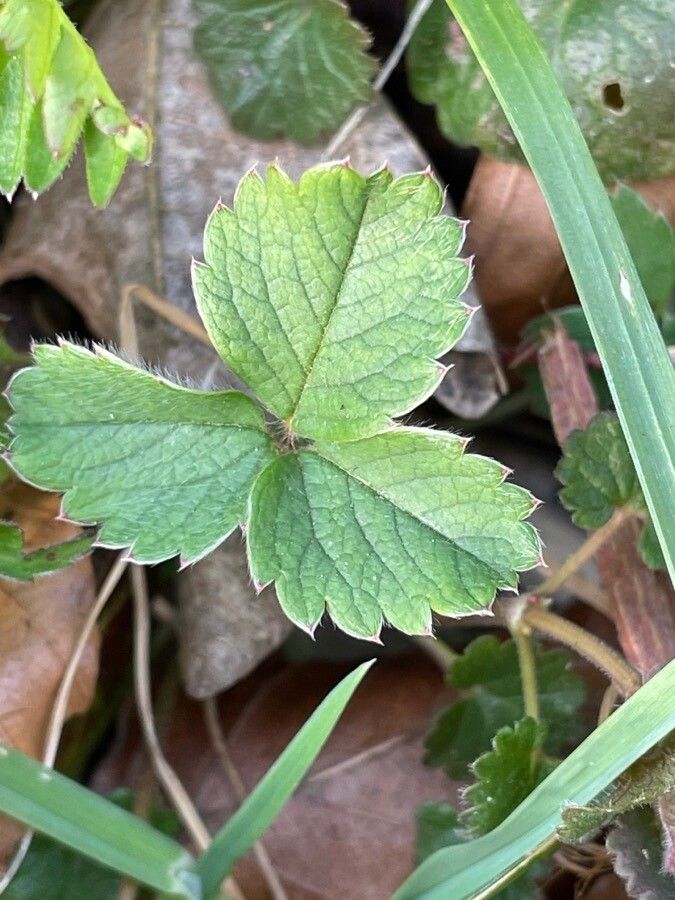
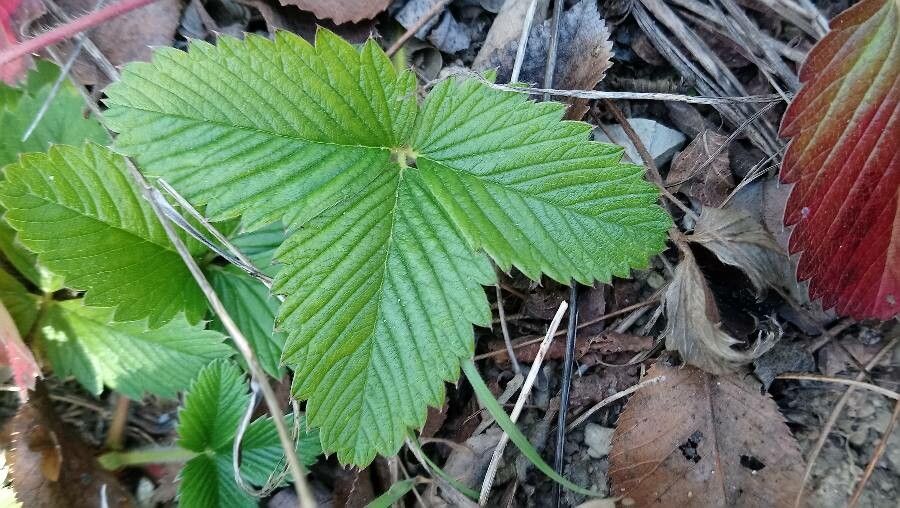
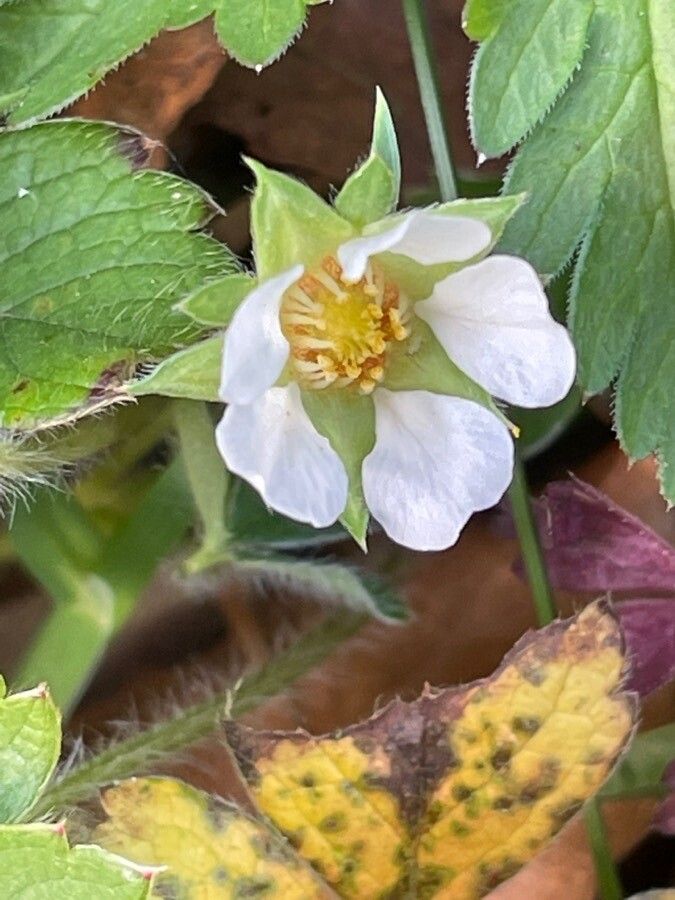
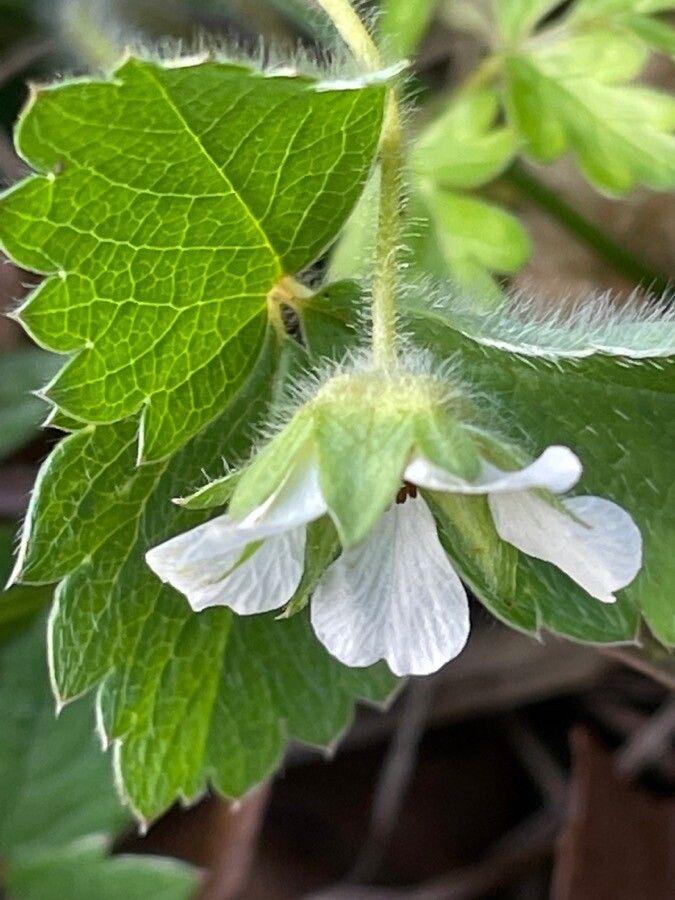
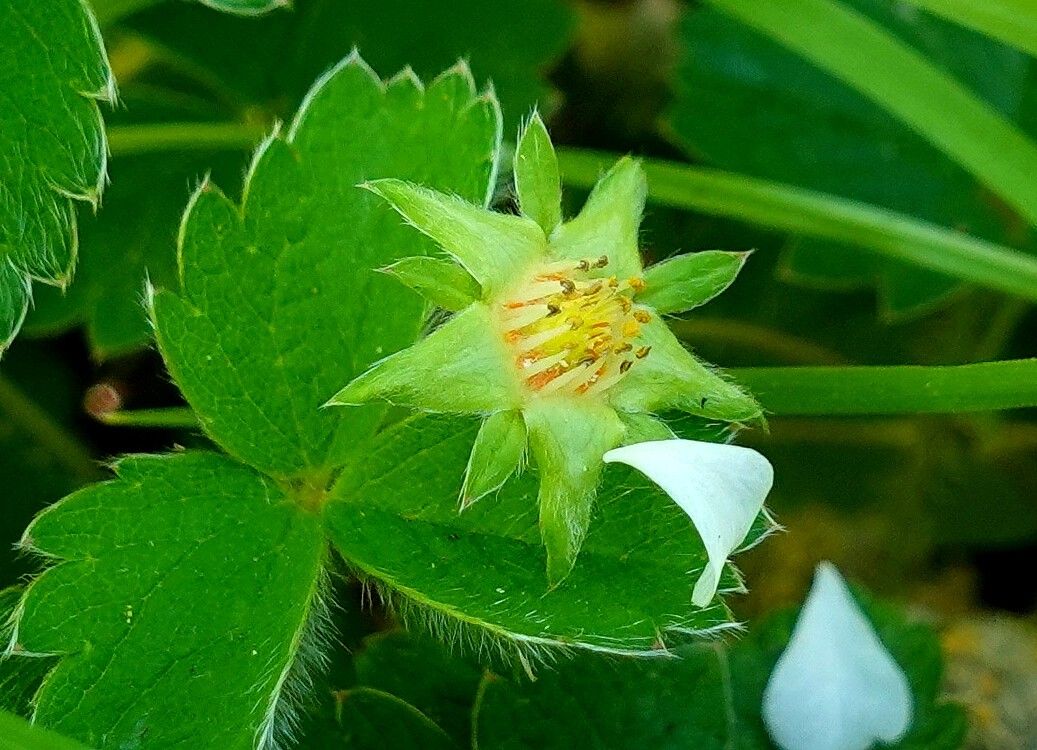
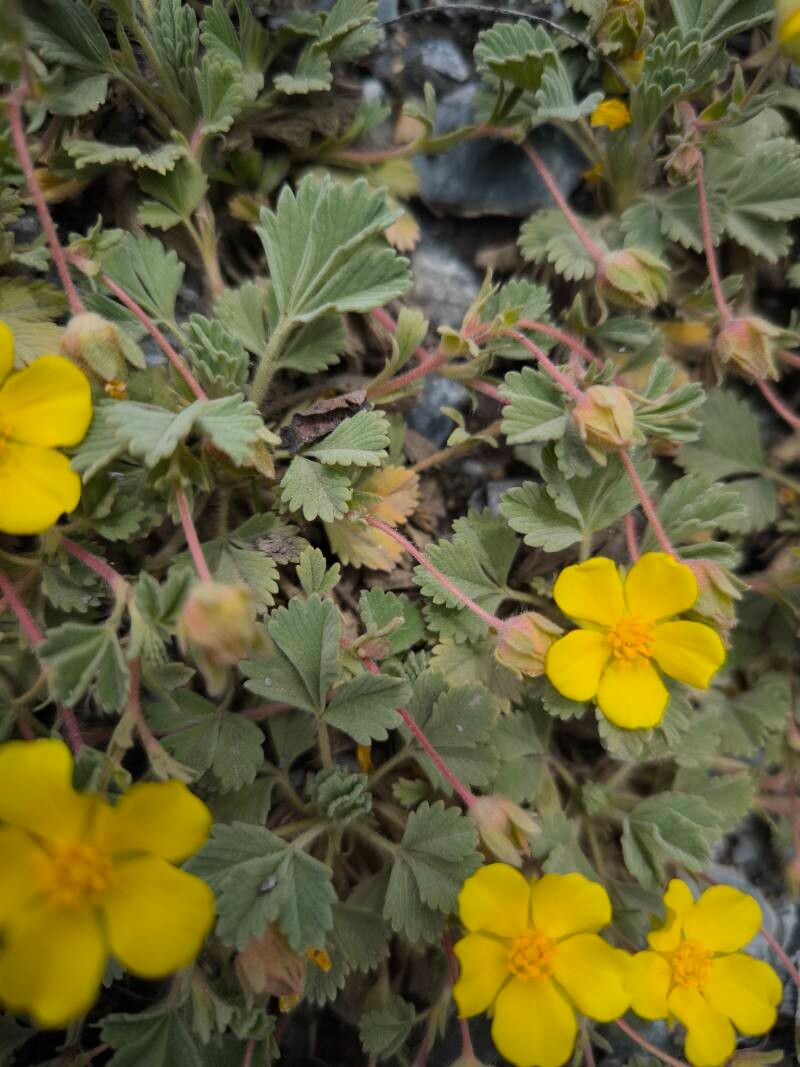
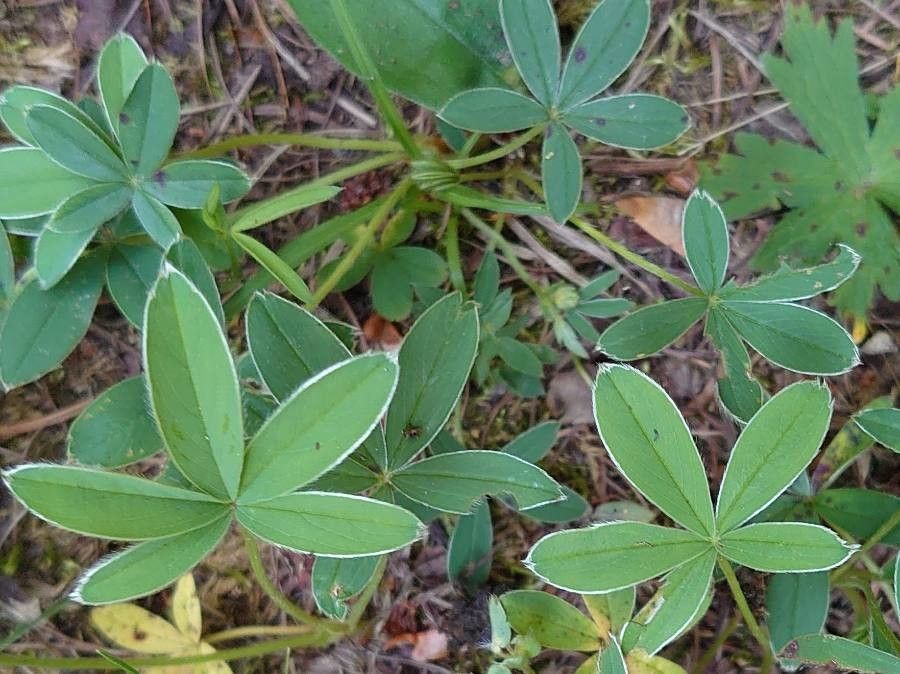
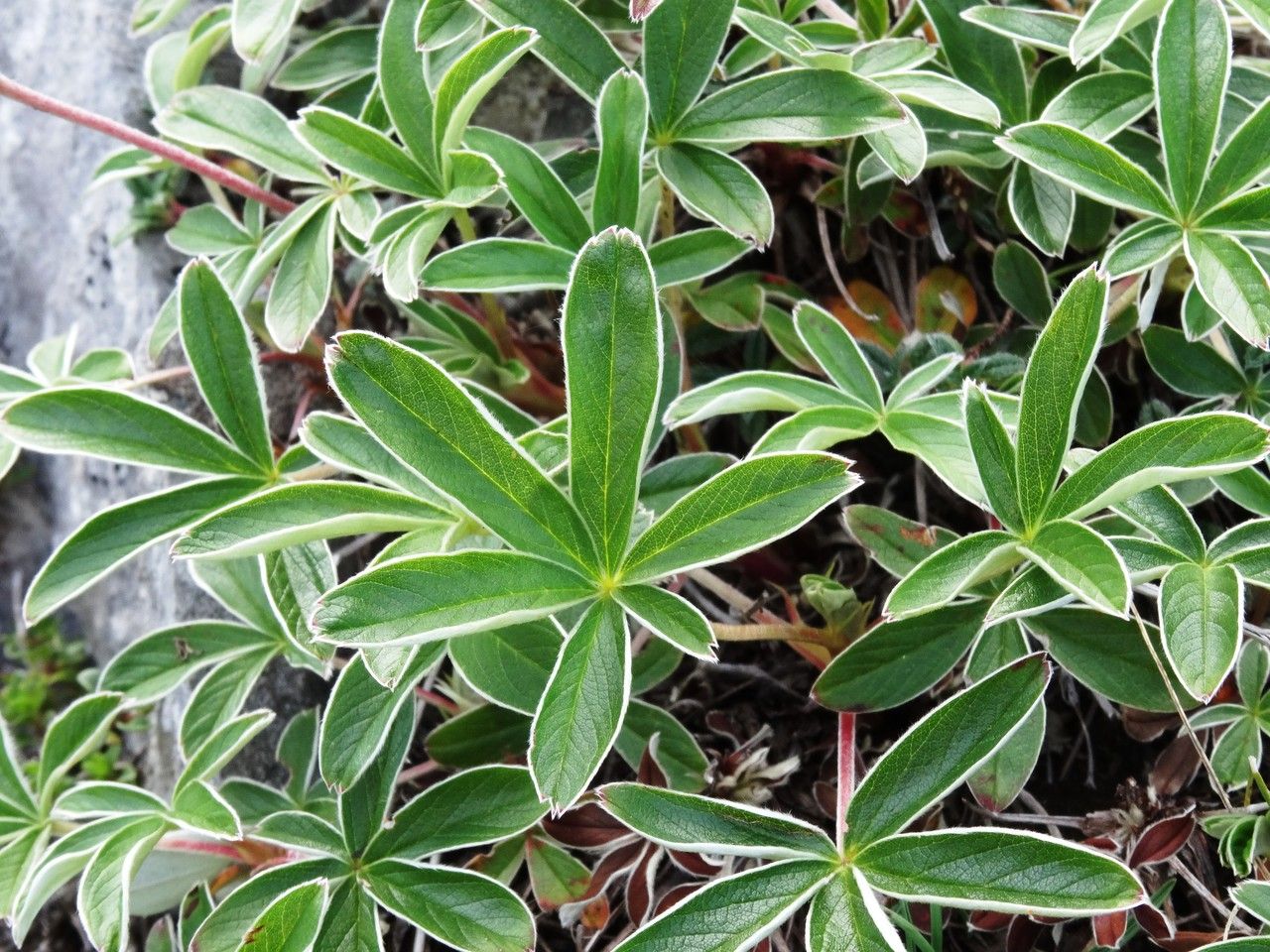
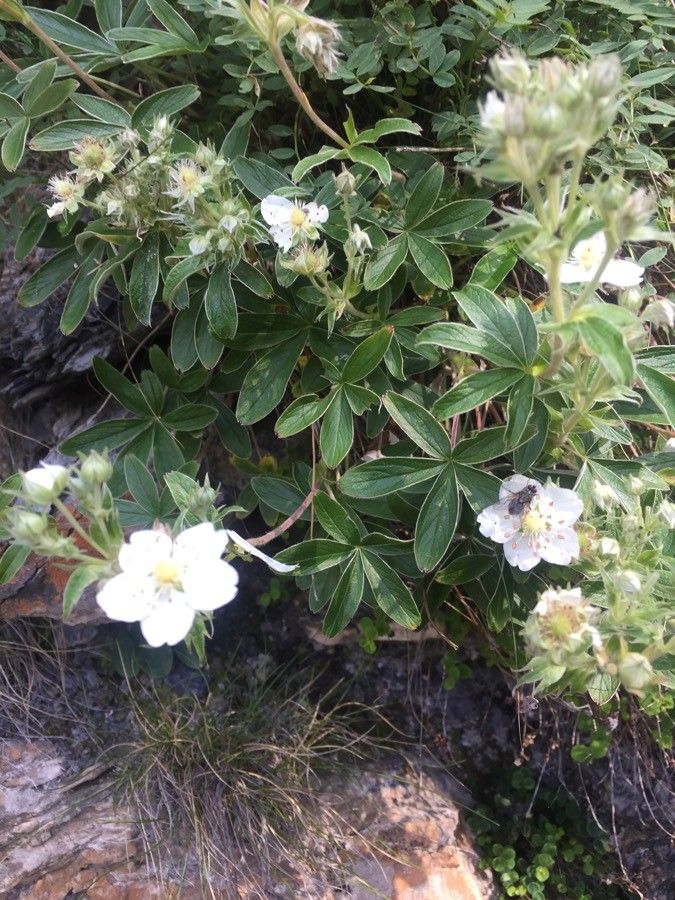
Potentilla sterilis, commonly known as barren strawberry, is a low-growing perennial plant belonging to the Rosaceae family. Native to Europe and Asia, it has also been introduced to North America. This plant reaches a height of up to 30 cm and features trifoliate leaves that are green with toothed edges. Its small, yellow flowers, each with five petals, bloom from April through June.
Barren strawberry thrives in moist soils in shaded areas such as woodlands, hedgerows, or meadows, but it can also grow in dry soils if watered regularly during dry periods.
For centuries, the plant has been valued for its medicinal properties, particularly its astringent qualities, which make it effective in treating diarrhea, dysentery, and other gastrointestinal issues. Additionally, the leaves have been used topically to treat skin conditions like eczema and rashes.
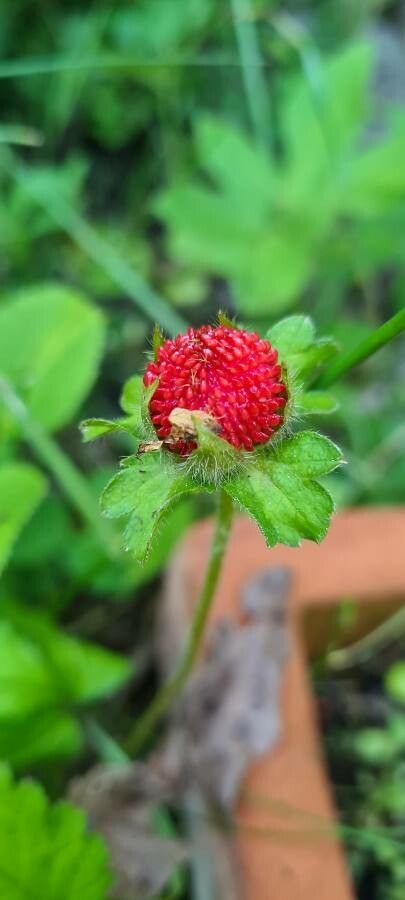
Barren strawberry also serves as an important food source for wildlife. Birds, in particular, feed on its fruit, which resembles strawberries but lacks flavor.
Overall, Potentilla sterilis is an attractive, low-growing perennial that is easy to grow from seed or propagate by dividing established plants. Its combination of visual appeal and medicinal properties makes it a popular choice among gardeners looking for a versatile ground cover plant.
Barren strawberry is fairly resistant to disease and is generally not easily affected. Still, it can be vulnerable to pests and illnesses present in its environment. These outbreaks are typically mild. Regarding care, this plant needs a moderate amount of attention. It should be pruned regularly to keep a neat appearance and support healthy growth. Feeding it can also help encourage flowering. Barren strawberry is appropriate for anyone with outdoor space, such as a garden or patio, and does not demand extensive gardening experience. It may need extra care when grown indoors.
How to keep Potentilla Sterilis.
Light
Barren strawberry is a sun‑loving perennial herbaceous plant native to open habitats, commonly found in meadows and grasslands. It prefers full sun but can also tolerate partial sun conditions.
Water
The barren strawberry, native to temperate regions, thrives in well-drained soil and requires moderate moisture. It grows best with regular watering once a week but can withstand short periods of dryness. Seasonal changes in temperature and precipitation, which are characteristic of its natural woodland habitat, influence its growth and water needs.
Temperature
Barren strawberry originates from habitats where temperatures typically fall between 50 and 77 °F (10 to 25 ℃). This plant performs best within that temperature range. During periods of severe weather, alterations to its surroundings may be necessary to reproduce this natural temperature range.
Fertilizer
The best time to fertilize a Barren strawberry is in early spring, when it is coming out of dormancy and starting active growth. Fertilization supplies essential nutrients for healthy development. Although Barren strawberry has fairly low fertilizer requirements, applying fertilizer once a year can improve its survival and encourage better, longer-lasting flowers.
Pruning
The barren strawberry is a creeping plant known for its small white flowers. To encourage bushiness and healthy growth, light pruning in early spring is recommended. This practice also enhances airflow and reduces the risk of fungal issues. It is important to avoid heavy pruning, as it can stress the plant. By following these guidelines, you can ensure vibrant blooms and vigorous growth throughout the growing season.
Botanical profile.
- Plant Type
- Herb
- Life Cycle
- Perennial
- Genus
- Potentilla
- Family
- Rosaceae
- Hardiness Zone
- 6
- Mature Height
- 10 cm
- Mature Spread
- 10 cm to 30 cm
- Leaf Color
- Green, Dark Green
- Leaf Type
- Deciduous
- Flower Color
- White
- Flower Size
- 1.02 cm to 1.52 cm
- Bloom Time
- Early spring, Mid spring
- Planting Time
- Spring, Summer
- Harvest Time
- Late spring, Early summer
- Native Area
- Sweden, Austria, Czech Republic, Slovakia, Montenegro, Poland, Croatia, Slovenia, Germany, Portugal, Italy, Spain, Switzerland, Denmark, France, Albania, Ireland, United Kingdom, Belgium, Netherlands
Other names.
Reader questions.
How should I water my Barren strawberry plant?
When watering the Barren strawberry, it is best to use filtered water at room temperature. Tap water can contain harmful particles, so filtered water is preferable. The Barren strawberry is accustomed to a warm environment, so it's important to avoid using cold water, as it can shock the plant. Additionally, overhead watering should be avoided to prevent foliage complications. Instead, water the plant by applying filtered room temperature water directly to the soil until it is completely soaked. This will benefit the plant by moisturizing the roots and aiding in the spread of nutrients through the soil.
Why do I need to add fertilizer to my Barren strawberry plant?
The main structure of the Barren strawberry is made up of its leaves, and fertilization is an important way to make sure that these leaves not only look good but also function well. Proper fertilization will improve the color and texture of the leaves, while also promoting the growth of new roots and maintaining existing roots below the soil. This means that fertilization not only keeps the plant healthy currently, but also enhances its ability to absorb nutrients from the soil in the future.
What are the sunlight requirements for Barren Strawberry (Potentilla sterilis)?
Barren strawberry requires full sun, which means it needs more than 6 hours of sunlight a day, but it can also grow in partial sun conditions, receiving about 3-6 hours of sunlight. This sun-loving perennial herbaceous plant thrives best in open habitats, such as meadows and grasslands. When choosing a spot for your barren strawberry plants, observe the movement of sunlight through your garden to find an area that offers a balanced mix of light and shade, ensuring the plants' optimal growth and happiness.
What is the ideal temperature range for growing Barren Strawberry?
Barren strawberry, botanically known as Potentilla sterilis, thrives best in environments where the temperature typically ranges from 50 to 77 °F (10 to 25 °C). This plant is native to areas within these temperature boundaries, and maintaining temperatures within this range is crucial for its optimal growth and development.
What should I do if I give too much water or too little water to my Barren strawberry?
Both overwatering and underwatering can harm the health of your Barren strawberry, but overwatering is more likely to occur. When this species gets too much water, its stems and leaves may wilt and turn yellow. Overwatering over time can also cause diseases like root rot, mold, and mildew, which can be fatal to your plant. Underwatering is less common for the Barren strawberry because it can tolerate drought fairly well. However, it is still possible, and if it happens, the leaves will become brittle and brown. It is important to recognize the signs of overwatering early when caring for your Barren strawberry. Some diseases caused by overwatering, such as root rot, may not be fixable if you wait too long. If you notice early signs of overwatering, reduce your watering immediately. You should also check the soil quality where your Barren strawberry is growing. If the soil doesn't drain well, replace it with a loose, well-draining potting mix. On the other hand, if your Barren strawberry appears to be receiving too little water, simply water it more regularly until the signs improve.
When should I fertilize my Barren strawberry?
If you grow your Barren strawberry outdoors, each year it will send new growth shooting out in early spring. This is when you should start fertilizing it. Normally, a single application of fertilizer in the spring is sufficient for the strawberry. However, if you want to maximize its growth, you can feed it multiple times throughout the spring and early summer. In this case, you can fertilize it about once every month to a month and a half.
How can artificial lighting support the growth of indoor Barren Strawberry plants?
For indoor Barren Strawberry plants, especially during the less sunny seasons or in less sunny spaces, artificial lighting is essential to mimic natural sunlight conditions and promote healthy growth. LED lights are recommended as they can provide specific wavelengths needed by the plants. Full sun plants require 30-50W/sq ft of artificial light, partial sun plants need 20-30W/sq ft, and full shade plants need 10-20W/sq ft. The light source should be placed 12-36 inches above the plant, simulating the duration of natural daylight, which is usually 8-12 hours per day.
How does Barren Strawberry cope with cold weather and frost?
Barren strawberry is highly cold-tolerant and does not require additional frost protection measures during the winter. Before the first freeze in autumn, it is recommended to water the plant generously. This ensures the soil around the Barren Strawberry remains moist when it enters a frozen state, helping to prevent drought and water scarcity for the plant during the colder months.
How many times a week should I water my Barren strawberry?
If your Barren strawberry is in a pot, you can determine if it needs water by touching the soil. If the top two to three inches are dry, it's time to water it. If your Barren strawberry is grown outdoors in the ground, you can use the same method. When the top few inches of soil are dry, it's time to water. In the spring and early fall, you may need to water once a week. During extremely hot weather, you might need to water twice or more per week. However, mature, well-established Barren strawberries can handle drought well.
When is it not a good idea to fertilize my Barren strawberry?
During the late fall and winter, your Barren strawberry will become dormant and stop growing. It's important to refrain from fertilizing your Barren strawberry during this time. In the spring and summer, if you decide to fertilize, remember to gradually reduce the amount as summer approaches, as the growth rate of your Barren strawberry will also slow down. It's not recommended to fertilize your Barren strawberry during extremely hot weather or when the soil is unusually dry, as this can cause stress and premature death.
What are common symptoms of light deficiency in Barren Strawberry plants?
When Barren Strawberry plants do not receive sufficient light, they may exhibit several symptoms, including the growth of smaller new leaves, leggy or sparse growth, premature leaf drop, delayed or ceased growth, lighter-colored new leaves, and symptoms related to extreme sunlight exposure such as chlorosis, sunscald, leaf curling, wilting, and leaf scorching. These signs indicate either inadequate exposure to light or, in some cases, excessive sunlight, highlighting the importance of providing balanced light conditions for optimal plant health.
What should I do if the temperature drops below -25°C?
Although Barren strawberry is extremely cold-tolerant, winter temperatures should be maintained above -25°C. If temperatures drop below this threshold, you may not notice any immediate effects during winter. However, there can be a decrease in sprouting or even no sprouting at all when spring arrives. If such a scenario occurs, it's advised to remove any parts of the plant that have failed to sprout in spring.