Pouteria caimito
Caimito · Abiu · Blueberry Pie fruit
Description
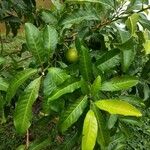
Source: leafsnapPouteria caimito, the abiu (Portuguese pronunciation: [ɐˈbiw]), is a tropical fruit tree originated in the Amazonian region of South America. It grows to an average of 10 metres (33 ft) high, and can grow as high as 35 metres (115 ft) under good conditions. Its fruits' shape varies from round to oval, pointed at the distal end. When ripe, it has smooth, bright yellow skin and has one to four ovate seeds.† The inside of the fruit is translucent and white. It has a creamy and jelly-like texture and its taste is similar to the sapodilla — a sweet caramel custard. The abiu tree is part of the family Sapotaceae and is very similar in appearance to the canistel.
Care Guide
💧 Water
Abiu plants thrive in humid and moisture-rich environments, and they have a moderate tolerance for drought. It is best to water them every 2-3 weeks, allowing the soil to dry out slightly between watering sessions. While abiu is typically grown outdoors, using mulch can help retain moisture and mimic the plant's native rainforest conditions.
How should I water my Abiu tree?
Your Abiu plant is not very particular about how you water it, so you can use various types of watering tools such as cans, hoses, or even cups. Regardless of the tool, it's important to water the soil directly and make sure all areas are evenly moistened to provide sufficient water to the root system. Using filtered water is helpful, as tap water may contain harmful particles. It's also best to use water at room temperature or slightly warmer, as extremely hot or cold water can be a bit shocking to the Abiu. However, the plant generally responds well to any water you give it.
What should I do if I give my Abiu plant too much water or too little water?
When it comes to outdoor plants, especially newly planted ones or seedlings, they can easily suffer from lack of watering. It is important to remember to consistently water them for the first few months while they are still small or newly planted. Once the roots are established, the plant can rely on rain for most of its water needs. If you have abiu plants planted in pots, be careful not to overwater them. Overwatering is more likely to happen in potted plants. If you accidentally overwater your abiu, act quickly to remedy the situation. First, stop watering the plant immediately to minimize the impact of overwatering. Then, remove the abiu from its pot to inspect the roots. If you find that none of the roots have developed root rot, you can return the plant to its container. However, if you notice signs of root rot, trim away the affected roots and consider applying a fungicide to prevent further damage. Lastly, repot your abiu in well-draining soil. On the other hand, if your abiu is underwatered, you may notice the plant's leaves drooping, drying out, and falling off. In this case, simply increase the frequency of watering the plant. Underwatering is usually an easy fix as the leaves will quickly regain their fullness after sufficient watering. Remember to adjust your watering frequency as soon as you notice signs of underwatering.
How frequently do I need to water my Abiu plant?
Most outdoor plants can grow naturally with rainfall, but if your area lacks rainfall, you should give them adequate watering every 2 weeks in spring and fall. In summer, you'll need to water more frequently, while in winter, when growth slows down and plants need less water, you should water sparingly or not at all. If your Abiu plant is young or newly planted, it will need more frequent watering to help it establish and become drought tolerant. For potted plants, there are two main ways to determine how often to water your Abiu. The first way is to follow a set watering schedule, such as once a week or every other week. However, this may not work well if the unique growing conditions for your Abiu are not considered. Another option is to base your watering frequency on the moisture level of the soil. Generally, it's best to wait until the top two to four inches of soil (about ⅓ to ½ depth of the pots) have dried out completely before watering again.
How much water should I give my Abiu?
When watering your Abiu plant, you might be surprised to learn that it doesn't always require a large amount of water. Instead, if only a few inches of soil have dried out since the last watering, it's sufficient to give it about five to ten ounces of water each time. You can also adjust the amount of water based on the moisture level of the soil. Simply take note of how many inches of soil have dried out between waterings. To ensure your Abiu receives enough moisture, water it generously to saturate all the layers of dry soil since the previous watering. If more than half of the soil has dried out, it's advisable to give it more water than usual. In such cases, continue adding water until you see excess water flowing out of the pot's drainage holes. If your Abiu is planted in a location that receives abundant rainfall, it might not require additional watering. For young or newly established Abiu plants, ensure they receive 1-2 inches of rain per week. As they continue to grow and establish, they can rely solely on rainwater, except during hot weather or prolonged periods of no rainfall for 2-3 weeks. In those situations, consider giving your Abiu a thorough watering to prevent them from experiencing stress.
How can I know if I'm giving my Abiu plant enough water?
Overwatering is a common problem for the Abiu, and there are signs to look for. An overwatered Abiu may have yellowing leaves and drop leaves. Additionally, overwatering can cause the plant to shrivel and lead to root rot. Conversely, an underwatered Abiu will wilt and have brown or brittle leaves. Regardless of whether you see signs of overwatering or underwatering, it's important to intervene and restore your Abiu's health.
☀️ Light Full sun
Abiu grows best with full-day sun exposure. Although its growing environment is used to constant sunlight, it can still develop under milder light conditions. As a result, excessive shade can slow the plant’s healthy growth and reduce abundant fruiting, while too much sun can scorch the foliage.
What are the sunlight requirements for Abiu?
Abiu thrives with all-day exposure to sunlight, requiring above 6 hours of sunlight for full sun and about 3-6 hours for partial sun. It is crucial to observe your garden throughout the day to choose spots that maintain an optimal balance of light and shade, ensuring your plant's well-being. Regardless, Abiu can still manage with lesser sunlight but too much shade or overexposure may either stunt the plant's growth and fruit production or burn the foliage.
How does artificial lighting benefit indoor Abiu plants?
For indoor Abiu plants, artificial lighting is essential when natural sunlight is insufficient, especially during winter or in less sunny locations. LED lights are recommended due to their ability to provide specific wavelengths of light needed by plants. The required intensity of artificial light varies: full sun plants need 30-50W/sq ft, partial sun plants need 20-30W/sq ft, and full shade plants need 10-20W/sq ft. It's important to position the light source 12-36 inches above the plant and ensure it receives 8-12 hours of light per day to mimic natural sunlight conditions.
What are the signs of light deficiency or overexposure in Abiu plants?
Abiu plants may show several symptoms under suboptimal lighting conditions. For light deficiency, you might observe smaller new leaves, leggy growth, faster leaf drop, slower or halted growth, and lighter-colored or pale new leaves. When exposed excessively to sunlight, symptoms like chlorosis, sunscald, leaf curling, wilting, and leaf scorching can occur due to the damage caused by intense light exposure. These conditions reflect the plant's struggle in absorbing and processing sunlight.
How can I address lighting issues for my Abiu plant?
To improve the light exposure of your Abiu plant, gradually shift it to a location where it can receive at least 6 hours of sunlight daily, using a south-facing window if indoors. For plants that are large or not easily moveable, consider artificial lighting, keeping a lamp on for no less than 8 hours per day or investing in professional grow lights. Outdoors, find the ideal spot for sunlight, adapting gradually by initially positioning them in less intense sunlight and progressively moving them. Remember, parts of the plant damaged by insufficient light may not recover fully, but new growth should be healthier with proper light exposure. Additionally, consider pruning or relocating plants to minimize sunlight obstruction.
🌡️ Temperature 20–37.8°C
Abiu does well in balmy climates, preferring temperatures of 68 to 100 °F (20 to 38 °C). Native to warm habitats, it thrives when kept in gentle warmth year-round. Because it is a heat-loving species, seasonal temperature adjustments are rarely required.
What is Abiu?
Abiu, scientifically known as Pouteria caimito, is a tropical fruit originating from the Amazonian region of South America. Unfortunately, the provided information does not include specifics about its characteristics, usage, or nutritional value.
💨 Humidity
🪴 Soil 6-7
🌱 Fertilizer
Prefer organic fertilizers (for example, fish emulsion or compost) instead of chemical fertilizers for Abiu. Give young plants higher levels of nitrogen and phosphorus in spring. Work compost or fertilizer into the soil before or after planting. For mature plants, apply a balanced fertilizer in spring or use one targeted to any specific deficiency. Nutrient deficiency leads to small leaves, short branches, yellowed or bronzed leaves, acidic fruits, premature fruit drop, and fruit splitting.
Why should I put fertilizer on my Abiu plant?
Regular fertilization is important for Abiu plants because their growth depletes the soil of nutrients, especially for fast-growing types. Providing extra nutrients through fertilization not only helps the plant stay healthy, but also supports its ability to produce more delicious fruit. Plants that are not fertilized for a long time may experience various problems. Nutrient deficiency can lead to issues such as yellow leaves, reddish coloration, deformities in leaf shape, withered tips, or dieback in large portions of the plant. Some nutrient deficiencies can also affect bark health, slow growth, hinder shoot development, and result in a lack of fruit production.
What is the ideal time to fertilize my Abiu plant?
Fertilizing in early spring, before the buds emerge, is the best time for Abiu plants. During this time, Abiu uses its stored reserves to grow new foliage. To support the development of blooms, it is recommended to fertilize about 2 to 4 weeks prior to the expected blooming period. This will allow enough time for the nutrients to soak into the soil and be absorbed by the plant. It is also advised to continue feeding Abiu during spring, but avoid fertilizing in autumn. Fertilizing during autumn can lead to excessive late-season foliage growth, making the leaves more susceptible to winter damage.
When is the best time to not fertilize my Abiu?
Here are some tips for fertilizing Abiu trees: 1. In the first year of growth, avoid fertilizing Abiu altogether. Only provide fertilizer if it is absolutely necessary. 2. If you pruned 20% or more of the plant the previous year, do not fertilize. 3. Do not fertilize plants that are diseased or damaged, as this can do more harm than good. Instead, address the root cause before thinking about fertilizing. 4. Avoid fertilizing after the peak of summer, as this can cause excessive growth before winter. 5. During hot and dry times of the year, refrain from fertilizing Abiu trees since dry soil does not deliver fertilizer effectively. Fertilizing at this time can also stimulate growth that requires more water. 6. It is best to apply fertilizer earlier in the season when temperatures are cooler. 7. Be cautious when applying fertilizer near nearby plants or lawns, as Abiu trees can absorb excess fertilizer from these sources. By following these guidelines, you can fertilize your Abiu trees effectively while avoiding any potential issues.
What kind of fertilizer does my Abiu tree need?
Using fertilizer that contains a balance of nitrogen, phosphorus, and potassium can bring many benefits to plants. Nitrogen is important for leaf growth and chlorophyll production. Phosphorus helps support the root system and promotes the development of blossoms, fruits, and seeds. Potassium plays a role in photosynthesis and the movement of water and nutrients throughout the plant. When choosing a fertilizer, you can opt for a commercial one that is specifically designed for a particular type of tree. Alternatively, you can use organic sources of nitrogen such as manure, feather meal, or blood meal. To ensure you apply fertilizer accurately, conducting a soil test can give you a better understanding of the condition of your soil. For commercial fertilizers, if your soil lacks sufficient phosphorus and potassium according to the soil test, you can use a balanced granular fertilizer with a ratio of 10-10-10 or similar. In most cases, nitrogen in the soil is continuously depleted with rainfall. If your soil already has enough phosphorus and potassium, it would be more appropriate to use a high-nitrogen fertilizer with a ratio of 6-2-1 or 10-2-2.
How can I add fertilizer to my Abiu plant?
When using fertilizer for your Abiu, it's important to follow specific directions and do some research on how to properly apply it. Over-fertilizing can be harmful, so determining the correct amount is crucial, especially for fruit trees. To figure out the right amount, you can use the age of the tree or the trunk diameter as a reference. Typically, it's recommended to use about one-tenth of a pound of fertilizer per year or per inch of trunk, with a maximum limit of one pound. Remember, it's best not to fertilize your Abiu during its first few years of growth. For applying granular or organic fertilizers like blood meal, sprinkle the substance from the base of the tree all the way to the drip line (which is the space under the farthest branches). Be careful not to let the fertilizer come in contact with the trunk. Over time, the granules will break down and be absorbed by the roots through the soil. After fertilizing, spread a one-inch layer of compost around the base of the tree and water thoroughly.
🪴 Pot & Repot
✂️ Pruning
The Abiu tree is a tropical fruit tree known for its glossy leaves and sweet fruit. To keep it healthy and productive, prune it from early to late spring. Make clean cuts just above the leaf nodes and remove any dead branches to improve air circulation. Proper pruning supports the tree’s health and boosts fruit production. Always use sterilized tools for the best results.
🌿 Propagating
🐛 Diseases & pets
☠️ Toxicity
Characteristics
- Plant Type
- Tree
- Life Cycle
- Perennial
- Genus
- Pouteria
- Family
- Sapotaceae
- Hardiness Zone
- 10-12
- Mature Height
- 14.94 m
- Mature Spread
- 10.06 m
- Leaf Color
- Green, Blue
- Leaf Type
- Evergreen
- Flower Color
- White, Green, Yellow
- Flower Size
- 2.54 cm
- Bloom Time
- Late spring, Summer
- Planting Time
- Spring, Summer, Autumn
- Harvest Time
- Late summer, Fall
- Native Area
- Colombia, Honduras, Bolivia, Venezuela, Peru, Guyana, Nicaragua, Ecuador, Costa Rica, Panama