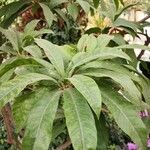
Pouteria campechiana
Canistel · Eggfruit-tree · Yellow sapote · Eggfruit
Description
Source: leafsnapPouteria campechiana, commonly known as the canistel or eggfruit, is a tropical fruit tree native to southern Mexico and Central America. Belonging to the Sapotaceae family, this tree can grow up to 10-20 meters tall. It features a straight trunk with smooth, gray bark and glossy, oblong-shaped green leaves. The fruit of the Pouteria campechiana is oval or round and has yellow-orange, slightly fuzzy skin. The flesh of the fruit has a texture similar to that of a hard-boiled egg yolk, which is why it is often called "eggfruit." It has a sweet flavor with hints of vanilla and can be eaten either raw or cooked. The plant thrives in warm climates with well-drained soil and full sun exposure. While it is drought-tolerant, it requires regular watering during its growing season for optimal development. Pouteria campechiana trees are often grown for their ornamental value as well as for their edible fruits. In traditional medicine, various parts of the plant have been used to treat ailments such as diarrhea, fever, coughs, and skin infections due to their antibacterial properties. Overall, Pouteria campechiana is a fascinating tropical plant known for its unique fruits, which have both culinary uses and medicinal properties. This makes it an important part of traditional medicine practices in some regions where it grows natively.
🌳 Canistel might be unfamiliar to many, yet this modest fruit offers a versatility in cooking that can surprise food lovers. Besides being eaten fresh, it is used in a range of desserts—such as pies, ice creams, and puddings—because of its creamy, custard-like texture. Additionally, canistel’s distinctive flavor, often compared to a baked sweet potato with a hint of pumpkin, has encouraged experimental use in both sweet and savory dishes, broadening its role in culinary innovation.
Care Guide
💧 Water Every 7 days
Originating from the humid tropics, canistel thrives in moist conditions and has a moderate tolerance to drought. It prefers evenly moist soil, so it should be watered every 2-3 weeks. When growing canistel outdoors, consider the effect of rainfall on maintaining optimal hydration for this fruit-bearing tree.
How should I water my Canistel plant?
You can water your Canistel plant with any common watering tool, such as watering cans, hoses, or cups. It's important to water directly onto the soil, making sure to moisten all areas evenly to provide sufficient water for the entire root system. Using filtered water is recommended to avoid harmful particles in tap water. Additionally, using water at room temperature or slightly above is beneficial since colder or hotter water can shock the Canistel. However, the plant generally responds well to any type of water it receives.
What should I do if I give too much or too little water to my Canistel plant?
Outdoor plants, especially newly planted ones or seedlings, are susceptible to lack of watering. It's important to consistently water them for a few months when they are small or recently planted. Once the roots are established, Canistel plants can mostly rely on rain. When Canistel plants are in pots, overwatering is more common. If you accidentally overwater your Canistel, take immediate action to fix the situation. Stop watering the plant right away to minimize the impact of overwatering. Remove the Canistel from its pot and check its roots for any signs of root rot. If there is no root rot, you can return the plant to its pot. If there is root rot, trim affected roots and consider applying a fungicide to prevent further damage. Repot the Canistel in well-draining soil. Underwatering is a simpler issue to address. If you underwater, the leaves will wilt, dry out, and fall off. Promptly correct your watering frequency to ensure the plant's leaves regain their fullness.
How many times should I water my Canistel?
Most outdoor plants can rely on rainfall for their watering needs. However, if you live in an area with little rainfall, you should water your plants every 2 weeks in the spring and fall. In the summer, you will need to water them more frequently. In the winter, when plant growth slows down, you can water them less. In fact, you may not need to water them at all during the winter. If your Canistel plant is young or newly planted, you should water it more often to help it establish and become more adaptable to drought. For potted plants, there are two main approaches to determining watering frequency for your Canistel. The first is to follow a set schedule, such as watering once a week or every other week. However, this may not always be effective, as it doesn't take into account the specific growing conditions of your Canistel. You can also adjust your watering frequency based on the moisture level of the soil. It's best to wait until the top two to four inches of soil, about one-third to one-half of the pot's depth, have completely dried out before watering again. This method allows you to adapt the watering schedule based on the plant's actual water needs.
How much water does my Canistel tree need?
When watering your Canistel, you might be surprised to learn that it doesn't always need a lot of water. If only a few inches of soil have dried since your last watering, giving it about five to ten ounces of water will support healthy growth. You can also determine the amount of water based on the moisture level of the soil. Pay attention to how many inches of soil have dried out between waterings. To ensure your Canistel gets enough moisture, water the soil layers that have become dry since the last watering. If more than half of the soil is dry, consider giving more water than usual. In this case, keep adding water until you see excess water draining from the pot's drainage holes. If your Canistel is planted in an area with plenty of outdoor rain, it may not need additional watering. When the Canistel is young or establishing itself, make sure it receives 1-2 inches of rain per week. As it grows and becomes established, it can rely solely on rainwater. Only when the weather is hot and there is no rainfall for 2-3 weeks should you consider giving it a full watering to prevent stress.
How do I know if I'm watering my Canistel enough?
Overwatering is a common problem for the Canistel. There are several signs to look for when this happens. An overwatered Canistel will have yellowing leaves and may drop some leaves. Overwatering can also make the plant structure shrivel and cause root rot. On the other hand, an underwatered Canistel will wilt and have brown or brittle leaves. If you see signs of overwatering or underwatering, intervene promptly to restore the health of your Canistel.
☀️ Light Full sun
Canistel does best with uninterrupted sunlight. It prospers in settings similar to its native habitat where sunlight is plentiful. Throughout its various growth stages it needs a steady level of sun exposure. Too much or too little light may impair the plant's health and growth.
What are the sunlight requirements for Canistel?
Canistel (Pouteria campechiana) thrives under full sun, requiring more than 6 hours of sunlight daily to maintain its health and promote growth. It's essential to observe how sunlight moves through your garden to ensure your Canistel receives the perfect balance of light and shade, mimicking its native habitat's abundant sunlight conditions. During its different growth stages, Canistel requires consistent sun exposure, as both excessive and deficient light can negatively affect its health.
What role does artificial lighting play for indoor Canistel plants?
Artificial lighting is crucial for indoor Canistel plants, especially when natural sunlight is insufficient, such as in winter or less sunny spaces. It promotes faster, healthier growth by providing the necessary light spectrum. LED lights are a popular choice as they can be customized to the specific needs of plants. Full sun plants need 30-50W/sq ft, partial sun plants 20-30W/sq ft, and full shade plants 10-20W/sq ft of artificial light. The light source should be placed 12-36 inches above the plant to mimic natural sunlight and turned on for 8-12 hours per day to match the plant's natural daylight needs.
What are the symptoms of improper lighting for Canistel?
When Canistel doesn't receive adequate sunlight, especially indoors during winter, several symptoms indicate light deficiency. These include smaller new leaves, leggy or sparse growth, faster leaf drop, slower or no new growth, and lighter-colored new leaves. Conditions such as chlorosis, where leaves turn yellow due to chlorophyll breakdown; sunscald, characterized by pale or necrotic patches from intense sunlight; leaf curling as a defense against excessive sunlight; wilting from increased water loss; and leaf scorching, appearing as brown, dry patches on leaves, can also occur. These symptoms highlight the plant's struggle with insufficient or excessive light.
How can you address and prevent lighting issues for Canistel?
To optimize Canistel's growth and address lighting issues, gradually move your plant to a sunnier location each week until it receives at least 6 hours of direct sunlight daily. Use a south-facing window for indoor plants and keep curtains open during the day. If moving the plant isn't feasible, consider using artificial light, keeping a lamp on for at least 8 hours daily or invest in professional grow lights. For outdoor plants, avoid sudden changes in light intensity to prevent sunburn. Reducing obstructions, like pruning trees that block sunlight, and transplanting smaller plants to sunnier locations during their dormant period, can also help. Note that parts affected by insufficient sunlight may not recover, but new growth will be healthy once proper light exposure is established.
🌡️ Temperature 20–37.8°C
Canistel is a plant that grows best in warm conditions, specifically at temperatures from 68 to 100 °F (20 to 38 ℃). It is native to areas where temperatures stay warm throughout the year. In cooler climates, seasonal adjustments may be necessary.
What is Canistel and its preferred environment?
Canistel (Pouteria campechiana) is a plant that thrives best in warm environments, specifically in regions where the temperature ranges from 68 to 100 °F (20 to 38 °C). It is native to areas that enjoy consistently warm temperatures year-round. Canistel is extremely heat-loving, and exposure to cold temperatures can cause significant harm to the plant. Therefore, for regions experiencing cooler climates, seasonal adjustments, such as bringing Canistel indoors during autumn and placing it near a bright window while avoiding direct contact with heaters, are recommended to maintain a healthy growth temperature above 20°C during the winter months. It is crucial to ensure that temperatures do not approach 5°C as it can have detrimental effects on the plant.
What are the symptoms of low temperature exposure in Canistel, and how can it be managed?
Canistel plants prefer warm temperatures and are not tolerant of low temperatures, thriving best when the temperature is above 20°C and ensuring it's kept above 5°C during the winter. Exposure to temperatures below 1°C can cause the leaves to lighten in color, followed by a gradual discoloration to brown or black, along with symptoms such as wilting and drooping post-frost damage. Managing cold damage involves trimming off the frost-damaged parts and moving the plant to a warmer indoor environment for protection. Placing the plant near a south-facing window ensures it receives ample sunlight, but it's also important to avoid placing it near heaters or air conditioning vents to prevent excessive air dryness.
How does high temperature affect Canistel and what measures should be taken?
During the summer months, it is advisable to keep Canistel below 38°C. Exposure to temperatures exceeding 43°C can lighten the color of the leaves and make the plant more susceptible to sunburn. Managing high-temperature stress involves trimming away the sunburned and dried-up parts of the plant, moving it to a location protected from the midday and afternoon sun to provide some shade, and ensuring the soil remains moist by watering in the morning and evening.
💨 Humidity
🪴 Soil 6-7
🌱 Fertilizer
Choose organic fertilizers (e.g., fish emulsion, compost) instead of chemical fertilizers for Canistel. Provide increased nitrogen and phosphorus to young plants during spring. Incorporate compost or fertilizer into the soil before or after planting. For mature plants, supplement in spring with a balanced fertilizer or one targeted to specific deficiencies. Nutrient deficiency causes small leaves, short branches, yellow/bronze leaves, acidic fruits, premature fruit drop, and splitting.
Why should I put fertilizer on my Canistel?
If the soil in your area is rich, you may not need to fertilize. But if the soil is lacking nutrients, a Canistel won't be able to produce enough leaves, flowers, and fruits. To know which nutrients are abundant or lacking in the soil, a soil test is the best method. A deficiency in nutrients for Canistel can result in small leaves and short branches, yellow or bronze leaves, and less tasty fruits due to increased acidity. Certain nutrient deficiencies can also make the fruit fall prematurely or split.
When should I fertilize my Canistel tree for the best results?
To promote the healthy growth of young Canistel, it is recommended to give them fertilizer rich in nitrogen and phosphorus. This will support the development of strong leaves and roots for future growth. The best time to apply fertilizer is in the spring of the first growing season. Before or right after planting, it's a good idea to incorporate compost or another type of fertilizer into the soil. For mature plants, it's advisable to supplement them with a balanced fertilizer or one that specifically addresses any soil deficiencies in your area. This should be done every few years as needed, throughout the spring and summer. It is important to avoid fertilizing Canistel during the autumn or winter seasons.
When is it best to not add fertilizer to my Canistel plant?
To ensure the health of your Canistel plant, it is important to avoid fertilizing after pruning, when it is affected by disease or insects, or when it is already stressed. Fertilizer can only address insufficient nutrients in the soil and is unable to resolve other underlying issues that might be causing problems for the Canistel. Therefore, it is crucial to accurately diagnose any issues before adding fertilizer, as there may be other factors contributing to the problem. Additionally, it is advisable to refrain from fertilizing during the winter or during excessively hot and dry periods in the summer.
What kind of fertilizer does my Canistel plant require?
Canistel is a type of tree that typically grows in tropical areas with plenty of decaying organic matter. While they can benefit from fertilizer to meet their nutrient requirements, specific types of fertilizer work best when growing Canistel for fruit. For optimal fruit development, a high-phosphorus organic fertilizer like mushroom compost, bone meal, and poultry manure can be used. These fertilizers help produce delicious and well-formed fruits. When purchasing fertilizer, you will notice a number (NPK) on the label which represents the ratio of the three macronutrients - nitrogen, phosphorus, and potassium. The most common nutrient deficiency in soil is usually low nitrogen, but it's best to conduct a soil test to identify any specific nutrient deficiencies in your soil. This will help determine which nutrients may be lacking and need additional supplementation for successful Canistel growth.
How should I add fertilizer to my Canistel plant?
When using fertilizer, it's important to follow the instructions provided. It's better to use too little fertilizer than too much, so add it conservatively. This is especially important with chemical fertilizers as they are typically more concentrated than organic fertilizers. Liquid fertilizers should be diluted with water and used to water the plant. Granular or dry fertilizers should be spread around the base of the plant, being careful not to let any fertilizer directly touch the plant. It's common to use fertilizer once every 2-3 weeks during the growing season. For organic fertilizers, they can either be mixed into the soil before planting or spread on top of the soil for newly-planted or mature plants.
🪴 Pot & Repot
✂️ Pruning
The canistel is a tropical fruit tree that produces bright yellow, egg-shaped fruit with creamy flesh. To care for the tree, prune it from early to late spring. Focus on removing dead wood and shaping the tree to allow for good air circulation and sunlight exposure. Proper pruning not only increases fruit yield but also helps maintain the central leader, reducing stress on the tree.
🌿 Propagating
🐛 Diseases & pets
☠️ Toxicity
Characteristics
- Plant Type
- Tree
- Life Cycle
- Perennial
- Genus
- Pouteria
- Family
- Sapotaceae
- Hardiness Zone
- 10-12
- Mature Height
- 10.06 m
- Mature Spread
- 6.1 m
- Leaf Color
- Green, Blue
- Leaf Type
- Evergreen
- Flower Color
- White
- Flower Size
- 0.51 cm to 1.02 cm
- Bloom Time
- Early summer, Mid summer
- Planting Time
- Spring, Autumn
- Harvest Time
- Late summer, Fall
- Native Area
- Belize, Honduras, Mexico, Guatemala, El Salvador, Nicaragua, Costa Rica, Panama