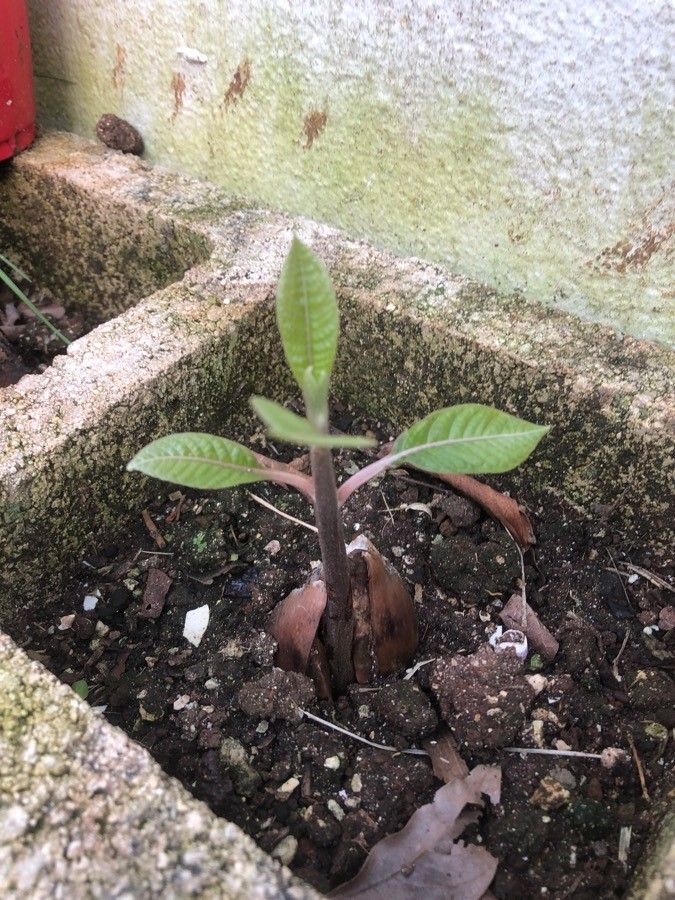
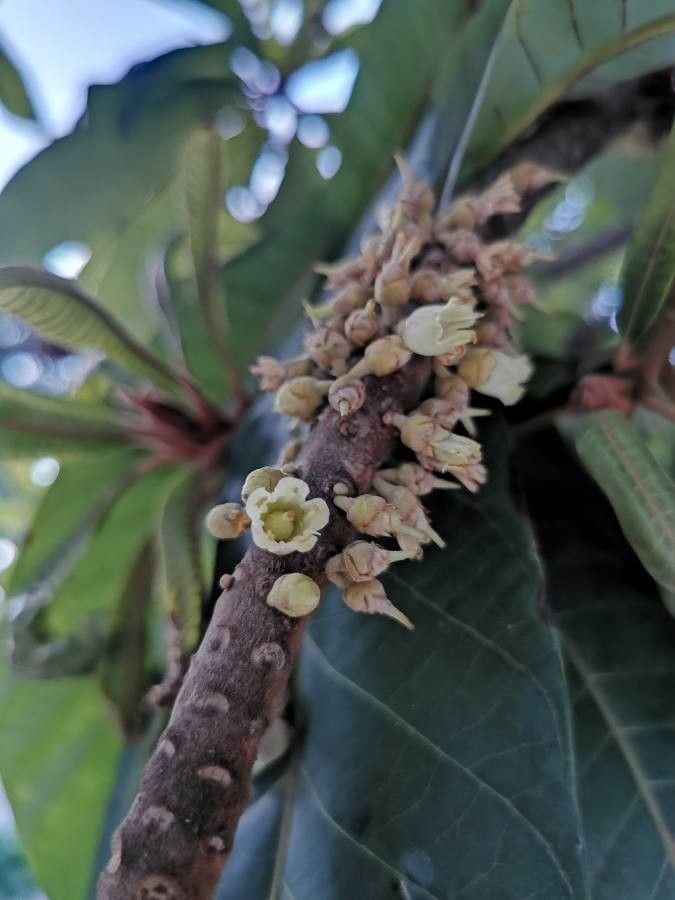
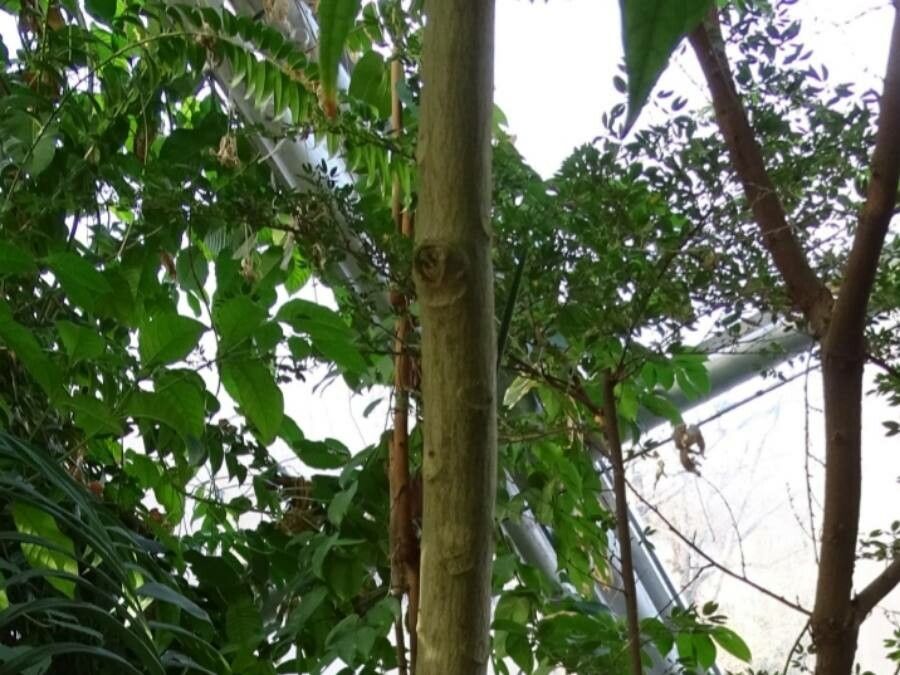
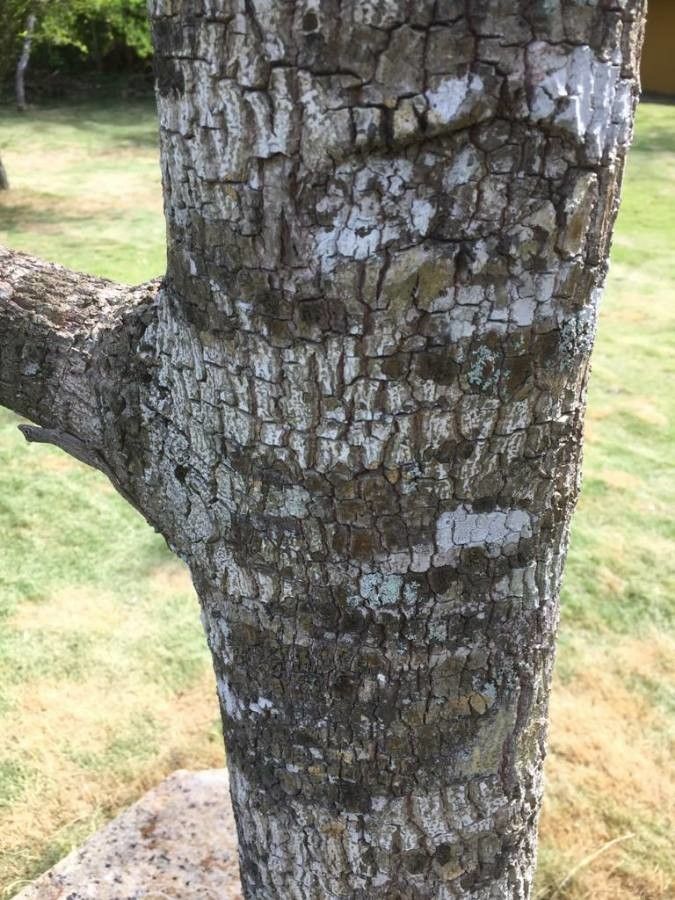
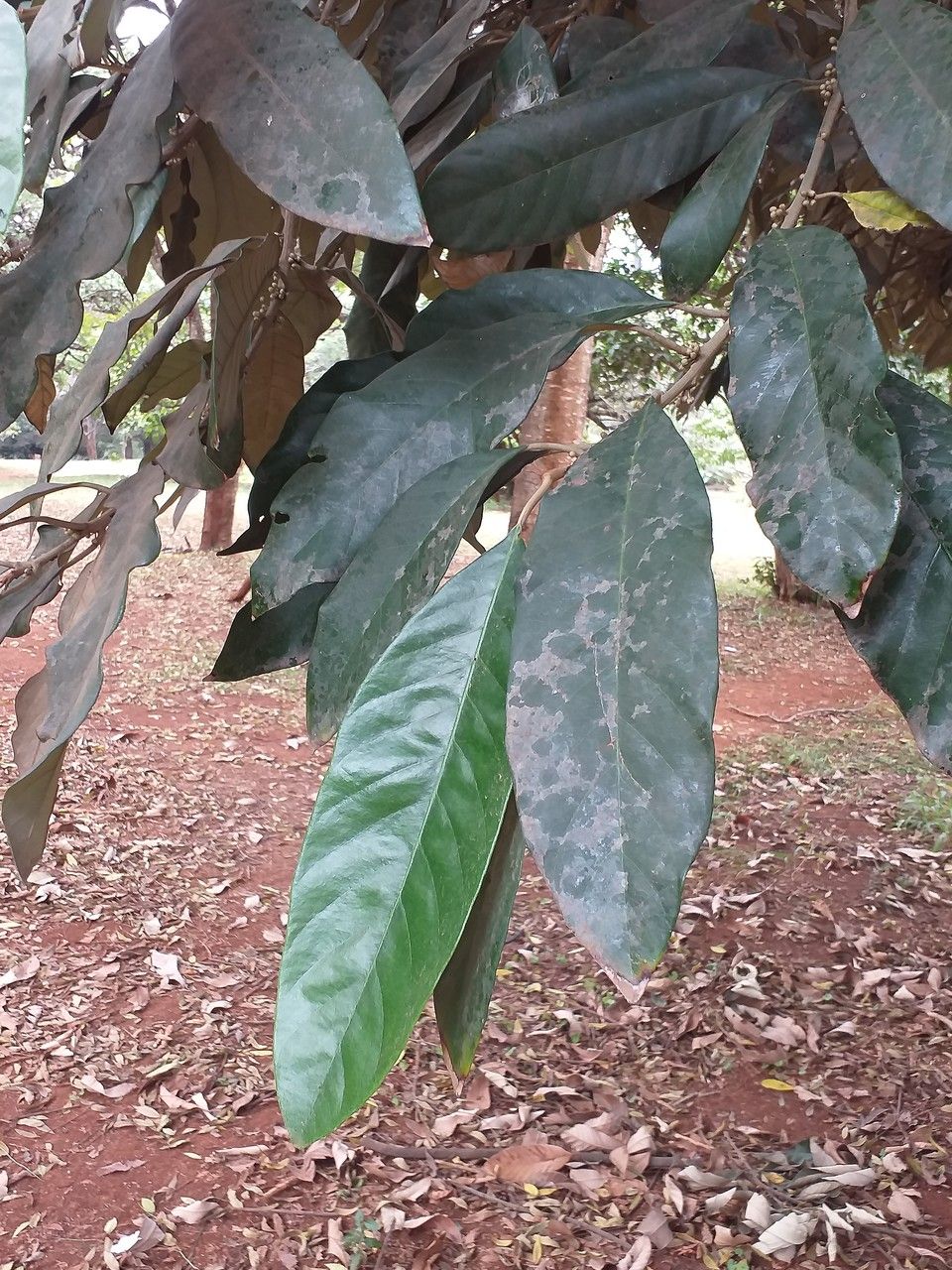
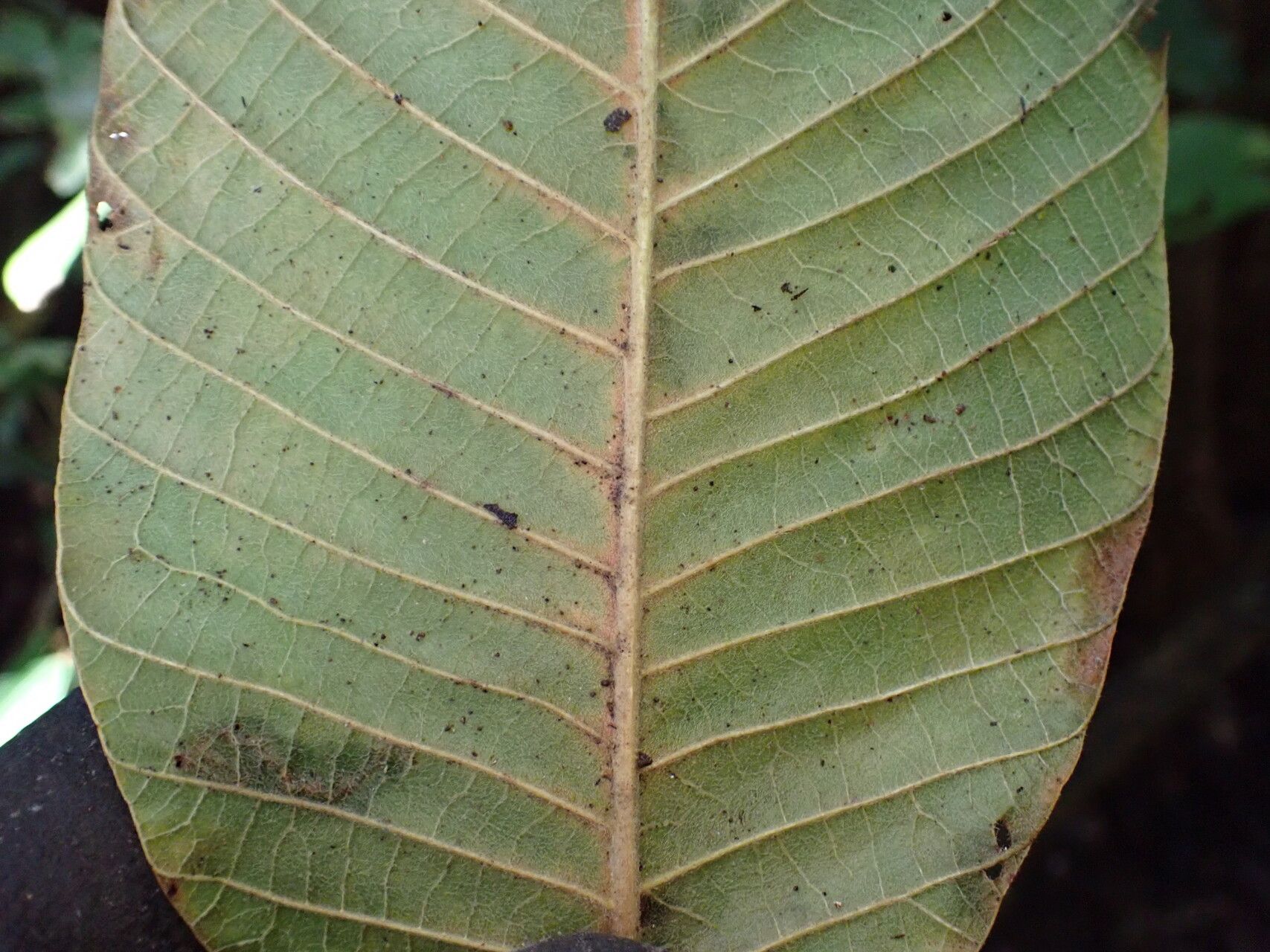
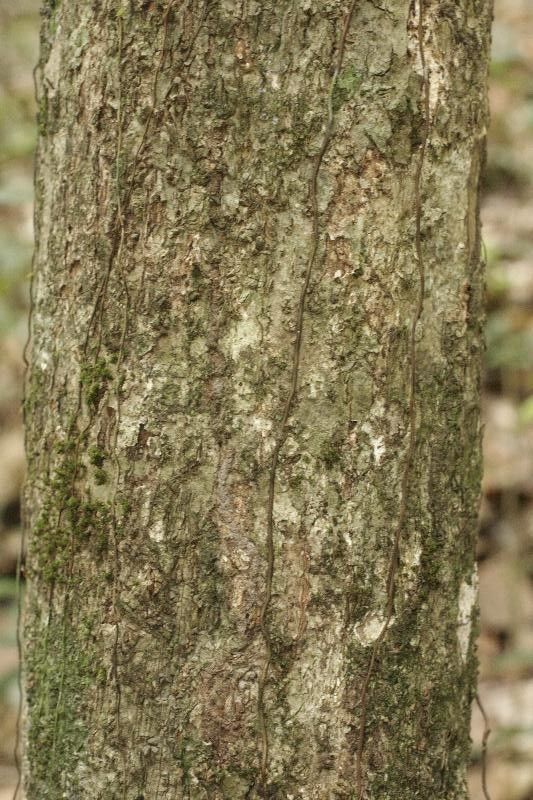
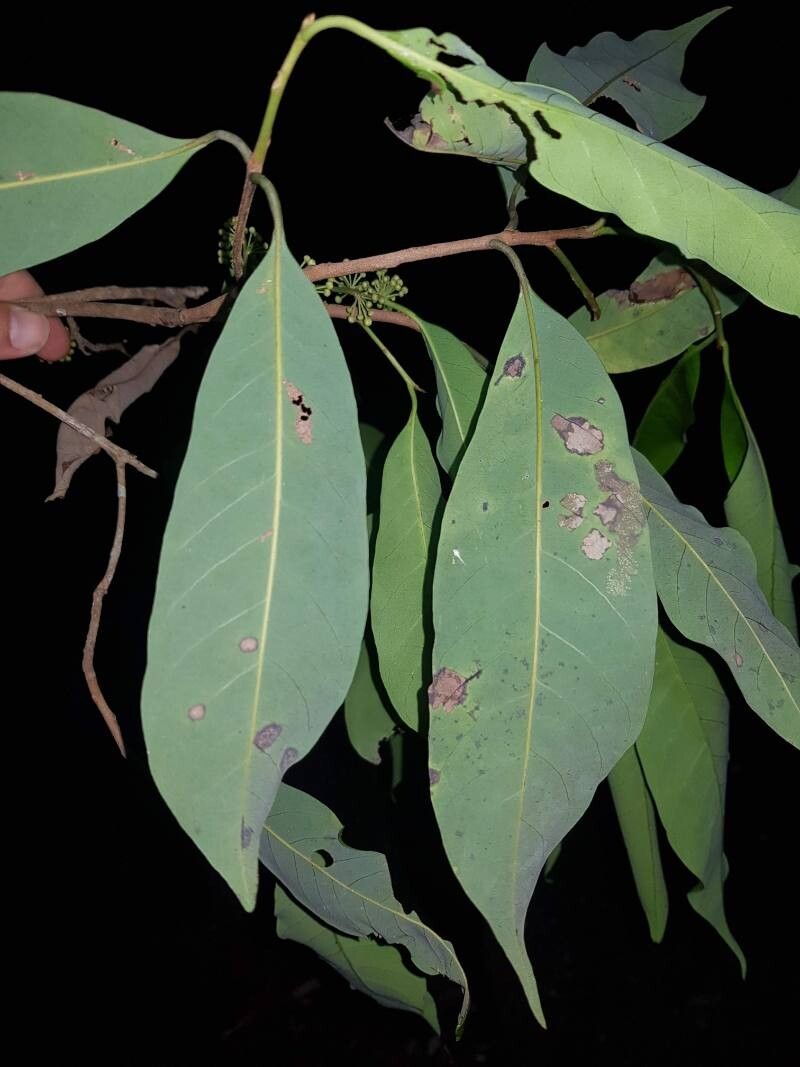
Pouteria sapota, commonly known as mamey sapote, is a tropical fruit tree native to Central America and Mexico. Belonging to the Sapotaceae family, this tree can grow up to 20 meters tall. It features a dense canopy of glossy green leaves that provide ample shade for its fruit.
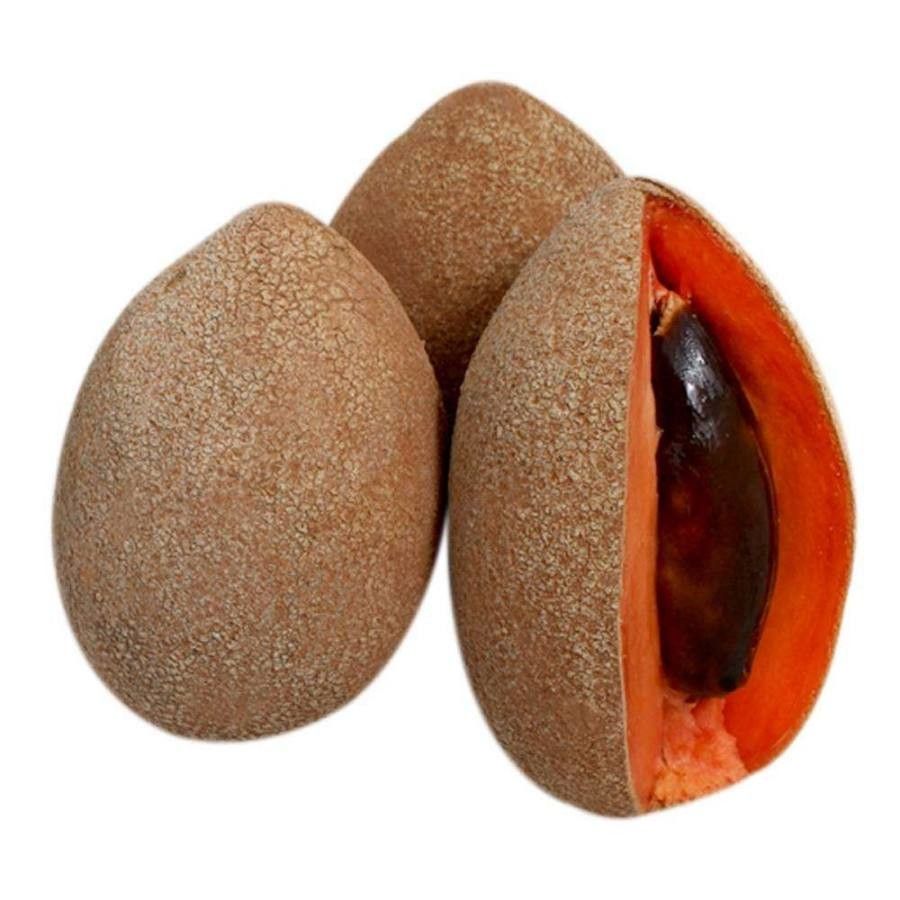
The mamey sapote fruit is oval-shaped and can weigh up to 2 kilograms. It boasts a rough brown skin that encases sweet orange flesh, which has a texture similar to that of an avocado. The flesh contains one or two large seeds at its center.
Highly valued for its sweet flavor and nutritional content, mamey sapote is rich in vitamins A, C, and E, as well as potassium, iron, and fiber. It is commonly eaten fresh or used in desserts such as ice cream and smoothies.
In addition to its culinary uses, Pouteria sapota also offers medicinal benefits, primarily due to its high antioxidant content. These antioxidants help combat free radicals in the body, which can cause cell damage and lead to chronic diseases such as cancer.
Overall, the Pouteria sapota plant serves both culinary and health purposes, making it an important species with significant economic value, especially in Central America, where it is widely grown for commercial export.
Mamey sapote has strong disease resistance and is usually not susceptible to illnesses. In terms of care, this plant is relatively low-maintenance. When grown outdoors it needs minimal watering, and larger plants typically do not require pruning. Smaller plants, however, should be pruned after they have bloomed. Mamey sapote is suitable for anyone with an outdoor space, such as a garden or deck, and does not demand much experience in plant care.
How to keep Pouteria Sapota.
Light
Mamey sapote comes from open habitats, like sunny meadows and forest margins, where there is plenty of light. It does best in Full Sun but can also tolerate Partial Sun, showing good adaptability to different light conditions.
Temperature
Mamey sapote comes from tropical regions, where the climate is usually warm and humid. As a result, it is adapted to high temperatures and humidity. It does not tolerate sudden temperature changes and prefers a stable thermal environment, so it is important to avoid indoor temperature fluctuations. It generally cannot withstand cold and requires relatively high temperatures to grow. If the surrounding temperature falls too low, the plant may stop growing or even die.
Fertilizer
Use organic fertilizers (e.g., fish emulsion or compost) rather than chemical fertilizers for Mamey sapote. Supply young plants with higher levels of nitrogen and phosphorus in spring. Incorporate compost or fertilizer into the soil before or after planting. For mature plants, supplement in spring with a balanced fertilizer or one targeted to specific nutrient deficiencies. Nutrient deficiency causes small leaves, short branches, yellow/bronze leaves, acidic fruits, premature fruit fall, and splitting.
Pruning
Mamey sapote trees, known for their large, brownish-red fruits, should be pruned from early to late winter. When pruning, concentrate on removing dead branches, thinning crowded areas, and shaping the tree to improve air circulation. Pruning at the right time boosts fruit production and encourages vigorous growth in spring, ensuring a healthy plant.
Botanical profile.
- Plant Type
- Tree
- Life Cycle
- Perennial
- Genus
- Pouteria
- Family
- Sapotaceae
- Hardiness Zone
- 9-11
- Mature Height
- 14.94 m
- Mature Spread
- 10.06 m
- Leaf Color
- Green
- Leaf Type
- Evergreen
- Flower Color
- White
- Flower Size
- 0.51 cm to 0.76 cm
- Bloom Time
- All year round
- Planting Time
- Spring, Summer, Autumn
- Harvest Time
- All year round
- Native Area
- Colombia, Belize, Honduras, Mexico, Guatemala, Venezuela, El Salvador, Nicaragua
Other names.
Reader questions.
What is Mamey Sapote?
Mamey Sapote, scientifically known as Pouteria sapota, is a fruit native to parts of Mexico and Central America. It is highly regarded for its unique flavor and nutritional benefits. The fruit is often consumed fresh or used in culinary preparations, including smoothies, desserts, and other dishes.