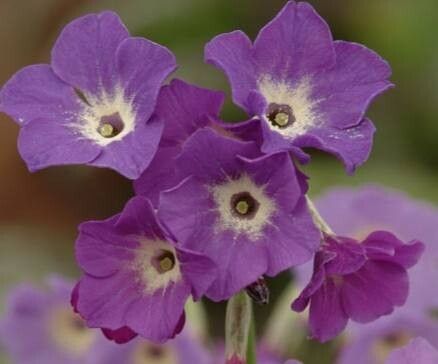
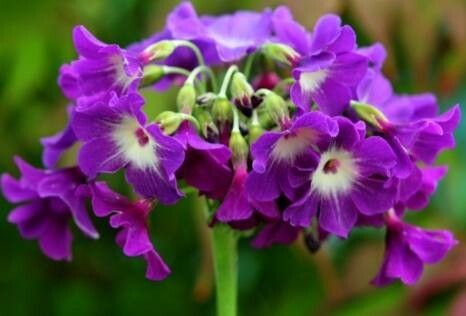
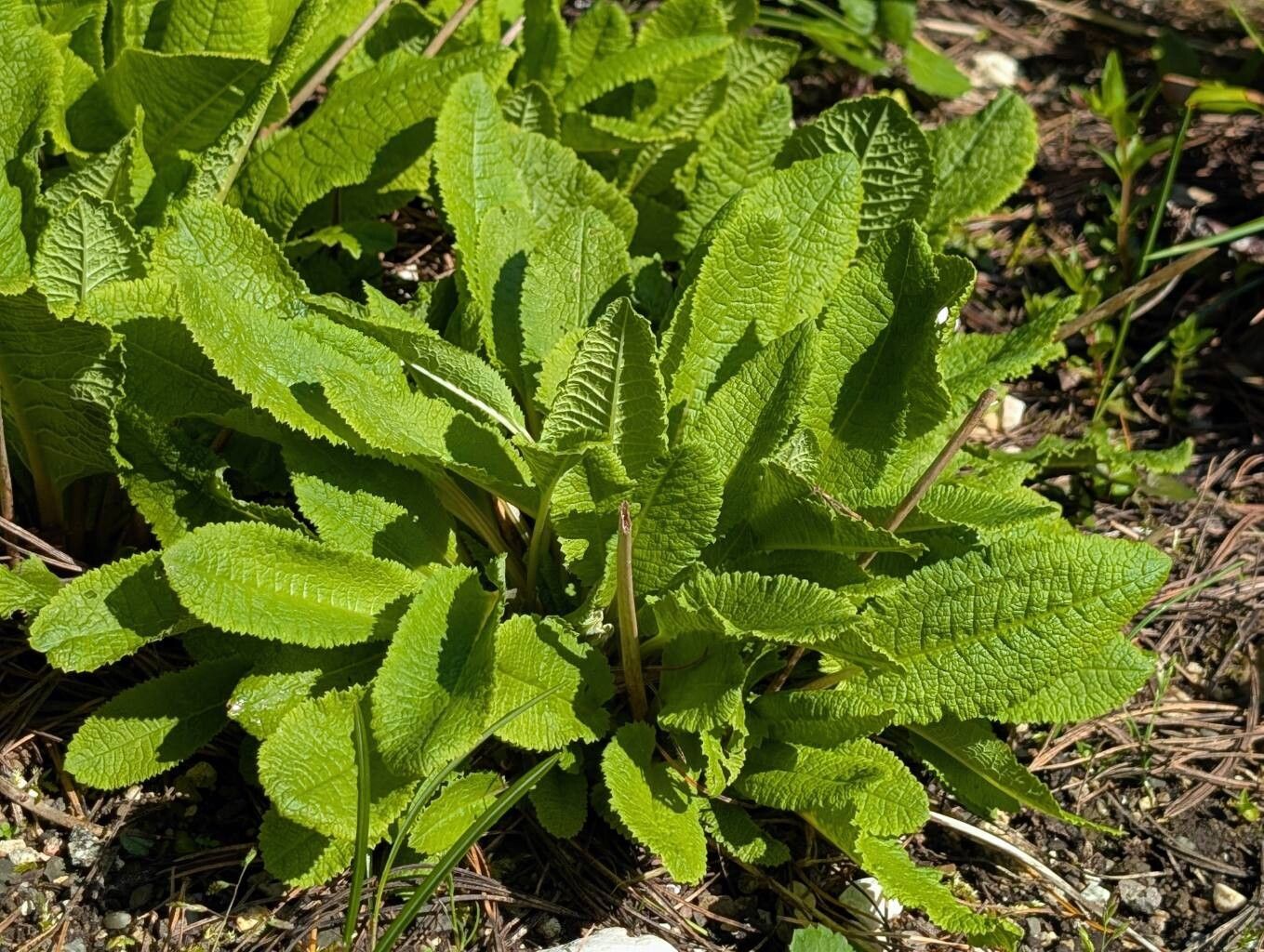
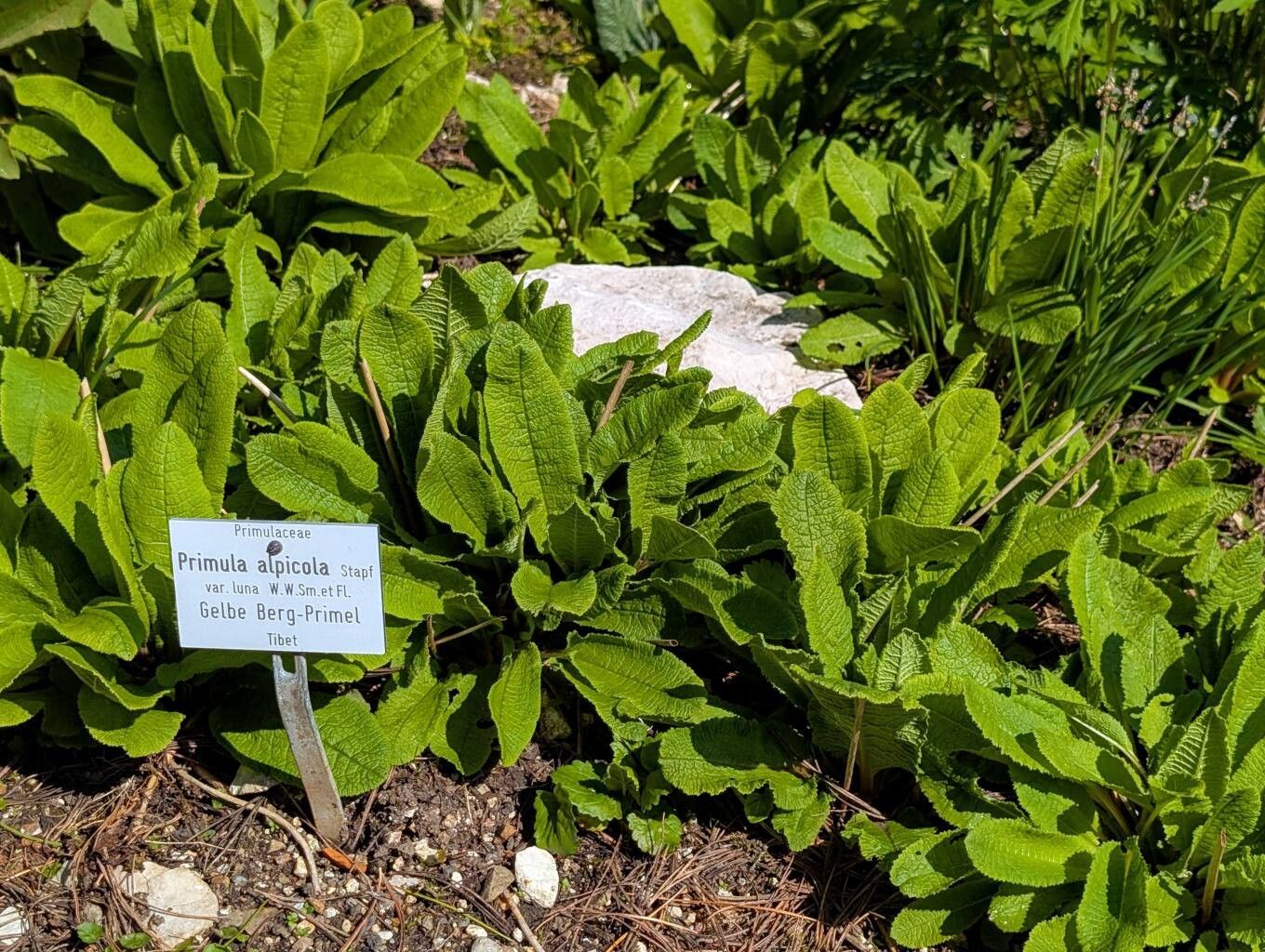
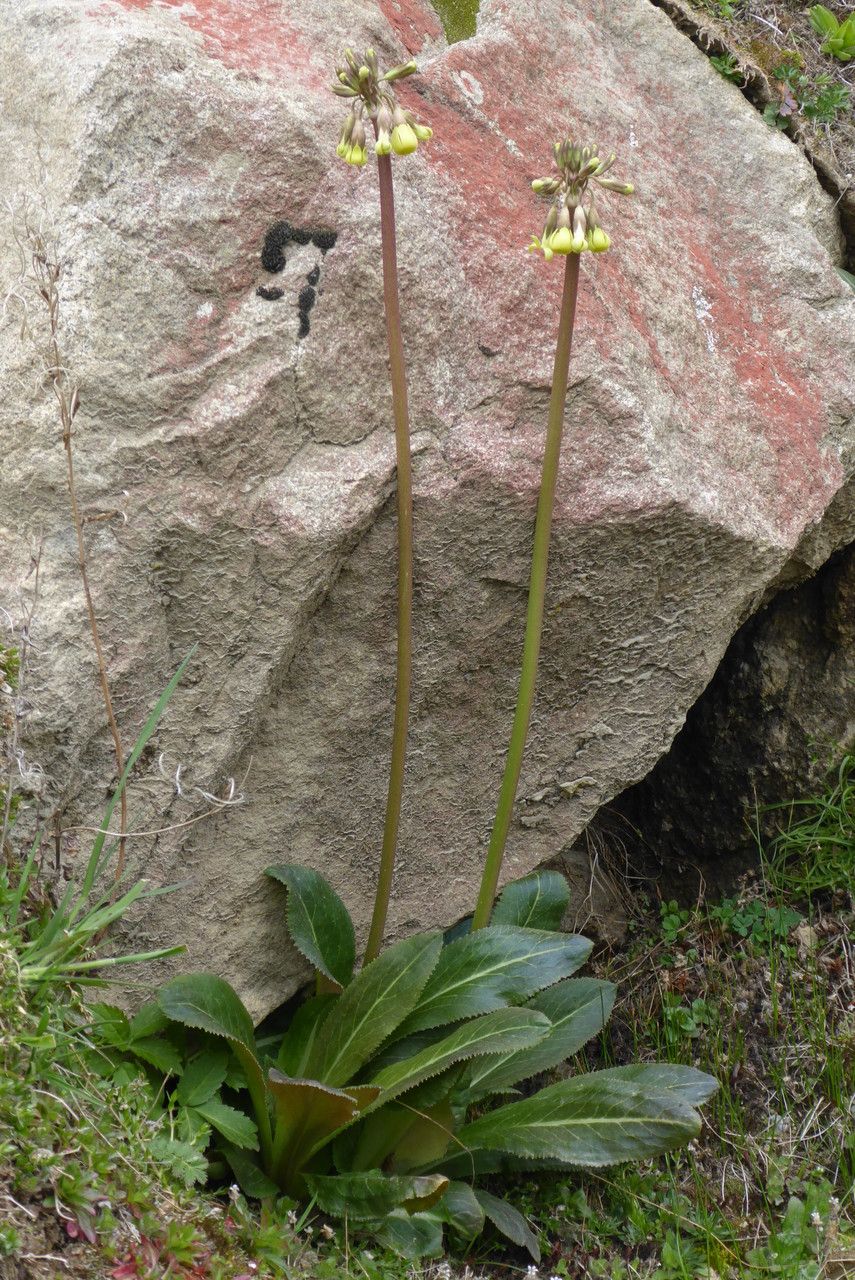
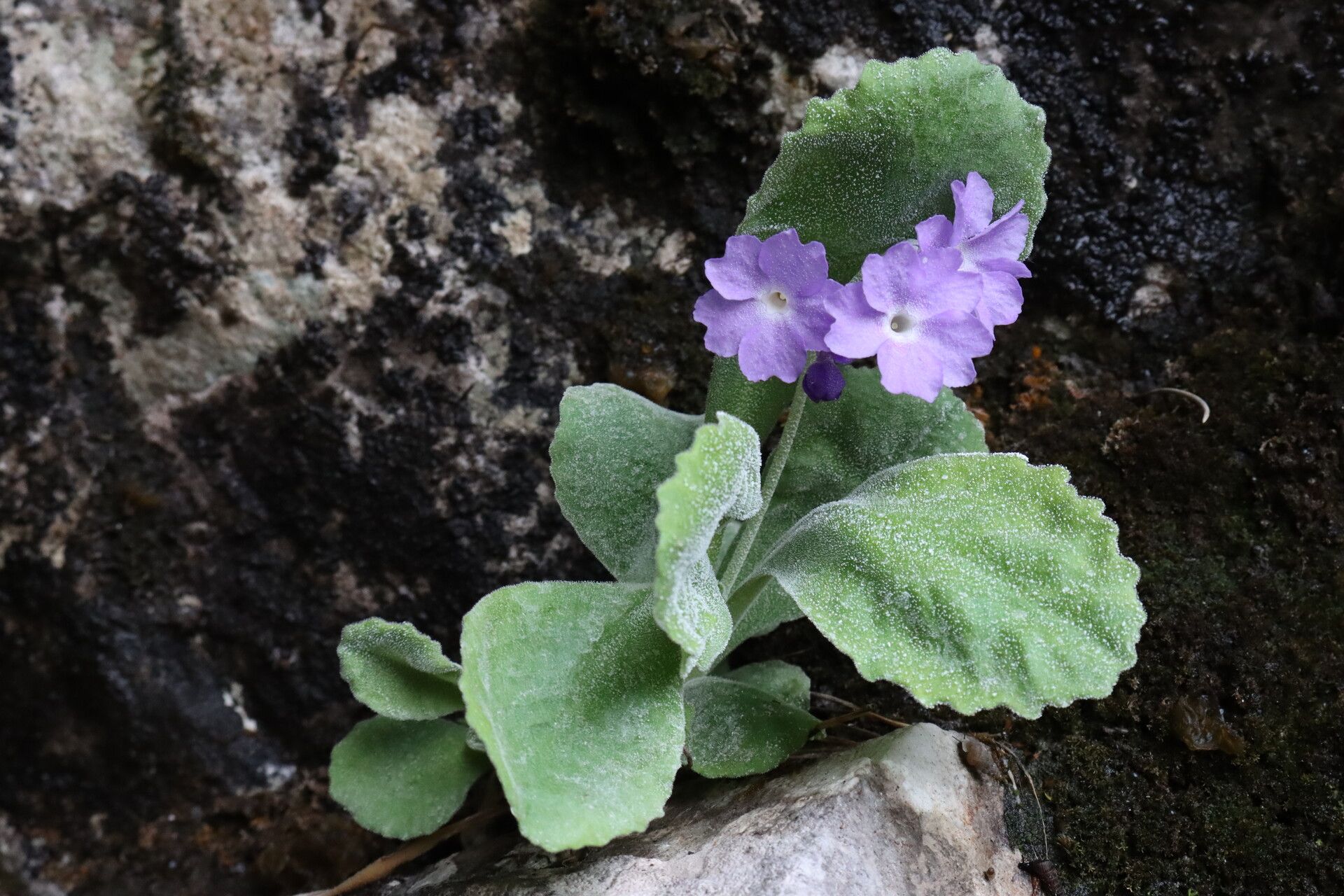
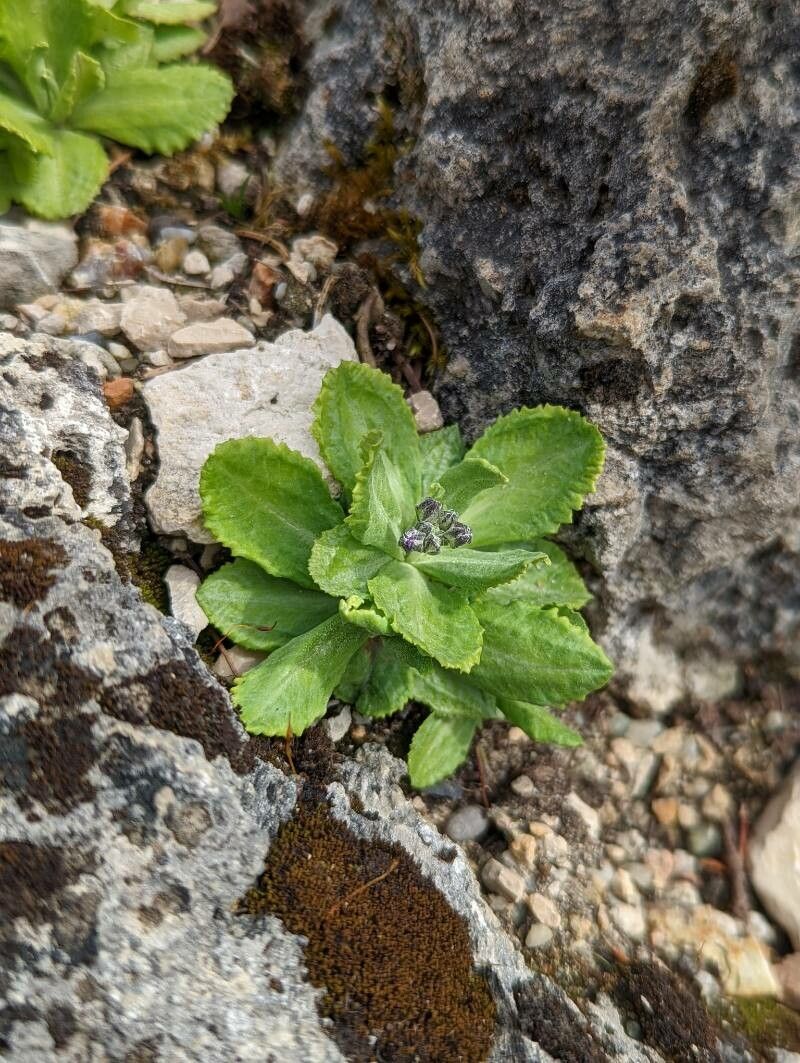
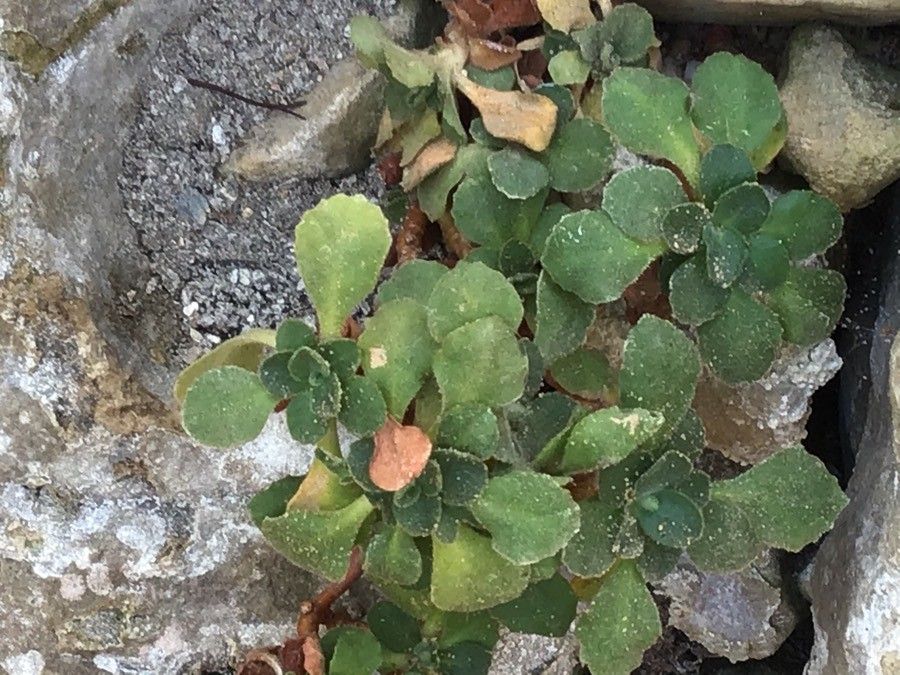
Primula alpicola, the moonlight primrose, is a species of Primula native to Bhutan and southeastern Tibet, where it grows in vast numbers along the Tsangpo valley alongside Primula florindae. Their habitats hardly ever overlap; P. florindae prefers wetter soils close to rivers, giving way to P. alpicola on drier sites.
Moonlight primrose is fairly resistant to disease and generally not prone to illnesses. However, it can be affected by pests and diseases present in its surroundings, and these issues are usually mild. Regarding care, the plant requires moderate maintenance. It should be pruned regularly to keep a good appearance and support healthy growth. Fertilizing can also help encourage flowering. Moonlight primrose is suitable for anyone with outdoor space, such as a garden or patio, and does not demand extensive care experience. It may need more attention when grown indoors.
How to keep Primula Alpicola.
Light
The Moonlight primrose thrives under moderate sunlight, which is vital for its overall wellness, development, and blooming. It comes from habitats with dispersed light, and hence, does well under these settings. Nonetheless, deficiency or overexposure to sunlight can influence its total health, disrupting its regular growth pattern.
Fertilizer
The optimum period to apply fertilizer to a Moonlight primrose is during the early spring, as it rouses from dormancy and begins to actively grow. Fertilization offers essential nutrients for sound growth. Even though the fertilization requirements of Moonlight primrose are fairly minimal, fertilizing it yearly can boost its longevity and encourage more vibrant, enduring blooms.
Botanical profile.
- Plant Type
- Herb
- Life Cycle
- Perennial
- Genus
- Primula
- Family
- Primulaceae
- Hardiness Zone
- 4-8
- Mature Height
- 49 cm
- Mature Spread
- 30 cm
- Leaf Color
- Green
- Leaf Type
- Deciduous
- Flower Color
- Yellow, White
- Flower Size
- 2.03 cm to 3.05 cm
- Bloom Time
- Late spring, Early summer
- Planting Time
- Spring
- Harvest Time
- Mid summer, Late summer
- Native Area
- Bhutan, China
Other names.