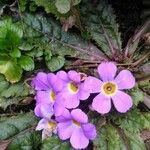
Primula angustifolia
Alpine Primrose
Description
Source: leafsnapPrimula angustifolia, also known as alpine primrose, is a species of flowering plant in the family Primulaceae, native to the Rocky Mountains of the United States. It is commonly found in Colorado and New Mexico.
Care Guide
💧 Water
To help alpine primrose flourish and display its beautiful flowers, it's important to water them generously. In warmer climates, water the plants daily or every other day, making sure the soil stays moist. If you're growing alpine primrose in pots, be careful not to overwater, as this can lead to root rot. Instead, water the plant when the top layer of soil feels dry.
☀️ Light Partial sun
Alpine primrose originates from habitats like forest understories and rocky areas, where it grows in natural shade. It prefers partial sun but can tolerate full sun or full shade, showing its versatility and hardiness.
What are the sun requirements for Alpine Primrose (Primula angustifolia)?
The Alpine Primrose (Primula angustifolia) thrives under specific sunlight conditions to ensure its well-being. Full sun exposure, which means the plant should receive above 6 hours of direct sunlight daily, is essential for its growth. However, it can also tolerate partial sun, getting about 3-6 hours of sunlight. It's important to observe how sunlight moves through your garden throughout the day. This knowledge will assist you in choosing the optimal location that maintains the right balance of light and shade, fostering the plant's health and happiness.
🌡️ Temperature 0–32.2°C
💨 Humidity
🪴 Soil 6-7
🌱 Fertilizer
For Alpine primrose, the best time to fertilize is in early spring as the flowers begin to form. Using the correct fertilizer promotes improved blooms and helps Alpine primrose produce attractive flowers. Fertilizing in early spring guarantees excellent flowers throughout the season and supplies energy for dormant growth phases.
🪴 Pot & Repot
✂️ Pruning
The Alpine primrose is a compact plant known for its vibrant blooms. For best results, prune it in early spring. Remove any dead stems and damaged leaves to keep the plant healthy and promote strong flowering. Always use clean, sharp tools to prevent the spread of disease, and be careful not to over-prune, as this can disturb the plant's natural shape.
🌿 Propagating
🐛 Diseases & pets
☠️ Toxicity
Characteristics
- Plant Type
- Herb
- Life Cycle
- Perennial
- Genus
- Primula
- Family
- Primulaceae
- Hardiness Zone
- 3-7
- Mature Height
- 0 cm to 30 cm
- Mature Spread
- 5 cm to 10 cm
- Leaf Color
- Green, Dark Green
- Leaf Type
- Deciduous
- Flower Color
- Lavender
- Flower Size
- 1.02 cm to 2.03 cm
- Bloom Time
- Early spring, Mid spring
- Planting Time
- Spring
- Harvest Time
- Late spring, Early summer