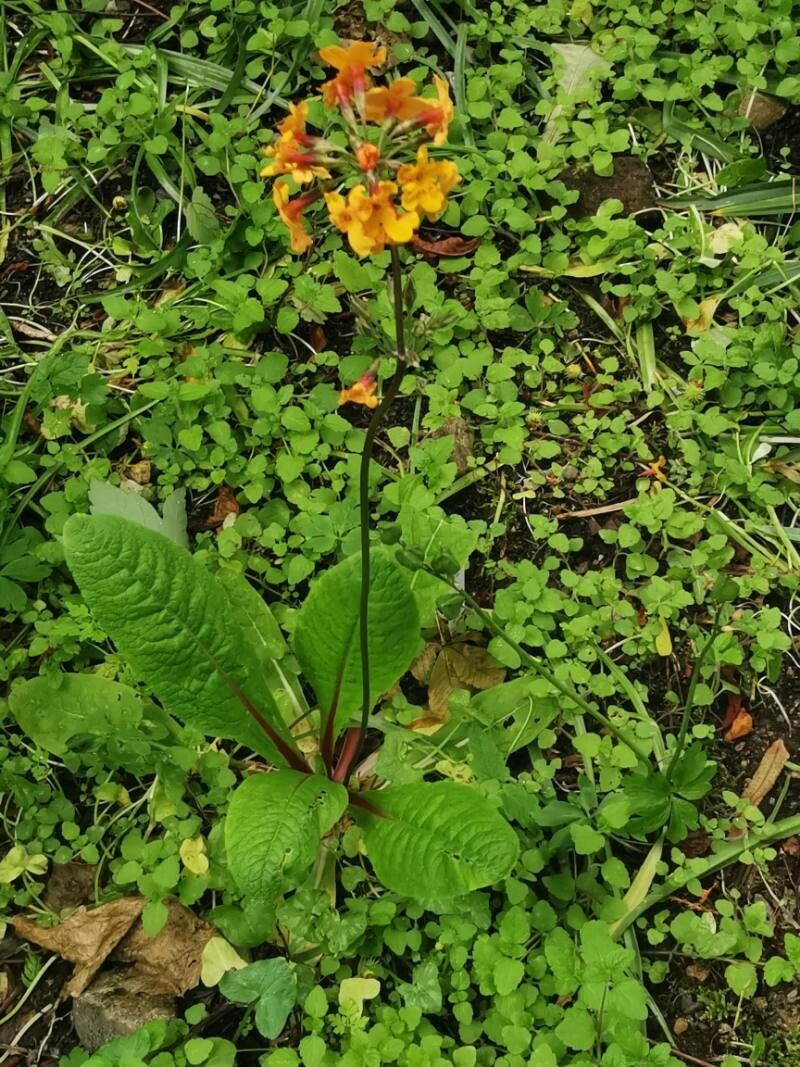
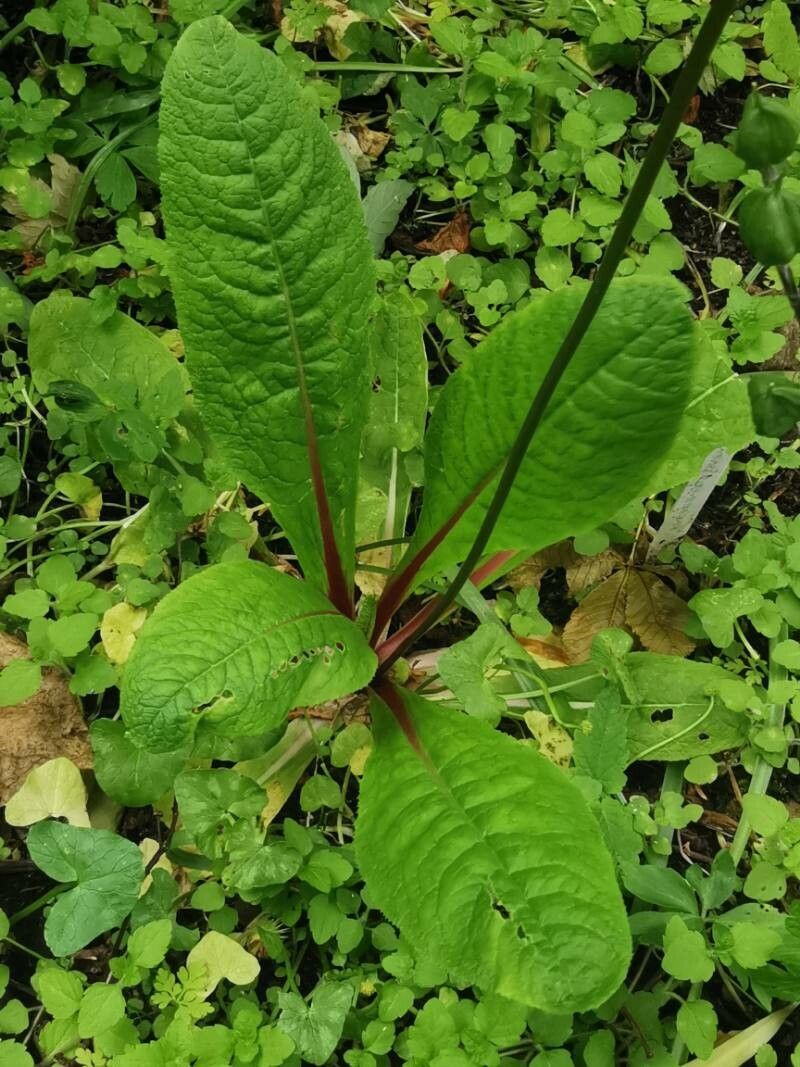
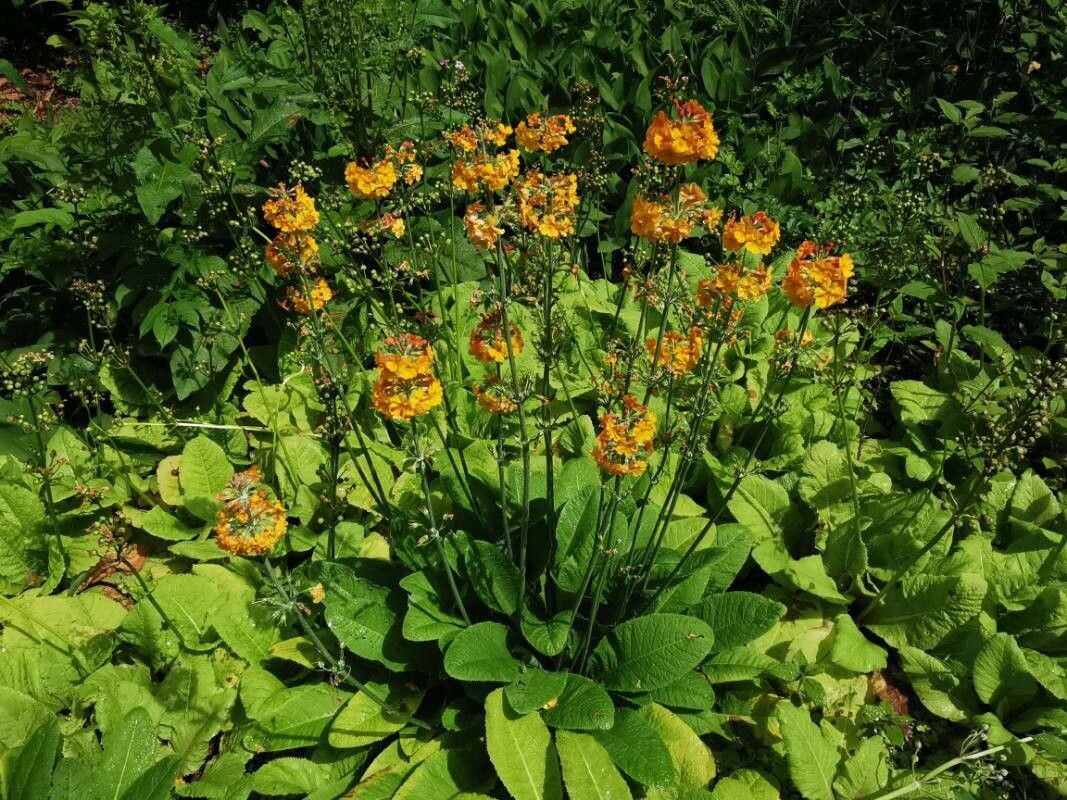
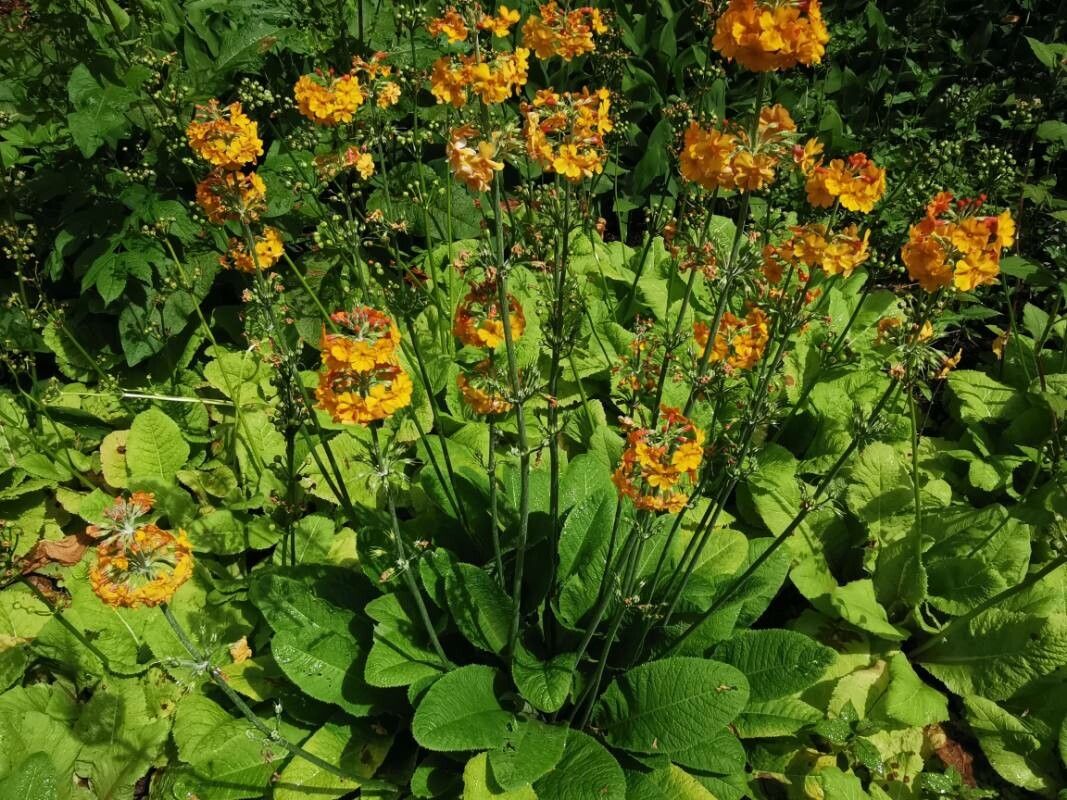
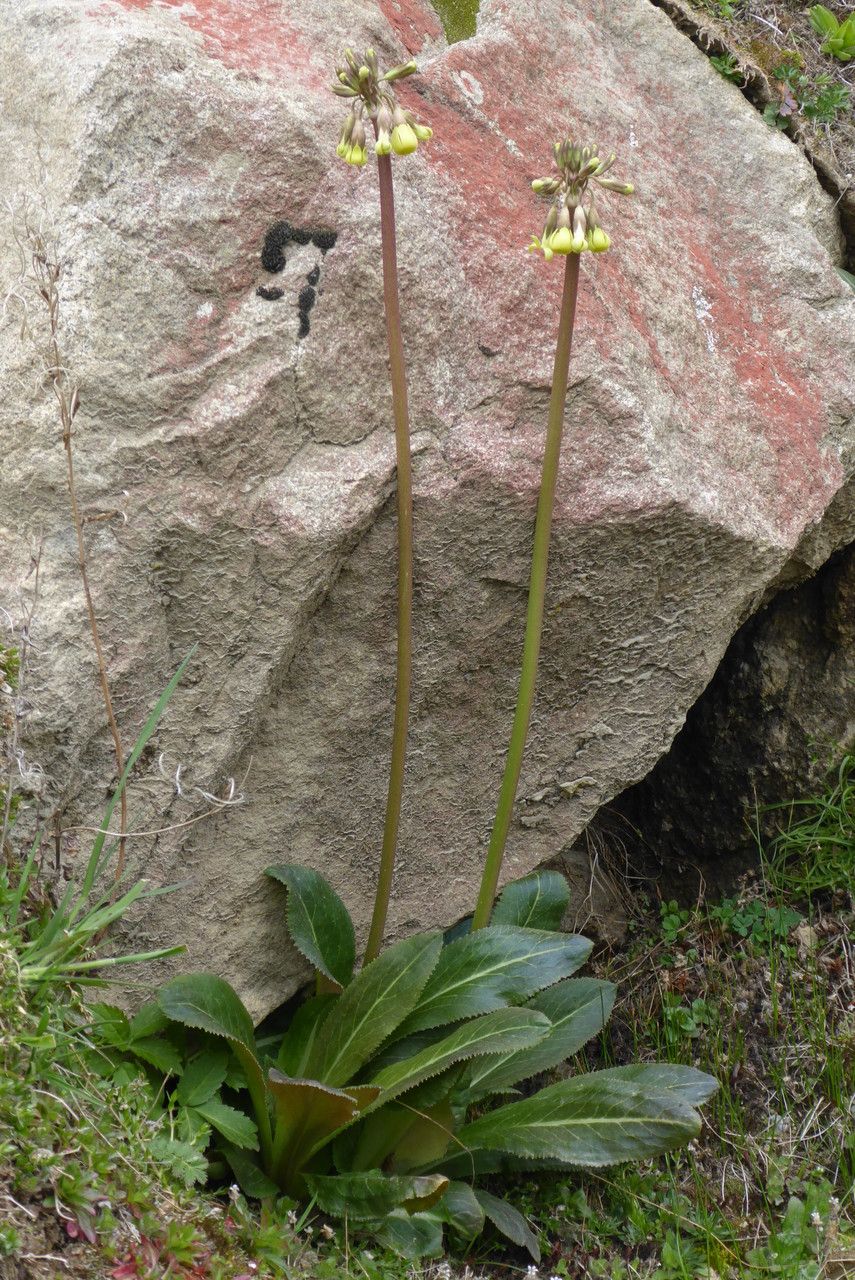
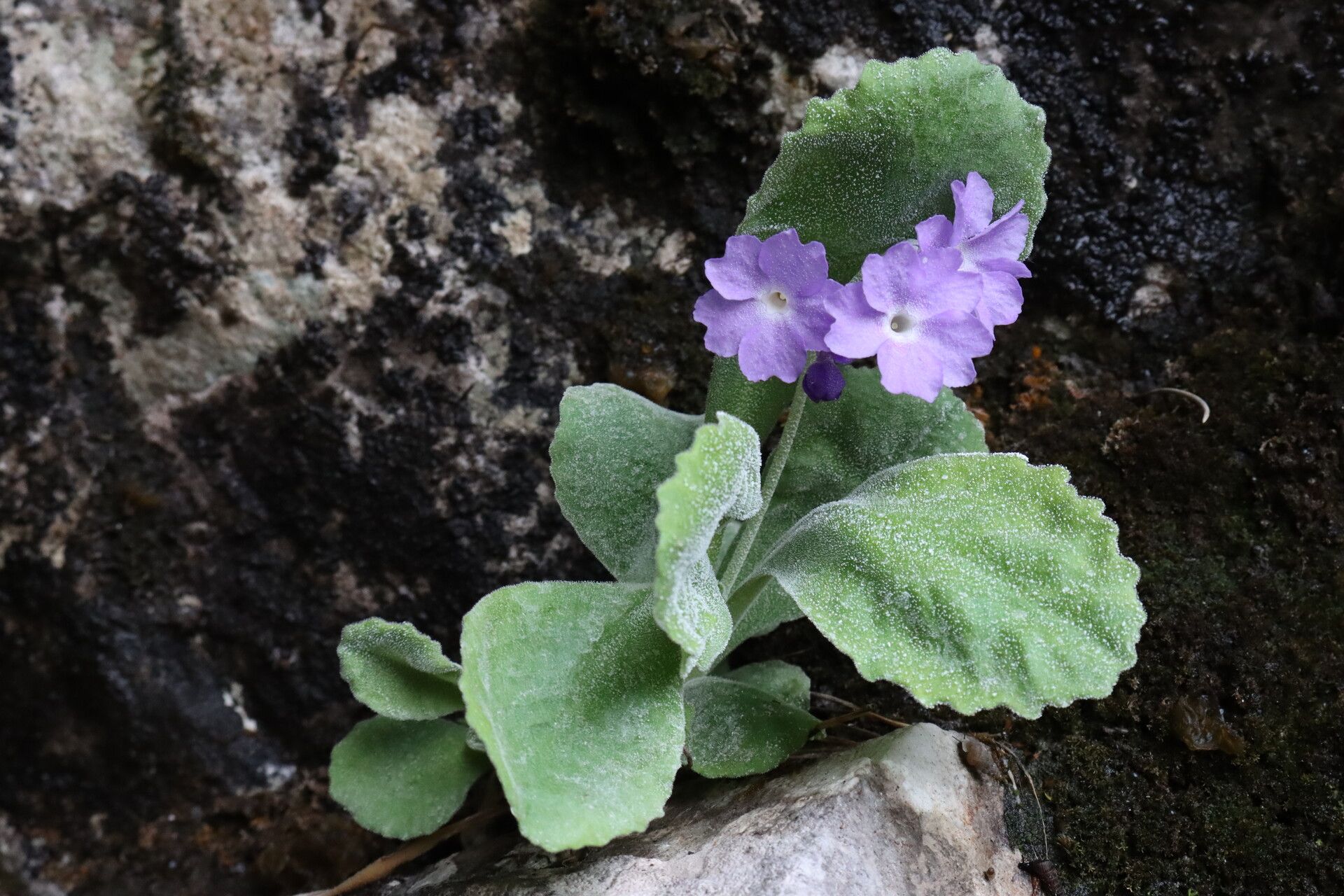
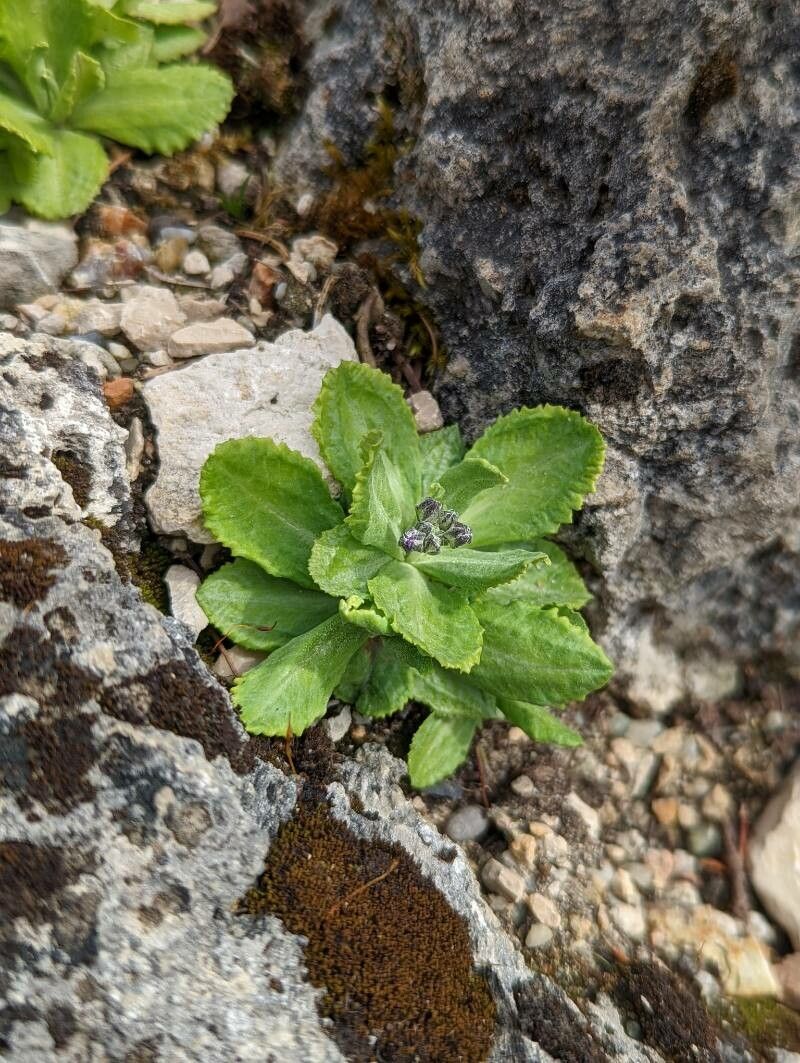
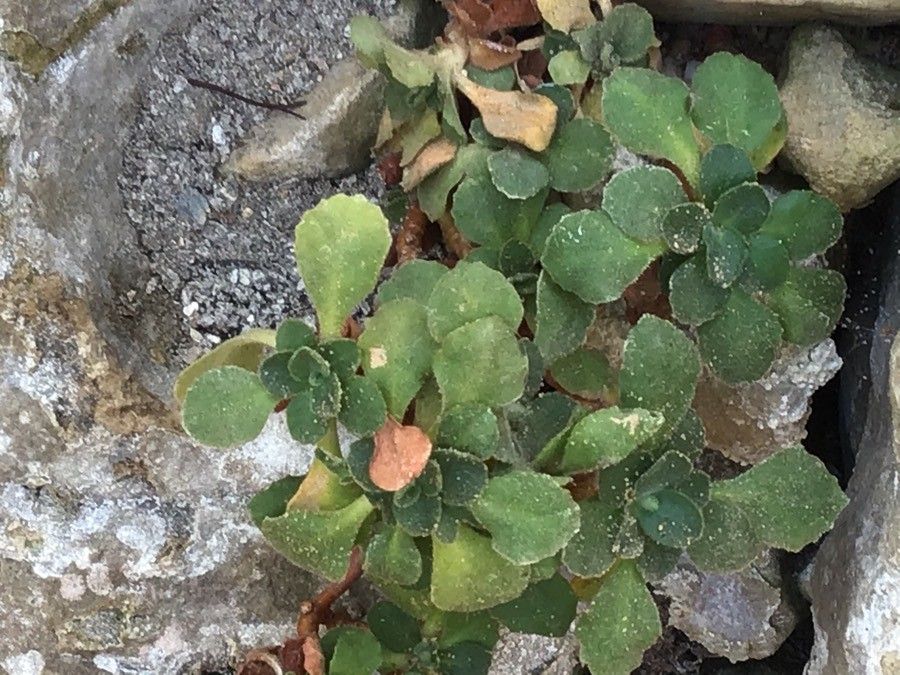
Primula bulleyana is a species of flowering plant in the family Primulaceae, native to hillsides in China.
Bulley’s primrose is fairly resistant to disease and is generally unlikely to develop illnesses. However, it can still be affected by pests and diseases present in its environment. These problems are typically not serious. In terms of care, the plant requires a moderate level of attention. It should be pruned regularly to keep a pleasant appearance and support healthy growth. Fertilizing can also help encourage flowering. Bulley’s primrose is well suited for anyone with outdoor space such as a garden or patio and does not demand extensive care experience. When grown indoors, it may need more attentive care.
How to keep Primula Bulleyana.
Light
Bulley's primrose prefers moderate sunlight but is sturdy enough to endure stronger sun. Native to places with filtered light, excessive exposure can cause the plant to dry out, while too little light can impede its growth.
Water
Bulley's primrose flourishes in moist environments and requires watering once a week for optimal growth. Although it prefers consistently damp soil, it can withstand short periods of drought. Rainwater is particularly beneficial, as it complements the plant's natural watering pattern and promotes lush foliage and vibrant blooms.
Temperature
Bulley's primrose is native to regions where temperatures range from 41 to 89.6 °F (5 to 32 ℃). The plant prefers moderate temperatures and may need seasonal adjustments to ensure healthy growth.
Fertilizer
Early spring, as Bulley's primrose comes out of dormancy and begins active growth, is the best time to fertilize it. Fertilization supplies the essential nutrients required for healthy growth. Although Bulley's primrose has relatively low fertilizer needs, applying fertilizer annually can improve its survival and encourage better, longer-lasting flowers.
Pruning
Bulley's primrose boasts vibrant blooms and forms a charming rosette. It requires minimal pruning. To care for this plant, prune from late winter to early spring. During this time, remove any dead leaves and cut away spent stems to encourage new growth and prevent self-seeding. Light trimming helps maintain the plant's shape and health, while avoiding the need for heavy pruning.
Botanical profile.
- Plant Type
- Herb
- Life Cycle
- Perennial
- Genus
- Primula
- Family
- Primulaceae
- Hardiness Zone
- 5-8
- Mature Height
- 61 cm
- Mature Spread
- 20 cm
- Leaf Color
- Green
- Leaf Type
- Evergreen, Semi-evergreen, Deciduous
- Flower Color
- Orange, Red
- Flower Size
- 2.54 cm
- Bloom Time
- Late spring, Early summer, Mid summer
- Planting Time
- Autumn, Winter, Spring
- Harvest Time
- Late summer, Early fall
Other names.
Reader questions.
How should I water my Bulley's primrose to keep it healthy?
When watering the Bulley's primrose, it is best to use filtered water at room temperature. Tap water may contain harmful particles, so filtered water is preferred. The Bulley's primrose is accustomed to a warm environment, so using cold water can be a shock to its system. Additionally, avoid overhead watering as it can cause problems with the foliage. Instead, water the plant by applying filtered room temperature water directly to the soil until it is completely soaked. This helps moisten the roots and supports their growth and nutrient absorption.
Why should I add fertilizer to my Bulley's primrose?
Fertilization is important for the Bulley's primrose because it provides key nutrients for the plant's growth. While the overall fertilization needs for this plant are relatively low, annual fertilization can be highly beneficial. It helps the plant survive and can also result in better and longer-lasting flowers. Therefore, those who want their Bulley's primrose to thrive should remember to fertilize it annually.
What are the sunlight requirements for Bulley's primrose?
Bulley's primrose needs moderate sun exposure but can withstand more intensive sun conditions. Originating from regions of dappled sunlight, it is crucial to provide the right balance to avoid drying out from overexposure or stunted growth due to insufficient light. Watch how sunlight moves through your garden, selecting spots that ensure a good mix of light and shade for plant health. The plant thrives in partial sun (3-6 hours of sunlight) and full sun (above 6 hours of sunlight).
What is the ideal temperature range for Bulley's primrose?
Bulley's primrose thrives in environments with a temperature range of 41 to 89.6 °F (5 to 32 °C), preferring mild temperatures for its healthy growth. The plant has strong cold resistance, meaning special frost protection measures are usually not necessary during winter. However, if winter temperatures are expected to drop below -25°C, it is essential to provide cold protection by covering the plant with materials like soil or straw. Additionally, watering the plant abundantly before the first freeze in autumn helps to ensure the soil remains moist and enters a frozen state, which helps to prevent drought and water scarcity during winter and early spring.
What should I do if I give too much or too little water to my Bulley's primrose?
Overwatering and underwatering can harm your Bulley's primrose, but overwatering is more commonly an issue. When this plant gets too much water, its stems and leaves may wilt and turn yellow. Long-term overwatering can also lead to diseases like root rot, mold, and mildew, which can kill the plant. Underwatering is less likely for the Bulley's primrose because it tolerates drought fairly well. However, it's still a possibility and can cause brittle, brown leaves. It's important to spot signs of overwatering early when caring for your Bulley's primrose. Some diseases caused by overwatering, like root rot, may not be fixable if you wait too long. If you notice early signs, reduce watering immediately. Also, check the soil quality. If it drains poorly, replace it with a loose, well-draining potting mix. If your Bulley's primrose seems to lack water, simply water more regularly until the signs disappear.
When should I fertilize my Bulley's primrose plant?
The best time to fertilize a Bulley's primrose is in the late winter to early spring. This is when the plant is coming out of its dormant phase and starting to grow. Fertilizing at this time promotes healthy growth and sets the plant up for a successful season. While early spring is the most beneficial time to fertilize, it is also acceptable to do so in the fall. However, it is not recommended to fertilize the plant during the summer or winter seasons.
How does artificial lighting affect Bulley's primrose indoor growth?
Indoor Bulley's primrose plants require adequate lighting to grow optimally, especially when natural sunlight is insufficient, like in winter or less sunny spaces. Artificial lights, particularly LED lights set to provide specific wavelengths, can greatly promote healthier growth. For indoor plants: full sun plants should receive 30-50W/sq ft, partial sun plants 20-30W/sq ft, and full shade plants 10-20W/sq ft of artificial light. The light source should be positioned 12-36 inches above the plant to mimic natural sunlight, ensuring the plant receives 8-12 hours of light per day.
How does Bulley's primrose react to low temperatures?
Bulley's primrose is cold-tolerant and thrives best when the temperature is above 5°C. It should be kept above -20°C during winter. If temperatures fall below -25°C, while there may not be any noticeable changes during the winter, there might be a decrease in sprouting or even no sprouting at all come springtime. The recommended solution for this situation in the spring is to remove any parts of the plant that have failed to sprout.
How much water does my Bulley's primrose need?
If your Bulley's primrose is in a pot, the best way to determine if it needs watering is by checking the moisture of the soil. Stick your finger into the soil and if the top two to three inches are dry, it's time to water it. If you have planted the Bulley's primrose outdoors in the ground, you can use a similar method to test the soil's moisture. When the top few inches of soil have dried out, it's time to give it some water. Typically, during spring and early fall, you should water this plant about once a week using this method. However, in extremely hot weather, you may need to increase watering to twice or more per week. It's important to note that mature, well-established Bulley's primrose plants have a remarkable ability to withstand drought.
When is it not a good idea to fertilize my Bulley's primrose?
To properly care for your Bulley's primrose, it is best to fertilize only during late winter and early spring. This plant does not require frequent feeding, as one annual feeding is sufficient. Overfertilizing during spring, summer, and fall can lead to issues, unless you missed fertilizing in spring, then it's okay to feed in fall. Additionally, avoid fertilizing during winter when the plant is dormant and not actively growing.
What are the symptoms of light deficiency in Bulley's primrose?
Light deficiency in Bulley's primrose can manifest through several symptoms, including smaller new leaves, leggy or sparse growth, faster leaf drop, slower or halted growth, and paler new leaves. Excessive sunlight can cause chlorosis (leaves turning yellow due to chlorophyll breakdown), sunscald (damaged plant tissue from intense exposure), leaf curling, wilting, and leaf scorching. Monitoring these symptoms helps in understanding the plant's needs and adjusting its exposure to light accordingly.
What should be done if Bulley's primrose experiences high temperatures?
During summer, it's essential to ensure that the temperature surrounding Bulley's primrose stays below 32°C. When the temperature exceeds 35°C, the leaves may become lighter in color, prone to curling, susceptible to sunburn, and in severe cases, the entire plant may wilt and dry up. To mitigate these issues, trim away the sunburned and dried-up parts of the plant. Moving the plant to a location with shade during the midday and afternoon sun or using a shade cloth can protect it from further damage. Additionally, watering the plant in the morning and evening helps keep the soil moist and supports the plant's health.