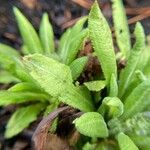
Primula denticulata
Drumstick primula · Drumstick Primrose · Garden Primrose
Description
Source: leafsnapPrimula denticulata, commonly known as the drumstick primrose, is a herbaceous perennial plant belonging to the Primulaceae family. Native to the Himalayas, it thrives in alpine meadows and rocky slopes at elevations of up to 4,000 meters. The plant forms a rosette of dark green basal leaves with a wrinkled texture. These oval-shaped leaves, featuring toothed edges, can grow up to 20 cm long. From late spring through early summer, the drumstick primrose produces clusters of spherical flowers atop tall stems that can reach up to 30 cm in height. The flowers, typically pink or purple, may also appear in white or red varieties depending on the cultivar. Each flower has five petals that form a tube-like shape with yellow centers. The drumstick primrose prefers moist soil conditions but can tolerate some drought once established. Commonly grown as an ornamental plant, the drumstick primrose is valued for its attractive flowers and foliage, making it popular in rock gardens or as border plants. Additionally, it has medicinal properties and has been traditionally used to treat respiratory ailments such as coughs, colds, asthma, and bronchitis, among others. Overall, Primula denticulata is an appealing perennial plant known for its beautiful spherical clusters of pink-purple flowers. It makes an excellent addition to any garden setting while also offering medicinal benefits when used appropriately by herbalists or traditional healers.
Care Guide
💧 Water Every 7 days
Drumstick primula, native to moist alpine regions, flourishes in high humidity and consistently damp environments. As an herbaceous perennial, it prefers evenly moist soil and benefits from weekly watering, making it well-suited for outdoor cultivation during the growing season.
How should I water my Drumstick primula plant?
To properly water the Drumstick primula, it's best to use filtered water at room temperature. Tap water may have harmful particles, so filtering it is preferable. The plant comes from a warm environment, so the water should not be cold as it can be a shock. It's important to avoid overhead watering as it can cause issues with the foliage. Instead, thoroughly soak the soil with your filtered room temperature water. This helps moisten the roots, aiding their spread in the soil and nutrient absorption.
What should I do if I give my Drumstick primula too much or too little water?
Overwatering and underwatering can both harm your Drumstick primula, but overwatering is a more common issue. When this happens, the stems and leaves may wilt and turn yellow. Overwatering for a long time can also lead to diseases like root rot, mold, and mildew, which can kill the plant. Underwatering is less likely for the Drumstick primula because it can tolerate some drought. However, it can still happen, and the leaves may become brittle and brown. It's important to recognize the signs of overwatering early when caring for your Drumstick primula. Some diseases caused by overwatering, like root rot, may not be fixable if left untreated for too long. If you notice early signs, reduce watering immediately and check the soil quality. If the soil doesn't drain well, replace it with loose, well-draining potting mix. If signs of underwatering are present, simply water more regularly until the signs subside.
How frequently should I water my Drumstick primula?
If your Drumstick primula is in a pot, the best way to determine if it needs water is by checking the soil with your finger. If the top few inches of soil are dry, it's time to water. The same method can be used if you're growing the plant in the ground. During spring and early fall, watering once a week is usually sufficient. In very hot weather, you may need to water twice a week or more. However, mature and well-established Drumstick primulas are quite resilient and can tolerate dry conditions.
How much water does my Drumstick primula require?
To properly water your Drumstick primula, don't be hesitant to give it a generous amount of water. Make sure the top two to three inches of soil are dry before watering. It's best to thoroughly soak the soil, ensuring that the excess water flows out of the pot's drainage holes. If you don't see any excess water draining, it means you haven't watered enough. However, be careful not to let water accumulate within the soil, as this can harm the plant. On the other hand, if water doesn't drain through the pot, it may indicate poorly draining soil, which is harmful to the plant's health. When grown outdoors, receiving 1 inch of rain per week is enough for the plant.
How do I water my Drumstick primula as it grows?
The water needs of the Drumstick primula can vary depending on different growth stages. For example, when the plant is in its early years or has just been transplanted, it will require more water than usual. During these stages, the focus of the plant's energy is on developing new roots to support future growth. These young roots need more moisture to thrive compared to a more mature plant. As the plant matures over a few seasons, its water requirements will decrease. Additionally, during the blooming period, the plant may need extra water as flower development requires a significant amount of moisture.
☀️ Light Partial sun
Drumstick primula prefers moderate sun exposure but can also tolerate abundant sunlight. Its natural habitat exposes it to diffused or softened light. Excessive sun may cause dehydration and wilting, while insufficient sun can impede vigorous growth and flowering.
What are the sunlight requirements for Drumstick Primula?
Drumstick Primula requires varying amounts of sunlight depending on its stage and setting. Partial sun, defined as about 3-6 hours of sunlight daily, and full sun, which is more than 6 hours of sunlight daily, are both suitable for this plant. It's crucial to observe how sunlight moves through your garden to select spots that offer the right balance of light and shade, ensuring your plants thrive. Drumstick Primula naturally enjoys moderate sun exposure but can also withstand abundant sun. It originates from habitats with diffused or softened sunlight. However, excessive exposure can result in dehydration and wilting, while not enough sunlight can inhibit growth and flowering.
How does artificial lighting support Drumstick Primula indoor growth?
For indoor Drumstick Primula plants, artificial lighting can compensate for insufficient natural sunlight, especially during winter or in less sunny locations. LED lights are preferred for indoor plant lighting, as they can be customized to provide the specific wavelengths needed by the plants. Full sun plants require 30-50W/sq ft of light, partial sun plants need 20-30W/sq ft, and full shade plants should have 10-20W/sq ft. The light source should be placed 12-36 inches above the plant, mimicking natural sunlight as closely as possible. Most plants will thrive with 8-12 hours of light per day.
What are the symptoms of inadequate sunlight for Drumstick Primula?
Drumstick Primula shows various symptoms when it doesn't receive sufficient light. These include the growth of smaller new leaves, leggy or sparse growth indicating longer spaces between leaves or stems, premature leaf drop as a resource conservation measure, slowed or halted new growth, paler new leaves due to lack of chlorophyll, and symptoms of overexposure like chlorosis (yellowing leaves), sunscald, leaf curling, wilting, and leaf scorching. These symptoms serve as indicators that the plant is not receiving the ideal light conditions for its health and growth.
What solutions can be applied to address Drumstick Primula's sunlight needs?
To address Drumstick Primula's sunlight needs, gradually adapt the plant to ideal sunlight conditions. For indoor plants, increase exposure to sunlight each week or use artificial lights for at least 8 hours a day. For outdoor plants, move them to sunnier spots progressively to prevent sunburn. If possible, reduce obstructions like overhanging branches. For smaller plants, consider transplanting them during their dormant period to a location with better sunlight and drainage. It's crucial to note that while affected parts of the plant may not recover, new growth will be healthy with improved light exposure.
🌡️ Temperature 5–32.2°C
Drumstick primula is native to habitats with temperatures between 68 and 95 °F (20 and 35 °C), demonstrating its preference for warm climates. Adjust temperatures according to the season to match that range and ensure optimal growth.
What is the native climate for Drumstick primula?
Drumstick primula, or Primula denticulata, thrives in warm climates, with its native environment ranging between 68 to 95 °F (20 to 35 °C). It is a plant that loves warmth and requires temperatures within this range for optimal growth, depending on the season.
What are Drumstick primula's cold resistance properties?
Drumstick primula has a robust cold resistance, meaning special frost protection measures are not typically needed during winter. However, in extremely cold conditions expected to drop below -30°C, it is crucial to provide cold protection by covering the plant with soil or straw. To help the plant resist winter and early spring water scarcity, it's recommended to water it abundantly before the first freeze in autumn, ensuring the soil is moist and enters a frozen state.
How does low temperature affect Drumstick primula, and what are the solutions?
Drumstick primula can tolerate cold well and prefers temperatures above 20°C, maintaining above 0°C during winter. If temperatures fall below -30°C, the plant might not show immediate damage but could experience decreased sprouting or fail to sprout in spring. The solution is to remove any parts of the plant that have failed to sprout as it enters spring.
How does high temperature affect Drumstick primula, and what are the solutions?
During summer, it's important to keep Drumstick primula's temperature below 35°C. Exposure to temperatures above 38°C can cause the plant's leaves to lighten, curl, become prone to sunburn, and in severe cases, lead to the entire plant wilting and drying out. To mitigate these effects, trim away sunburned and dried parts, relocate the plant to a shaded area or use a shade cloth to protect it from midday and afternoon sun, and water it in the morning and evening to maintain soil moisture.
💨 Humidity
🪴 Soil 6-7
🌱 Fertilizer
The best time to fertilize a Drumstick primula is in early spring, as it comes out of dormancy and starts active growth. Fertilization supplies essential nutrients for healthy development. Although the Drumstick primula has fairly low fertilizer requirements, applying fertilizer once a year can improve its survival and encourage better, longer-lasting blooms.
Why should I use fertilizer for my Drumstick primula plant?
Fertilization is important for the Drumstick primula for multiple reasons. It provides essential nutrients for the plant's overall growth. However, the fertilization needs of the Drumstick primula are generally low. In some cases, the plant can survive without fertilization. Nonetheless, annual fertilization can greatly benefit the Drumstick primula by promoting its survival and enhancing the quality and longevity of its flowers. Therefore, if you want your Drumstick primula to thrive and look its best, regular fertilization is recommended.
When should I fertilize my Drumstick primula?
To ensure healthy growth, it is recommended to fertilize a Drumstick primula in late winter to early spring when it is transitioning from dormancy to active growth. This helps the plant to start the season off well. Fertilizing during this period is most beneficial, but it is also acceptable to fertilize during the fall. However, it is not advisable to fertilize in the summer or winter seasons.
When is it not a good time to fertilize my Drumstick primula?
To properly care for your Drumstick primula, it's important to remember that fertilization is only necessary during late winter and early spring. This plant has low fertilizer needs, so a single annual feeding is enough. Fertilizing it during spring, summer, and fall can easily lead to overfertilization and its associated complications. The only exception is if you didn't fertilize in spring, in which case it's acceptable to feed the plant in fall. Additionally, there is no need to fertilize the Drumstick primula during winter. During this time, the plant enters a dormant growth phase and does not produce new growth, so it's not recommended to fertilize it throughout most of the winter.
What kind of fertilizer should I use for my Drumstick primula plant?
When choosing a fertilizer for your Drumstick primula, a general-purpose one with balanced nutrients will suffice. However, there are specific blends that can offer even more benefits. Many gardeners recommend using a fertilizer with higher phosphorus levels for stronger roots and better flowers. Whether in granular or liquid form, ensure the fertilizer is nutrient-rich. Additionally, you can use organic methods like compost or manure to enhance the soil for your Drumstick primula's health and growth.
How should I feed my Drumstick primula?
To fertilize a Drumstick primula, the most common method is to use granular or pellet fertilizer. It's important to time the fertilization when the plant is transitioning from its winter dormant phase to active growth. In early spring, once the plant starts to send shoots through the soil, you can apply the fertilizer. If you prefer liquid fertilizer, dilute it with water before applying. Whether you choose granular or liquid fertilizer, make sure to moisten the soil before, during, and after application.
🪴 Pot & Repot 2-3 years
To ensure vibrant blooms, repot your drumstick primula every 2-3 years in early spring. Use a slightly larger pot to accommodate its compact root system. Keep the soil moist but well-drained, and place the plant in a spot with bright, indirect light to promote optimal growth and continuous flowering.
✂️ Pruning
The Drumstick Primula is a herbaceous perennial known for its vibrant, spherical flower clusters. To ensure healthy growth, prune the plant from early to late spring by removing spent blooms and dead foliage. Every few years, divide the clumps to maintain vigor. Pruning at the right time aids in recovery and enhances blooming. Consistent maintenance also improves air circulation and reduces the risk of disease.
🌿 Propagating
🐛 Diseases & pets
☠️ Toxicity
Characteristics
- Plant Type
- Herb
- Life Cycle
- Perennial, Annual
- Genus
- Primula
- Family
- Primulaceae
- Hardiness Zone
- 4-8
- Mature Height
- 46 cm
- Mature Spread
- 49 cm
- Leaf Color
- Green, Blue
- Leaf Type
- Deciduous
- Flower Color
- Purple, White, Pink, Blue, Violet, Mauve
- Flower Size
- 1.52 cm to 2.54 cm
- Bloom Time
- Early spring, Mid spring
- Planting Time
- Autumn
- Harvest Time
- Late spring, Early summer