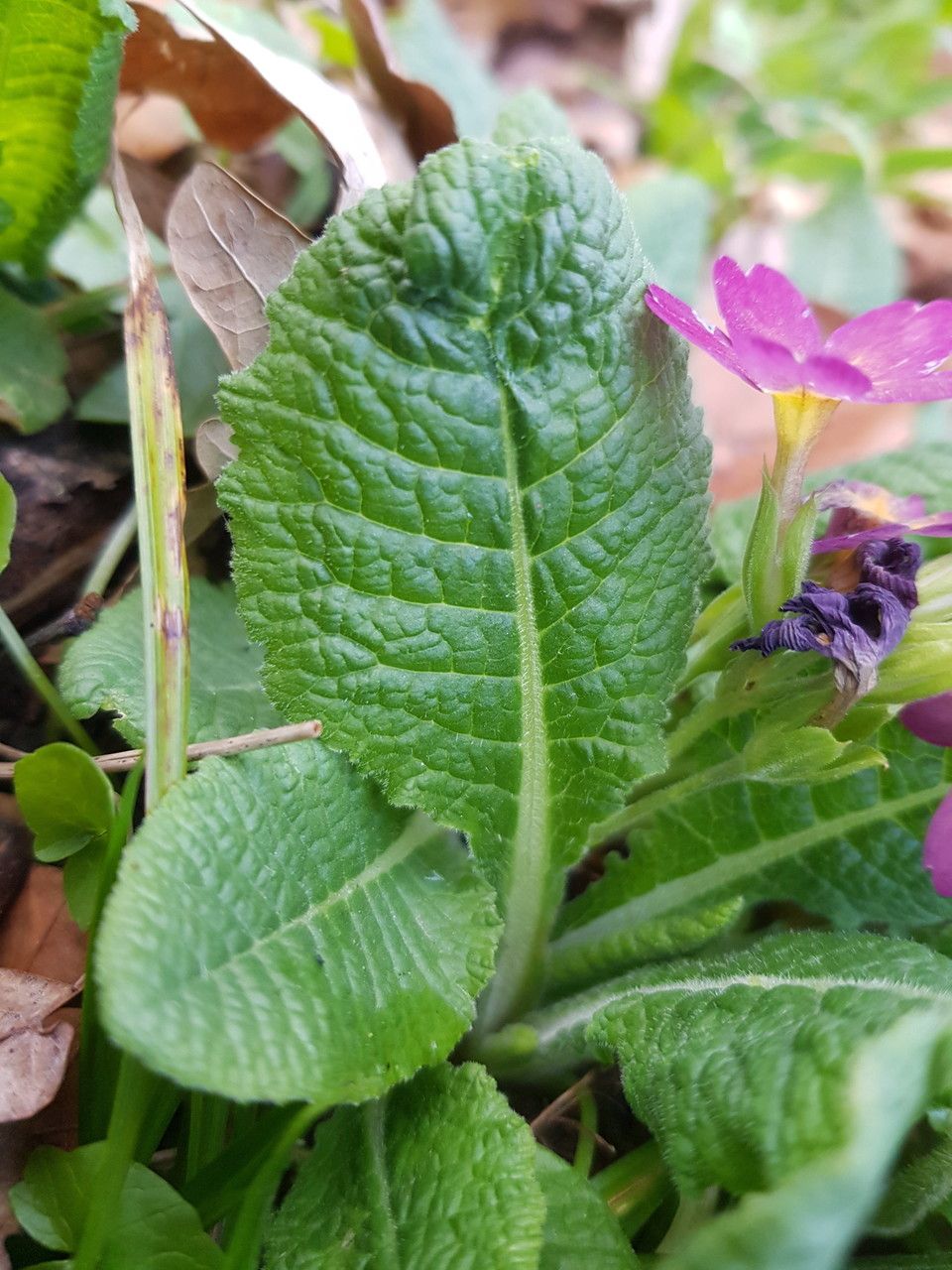
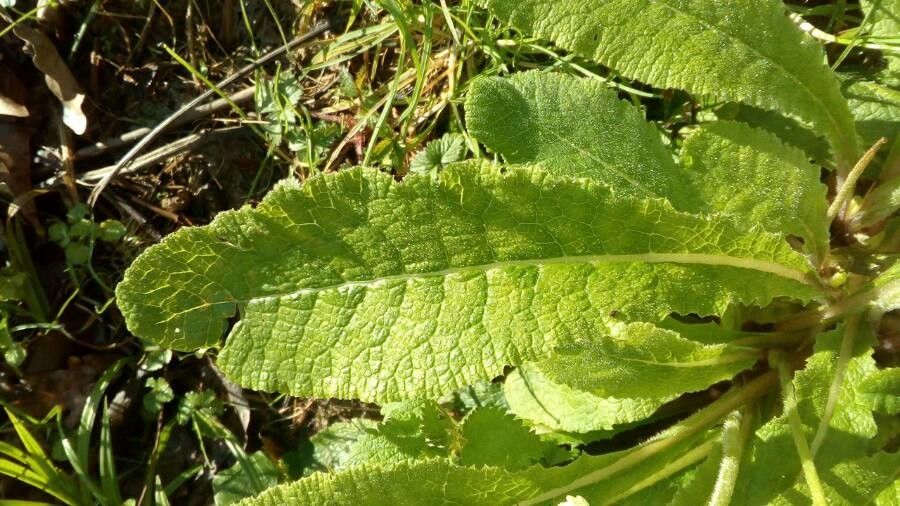
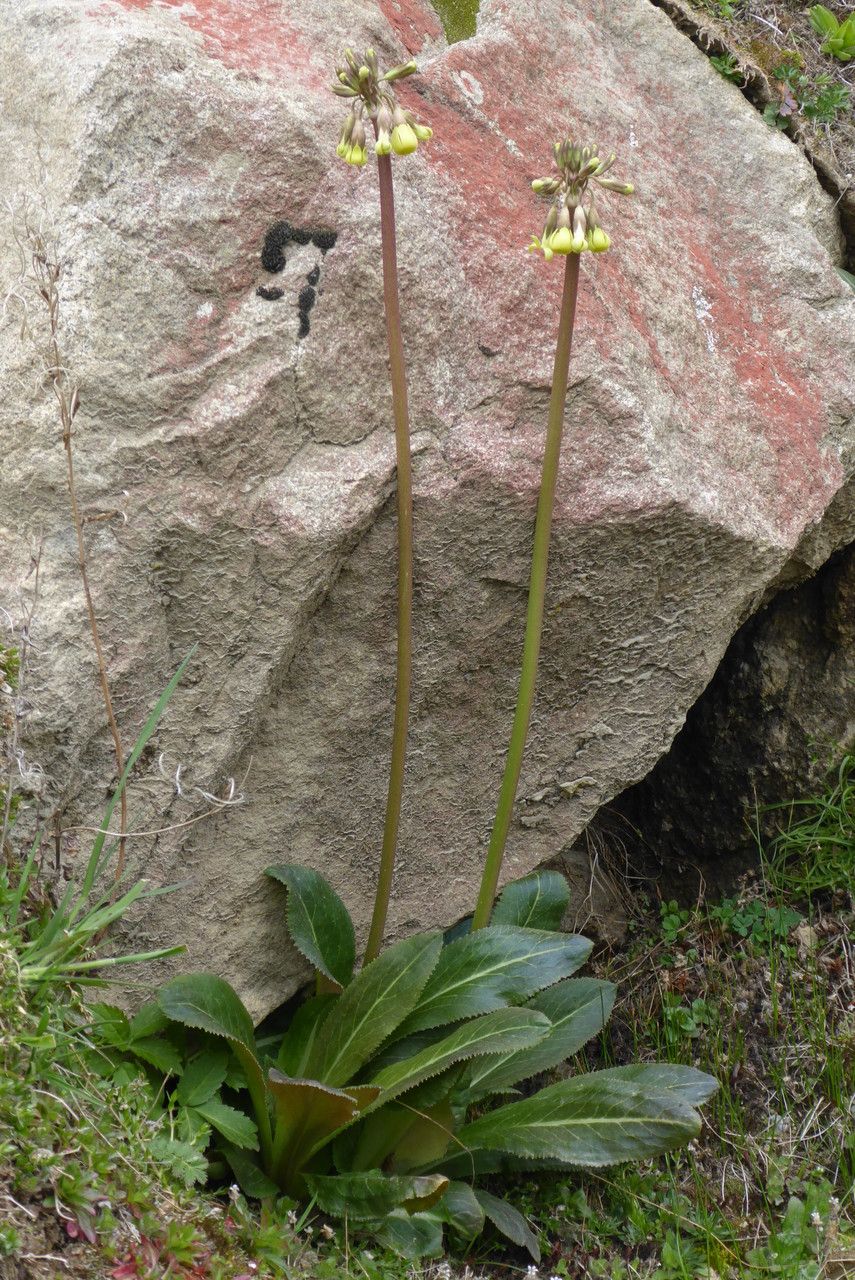
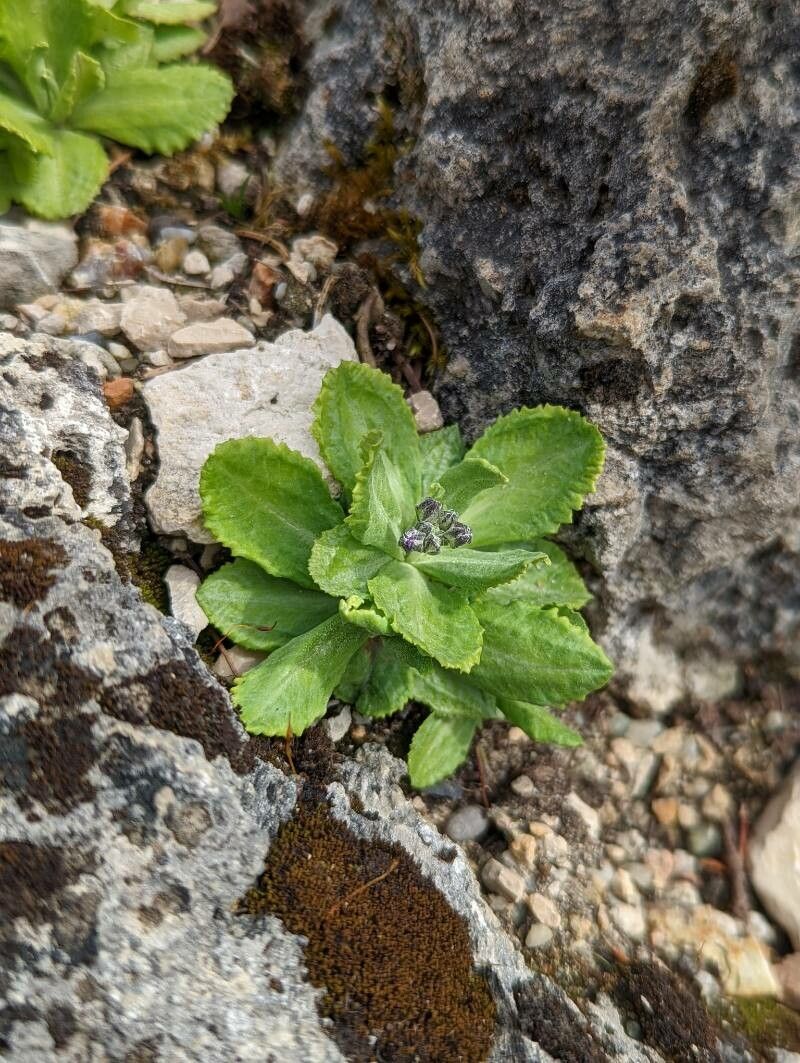
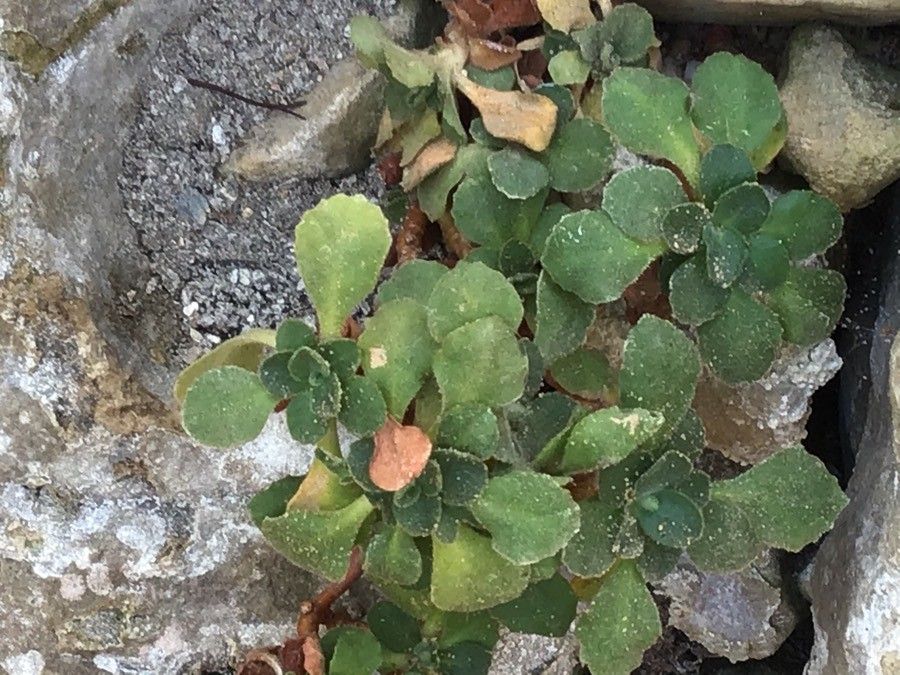
Primula elatior, commonly known as oxlip, is a perennial flowering plant belonging to the Primulaceae family. Native to Europe, it thrives in damp meadows, woodlands, and along riverbanks. The plant reaches up to 30 cm in height and features a rosette of oval-shaped, toothed basal leaves. These dark green leaves have a slightly wrinkled texture.
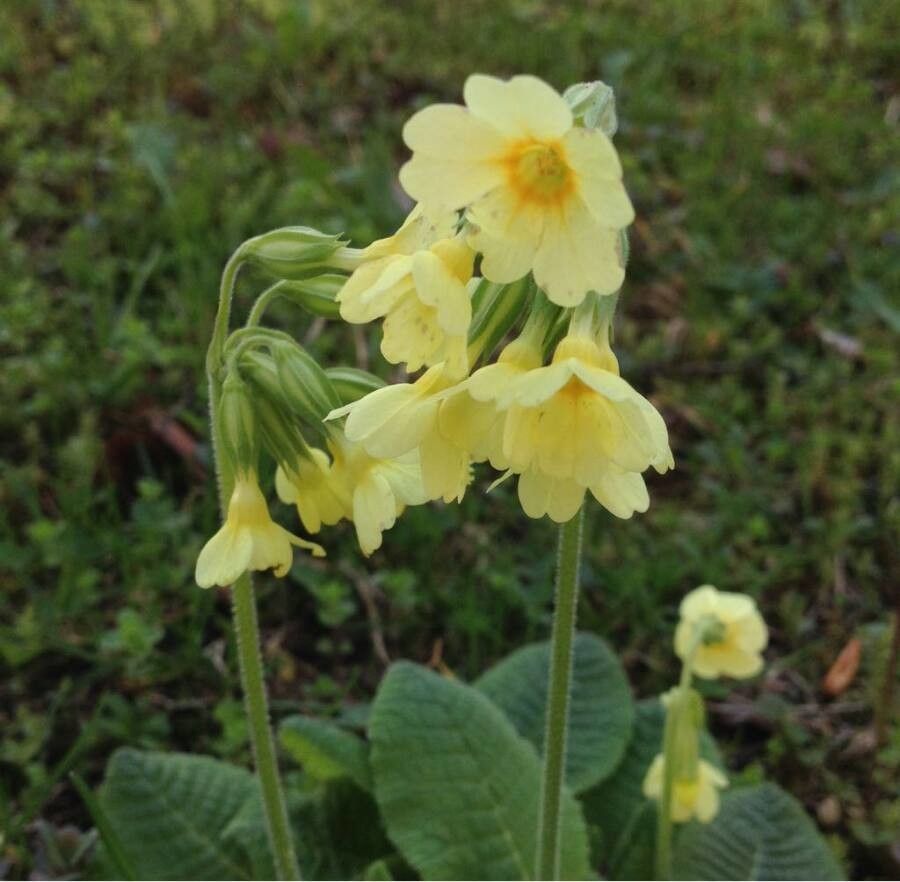
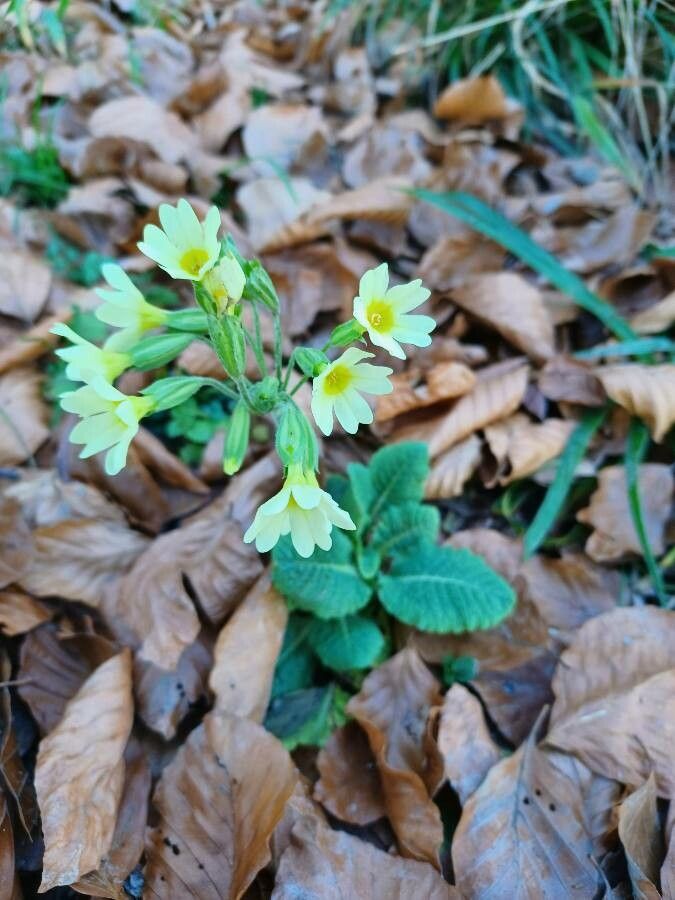
Oxlip produces clusters of fragrant yellow flowers on tall stems that rise above the foliage between April and May. Each flower consists of five petals arranged in an umbrella-like structure around a central, yellow, tube-like corolla.
This plant prefers moist soil and partial shade but can tolerate full sun if provided with adequate moisture. It serves as an important early-season nectar source for bees, offering sustenance when other flowers may not be available.
Primula elatior has been used medicinally for centuries, primarily for its anti-inflammatory properties, which make it effective in treating respiratory ailments such as bronchitis and asthma. Additionally, its roots have been traditionally used as a diuretic, laxative, and expectorant.
In summary, Primula elatior is an attractive flowering plant that enhances the beauty of damp meadows or woodland gardens while providing crucial early-season nectar for bees.
Botanical profile.
- Plant Type
- Herb
- Life Cycle
- Perennial
- Genus
- Primula
- Family
- Primulaceae
- Hardiness Zone
- 3-7
- Mature Height
- 30 cm
- Mature Spread
- 25 cm
- Leaf Color
- Green
- Leaf Type
- Semi-evergreen
- Flower Color
- Yellow
- Flower Size
- 1.02 cm to 1.52 cm
- Bloom Time
- Mid spring, Late spring, Early summer
- Planting Time
- Spring, Summer
- Harvest Time
- Early summer, Mid summer
Other names.