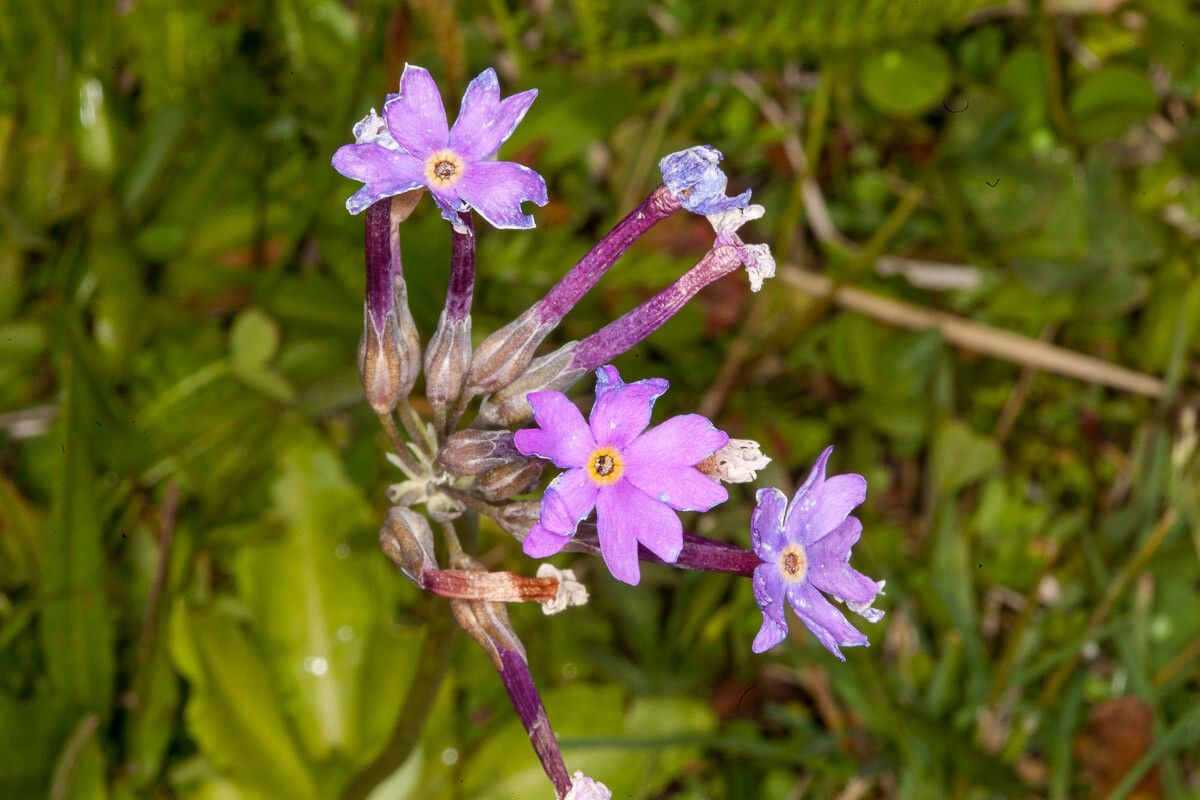
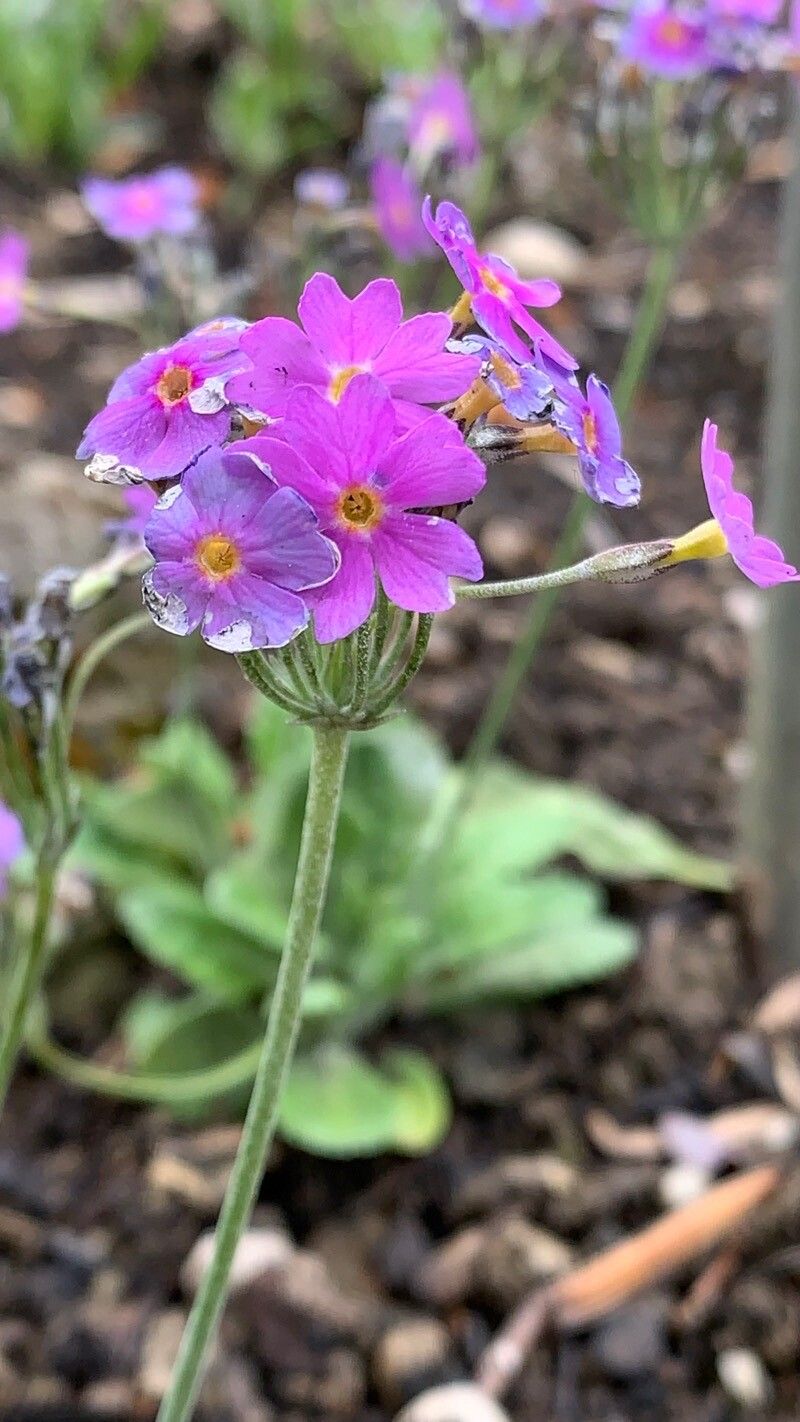
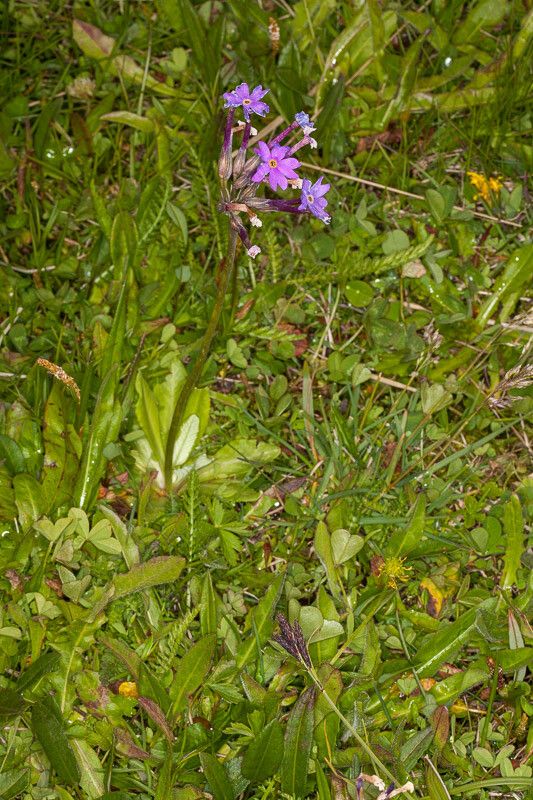
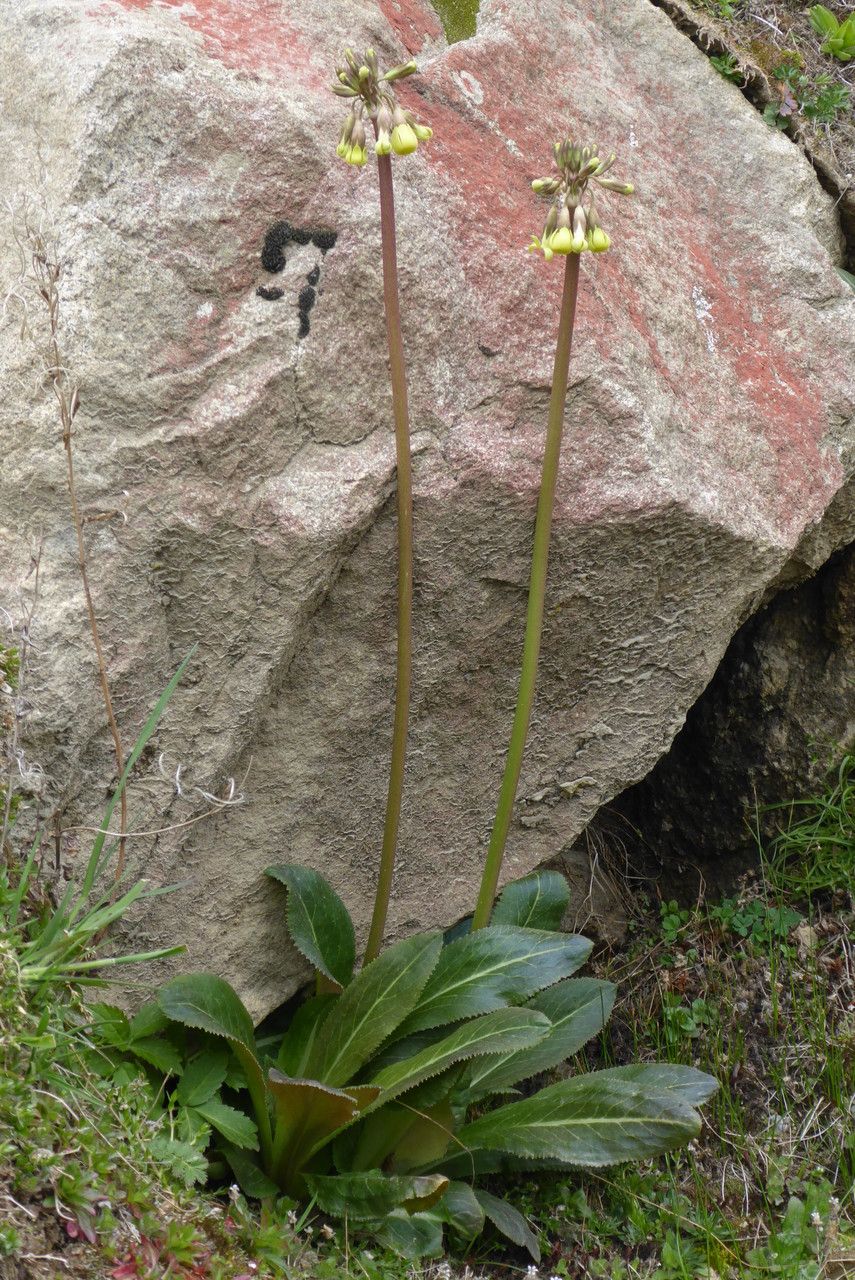
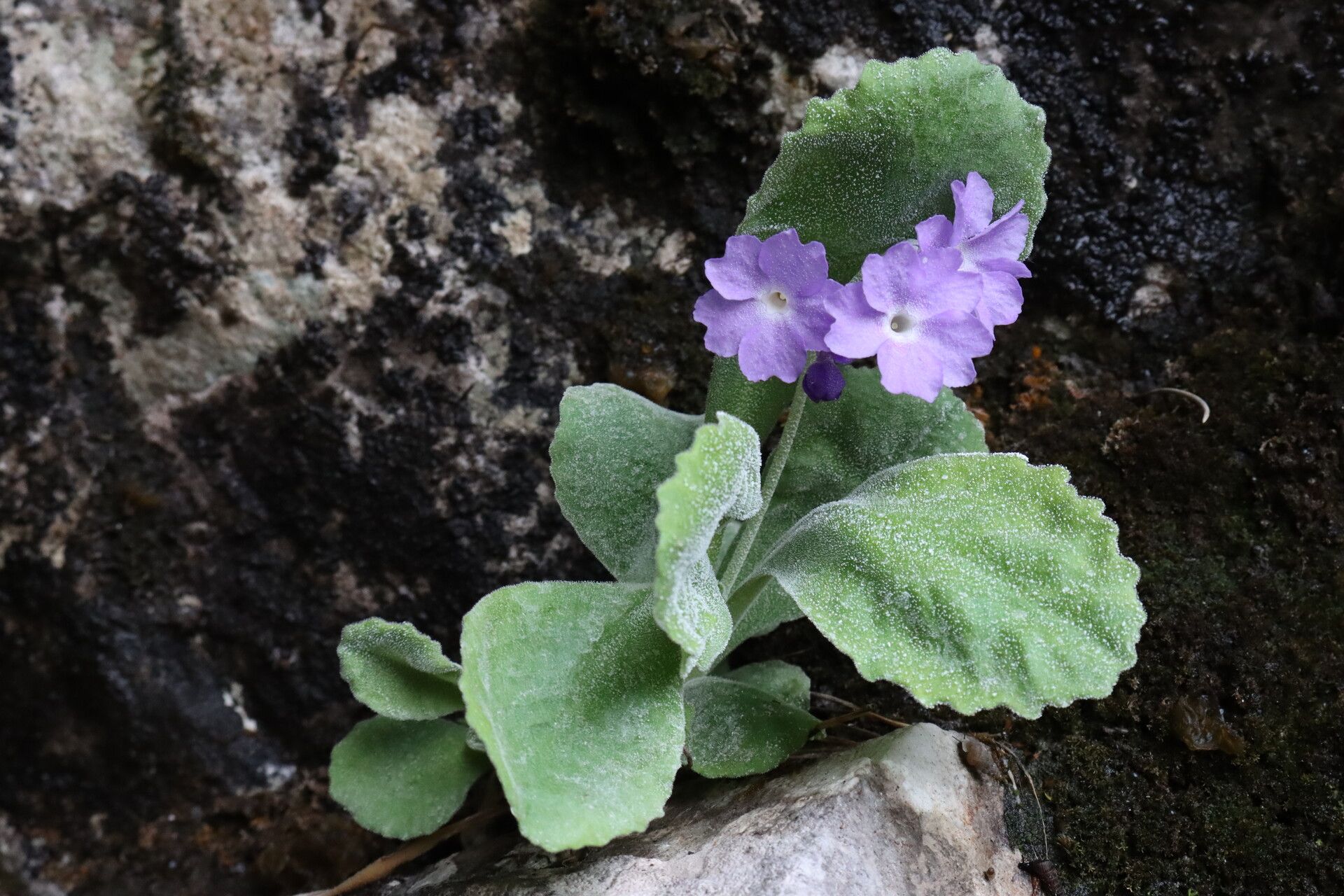
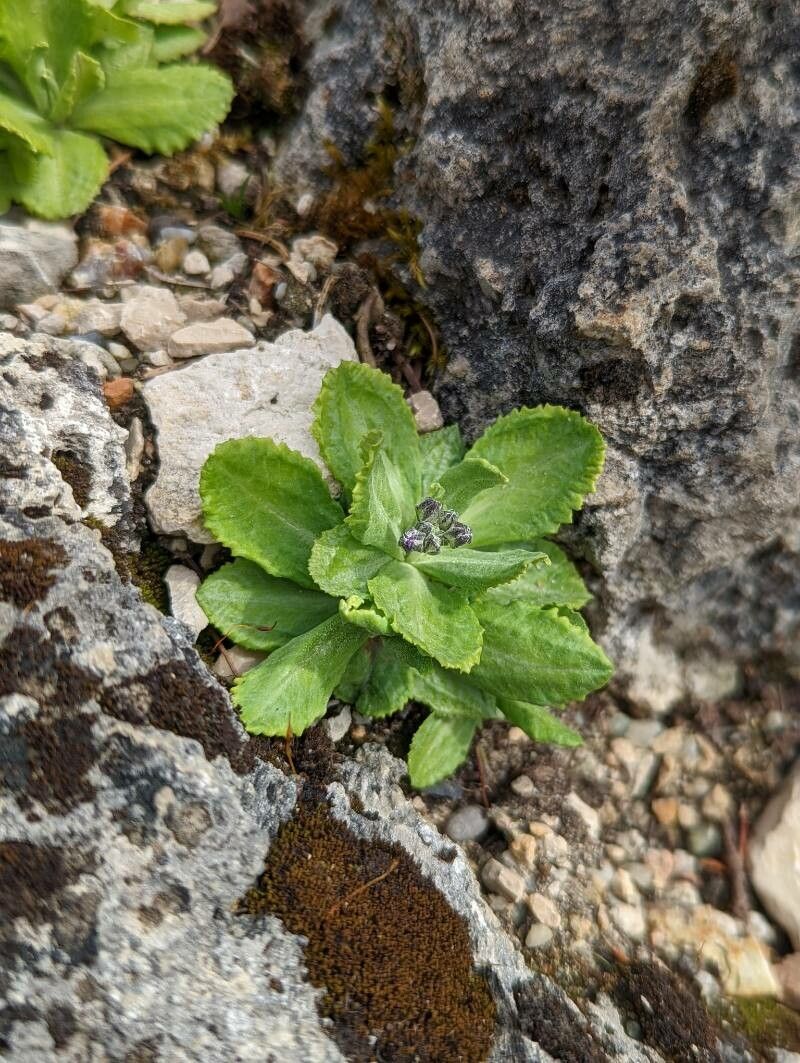
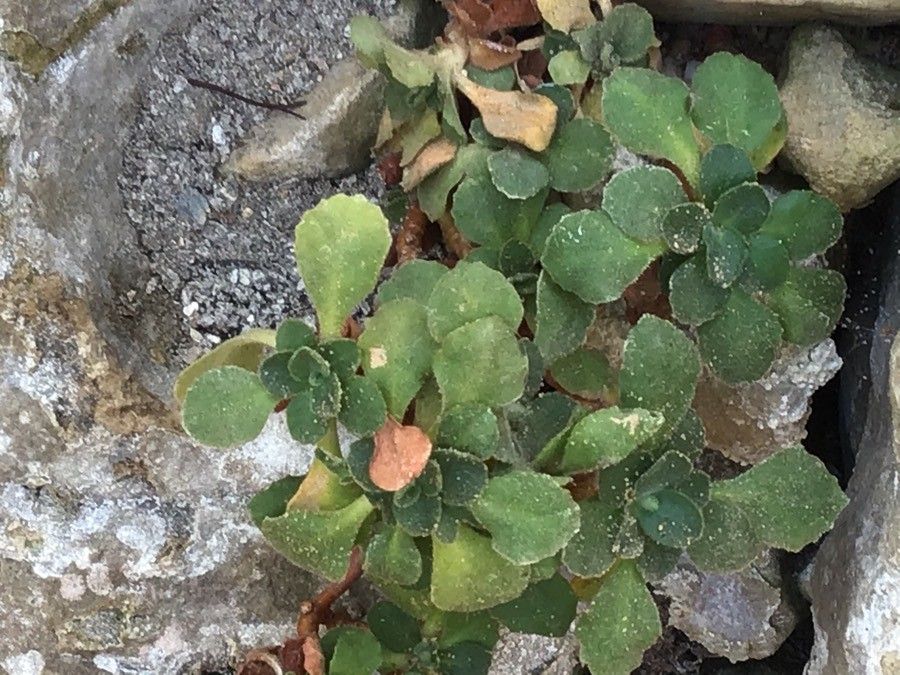
Primula halleri, the long-flowered primrose, is a species of flowering plant in the family Primulaceae, native to the Alps, Carpathians, and some of the mountain ranges of the Balkan Peninsula. A perennial, it is found at elevations of 1,500 to 2,700 m. Its main pollinator is the hummingbird hawk-moth Macroglossum stellatarum.
The long-flowered primrose has good resistance to disease and is generally not susceptible to illnesses. In terms of care, this plant is fairly low-maintenance. When grown outdoors it needs only minimal watering, and larger plants typically do not require pruning. Smaller plants, however, should be pruned after they finish blooming. The long-flowered primrose is suitable for anyone with an outdoor area, such as a garden or deck, and does not demand much care experience.
How to keep Primula Halleri.
Water
The long-flowered primrose flourishes in moist conditions and needs soil that remains consistently damp but not waterlogged. It has low drought tolerance, so regular watering, about once a week, and occasional rainfall during its growing season are essential to keep its foliage lush and its blooms vibrant. This care is typical for herbaceous perennials cultivated outdoors.
Pruning
In early spring, prune the long-flowered primrose to remove any dead or damaged foliage and spent flowers. This promotes healthy growth. Avoid heavy pruning and instead opt for light trimming. Regularly deadhead the plant during the growing season to extend bloom duration and encourage denser foliage, enhancing its ornamental appeal.
Botanical profile.
Other names.