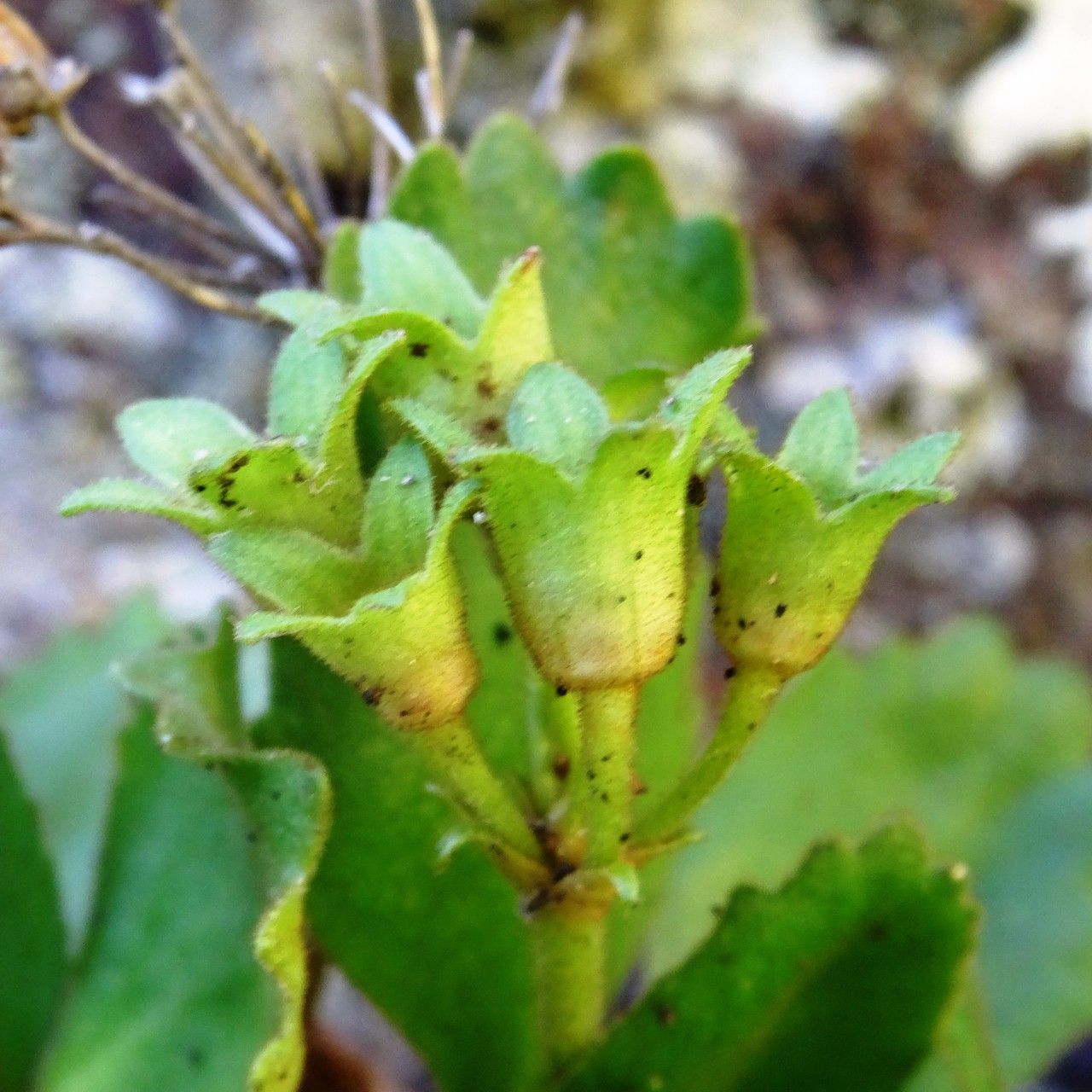
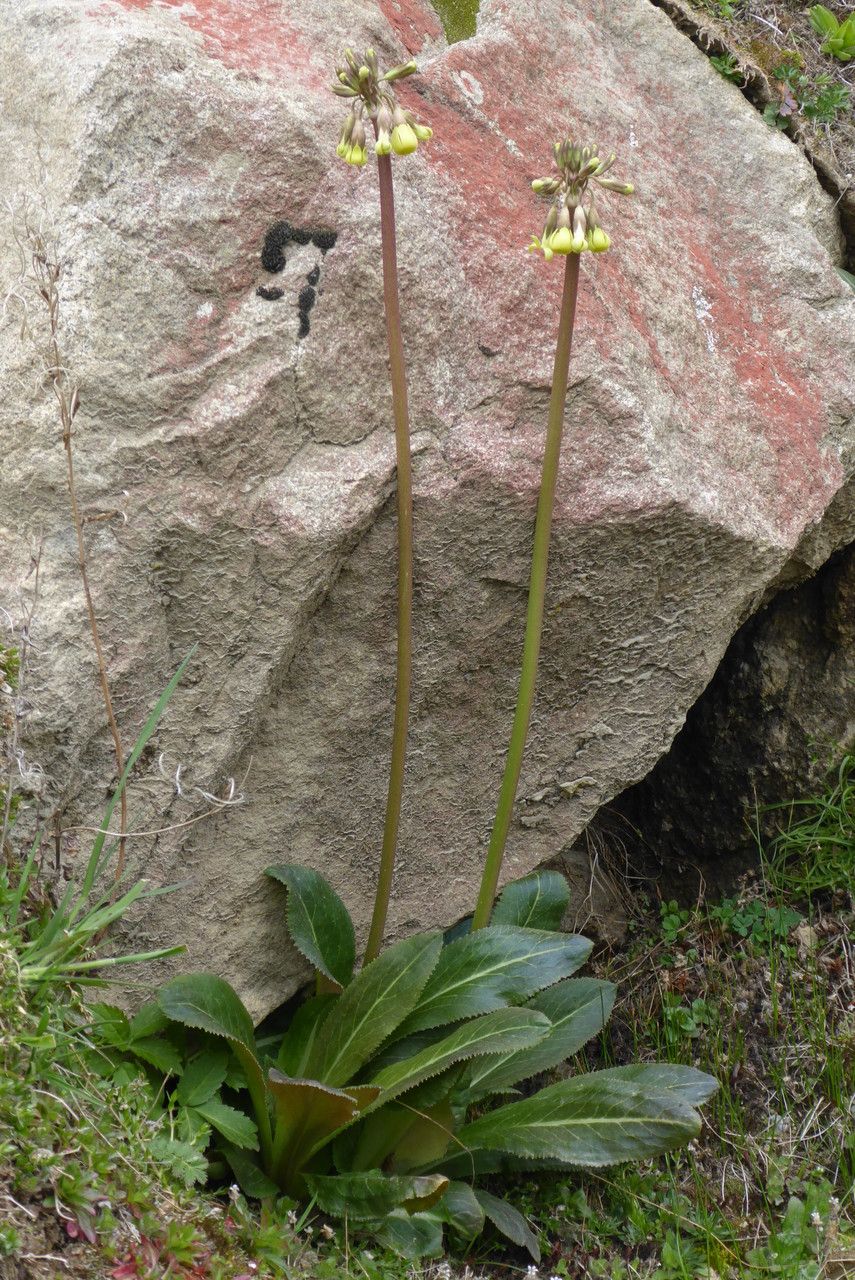
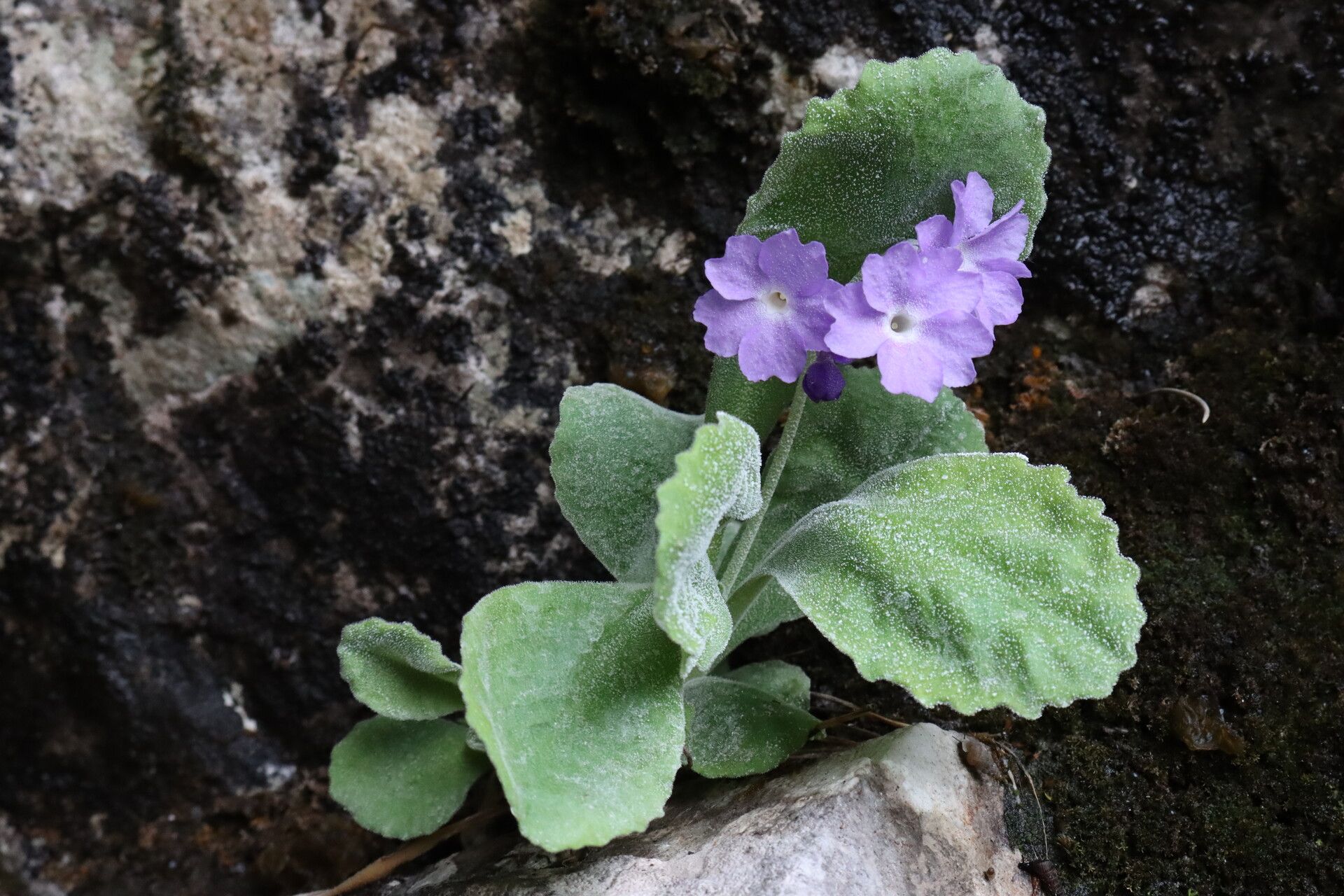
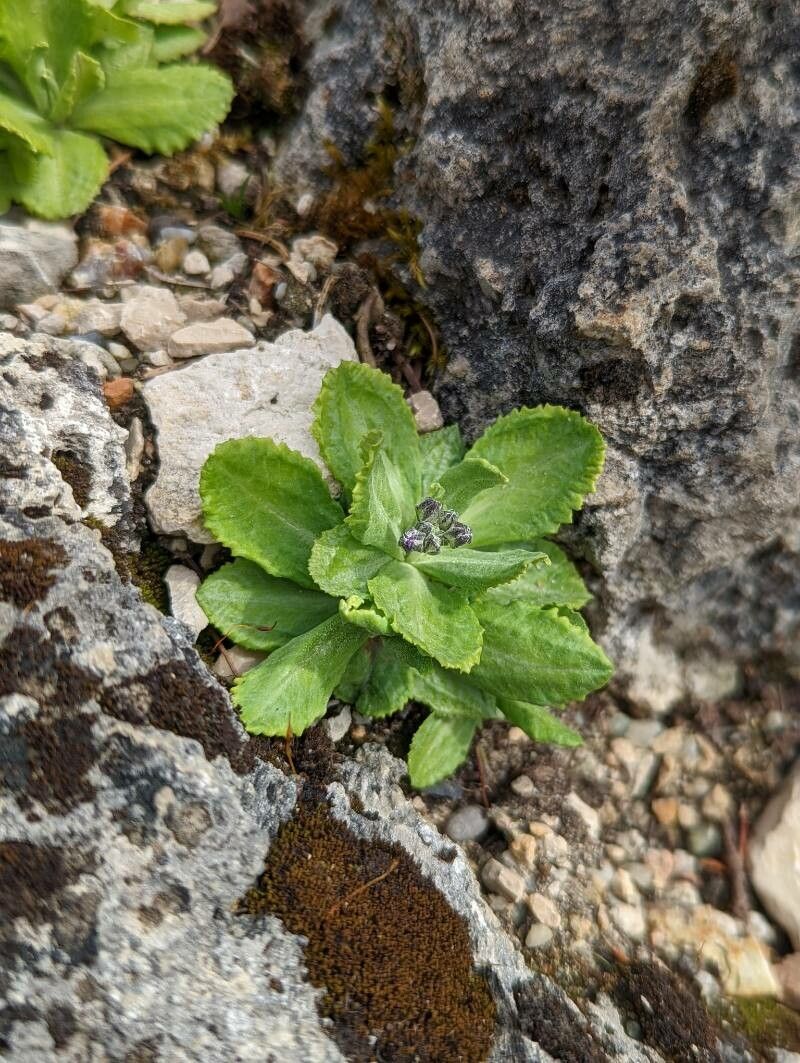
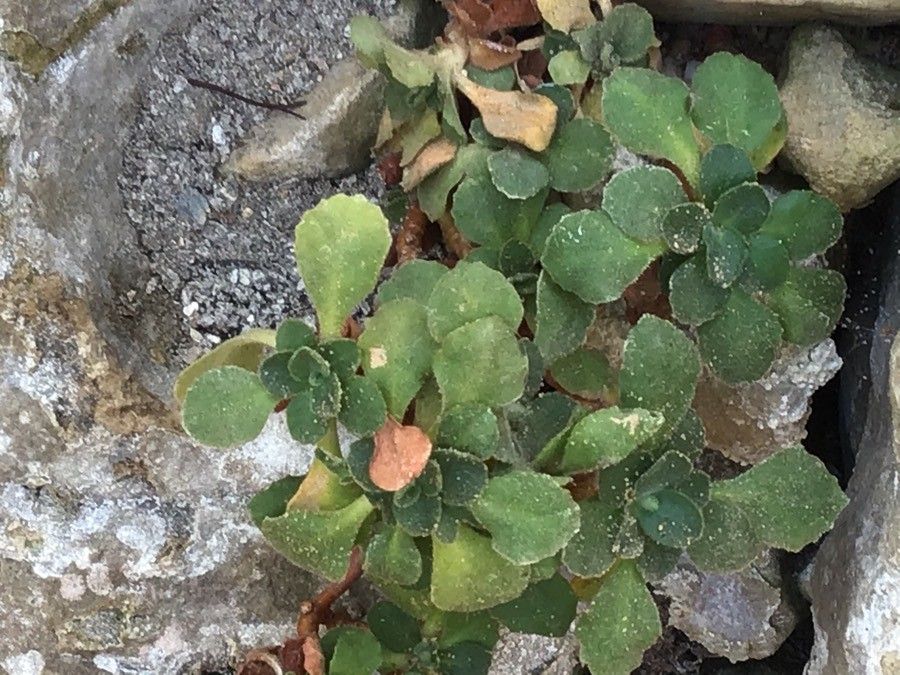
Primula hirsuta, commonly known as the Hairy Primrose, is a herbaceous perennial plant that belongs to the Primulaceae family. Native to Europe and Asia, it thrives in damp meadows, woodland edges, and rocky slopes.
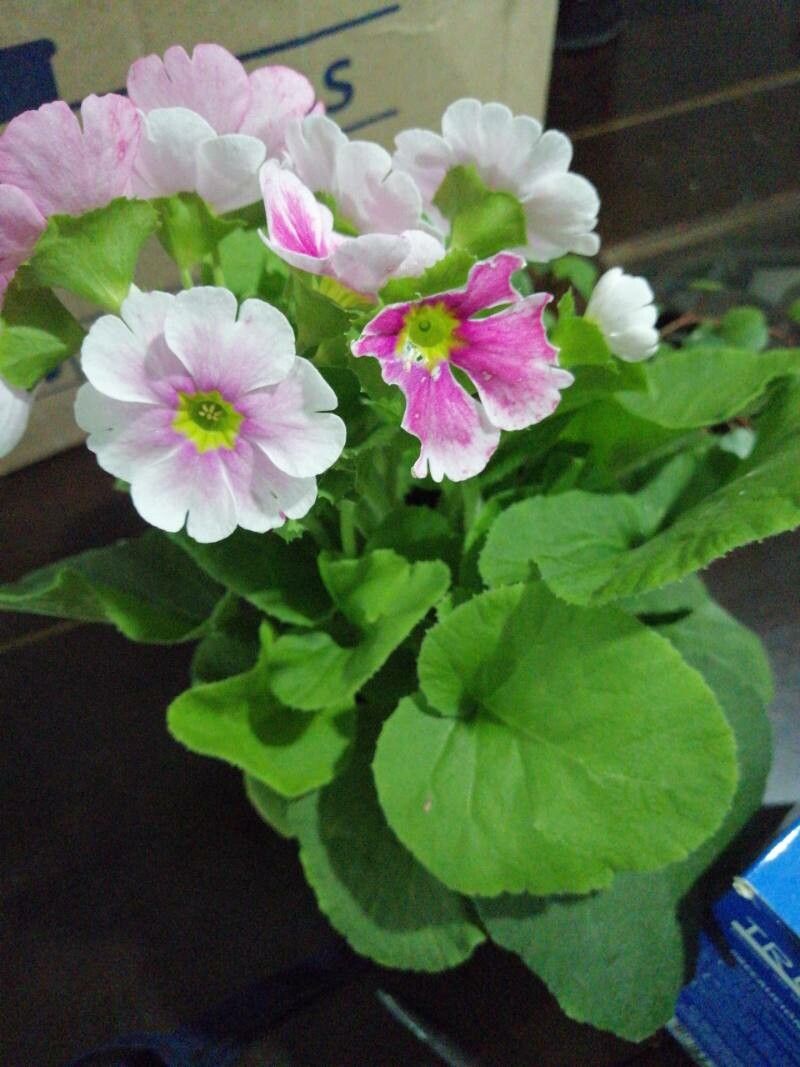
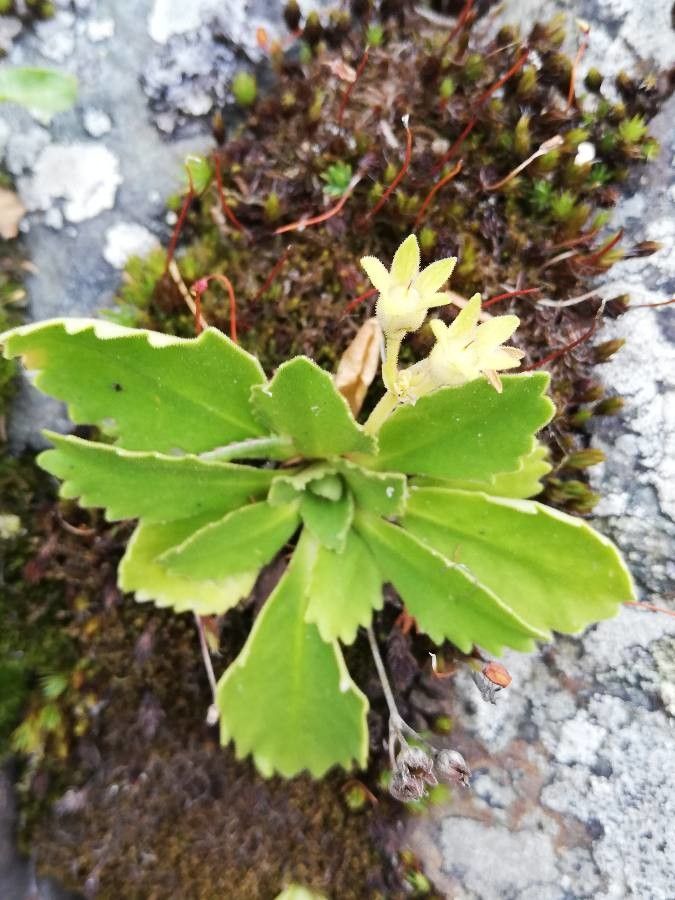
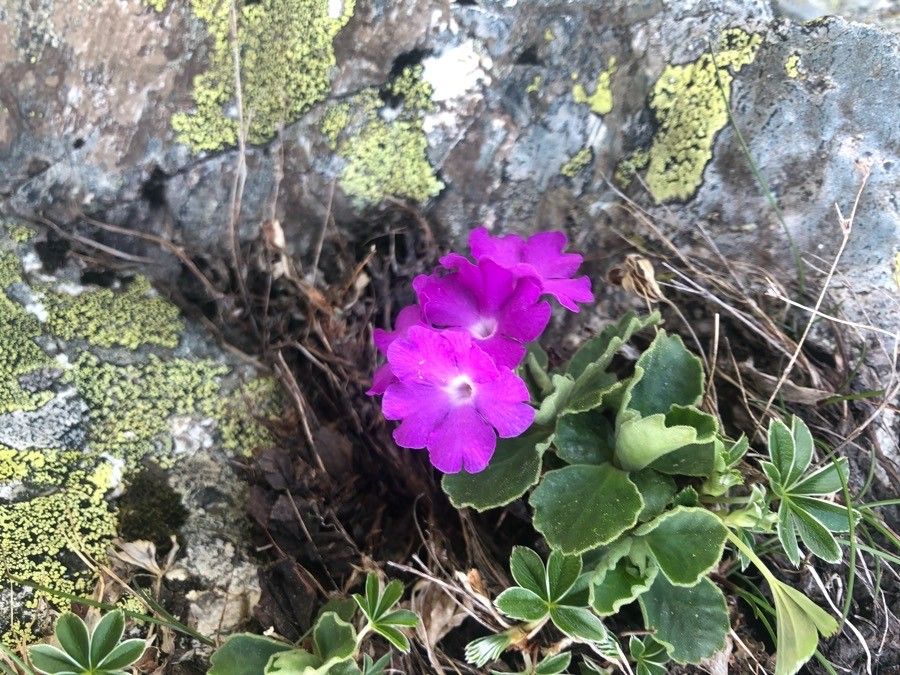
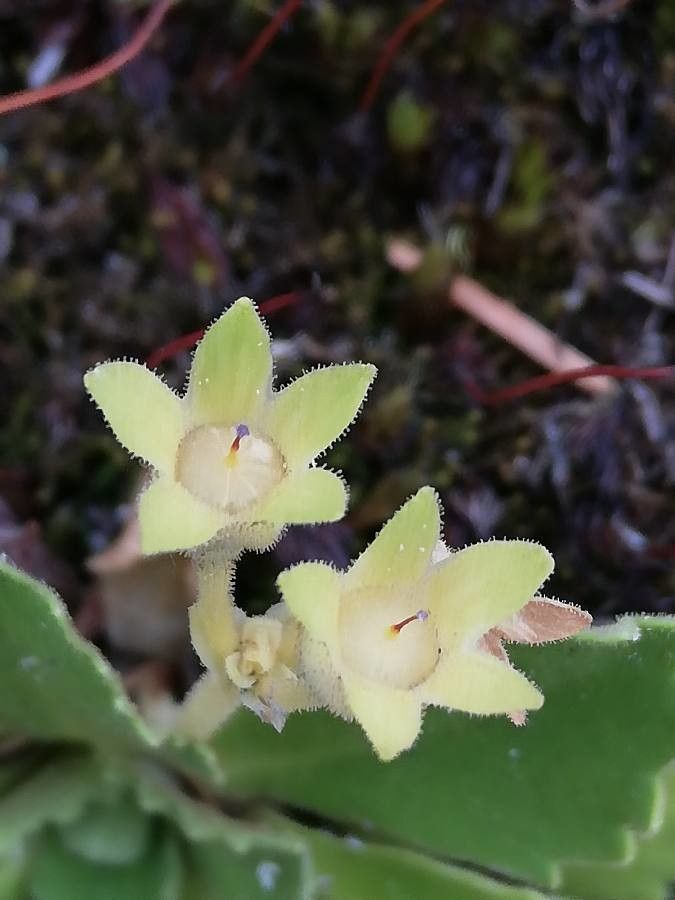
Reaching up to 20 cm in height, the plant features a rosette of oval-shaped, hairy leaves with toothed edges. Its flowers, which appear from late winter through early spring, are borne on long stalks above the foliage. These blooms are typically pink or purple with a yellow center.
Primula hirsuta prefers moist soil conditions but can tolerate some drought once established. It is an easy-to-grow plant that requires minimal care, although it benefits from regular watering during dry spells.
Historically, the Hairy Primrose has been used for medicinal purposes due to its anti-inflammatory properties. It is also popular as an ornamental garden plant because of its attractive flowers.
Overall, Primula hirsuta is a charming addition to any garden or natural setting. Its delicate blooms and low-maintenance nature make it an ideal choice for both novice and experienced gardeners.
The European alpine primrose is fairly resistant to disease and generally not vulnerable to many illnesses. However, it can be affected by pests and diseases present in its surroundings. These outbreaks are typically mild. As for care, the plant needs a moderate level of maintenance. Regular pruning is required to keep it looking good and to support healthy growth. Fertilizing can also help encourage flowering. The European alpine primrose is appropriate for anyone who has an outdoor area, such as a garden or patio, and does not demand extensive gardening experience. It may need more attention if grown indoors.
How to keep Primula Hirsuta.
Light
The European alpine primrose does well in moderate sunlight and can withstand periods of brighter light. Native to habitats with variable light conditions, its photosynthetic abilities enable healthy growth across different luminosity levels. However, excessive or insufficient sunlight can negatively affect its growth.
Water
The European alpine primrose flourishes in alpine areas, where it prefers consistently moist, well-drained soil. To support its growth, it should be watered weekly. As an herbaceous perennial, this plant thrives in cool temperatures and benefits from natural rainfall, which results in vibrant blooms during the growing season.
Temperature
Crossover primroses are hardy in zones 5 to 7; however, are frequently developed as bedding annuals in hotter and colder zones. A few annual varieties are hardy far north as zone 2. They require a short chill period to make blossom.
Fertilizer
The main time to fertilize European alpine primrose is in early spring, when the flower buds are forming. The proper fertilizer promotes better blooms and helps the European alpine primrose produce attractive flowers. Fertilizing in early spring ensures good flowering during the season and supplies energy for dormant phases of growth.
Pruning
The European alpine primrose is a resilient perennial known for its vibrant flowers and evergreen foliage. To keep the plant healthy and well-shaped, prune it in early spring to remove any unhealthy leaves. Deadheading the flowers encourages longer blooming periods, and regular pruning improves air circulation, which reduces the risk of mold. This care regimen helps maintain a vigorous and attractive plant.
Toxicity
The primrose plant is poisonous to pets, including dogs, cats, and horses. When ingested, the toxins in the plant can induce toxicity symptoms, such as diarrhea, vomiting, abdominal pain, and other gastrointestinal symptoms.
Further reading →
The toxicity and danger assessments provided are for reference only. We do not assure their accuracy, so it's crucial not to depend on them. Seek professional advice when necessary for accurate guidance.
Botanical profile.
- Plant Type
- Herb
- Life Cycle
- Perennial
- Genus
- Primula
- Family
- Primulaceae
- Hardiness Zone
- 3-7
- Mature Height
- 10 cm to 10 cm
- Mature Spread
- 20 cm to 25 cm
- Leaf Color
- Green
- Leaf Type
- Evergreen
- Flower Color
- Pink, Violet, Purple
- Flower Size
- 1.52 cm to 2.54 cm
- Bloom Time
- Early spring, Mid spring
- Planting Time
- Spring
- Harvest Time
- Late spring, Early summer
Other names.
Reader questions.
How should I water my European alpine primrose?
To properly water the European alpine primrose, it's best to use filtered water at room temperature. Tap water may contain harmful particles, so filtered water is preferred. The plant should be watered with room temperature or slightly warmer water because it is accustomed to a warm climate and cold water could be a shock to its system. Instead of watering from above, it's advisable to apply the filtered room temperature water directly to the soil until it is completely saturated. This method benefits the plant by moistening the roots and aiding in their spread through the soil to gather necessary nutrients.
Why is it necessary to add fertilizer to my European alpine primrose plant?
Fertilization is important for the European alpine primrose because it provides essential nutrients for the plant's growth above and below ground. Although the overall fertilization needs for this plant are relatively low, annual fertilization can greatly benefit it. Fertilization helps the plant thrive and may even result in better and longer-lasting flowers. Therefore, for those who want their European alpine primrose to look its best, it is important to regularly fertilize it.
What are the sunlight requirements for European Alpine Primrose?
The European Alpine Primrose requires moderate sunlight but can also accommodate periods of more intense light due to its origin in habitats with variable light situations. It thrives under different luminosity levels, and its photosynthetic capabilities allow for healthy growth under varying conditions. However, both overexposure and inadequacy of sunlight might negatively affect its growth. The plant can thrive in partial sun, which is about 3-6 hours of sunlight, as well as in full sun, which is above 6 hours of sunlight. It's essential to watch how sunlight moves through your garden to ensure plants receive the perfect balance of light and shade, ensuring their happiness.
What should I do if I give too much or too little water to my European alpine primrose?
Both overwatering and underwatering can harm your European alpine primrose, but overwatering is more common and can lead to wilting, yellowing, root rot, mold, and mildew. Underwatering is less likely, but it can cause brittle, brown leaves. It's important to recognize signs of overwatering early to prevent irreversible damage. Reduce watering immediately if you notice these signs and consider using well-draining soil. If your primrose appears to be receiving too little water, simply increase watering until the signs improve.
When should I fertilize my European alpine primrose?
The best time to fertilize a European alpine primrose is in late winter to early spring. This is when the plant is coming out of its dormant phase and starting to grow actively. Fertilizing at this time is beneficial as it promotes healthy growth and gives the plant a good start for the season. Fertilizing in the early spring is generally the most advantageous, but it is also acceptable to fertilize in the fall. However, it is not recommended to feed the plant during summer or winter.
How to use artificial lighting for European Alpine Primrose?
For indoor European Alpine Primrose plants or in environments where natural sunlight is insufficient, especially during winter or in less sunny spaces, artificial lighting is a crucial solution. Optimal growth can be achieved through careful selection and management of artificial lights. LED lights are popular due to their customizability to specific wavelengths needed by plants. Full sun plants require 30-50W/sq ft, partial sun plants need 20-30W/sq ft, and full shade plants need 10-20W/sq ft of artificial light. The light source should be placed 12-36 inches above the plant to mimic the sun, and most plants benefit from 8-12 hours of light per day.
How frequently do I need to water my European alpine primrose?
If your European alpine primrose is in a pot, you can easily check if it needs water by sticking your finger in the soil. If the top two to three inches are dry, it's time to water it. If you have the primrose planted outdoors, you can use the same method. When the first few inches of soil are dry, it's time to give it some water. Generally, during the spring and early fall, watering once a week is enough. However, in extremely hot weather, you may need to water it two or more times a week. It's worth noting that mature, well-established European alpine primroses have a good ability to withstand drought.
When is the best time to not add fertilizer to my European alpine primrose?
To properly care for your European alpine primrose, it is important to understand the best times for fertilization. It is recommended to fertilize only during late winter and early spring, as this plant has low fertilization needs and a single annual feeding is sufficient. Fertilizing during spring, summer, or fall can easily result in overfertilization, which can cause complications. However, if you didn't fertilize during spring, it is acceptable to feed the plant in the fall. During the winter, when the European alpine primrose is in a dormant growth phase and not producing new growth, it is unnecessary to fertilize. Therefore, refrain from fertilizing for most of the growing season and avoid fertilizing during the winter months.
What are the symptoms of inadequate sunlight in European Alpine Primrose?
When the European Alpine Primrose is grown indoors or under insufficient light, it may exhibit several symptoms indicating light deficiency. These symptoms include new leaves growing smaller compared to mature ones, leggy or sparse growth with longer spaces between stems or leaves, faster dropping of older leaves to conserve resources, slower or halted new growth, lighter-colored or irregularly patterned new leaves indicating a lack of chlorophyll, chlorosis where leaves turn yellow due to breakdown of chlorophyll, sunscald characterized by damaged leaves or stems from intense sun exposure, leaf curling as a defense mechanism against extreme sunlight, wilting due to increased water loss and difficulty in maintaining hydration, and leaf scorching showing as dry, brown edges on leaves from excessive sunlight.
How often should I water my European alpine primrose plant?
To water your European alpine primrose effectively, make sure the top two to three inches of soil are dry before watering. Give the plant a thorough watering, enough to completely saturate the soil. The water should flow through the drainage holes at the bottom of the pot. If you don't see excess water draining, you haven't watered enough, but be careful not to let water accumulate in the soil, as this can harm the plant. On the other hand, if water doesn't drain properly, it may indicate poorly draining soil, which is not good for the plant's health. If the plant is outside, about 1 inch of rain per week should be enough.
What kind of fertilizer should I use for my European alpine primrose?
For a European alpine primrose, any balanced general-purpose fertilizer with the three main plant nutrients will work well. However, there are a few nutrient blends that may be even more beneficial. Some gardeners believe that higher levels of phosphorus can lead to stronger roots and better flowers. So, applying a phosphorus-rich fertilizer to this flowering plant may be the best approach. Whether in granular or liquid form, the important thing is to ensure that there are plenty of nutrients present. In addition to manufactured fertilizers, you can also use organic methods such as compost and manure to improve the soil for your European alpine primrose. These materials can greatly contribute to creating a healthy growing environment for your plant.
What are some solutions for light-related issues in European Alpine Primrose?
To address light-related issues with your European Alpine Primrose, gradual adaptation to changing light conditions is key. For indoor plants, consider shifting them to sunnier spots each week until they receive 3-6 hours of direct sunlight daily. If the plant is large or immovable, supplement with artificial lighting, such as desk or ceiling lamps for at least 8 hours daily, or invest in professional grow lights. Outdoor plants should also be moved gradually to sunnier locations to prevent sunburn. Reducing obstructions like pruning tree branches can help outdoor plants receive more sunlight. For smaller plants, consider transplanting during their dormant period to a location with better sunlight and drainage. Remember, parts of the plant affected by insufficient sunlight may not recover, but new growth will be healthy after increasing light exposure.