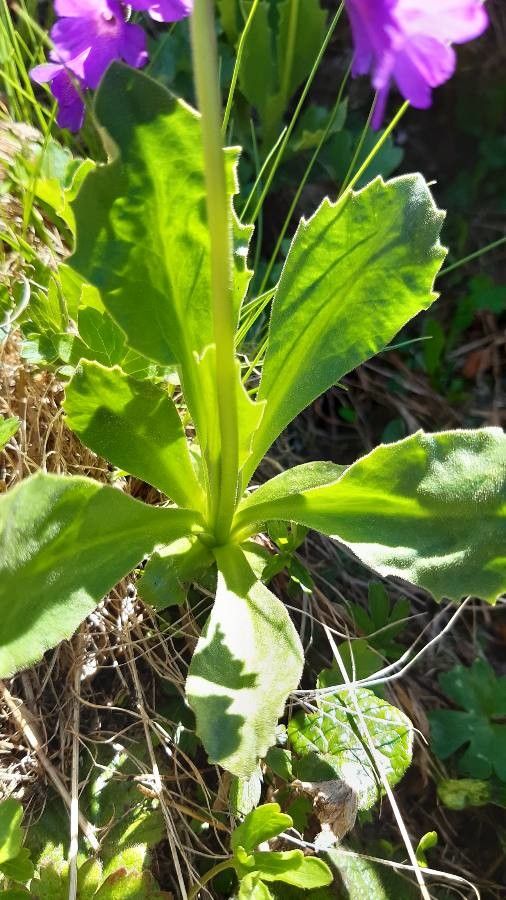
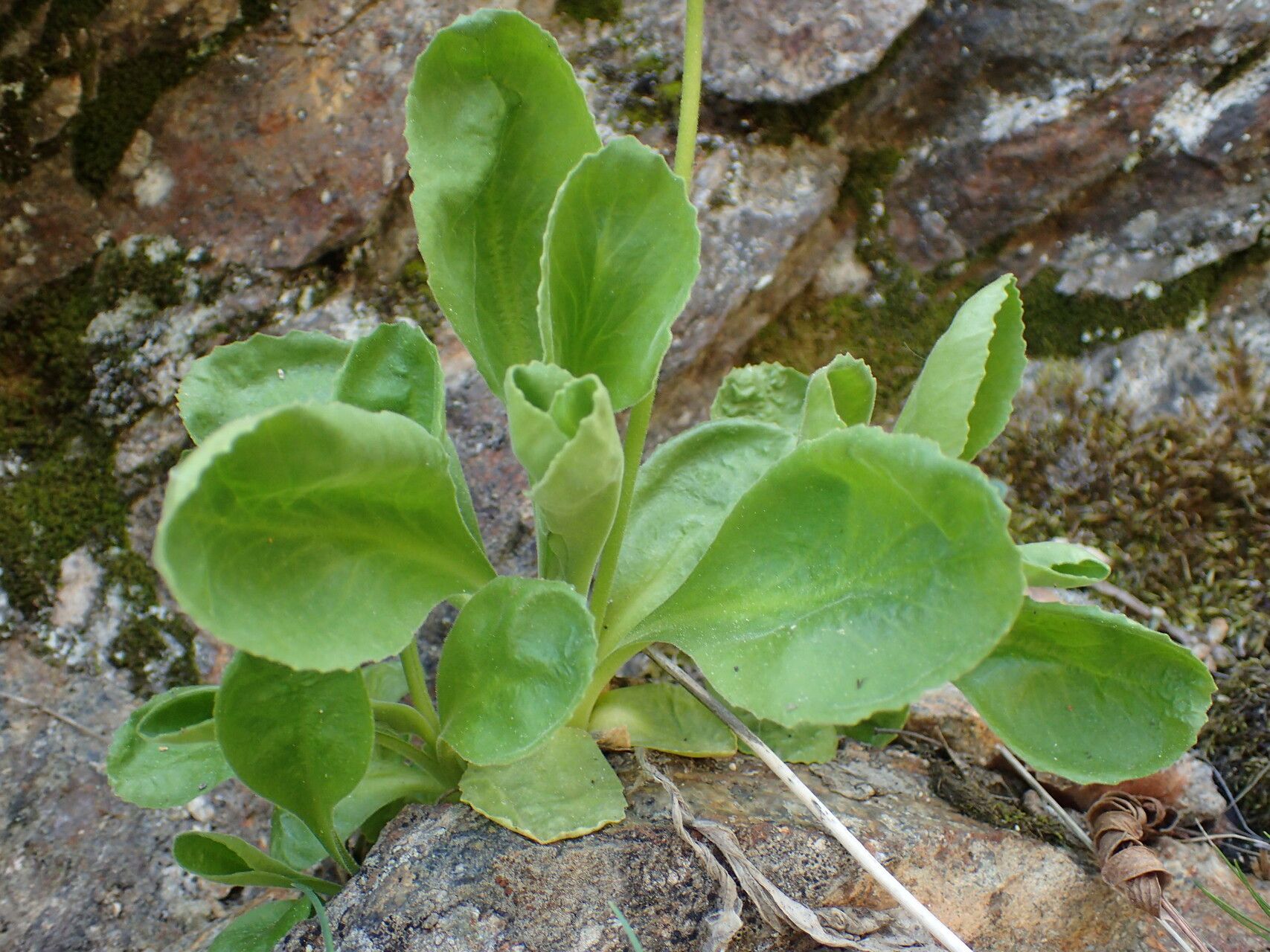
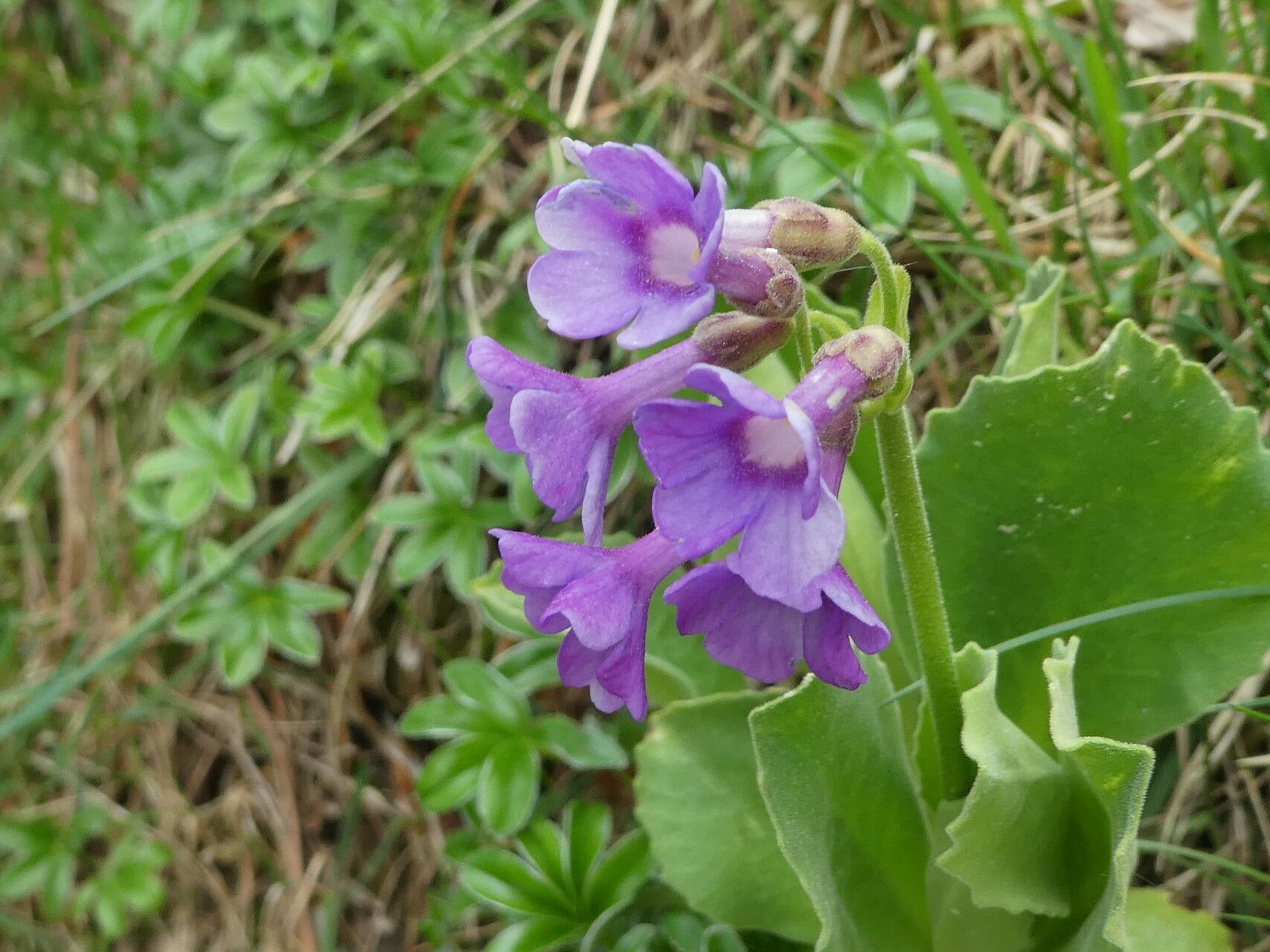
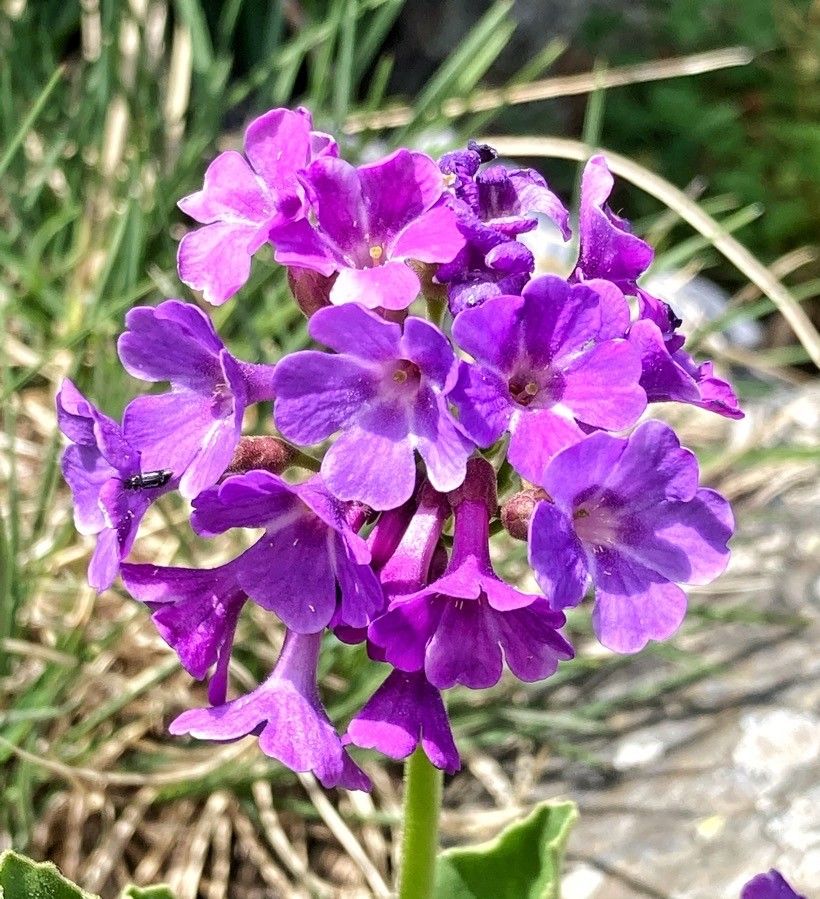
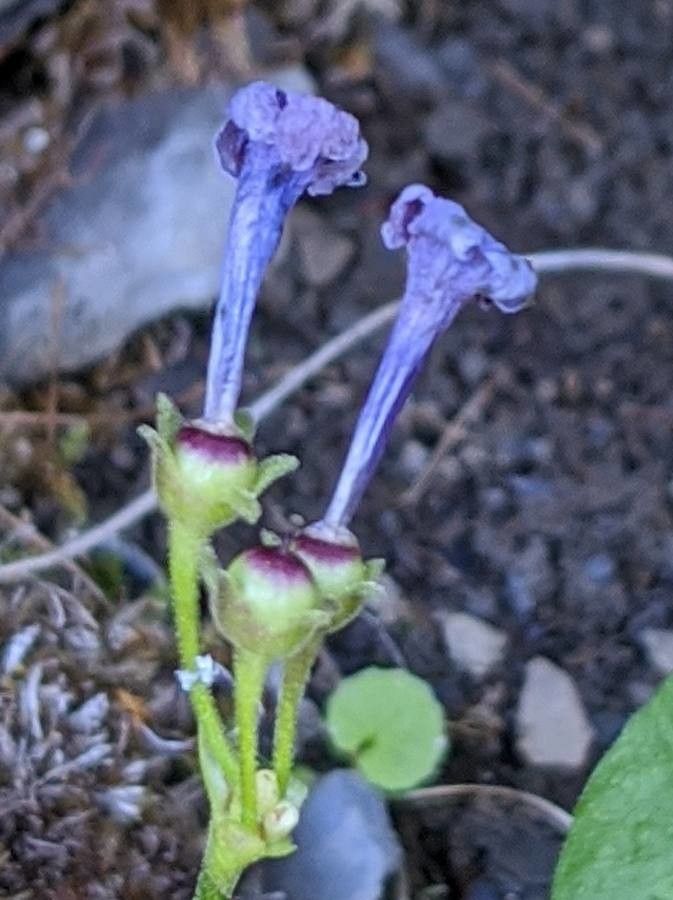
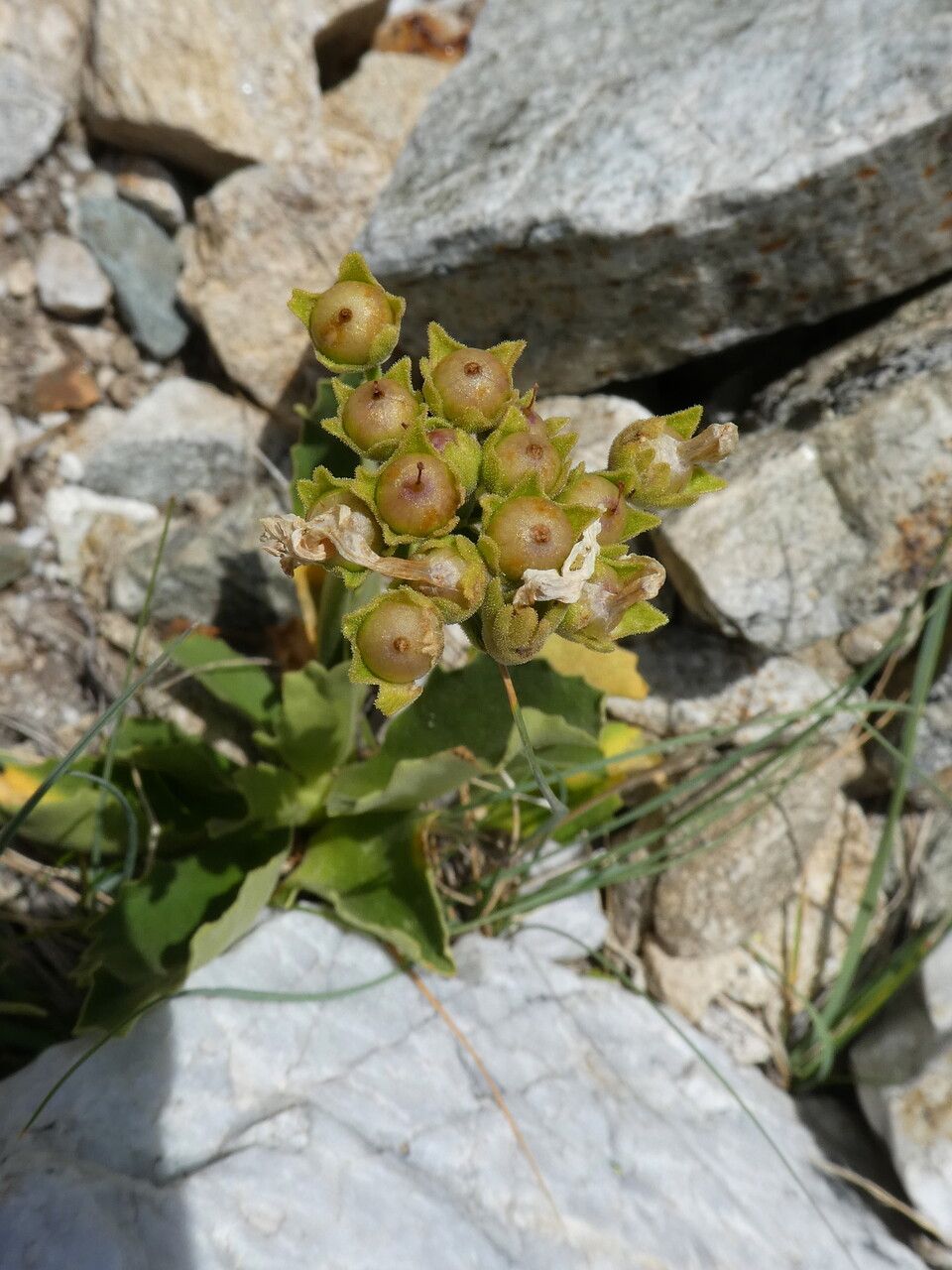
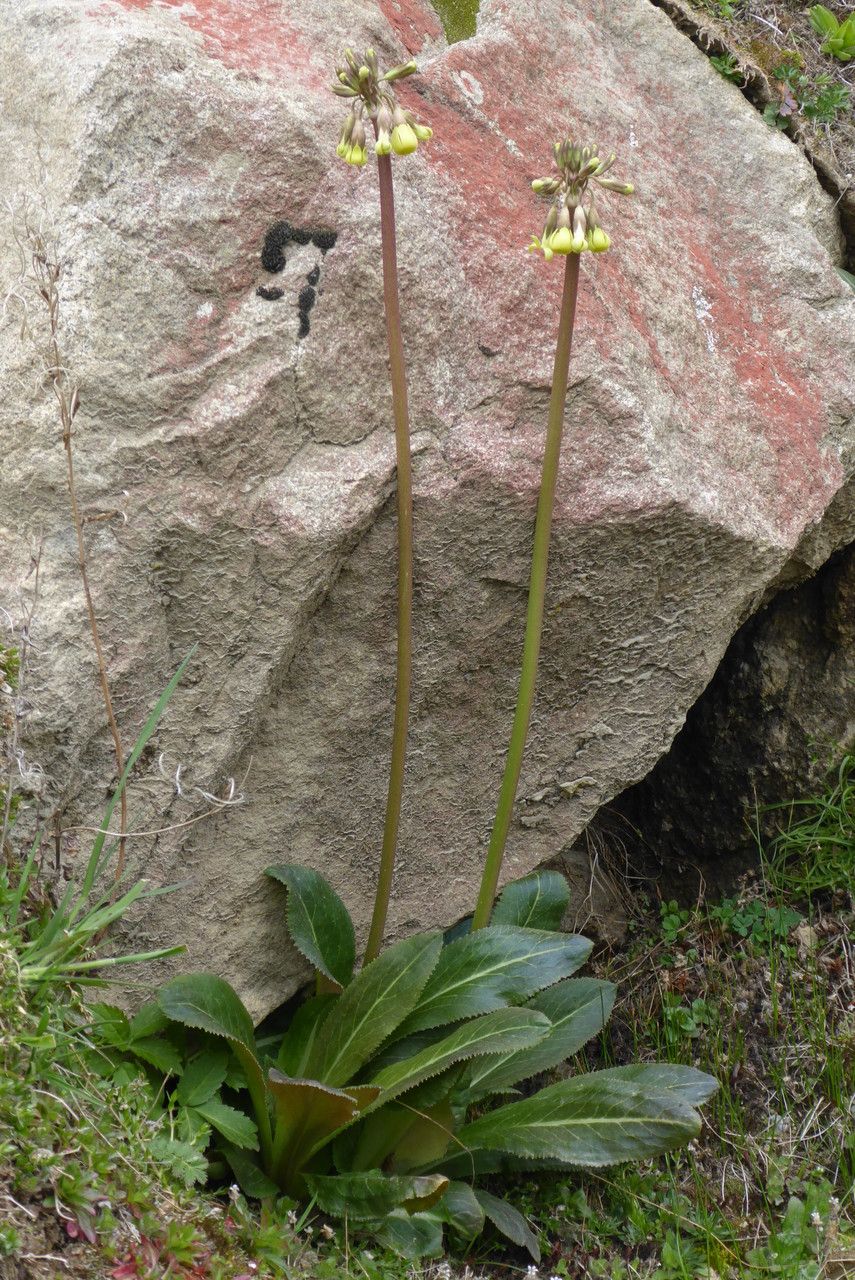
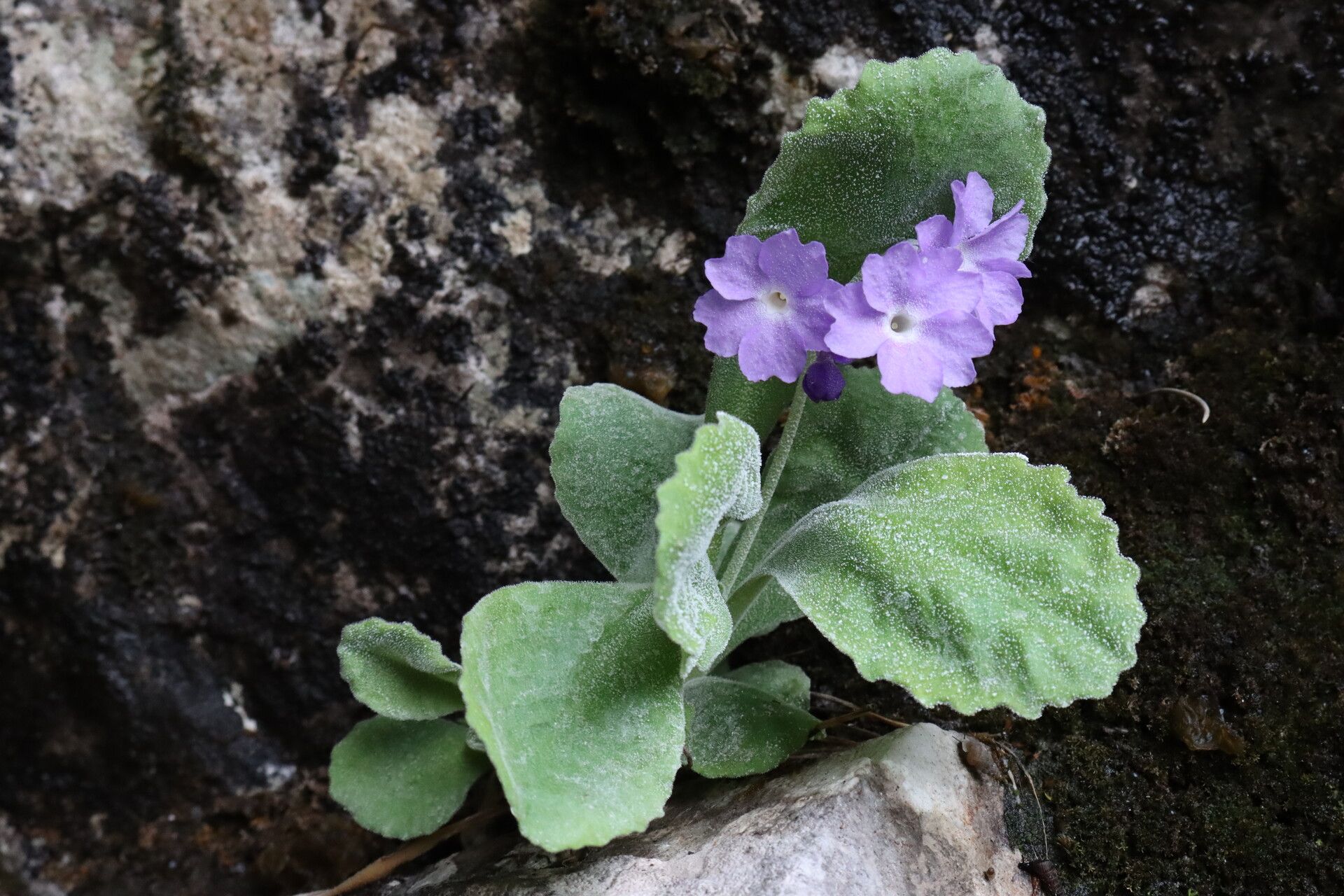
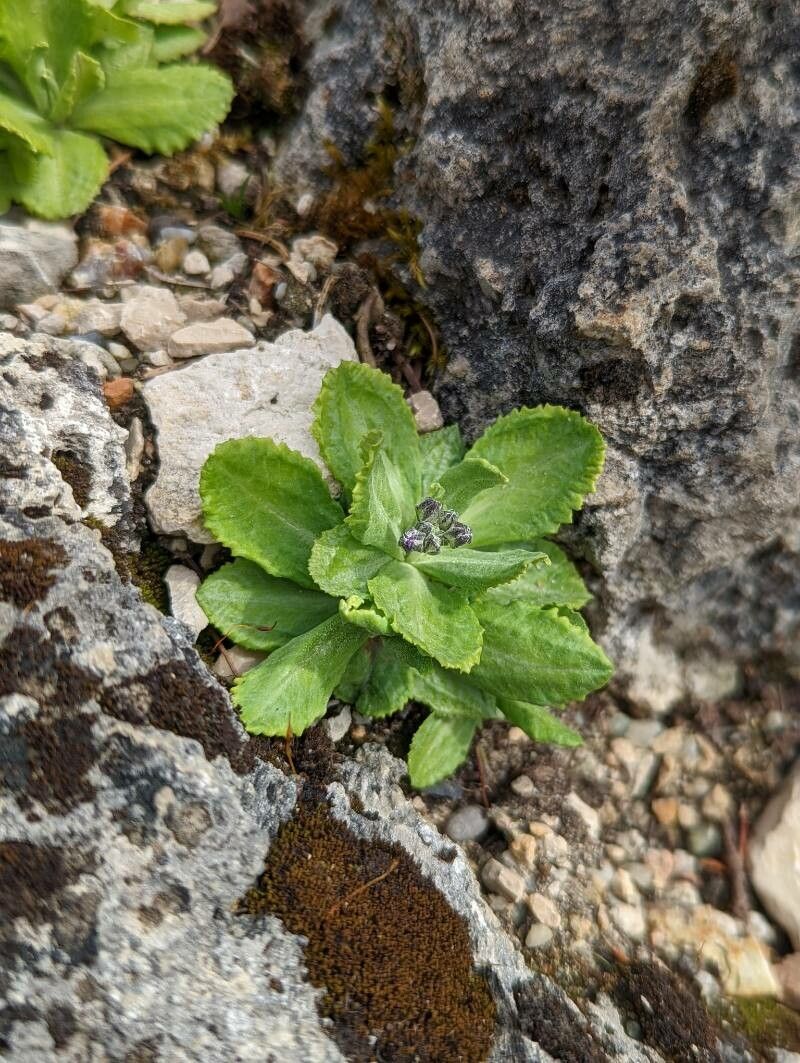
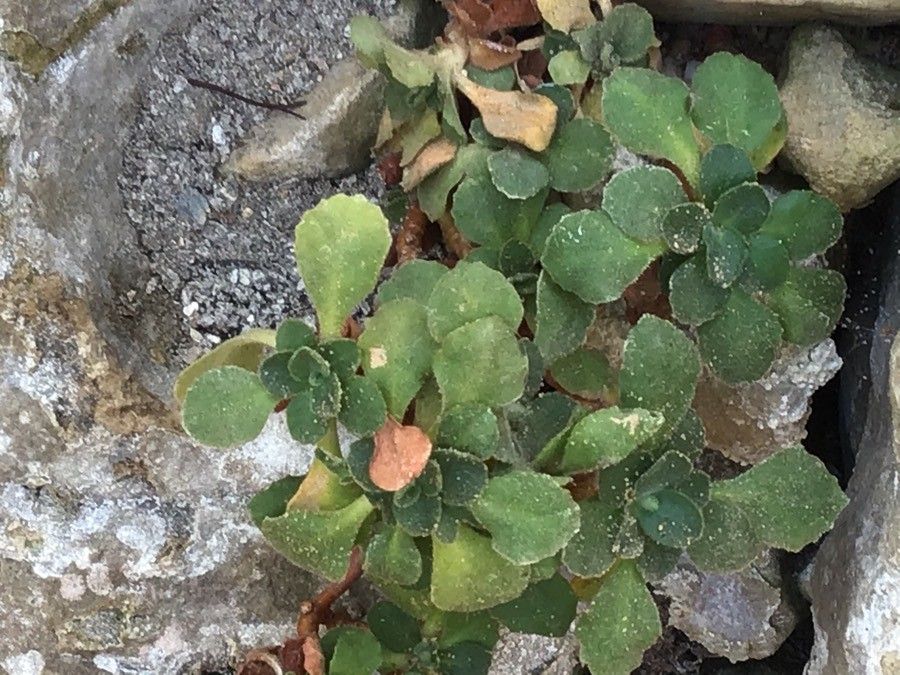
The viscid primrose is resistant to many diseases and is generally not prone to them. However, it can be vulnerable to pests and diseases present in its environment. Such infections are typically mild. For care, the plant requires moderate maintenance. It should be pruned regularly to keep a neat appearance and support healthy growth. Fertilizing can also help encourage flowering. Viscid primrose is suitable for anyone with outdoor space like a garden or patio and does not demand extensive gardening experience. It may need more attention if grown indoors.
How to keep Primula Latifolia.
Light
Viscid primrose is native to habitats like forest understories and rocky areas, where it grows under natural shade. It prefers partial sun but can tolerate full sun or full shade, demonstrating its versatile and hardy nature.
Water
The viscid primrose flourishes in moist environments and prefers consistent hydration without being waterlogged. It's important to water it weekly. This plant is best suited for outdoor cultivation, where it can take advantage of natural rainfall. This is especially beneficial during its active growing season, as sufficient moisture promotes abundant flowering.
Temperature
Viscid primrose grows naturally in habitats where temperatures range from 32 to 69.8 °F (0 to 21 ℃). It does best within that interval, so keeping similar conditions is recommended. In summer, a cooler spot can help reproduce its usual cool-temperature environment.
Fertilizer
For Viscid primrose, the primary time to apply fertilizer is in early spring while the flowers are developing. The appropriate fertilizer promotes better blooms and helps Viscid primrose produce attractive flowers. Fertilizing in early spring ensures excellent flowering during the season and supplies energy for dormant growth phases.
Pruning
The viscid primrose is known for its sticky leaves and vibrant blooms. To promote healthy growth, it's best to prune it from early to late spring. Focus on removing any dead stems and spent flowers during this time. Make sure to use clean tools to prevent the spread of disease. Regular pruning not only improves air circulation and reduces the risk of pests but also supports the plant's overall health and development.
Botanical profile.
- Plant Type
- Herb
- Life Cycle
- Perennial
- Genus
- Primula
- Family
- Primulaceae
- Hardiness Zone
- 1
- Mature Height
- 20 cm
- Mature Spread
- 15 cm
- Leaf Color
- Green, Dark Green
- Leaf Type
- Deciduous
- Flower Color
- Purple
- Flower Size
- 2.03 cm to 3.05 cm
- Bloom Time
- Mid spring, Late spring
- Planting Time
- Spring, Summer
- Harvest Time
- Early summer, Mid summer
Other names.
Reader questions.
What are the sunlight requirements for Viscid primrose (Primula latifolia)?
Viscid primrose, scientifically known as Primula latifolia, thrives in conditions where it can receive partial sun, meaning it should be positioned in spots that get about 3-6 hours of sunlight daily. It's essential to observe how sunlight moves through your garden, ensuring you select locations that offer a harmonious balance of light and shade. This careful placement is crucial for the plant's health and happiness, providing it with the perfect growing conditions.
What is the native temperature range for Viscid primrose?
The Viscid primrose, botanically known as Primula latifolia, flourishes in native environments where the temperature ranges from 32 to 69.8 °F (0 to 21 °C). To ensure the plant thrives, it's recommended to maintain a similar temperature range, providing a climate that closely mimics its natural habitat. Especially during the summer, keeping the Viscid primrose in a cooler area can help replicate the cool-temperature conditions it naturally prefers.