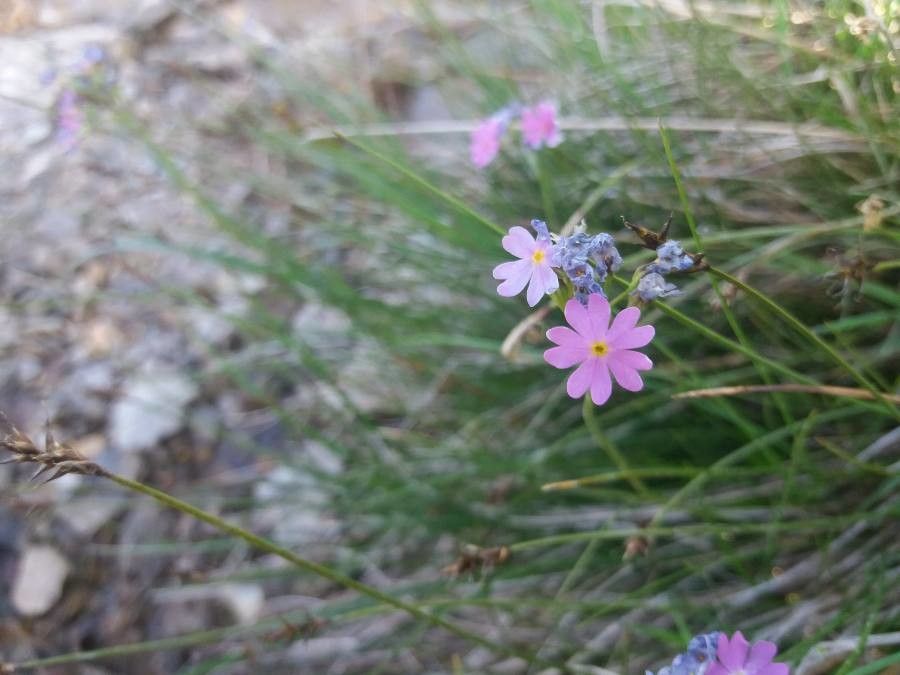
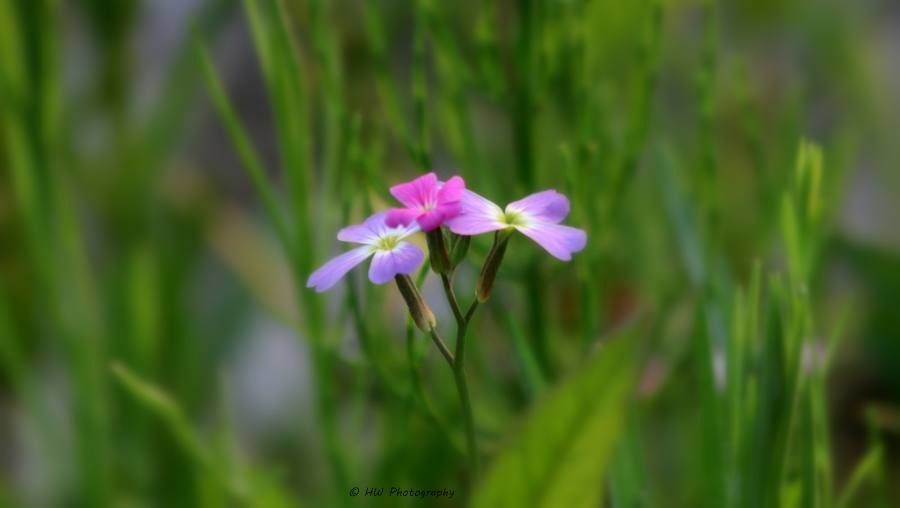
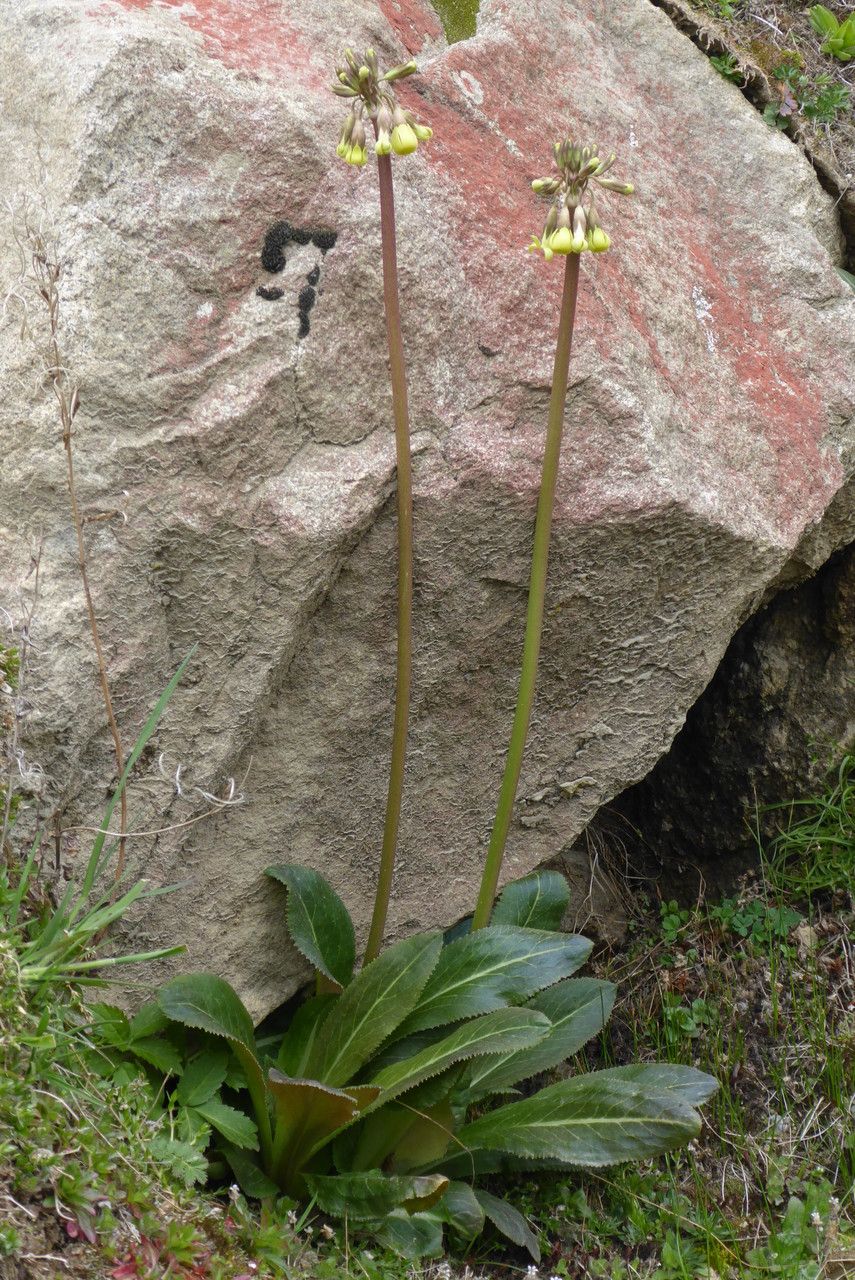
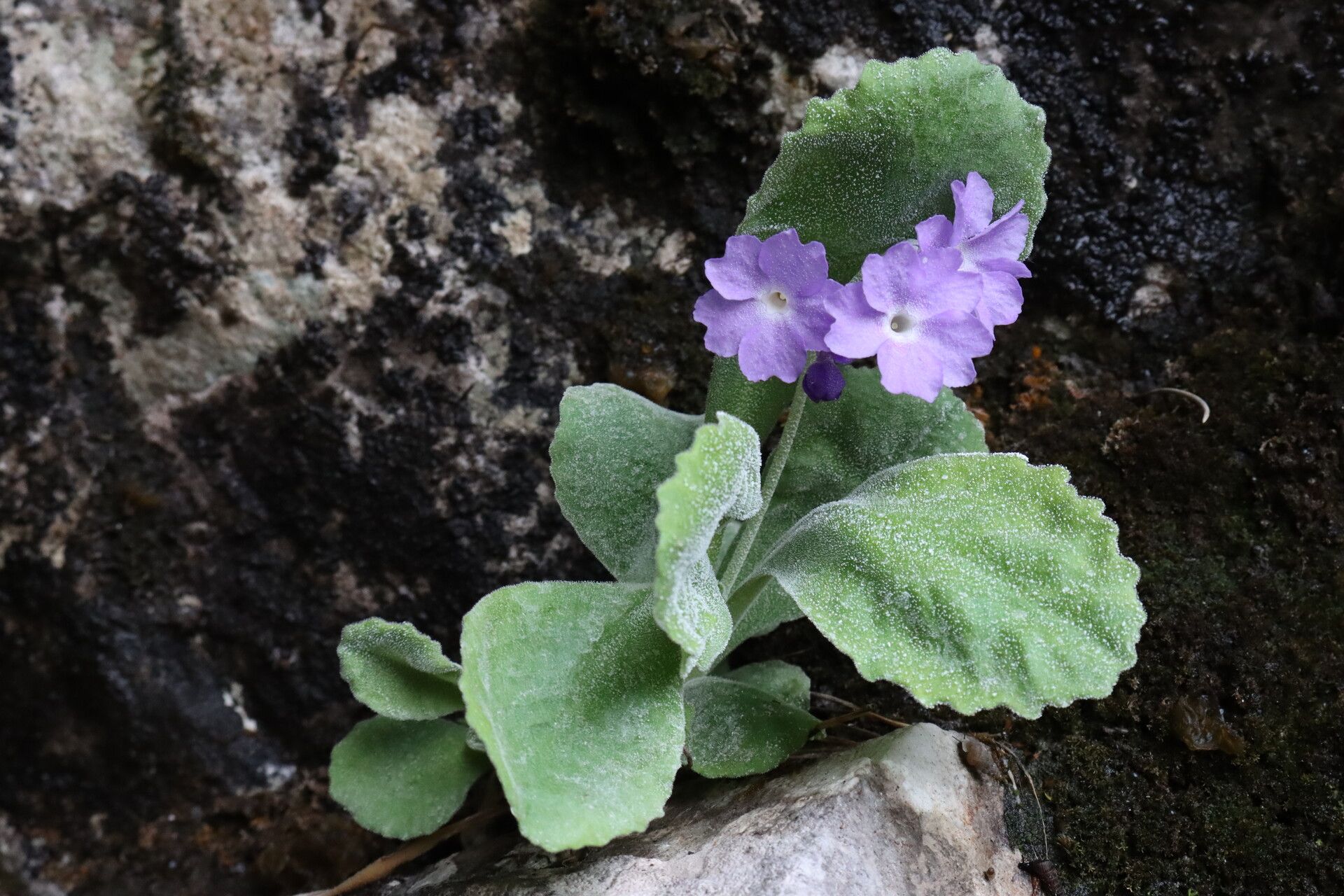
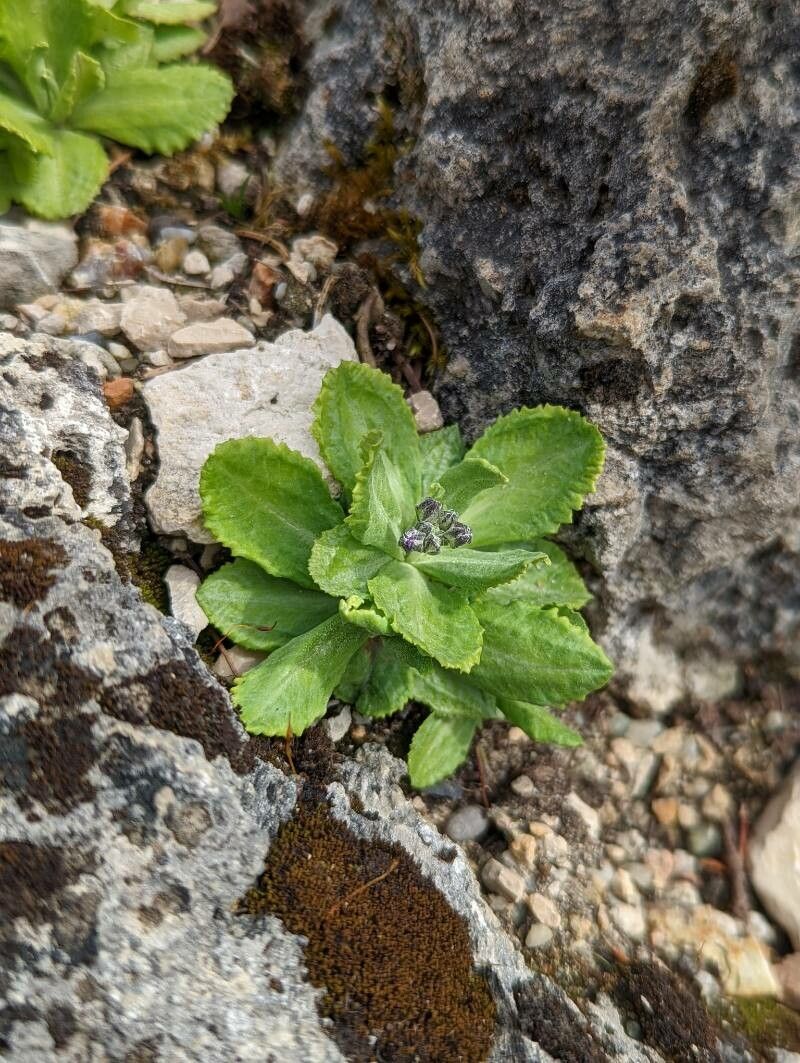
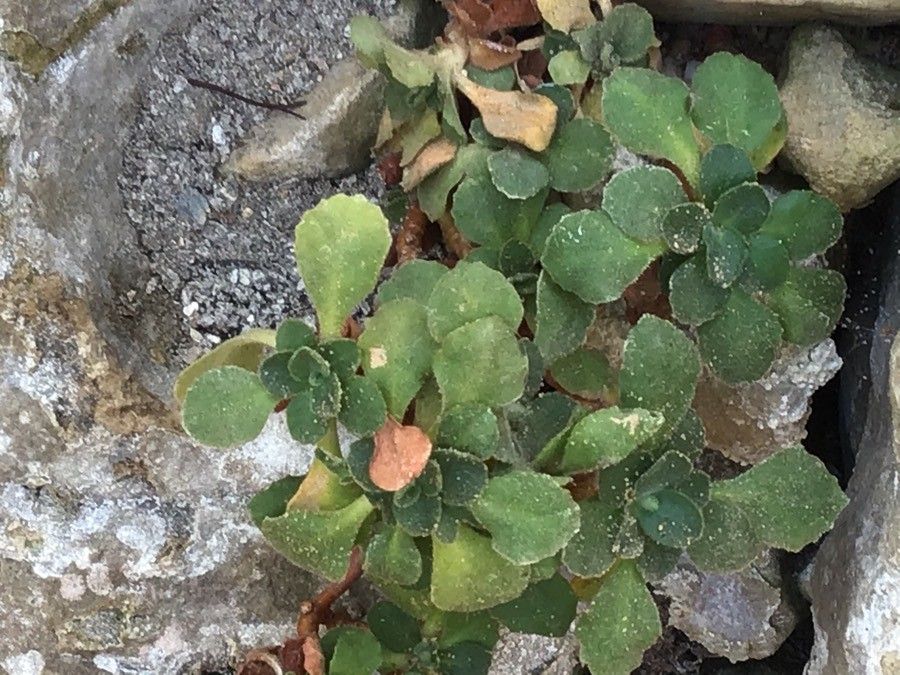
Bird's-eye primrose is fairly disease-resistant and generally not prone to illnesses. However, it can be vulnerable to pests and diseases present in its surroundings. These problems are usually not serious. As for care, the plant requires a moderate amount of attention. It should be pruned regularly to keep a neat appearance and support healthy growth. Fertilizing can also help encourage flowering. Bird's-eye primrose is suitable for anyone with outdoor space, such as a garden or patio, and does not need extensive gardening experience. It may need more care when kept indoors.
How to keep Primula Laurentiana.
Light
Bird's-eye primrose naturally occurs in habitats like forest understories or rocky areas, where it grows in natural shade. It prefers partial sun but can tolerate full sun or full shade, showing its adaptable and hardy nature.
Water
The bird's-eye primrose thrives in moist, temperate environments and prefers a regular watering schedule of once a week. It is ideal for outdoor cultivation, where natural rainfall can support its growth and enhance its flowering potential.
Fertilizer
A single fertilizer application in spring is typically enough for Bird's-eye primrose, though repeated feedings can maximize growth. Feed it every month to six weeks. Fertilization improves the leaves' appearance and function, helping maintain uniform color and a healthy texture. It also promotes root development and nutrient uptake for the plant's long-term health.
Pruning
To care for bird's-eye primrose, start by lightly pruning in early spring to remove dead foliage and encourage new growth. Follow this by thoroughly deadheading in late spring to extend the flowering period. Regular pruning helps improve airflow and reduces the risk of disease. For the best results, always use sterilized tools.
Botanical profile.
- Plant Type
- Herb
- Life Cycle
- Perennial
- Genus
- Primula
- Family
- Primulaceae
- Hardiness Zone
- 3-7
- Mature Height
- 10 cm to 30 cm
- Mature Spread
- 15 cm to 25 cm
- Leaf Color
- Green, Dark Green
- Leaf Type
- Deciduous
- Flower Color
- Pink, Lavender
- Flower Size
- 1.02 cm to 2.03 cm
- Bloom Time
- Mid spring, Late spring
- Planting Time
- Spring, Summer
- Harvest Time
- Early summer, Mid summer
Other names.
Reader questions.
What are the sunlight requirements for Bird's-eye primrose?
Bird's-eye primrose (Primula laurentiana) thrives in environments that meet specific sunlight requirements. For optimal growth, it necessitates 'Full sun' conditions, which entail receiving more than 6 hours of sunlight daily. Alternatively, it can also flourish under 'Partial sun' conditions, defined as about 3-6 hours of sunlight each day. It's important to observe the movement of sunlight through your garden carefully, selecting spots that provide an ideal blend of light and shade to ensure the wellbeing of your plants.
What is the botanical name of the Bird's-eye primrose?
The botanical name of the Bird's-eye primrose is Primula laurentiana. This plant belongs to the Primulaceae family, which encompasses a wide range of species known for their vibrant flowers and diverse habitats. The Bird's-eye primrose in particular is known for its unique beauty and is a favorite among gardeners and flower enthusiasts.