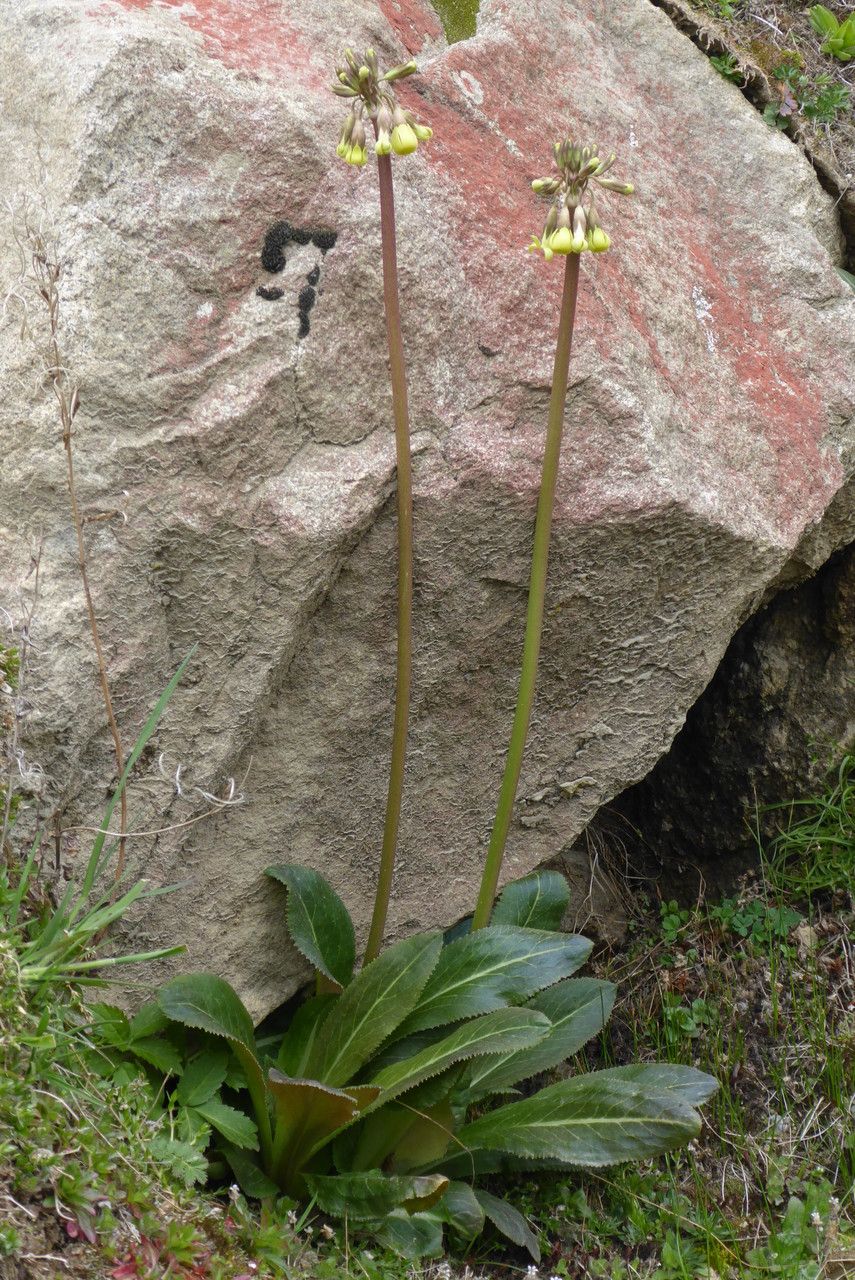
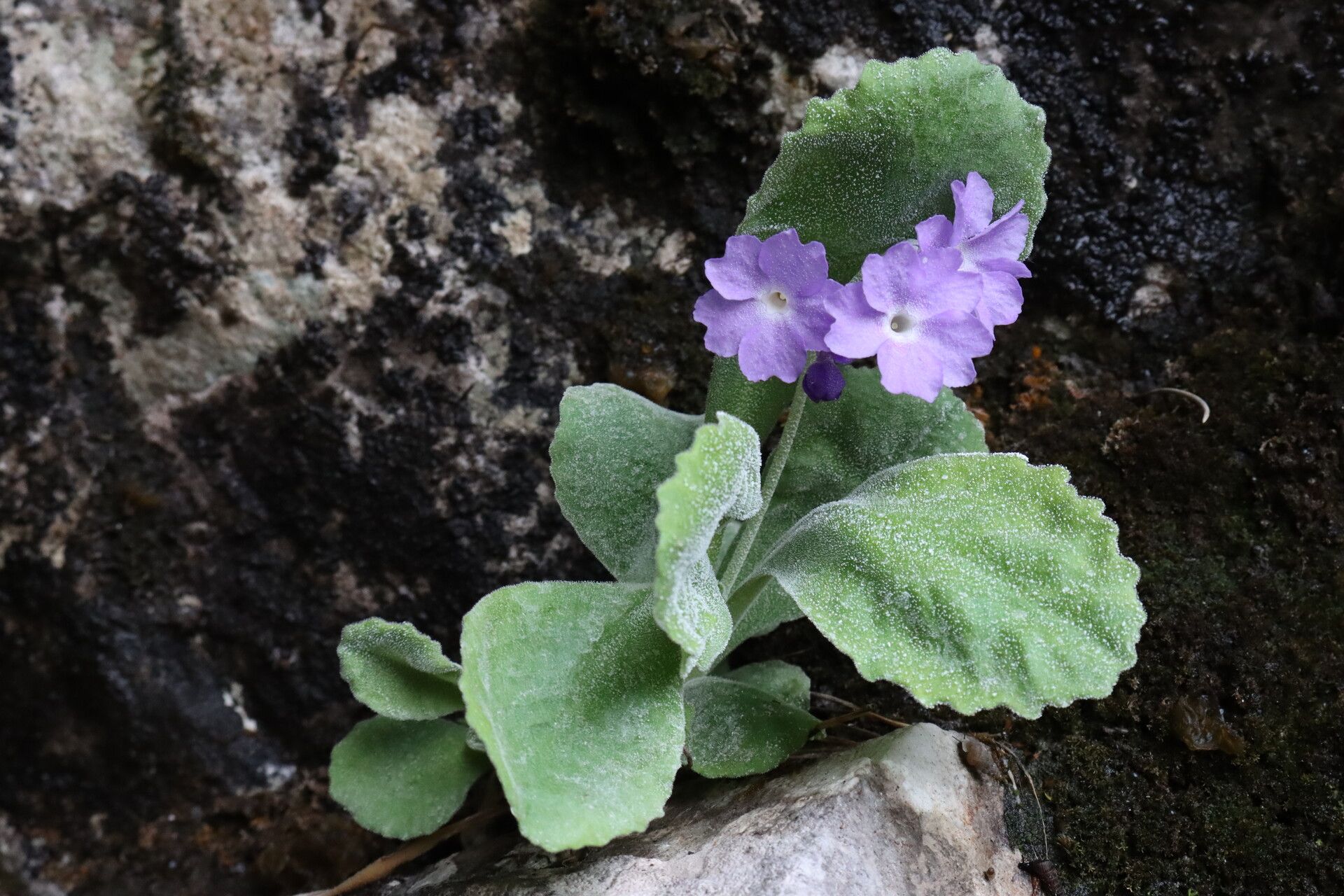
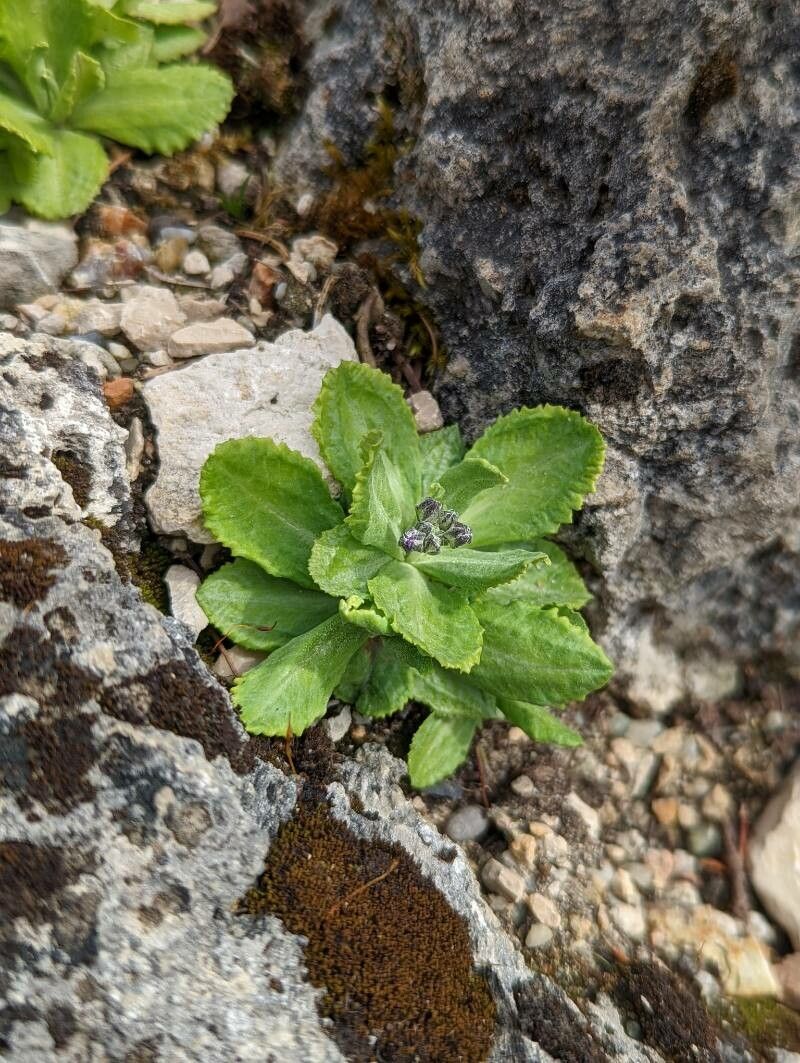
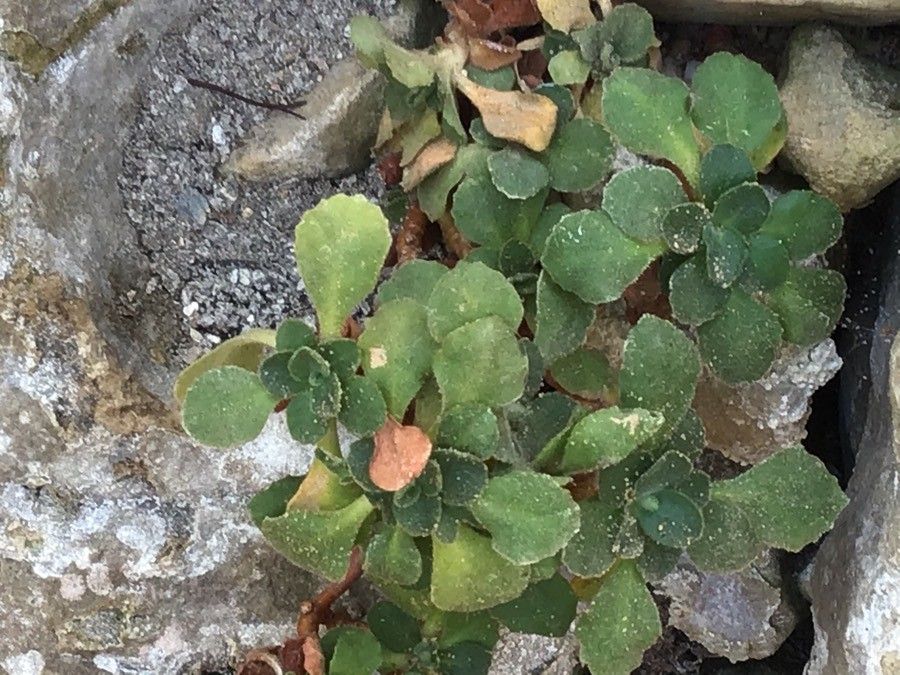
Primula mistassinica, also known as Mistassini primrose, Lake Mistassini primrose or bird's-eye primrose, is a flowering herb of the genus Primula. The specific name refers to Lake Mistassini in Quebec, Canada. It is native to the northeastern United States and much of Canada.Although it is the most widespread species of North American primroses, P. mistassinica is considered rare or imperiled in many parts of its range. Its rarity is often related to its restrictive habit requirements, particularly toward the southern extent of its range. Habitats for this plant include damp cliffs, marshes, bogs, and the shores of lakes and rivers.
The Mistassini primrose is fairly resistant to disease and generally does not tend to get sick. That said, it can be vulnerable to pests and diseases present in its environment. Such infections are typically mild. In terms of upkeep, this plant needs moderate maintenance. It should be pruned regularly to preserve a neat appearance and encourage healthy growth. Fertilizing can also help stimulate flowering. The Mistassini primrose is suitable for anyone with outdoor space, like a garden or patio, and does not require extensive experience in plant care. It may need more attention when kept indoors.
How to keep Primula Mistassinica.
Light
Mistassini primrose thrives with a moderate amount of sunlight but can tolerate periods without light. Coming from regions with variable sun exposure, its growth phase does not require substantial changes in light patterns. Still, too much or too little sunlight can negatively impact its growth.
Water
The Mistassini primrose flourishes in consistently moist conditions and requires soil that remains evenly damp. To promote optimal growth, it benefits from a weekly watering schedule. This herbaceous perennial prefers outdoor environments where it can enjoy natural light and humidity. Its health and vigor during the growing season depend on receiving sufficient hydration.
Temperature
Mistassini primrose can tolerate a wide range of temperatures, but its distribution may still be restricted by particular combinations of moisture and heat. It grows best in warm summer conditions with sufficient rainfall or watering. Extended stretches of cloudy, rainy weather or prolonged high temperatures can raise the likelihood of the Mistassini primrose dying. In winter, adequate protection from cold can increase the plant's survival.
Fertilizer
For the Mistassini primrose, the best time to apply fertilizer is in early spring while the flowers are forming. The correct fertilizer supports stronger blooms and helps the Mistassini primrose produce attractive flowers. Fertilizing in early spring ensures excellent flowering through the season and provides energy for dormant growth stages.
Pruning
The Mistassini primrose is characterized by its pale pink flowers and low-growing habit. To encourage healthy regrowth and maintain its shape, it is important to prune in early spring. This involves removing dead foliage and spent blooms. When pruning, cut above healthy buds to prevent disease, improve airflow, and reduce the risk of fungal infections, thereby promoting vibrant health.
Botanical profile.
- Plant Type
- Herb
- Life Cycle
- Perennial
- Genus
- Primula
- Family
- Primulaceae
- Hardiness Zone
- 3-7
- Mature Height
- 5 cm to 15 cm
- Mature Spread
- 5 cm to 10 cm
- Leaf Color
- Green
- Leaf Type
- Evergreen
- Flower Color
- Pink, Lavender
- Flower Size
- 1.02 cm to 1.52 cm
- Bloom Time
- Early spring, Mid spring
- Planting Time
- Spring
- Harvest Time
- Late spring, Early summer, Mid summer
Other names.
Reader questions.
What are the sunlight requirements for Mistassini Primrose?
Mistassini Primrose thrives best when it receives a moderate level of sunlight, ideally about 3-6 hours per day, which is considered partial sun. This plant is adaptable to varying light conditions, reflective of its origin in environments with fluctuating sunlight. However, it's crucial to ensure that it does not receive too much or too little sunlight as this could negatively impact its growth. Keep in mind the importance of observing the movement of sunlight in your garden to place your plants in locations that strike a good balance between light and shade.
Can Mistassini Primrose grow with artificial lighting?
Yes, Mistassini Primrose can grow with artificial lighting, especially when natural sunlight is insufficient. This condition often arises in winter or in less sunny spaces. Using artificial lights, such as LED lights which can be customized to plant needs, can promote healthier and faster growth. For indoor plants, the amount of artificial light required varies; full sun plants need 30-50W per sq ft, partial sun plants need 20-30W per sq ft, and full shade plants need 10-20W per sq ft. The light source should be positioned 12-36 inches above the plant to mimic natural sunlight effectively, and the duration should replicate the natural daylight hours typical for the plant's species, usually between 8-12 hours per day.
What are the symptoms of insufficient light in Mistassini Primrose?
When Mistassini Primrose gets insufficient light, several symptoms can manifest, signaling the plant's struggle. These symptoms include smaller new leaves, leggy or sparse growth, faster leaf drop, and a halt in new growth. In extreme sunlight conditions, chlorosis might occur, leading to the plant's leaves turning yellow due to chlorophyll breakdown which hinders photosynthesis. Other symptoms include sunscald, leaf curling or twisting, wilting, and leaf scorching, which are indicative of too much sunlight exposure. These conditions showcase the plant's inability to adapt to inadequate light and the importance of ensuring proper light levels.
How can I treat my Mistassini Primrose if it's not getting enough light?
If your Mistassini Primrose is not receiving enough light, here are some strategies you can follow to address this issue: For indoor plants, gradually shift them to sunnier spots each week until they receive 3-6 hours of direct sunlight daily. Alternatively, use artificial lighting like desk or ceiling lamps, or invest in professional plant grow lights to ensure at least 8 hours of light daily. For outdoor plants, gradually move them to sunnier locations to prevent sunburn, avoiding sudden changes in light intensity. If obstructions like trees block sunlight, consider pruning them. When necessary, particularly for smaller plants, transplanting them during their dormant period to a better-lit location can be beneficial. Note that while parts of the plant that have suffered from light deficiency may not fully recover, new growth after adjusting light exposure should be healthy.